
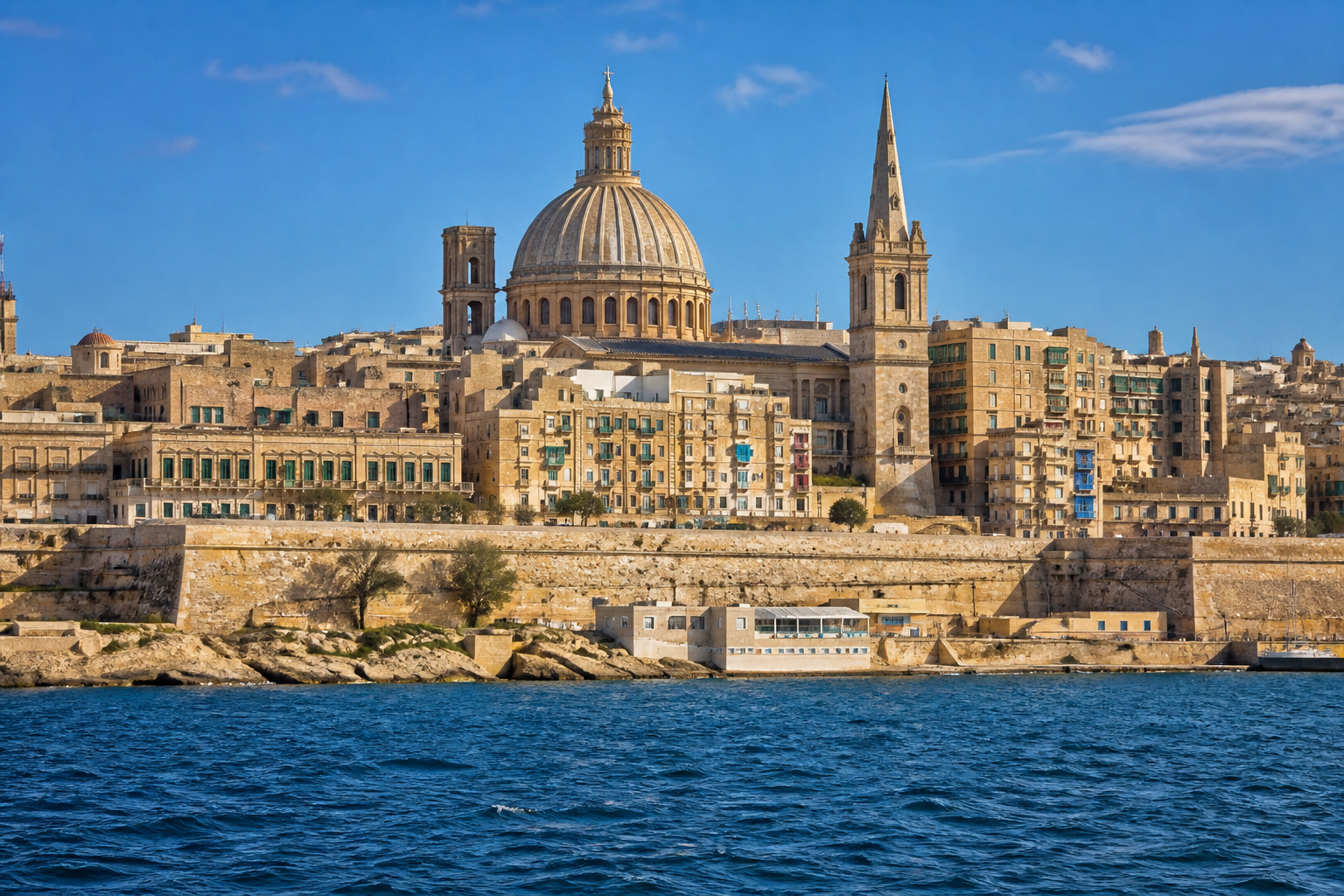
# Malta Beyond the Summit: Valletta Streets, Sea Views, and Honest Travel Tips
When more than 1,000 tourism leaders gather in Malta for the **WTTC Global Summit**, the island suddenly feels like the center of the travel world. But away from conference rooms and formal meetings, Malta is wonderfully human: noisy buses, limestone lanes warmed by the sun, fishing boats bobbing in small harbors, and cafés where lunch seems to last longer than planned.
I’d come for the summit, of course, but I’d stay for the island’s layers of history, easy seaside evenings, and the feeling that you can cross half the country before dinner.
## The Vibe & When to Go
Malta is compact, bright, and a little rough around the edges in a way I found charming. Valletta is grand but not stiff. Around the corner from a polished historic building, you might find laundry hanging over a narrow street or a tiny bar filled with locals watching football.
The best weather is usually from **April to June** and **September to October**, when days are warm without the intense midsummer heat. Spring brings clear skies and comfortable walking weather, while autumn keeps the sea pleasantly warm. July and August are hot, busy, and dry, with temperatures often reaching the low-to-mid 30s Celsius.
If you’re visiting during the WTTC summit, expect hotels and restaurants near the event locations to fill quickly. Book early, especially if you want to stay in Valletta or Sliema. The summit itself adds a lively international buzz, but Malta is at its most enjoyable when you leave a little room for wandering.
## Must-See Spots: My Top Picks
### 1. Valletta Before Breakfast
Valletta is small enough to explore on foot, but it rewards early starts. I liked walking along Republic Street before the cruise crowds arrived, then turning down side streets toward the harbor.
Don’t miss:
– **St. John’s Co-Cathedral**, especially if you enjoy dramatic interiors
– **Upper Barrakka Gardens** for views over the Grand Harbour
– The quieter streets around **St. Ursula Street**
– A slow coffee near **Pjazza San Ġorġ**
For a different view of the city, take the short ferry across to the Three Cities. The ride is inexpensive, quick, and much more pleasant than trying to photograph the harbor through a taxi window.
### 2. The Three Cities for a Quieter Afternoon
Vittoriosa, Senglea, and Cospicua sit across the water from Valletta and feel more residential. Vittoriosa, also known as Birgu, is the easiest place to begin.
I enjoyed walking along the waterfront, looking at the old boats, then getting slightly lost among the honey-colored buildings. The streets are quieter than Valletta, and you’ll see everyday Malta rather than only the postcard version.
Bring comfortable shoes. The paving stones can be uneven, and the hills are short but surprisingly steep.
### 3. Mdina at Sunset
The old city of Mdina has a completely different mood. It’s peaceful, enclosed, and almost silent in the evening once the day visitors leave. Walking through the narrow lanes at sunset was one of my favorite Malta experiences.
The views from the city walls stretch across much of the island. After exploring, I’d stop in nearby Rabat for a pastry or a simple meal rather than eating directly beside the main entrance to Mdina. Prices tend to be more reasonable, and the atmosphere feels less staged.
### 4. Gozo When You Need a Break
Gozo is the place I’d choose after several busy summit days. It’s greener, slower, and noticeably quieter than Malta, though it still has plenty of history and beautiful coastal scenery.
Take the ferry from Ċirkewwa, then spend the day visiting:
– **Victoria and the Citadel**
– **Dwejra Bay**
– **Ramla Bay**
– The small villages around **Xagħra**
A rental car makes Gozo easier, but buses can work if you’re patient. I’d avoid trying to squeeze the whole island into a few rushed hours. Pick two or three areas and enjoy them properly.
## Practical Travel Advice
### Getting There and Visa Requirements
Malta International Airport is the main gateway and has direct flights from many European cities. If you’re connecting from outside Europe, flying through a major hub such as Rome, Frankfurt, Paris, Amsterdam, or Istanbul is often simplest.
Malta is part of the **Schengen Area**. Travelers from the United States, Canada, the United Kingdom, Australia, and many other countries can usually visit visa-free for up to **90 days in any 180-day period**, but passport rules vary. Your passport should generally be valid for at least three months after your planned departure from the Schengen Area and issued within the previous 10 years.
If your nationality requires a Schengen visa, apply well before the summit. Conference invitations do not automatically replace visa requirements.
### Where to Stay
**Valletta:** Best for history, evening walks, and being close to many cultural sights. It’s beautiful but can be pricey, and some streets are steep.
**Sliema:** A practical choice for business travelers, restaurants, shopping, and waterfront walks. It has more modern hotels and is connected to Valletta by ferry.
**St. Julian’s:** Good for nightlife, larger hotels, and easy access to restaurants. It can feel noisy and busy, especially on weekends.
**The Three Cities:** Better for a quieter, more local atmosphere. You’ll need to allow extra time for transport, but the setting is lovely.
**Mellieħa:** Choose this area for beaches and a slower pace. It’s farther from Valletta and likely less convenient for daily summit attendance.
### Getting Around
Valletta and the Three Cities are best explored on foot. For longer journeys, Malta’s public buses are affordable, but delays and crowded routes are common during busy periods.
The **Tallinja** bus network covers most of the island. A travel card can save money if you’re staying several days. Ferries between Valletta, Sliema, and the Three Cities are often faster and more scenic than buses.
For taxis and private rides, **Bolt** is widely used and usually easier than hailing a cab. Airport transfers can be arranged in advance, but compare the price with a Bolt ride before booking.
Driving is possible, though I wouldn’t rent a car in Valletta or Sliema unless you really need one. Traffic can be hectic, parking is limited, and Malta drives on the left.
## Real Costs and Local Tips
Malta uses the **euro (€)**. Prices rise around major events, so summit visitors should budget a little more than travelers coming in a quiet month.
### Daily Budget
**Budget traveler: €55–€80 per person**
– Hostel or simple guesthouse: €25–€45
– Bakery breakfast: €3–€6
– Casual lunch: €8–€14
– Simple dinner: €15–€25
– Public transport and small admissions: €5–€12
**Mid-range traveler: €120–€190 per person**
– Comfortable hotel: €80–€130 per room, depending on location and event dates
– Breakfast and coffee: €8–€15
– Restaurant lunch: €15–€25
– Dinner with a drink: €25–€45
– Taxis, ferries, and attractions: €15–€30
During the WTTC summit, hotel prices may be considerably higher, particularly in Valletta, Sliema, and St. Julian’s.
### Tipping and Everyday Money Matters
Tipping isn’t strictly required, but leaving **5–10%** for good restaurant service is appreciated. Some restaurants add a service charge, so check the bill first. Rounding up in cafés and taxis is perfectly normal.
A few things helped me keep costs under control:
– **Eat at pastizzeriji.** These small bakeries sell filling pastries, usually for just a few euros.
– **Use ferries instead of taxis** between Valletta, Sliema, and the Three Cities whenever possible.
– **Book summit accommodation early.** Last-minute rates can become painful, especially near the main business districts.
– **Don’t judge restaurants by harbor views alone.** Walk a few streets inland for better-value meals and more local menus.
– **Carry water and sun protection.** Malta’s light can feel gentle in the morning and intense by mid-afternoon.
– **Check bus routes before leaving.** Two short journeys can sometimes take much longer than a ferry or Bolt ride.
The WTTC Global Summit may bring the world’s tourism decision-makers to Malta, but the island’s real appeal appears between appointments: a quick ferry ride at golden hour, a warm pastry eaten standing outside a bakery, or a quiet Mdina street after the crowds disappear. Leave a little space in your schedule. Malta is small, but it rarely feels rushed when you let the day unfold naturally.
KEYWORDS: Malta Valletta