
# Romania Beyond the Postcard: Castles, Cafés, and Honest Travel Tips
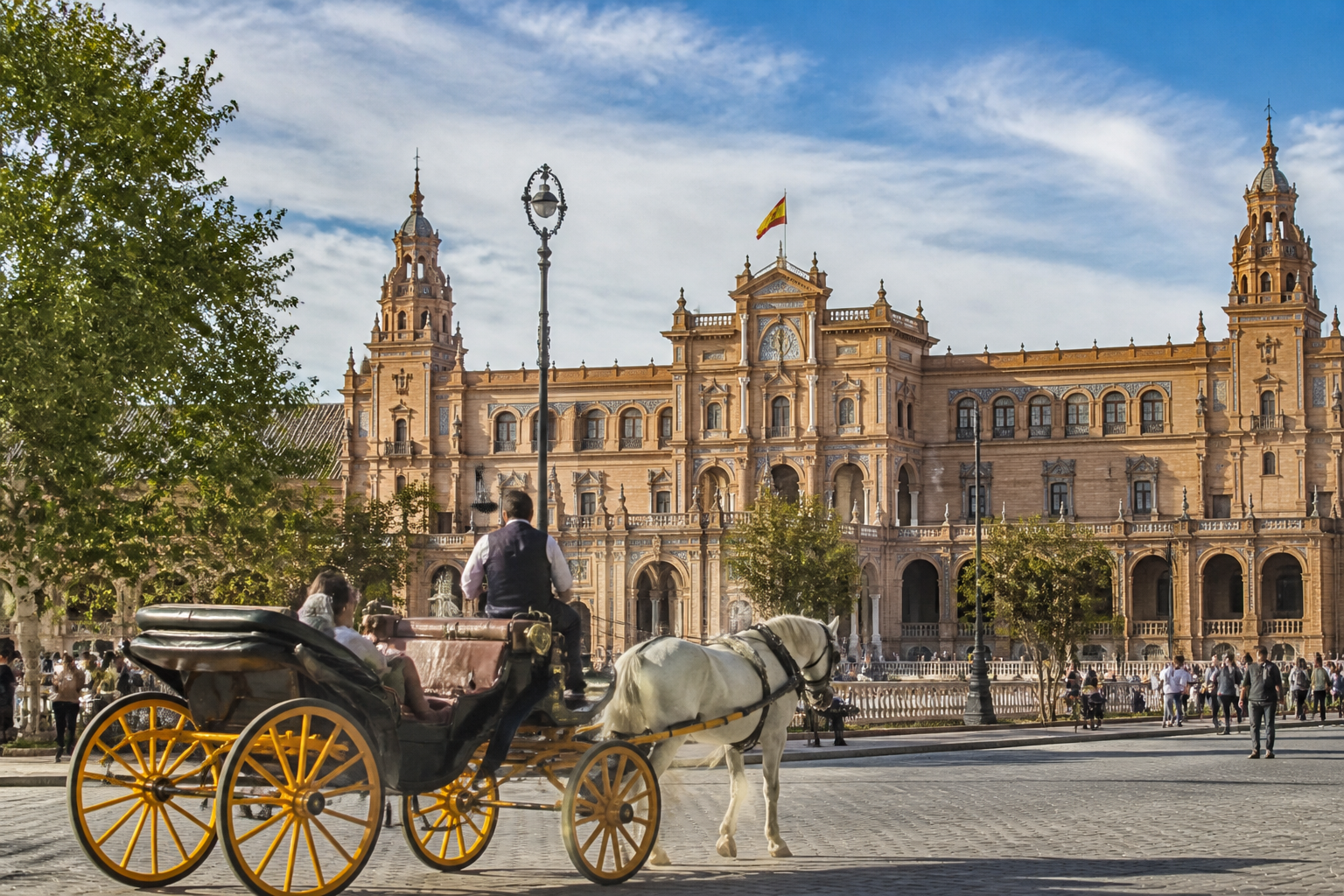
Romania has been getting a fresh moment in the spotlight thanks to a four-week tourism campaign in Seville. I can see why. It’s the kind of country that rewards curiosity: one day you’re drinking coffee in a lively city square, and the next you’re looking at forested mountains, painted monasteries, or a village where hay still dries on wooden racks.
## The Vibe & When to Go
Romania feels pleasantly unpolished in the best way. Bucharest is energetic and slightly chaotic, with grand old buildings beside modern cafés and communist-era apartment blocks. In Transylvania, life slows down. You’ll find cobbled streets, fortified churches, local bakeries, and mountain roads that seem to invite unnecessary detours.
Spring brings mild days, green hills, and fewer visitors. Summer is warm and lively, especially in Bucharest and the mountain towns, though July and August can be hot. Autumn is my favorite time for Transylvania, when the forests turn copper and gold. Winter is cold, but the Carpathian resorts offer skiing, snowy scenery, and wonderfully hearty food.
If the Seville campaign has sparked your interest, spring and early autumn are especially good times to plan a first trip. You’ll have comfortable sightseeing weather without the busiest summer crowds.
## Must-See Spots: My Top Picks
### 1. Bucharest’s old streets and leafy corners
Start in the Old Town, but don’t stop there. The central historic district is lively, with restaurants, bars, and restored façades, although some streets can feel a little too focused on nightlife.
I prefer wandering toward Calea Victoriei, where you’ll find elegant buildings, museums, churches, and small coffee shops. The Romanian Athenaeum is beautiful inside, and the National Village Museum gives you a quick look at traditional homes from across the country.
For a slower afternoon, head to **Cişmigiu Gardens** or **Herastrau Park**. Grab a pastry and sit near the water. Bucharest is much easier to enjoy when you give yourself time to observe it instead of rushing between landmarks.
### 2. Brașov and the mountains around it
Brașov is one of Romania’s easiest cities to love. The old center is compact, colorful, and surrounded by mountains. Walk through Council Square, see the Black Church, and climb up toward the old city walls for a different view of the rooftops.
I also recommend taking the cable car or hiking up **Mount Tâmpa** if the weather is clear. The walk is manageable for most reasonably active travelers, and the view over Brașov is much more satisfying than a quick photo in the main square.
Brașov makes a good base for nearby sights such as **Bran Castle** and **Peleș Castle**. Bran is atmospheric but heavily visited, so go early. Peleș, near Sinaia, is more elegant and is one of my favorite castles in the country. Check opening days before traveling, as museums and castles can close on certain weekdays.
### 3. Sighișoara after the day-trippers leave
Sighișoara’s citadel is small enough to explore on foot in a few hours. Its bright houses, steep lanes, clock tower, and covered staircase give it a storybook feel without needing much imagination.
The best time to walk around is early morning or later in the afternoon. During the middle of the day, tour groups can crowd the main streets. I liked wandering away from the central square, where the lanes become quieter and laundry hangs from old balconies.
Stay overnight if you can. Once the day visitors leave, the town becomes calm, and you can enjoy dinner without feeling as if you’re on a schedule.
### 4. The Danube Delta for something completely different
If you have extra time, the **Danube Delta** gives you a very different side of Romania. The waterways are home to huge numbers of birds, and boat trips pass through reeds, quiet channels, and small fishing villages.
Tulcea is the usual starting point, but staying in a smaller delta village makes the experience more peaceful. Bring insect repellent, sun protection, and a little patience. This is not a place for rushing from one sight to another. The magic is in the early mornings, still water, and sudden flashes of birds lifting from the reeds.
## Practical Travel Advice
### Getting There & Visa
Bucharest is the main international gateway, with Henri Coandă International Airport serving flights from across Europe. Cluj-Napoca, Timișoara, Iași, and Sibiu also have useful international connections, depending on the season.
Romania is now part of the Schengen Area. EU, EEA, and Swiss citizens can enter with a valid national ID card or passport. Many travelers from countries such as the United Kingdom, United States, Canada, Australia, and New Zealand can visit visa-free for short stays, generally up to 90 days in a 180-day period.
Visa rules depend on your nationality, so check the Romanian Ministry of Foreign Affairs or your local Romanian consulate before booking. Your passport should be valid for the required period and have enough blank pages.
Flight prices can jump around weekends and summer holidays. I usually compare Bucharest with Cluj-Napoca and look at nearby departure airports in Central Europe if the direct fares seem high.
### Where to Stay
– **Bucharest Old Town or University Square:** Best for first-time visitors who want restaurants, nightlife, and easy access to major sights. It can be noisy at night.
– **Calea Victoriei or Romană:** Better for a calmer central stay, with handsome buildings, cafés, and good transport.
– **Brașov Old Town:** Ideal for a short visit and evening walks. Book ahead during summer and winter holidays.
– **Sibiu historic center:** A charming choice for a slower city break, with pretty squares and excellent restaurants.
– **Sighișoara Citadel:** Stay inside the old town for atmosphere, but expect stairs and limited parking.
– **Sinaia:** A convenient base for Peleș Castle and mountain walks.
Guesthouses are often a great choice outside Bucharest. Many include breakfast, and the hosts may point you toward a family-run restaurant or a nearby trail that never appears on a standard itinerary.
### Getting Around
Romania’s main cities are generally easy to explore on foot. Bucharest has a useful metro, trams, and buses, though traffic can be intense above ground.
For local rides, **Bolt** and **Uber** are widely used in larger cities and are usually clearer than negotiating with a taxi driver. In Bucharest, the metro is often faster than a car during rush hour.
Trains connect many major destinations, but journeys can take longer than the map suggests. For example, Bucharest to Brașov is scenic but can be slow. Buses and shared vans may be quicker for some routes, though comfort varies.
For castles, villages, and mountain roads, renting a car gives you much more freedom. Avoid driving into Bucharest unless you’re comfortable with heavy traffic and creative parking.
## Real Costs & Local Tips
Romania uses the **Romanian leu**, written as **lei** in the plural. Cards are accepted in most hotels, cafés, and restaurants, but keep some cash for markets, rural guesthouses, and small bakeries.
### Approximate daily budgets
**Budget traveler: €35–55 per person**
– Hostel or simple guesthouse: €12–25
– Local meals and bakery food: €10–18
– Public transport and occasional short rides: €3–8
– Free or low-cost sightseeing
**Mid-range traveler: €80–140 per person**
– Comfortable hotel or private guesthouse: €45–85
– Restaurant meals and coffee: €25–40
– Trains, rideshares, and entrance fees: €10–25
Bucharest, Brașov, and popular castle areas can cost more, particularly on summer weekends.
### A few things that make travel easier
– **Use local lunch menus.** Many restaurants offer a filling weekday lunch menu with soup, a main course, and sometimes dessert for much less than an evening meal.
– **Try bakeries for quick meals.** Look for covrigi, a Romanian pretzel, or plăcintă, a warm filled pastry. They’re cheap, satisfying, and easy to eat between sights.
– **Tip around 10% for good restaurant service.** Tipping is not usually expected for every coffee or counter-service purchase. Round up for taxis and small services if you’re pleased.
– **Check the bill before leaving.** Service charges are not always handled the same way, and a quick look avoids confusion.
– **Don’t exchange money at the airport unless necessary.** ATMs in the city usually offer better rates, though your bank may charge a withdrawal fee.
– **Book mountain and castle stays early.** Prices rise quickly for summer weekends, Christmas, New Year, and ski season.
Romania is not a country I’d visit just to tick off famous sights. Its real charm appears in the spaces between them: a long train ride through the hills, a plate of sarmale at a family guesthouse, a quiet Transylvanian street after sunset, or a café table where you realize you’ve been sitting for two hours. The Seville campaign may introduce more travelers to Romania, but the country still has plenty of room for those willing to slow down and look around.
KEYWORDS: Romania landscape