
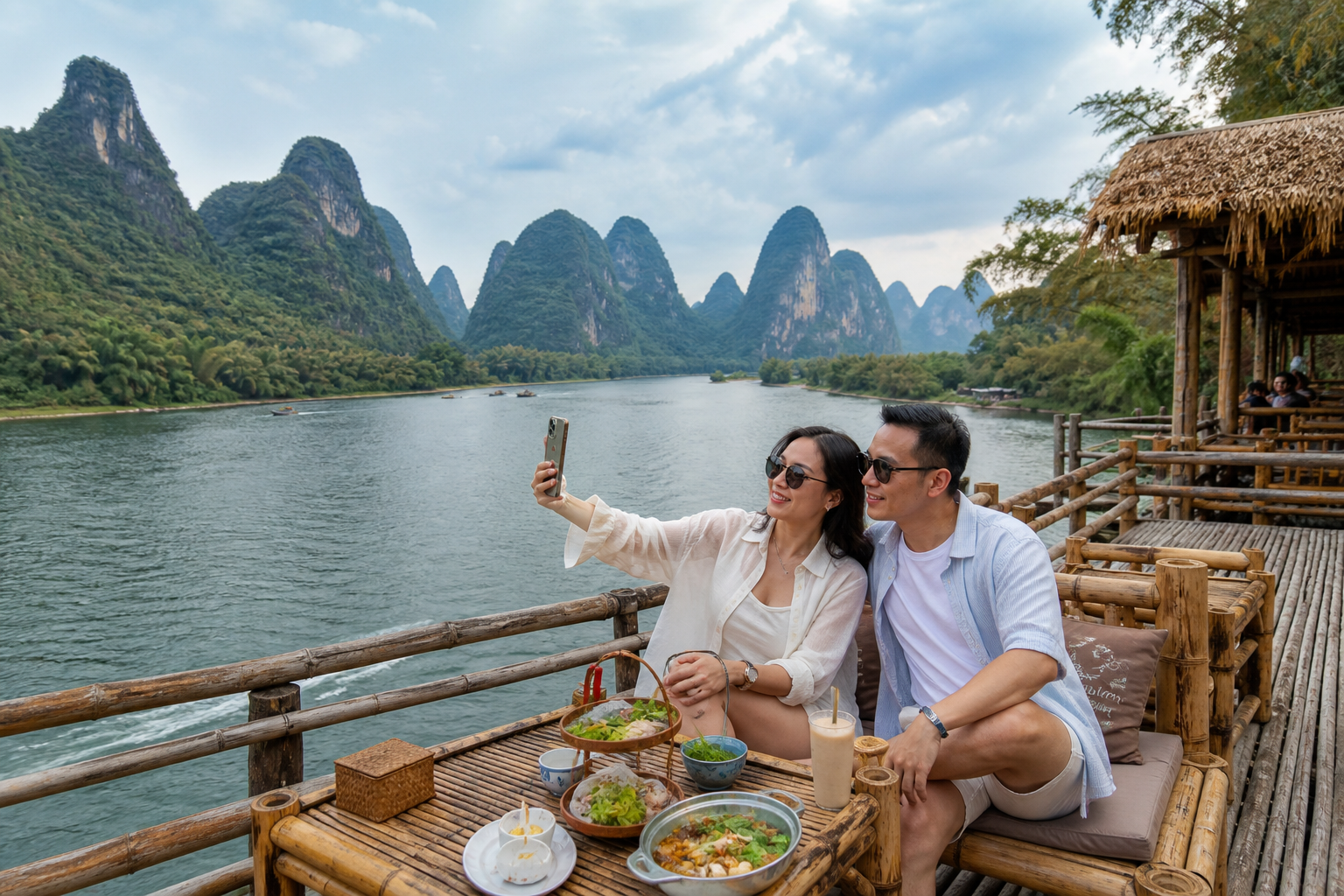
# Vietnam After Its WTA 2026 Honours: My Favorite Stops, Street Food, and Honest Travel Tips
Vietnam has always had a way of winning people over slowly. First comes the traffic, the heat, and the unfamiliar rhythm of the streets. Then, usually over a bowl of pho or a tiny cup of strong coffee, the country starts to feel wonderfully easy.
The recent **World Travel Awards 2026 honours** have put Vietnam even more firmly on the travel map. That attention makes sense: the country offers dramatic scenery, excellent food, lively cities, beautiful beaches, and some of the friendliest everyday encounters I’ve had in Asia. The trick is choosing your route carefully rather than trying to see everything in one hurried trip.
## The Vibe & When to Go
Vietnam feels energetic, social, and wonderfully unpolished in places. Hanoi is full of scooters, old shopfronts, steaming noodle stalls, and lakeside walks. Hoi An slows the pace with yellow walls and lantern-lit evenings. Further south, Ho Chi Minh City is louder and faster, with rooftop bars beside family-run eateries that have been serving the same dishes for decades.
The weather changes a lot from north to south:
– **Hanoi, Ha Long Bay, and northern Vietnam:** October to April is generally cooler and more comfortable. December and January can feel surprisingly chilly.
– **Central Vietnam, including Hue, Da Nang, and Hoi An:** February to May usually brings pleasant weather. Rain can be heavy from September through December.
– **Ho Chi Minh City and the Mekong Delta:** December to April is often dry and sunny. May to November brings short, intense showers rather than constant rain.
If you’re visiting in 2026, Vietnam’s WTA recognition gives the country extra momentum, but I’d still plan around the climate rather than the awards calendar. The best trips here are rarely about ticking off famous attractions. They’re about having enough time to linger.
## Must-See Spots: My Top Picks
### 1. Hanoi’s Old Quarter and quieter lakeside corners
Hanoi is a city to explore on foot, with patience. The Old Quarter can be chaotic, but behind the busy streets you’ll find tiny temples, narrow cafés, and old houses with balconies overflowing with plants.
I like beginning near **Hoan Kiem Lake** early in the morning, when locals are doing tai chi, stretching, or walking in small groups. Later, wander toward **Train Street**, but check access locally because entry rules change and some areas are closed for safety.
For food, try:
– **Bún chả**, grilled pork with noodles and herbs
– **Egg coffee**, especially on a cool morning
– **Phở bò** from a small shop rather than a polished restaurant
A useful Hanoi habit: cross the road slowly and steadily. The scooters will move around you. Stopping suddenly is usually more dangerous than continuing at a calm pace.
### 2. Ninh Binh instead of rushing straight to Ha Long Bay
Ha Long Bay is famous for good reason, but I found **Ninh Binh** more peaceful and easier to enjoy at a relaxed pace. Limestone cliffs rise from green rice fields, and small boats glide through caves and waterways.
Take a rowboat from **Trang An** or **Tam Coc**, then climb the steps to **Mua Cave viewpoint** for the classic view across the valley. The climb is hot, so go early and bring water.
If you have time, stay one night rather than visiting on a rushed day trip from Hanoi. The countryside becomes much quieter after the tour buses leave, and cycling between villages is one of my favorite simple experiences in northern Vietnam.
### 3. Hoi An and the beaches around Da Nang
Hoi An’s lanterns are lovely, but the town is at its best before dinner, when you can wander the old streets without feeling squeezed by evening crowds. I enjoyed renting a bicycle and heading out toward the rice fields and **An Bang Beach**.
A few practical thoughts:
– Visit the old town early in the morning for better photographs and cooler temperatures.
– Don’t feel obliged to buy a custom outfit immediately. Compare fabrics, prices, and reviews first.
– Stay just outside the historic center if you want quieter evenings and better value.
– Da Nang is only a short drive away and has a broader selection of hotels, seafood restaurants, and beach space.
Hoi An can feel busy during festival evenings, but the surrounding countryside gives you plenty of breathing room.
### 4. Ho Chi Minh City’s food, history, and local neighborhoods
Ho Chi Minh City is fast, noisy, and surprisingly addictive. The central sights include the **War Remnants Museum**, **Independence Palace**, and the Central Post Office, but I prefer mixing those with ordinary city life.
Spend an evening eating around **District 3**, browse cafés in **District 1**, or cross the river to **Thu Duc** for a less tourist-focused atmosphere. A food tour by scooter is a good introduction if you’re nervous about choosing dishes yourself.
Try:
– Cơm tấm, broken rice with grilled pork
– Bánh xèo, crispy savory pancakes
– Cà phê sữa đá, iced coffee with condensed milk
– Southern-style hotpot or fresh seafood
The city is also a convenient base for a trip to the **Mekong Delta**, though I’d choose an overnight stay in Can Tho over a rushed day trip if your schedule allows.
## Practical Travel Advice
### Getting There and Visa
The main international gateways are:
– **Noi Bai International Airport in Hanoi**
– **Tan Son Nhat International Airport in Ho Chi Minh City**
– **Da Nang International Airport**
Vietnam’s **e-visa is available to citizens of all countries and territories**, generally allowing stays of up to 90 days with single or multiple entry. Some nationalities also receive visa-free entry for shorter visits. Rules and passport conditions can change, so check the official Vietnam Immigration Department website before booking non-refundable flights.
When applying for an e-visa, double-check every detail, especially:
– Passport number
– Full name as shown in the passport
– Arrival airport
– Entry and exit dates
For flights, I often find better prices by flying into Hanoi and out of Ho Chi Minh City, rather than returning to the same airport. Domestic flights are useful for long distances, while overnight trains can be a memorable alternative if you have more time.
### Where to Stay
**Hanoi**
– **Old Quarter:** Best for first-time visitors, street food, and nightlife
– **French Quarter:** More spacious and calmer, with attractive colonial buildings
– **Tay Ho:** Good for longer stays, cafés, and a more relaxed expat neighborhood
**Hoi An and Da Nang**
– **Hoi An Ancient Town:** Convenient but busier and often pricier
– **Cam Chau:** Quieter, greener, and good for cycling
– **Da Nang beachfront:** Best for modern hotels, swimming, and easy transport
**Ho Chi Minh City**
– **District 1:** Handy for major sights and nightlife
– **District 3:** A little calmer, with excellent local food
– **District 5:** Great for Chinese-Vietnamese food and a more local atmosphere
### Getting Around
Walking works well in central areas, though sidewalks are often used for parking. For longer trips, use **Grab** for cars and motorbike taxis. It saves you from negotiating every fare and shows the price before you confirm.
Other useful options include:
– **Public buses:** Cheap, though routes can be confusing
– **Domestic flights:** Best for Hanoi–Da Nang or Hanoi–Ho Chi Minh City
– **Trains:** Comfortable for scenic routes if you’re not in a hurry
– **Taxis:** Use reputable companies such as Mai Linh or Vinasun and check the meter
I wouldn’t rent a motorbike in a major city unless you already ride confidently in heavy traffic. The roads can be overwhelming, and insurance may not cover you without the correct license.
## Real Costs and Local Tips
Vietnam can still be very affordable, though popular beach towns and stylish hotels have become more expensive.
### Daily budget
**Budget traveler: around $25–45 per person**
– Dorm bed or basic guesthouse
– Local meals and street food
– Public transport and occasional Grab rides
– Free sights and inexpensive attractions
**Mid-range traveler: around $60–120 per person**
– Comfortable private hotel room
– A few restaurant meals
– Domestic transport or tours
– Coffee shops, museums, and occasional taxis
Prices rise during public holidays, especially **Tet**, Vietnam’s Lunar New Year. Hotels and transport can sell out well in advance.
The local currency is the **Vietnamese đồng (VND)**. Cash is still important for street food, markets, small cafés, and taxis, although larger hotels and restaurants usually accept cards. ATMs are easy to find in cities, but I keep smaller notes for everyday purchases.
Tipping isn’t compulsory. You can round up or leave a small amount for excellent service, especially for guides, drivers, and hotel staff. No one expects a large American-style tip.
### A few tricks that saved me money
– **Eat where office workers eat.** Busy lunch spots with plastic stools often serve better-value food than restaurants aimed only at tourists.
– **Check Grab before accepting a taxi ride.** It gives you a rough idea of the fair price.
– **Carry small notes.** Vendors may not have change for large bills, and it makes transactions much easier.
– **Book tours through your hotel or a well-reviewed local company.** The cheapest online option is not always the best, particularly for Ha Long Bay and Mekong Delta trips.
– **Bring earplugs for overnight trains and lively guesthouses.** Vietnam is wonderfully social, but quiet rooms are not guaranteed.
Vietnam’s new WTA 2026 recognition may bring even more visitors, but the country still rewards travelers who slow down. Give Hanoi a few extra mornings, stay overnight in Ninh Binh, cycle beyond Hoi An’s old town, and leave room for meals you didn’t plan to order. Those unplanned moments are often what stay with you longest.
KEYWORDS: Vietnam travel, Vietnam landscape