
# Japan Beyond the Headlines: A Realistic Guide to Tokyo, Kyoto, Food, and Travel Costs
Japan recently slipped out of the top 10 holiday destinations for Chinese travelers, according to VnExpress International. That headline may sound surprising, especially when Tokyo’s crossings are still busy and Kyoto’s temples remain popular. But travel habits change quickly. Flight prices, visa procedures, crowded attractions, and the growing appeal of Southeast Asia all affect where people choose to spend their holidays.
For me, Japan still has plenty of charm—especially when you move beyond the busiest streets and give yourself time to slow down. The country can be expensive and crowded, but it can also be wonderfully calm, well-organized, and full of small moments: a hot bowl of ramen after rain, a quiet platform in the countryside, or the sound of bicycles passing through an old Kyoto lane.
## The Vibe & When to Go
Japan feels wonderfully precise on the surface, but the best memories often come from the messy, ordinary details. Trains arrive almost exactly when they should, convenience stores sell surprisingly good meals, and even a short walk can take you from neon-lit shopping streets to a peaceful shrine.
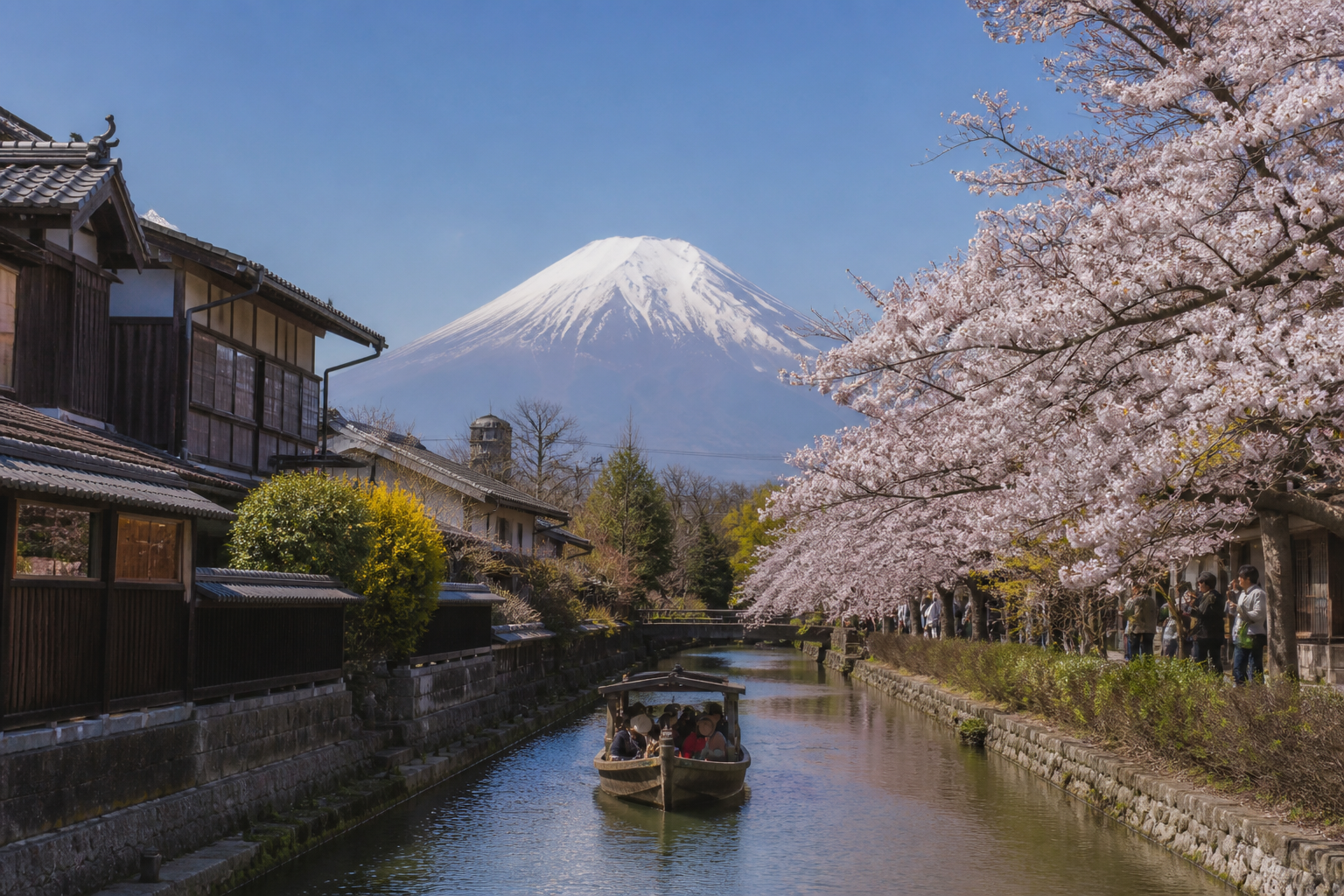
If you are traveling in **late winter or early spring**, expect cool mornings, chilly evenings, and unpredictable rain. Tokyo and Kyoto are usually more comfortable than truly cold, while northern Japan can still feel wintry. Cherry blossoms may begin appearing in southern areas before Tokyo and Kyoto, but bloom dates shift every year.
My favorite times to visit are:
– **Late March to April:** Cherry blossoms, though prices and crowds rise sharply.
– **Late May:** Warm days, fewer tourists, and comfortable sightseeing.
– **October to November:** Crisp weather and beautiful autumn colors.
– **January to February:** Quieter cities, good prices, and excellent skiing in northern Japan.
Summer is lively but humid. If you dislike heat, I would avoid July and August unless you are heading to Hokkaido or the mountains.
## Must-See Spots: My Top Picks
### 1. Tokyo: Go Past Shibuya Crossing
Shibuya Crossing is fun once, especially at night, but Tokyo becomes much more interesting when you leave the main shopping streets.
I like spending a morning in **Yanaka**, where small homes, old temples, cats, and family-run shops create a much slower mood. From there, you can walk toward Ueno, stopping for snacks and coffee along the way. **Kiyosumi-Shirakawa** is another favorite for independent cafés and quiet streets.
For a classic Tokyo evening, head to **Omoide Yokocho** near Shinjuku for tiny yakitori restaurants. The seating can be cramped, and some places have English menus, but that is part of the experience. Go early if you want a table without waiting.
**Practical tip:** Tokyo is enormous. Pick one or two neighborhoods each day instead of trying to cover the whole city. You will spend less time underground and more time actually enjoying the streets.
### 2. Kyoto: Start Early and Wander After Dark
Kyoto’s famous temples are beautiful, but they are not peaceful at midday. I once arrived at Fushimi Inari late in the morning and spent more time avoiding selfie sticks than looking at the vermilion gates.
Go early—around 7 a.m. is ideal—or visit later in the afternoon. The upper paths become quieter as you climb. **Higashiyama** is lovely before breakfast, while **Philosopher’s Path** is best when you are not rushing toward the next landmark.
For a calmer side of Kyoto, visit **Ohara**, **Kurama**, or the northern temples around **Takao**. These areas take longer to reach but feel far removed from the crowds.
In the evening, I prefer walking around **Gion and Shirakawa Lane** without expecting to see geisha. Please do not follow or photograph people without permission. Kyoto is a living city, not a theme park.
### 3. Osaka: Eat Well and Keep Your Plans Loose
Osaka is less formal than Tokyo and more relaxed than Kyoto. It is the city where I would happily cancel a sightseeing plan just to eat another plate of takoyaki.
Spend an evening in **Dotonbori**, but do not stay only on the main canal. Walk toward **Hozenji Yokocho**, a small lantern-lit alley with traditional restaurants and a moss-covered statue at Hozenji Temple.
I also enjoy **Shinsekai**, especially around lunchtime, for kushikatsu—fried skewers served with strict “no double dipping” rules. The neighborhood has a slightly faded, old-school character that feels different from polished central Osaka.
If you have another day, take the train to **Minoh** for an easy nature walk and a waterfall. It is a pleasant break from neon signs and packed shopping arcades.
### 4. Nara: More Than Deer Photos
Nara is easy to visit from Kyoto or Osaka, but many people rush through it in half a day. I suggest arriving early and walking beyond the first deer-filled paths around Todai-ji.
The deer are charming, but they are also persistent. Buy only a small stack of crackers, keep paper and food tucked away, and bow after feeding them if you want to play along with the local custom.
After visiting Todai-ji, walk toward **Kasuga Taisha** and the forest trails. The stone lanterns, moss, and filtered light make this one of the most atmospheric walks in the region. Stop for kakinoha-zushi or a simple noodle lunch before heading back.
## Practical Travel Advice
### Getting There & Visa
Tokyo’s **Narita and Haneda airports** serve the largest number of international routes. Haneda is much more convenient for central Tokyo, while Narita often has more competitive long-haul fares.
For Kansai, use **Kansai International Airport**, which connects easily to Osaka, Kyoto, and Kobe by train.
For travelers holding a **mainland Chinese passport**, Japan generally requires a visa arranged before arrival. The application process, documents, financial requirements, and whether you can apply individually or through an approved agency may depend on your place of residence and the type of visa. Check the Japanese embassy or consulate and your airline before booking nonrefundable tickets.
Visa-free rules differ for Hong Kong, Macau, Taiwan, and other passports, so do not assume that rules applying to one Chinese traveler apply to everyone.
When searching for flights, compare:
– Tokyo and Osaka as separate arrival airports
– Open-jaw tickets, such as flying into Tokyo and out of Osaka
– Midweek departures
– Nearby airports in your home country
– Train costs before deciding whether a domestic flight is cheaper
### Where to Stay
**Tokyo**
– **Ueno:** Good value, convenient trains, and easy access to museums and markets.
– **Asakusa:** Traditional atmosphere, quieter evenings, and good choices for first-time visitors.
– **Shinjuku:** Best for nightlife, restaurants, and transport connections.
– **Shibuya:** Stylish and energetic, though usually more expensive.
**Kyoto**
– **Near Kyoto Station:** Practical for day trips and luggage, with plenty of affordable hotels.
– **Downtown Kawaramachi:** Better for restaurants, shopping, and evening walks.
– **Gion/Higashiyama:** Beautiful and atmospheric, but prices can be high.
– **Arashiyama:** Peaceful early in the morning, though inconvenient if you plan to explore other parts of Kyoto every day.
**Osaka**
– **Namba:** My favorite base for food, nightlife, and easy access to Dotonbori.
– **Umeda:** Better for major train connections and modern shopping.
– **Tennoji:** Often more affordable and still well connected.
Book well ahead for cherry blossom season, autumn weekends, and public holidays. Business hotels are usually small but clean and efficient; look for rooms near a train station rather than chasing the cheapest possible rate far outside the center.
### Getting Around
Japan’s trains are the easiest way to travel between major cities. Within Tokyo, Osaka, and Kyoto, use an **IC card** such as Suica, PASMO, or ICOCA where available. These cards work on most local trains, subways, and buses, though you may still need a separate ticket for some long-distance routes.
A few realities that surprised me:
– Kyoto buses can become painfully crowded. Trains or walking are often better.
– Tokyo stations are huge. Allow extra time when changing lines.
– A nationwide rail pass is not automatically good value anymore. Price out individual tickets first.
– Taxis are clean and reliable but expensive. Use **GO** or **JapanTaxi** where available. Uber operates in Japan, but coverage is more limited than in many other countries.
– Large stations often have lockers, which are extremely useful when moving between hotels.
## Real Costs & Local Tips
Japan’s weak yen can make the trip feel more affordable than it did a few years ago, but accommodation in major cities still adds up.
### Daily budget per person
**Budget: ¥8,000–¥12,000**
– Hostel or simple business hotel: ¥3,500–¥6,500
– Casual meals and convenience-store breakfasts: ¥2,500–¥4,000
– Local transport and small entry fees: ¥1,500–¥2,500
**Mid-range: ¥18,000–¥30,000**
– Comfortable hotel: ¥10,000–¥18,000
– Restaurant meals, cafés, and snacks: ¥5,000–¥8,000
– Transport and attractions: ¥3,000–¥5,000
These figures exclude international flights, shopping, major theme parks, and long-distance bullet train journeys.
Japan uses the **yen**. Cards are widely accepted in hotels, department stores, and chain restaurants, but smaller restaurants, rural shops, and temple areas may still prefer cash. I usually carry ¥10,000–¥20,000 as a backup.
Tipping is not expected. In fact, leaving money on the table can cause confusion. Just pay the bill, say thank you, and return your tray or dishes when the restaurant asks you to.
### A Few Ways to Save Money and Avoid Hassles
– **Use convenience stores wisely.** 7-Eleven, Lawson, and FamilyMart offer decent rice balls, sandwiches, salads, fruit, and hot meals for very little. They are perfect for breakfast before an early temple visit.
– **Eat lunch instead of dinner.** Many restaurants offer set menus at lunchtime that cost much less than evening meals.
– **Buy snacks at supermarkets.** Department-store food halls are beautiful, but neighborhood supermarkets are cheaper for fruit, drinks, desserts, and picnic supplies.
– **Avoid the busiest train times.** Tokyo trains are most uncomfortable around 7:30–9:30 a.m. and 5–7 p.m. If possible, start sightseeing after the morning rush.
– **Reserve popular restaurants carefully.** Some small restaurants require reservations or have limited seating. Do not assume you can walk in at 8 p.m. and find a table.
– **Be cautious with oversized luggage.** Traveling with a large suitcase through Tokyo stations is exhausting. Many hotels can forward luggage to your next accommodation for a fee, or you can use station lockers.
Japan may no longer be one of the top ten choices for Chinese holidaymakers, but that does not make it less rewarding. It simply means the country is being judged alongside more destinations than before. If you travel with realistic expectations, avoid trying to see everything, and leave room for ordinary neighborhood moments, Japan still delivers a trip that feels memorable long after the last train ride home.
KEYWORDS: Japan travel, Tokyo streets