
# The Grocery Store Is My New Favorite Travel Destination
I used to think grocery shopping was the chore you squeezed in between sightseeing and dinner. Then I started visiting supermarkets abroad, and the whole idea changed. A grocery store can tell you more about everyday life than a postcard ever will: what people eat for breakfast, which fruit is in season, how families shop, and what flavors locals take for granted.
I now make a supermarket visit one of my first stops in a new city. It is inexpensive, indoors, easy to explore at your own pace, and full of small surprises.
## The Vibe & When to Go
A grocery store has a different mood depending on the hour. Early morning is quiet, with bakers bringing out warm bread and regular shoppers moving efficiently through the aisles. Late afternoon is livelier, especially near the prepared-food counters, where people pick up dinner on the way home.
Season changes the experience, too. In spring, look for delicate greens and bright berries. Summer brings overflowing fruit displays, cold drinks, and picnic food. Autumn is all about squash, mushrooms, apples, and baked treats. In winter, the store becomes a warm refuge filled with soups, pastries, preserved foods, and holiday specialties.
The best time to go is usually between 9:30 and 11:30 a.m. or after the evening rush. You will have room to browse without blocking someone’s shopping cart. Bring a reusable bag, a little patience, and no strict plan.
## Must-See Spots: My Favorite Parts of the Store
### 1. The bakery and fresh bread counter
This is usually my first stop. Even a modest neighborhood store can have something memorable: crusty rolls, sweet buns, filled pastries, or flatbread still warm from the oven.
I like buying one unfamiliar item and eating it outside on a bench. Ask the staff what is popular if there is no English label. Pointing, smiling, and using a translation app usually works fine.
**Small tip:** Go in the morning for the freshest selection. By evening, the most popular pastries may already be gone.
### 2. The produce aisle
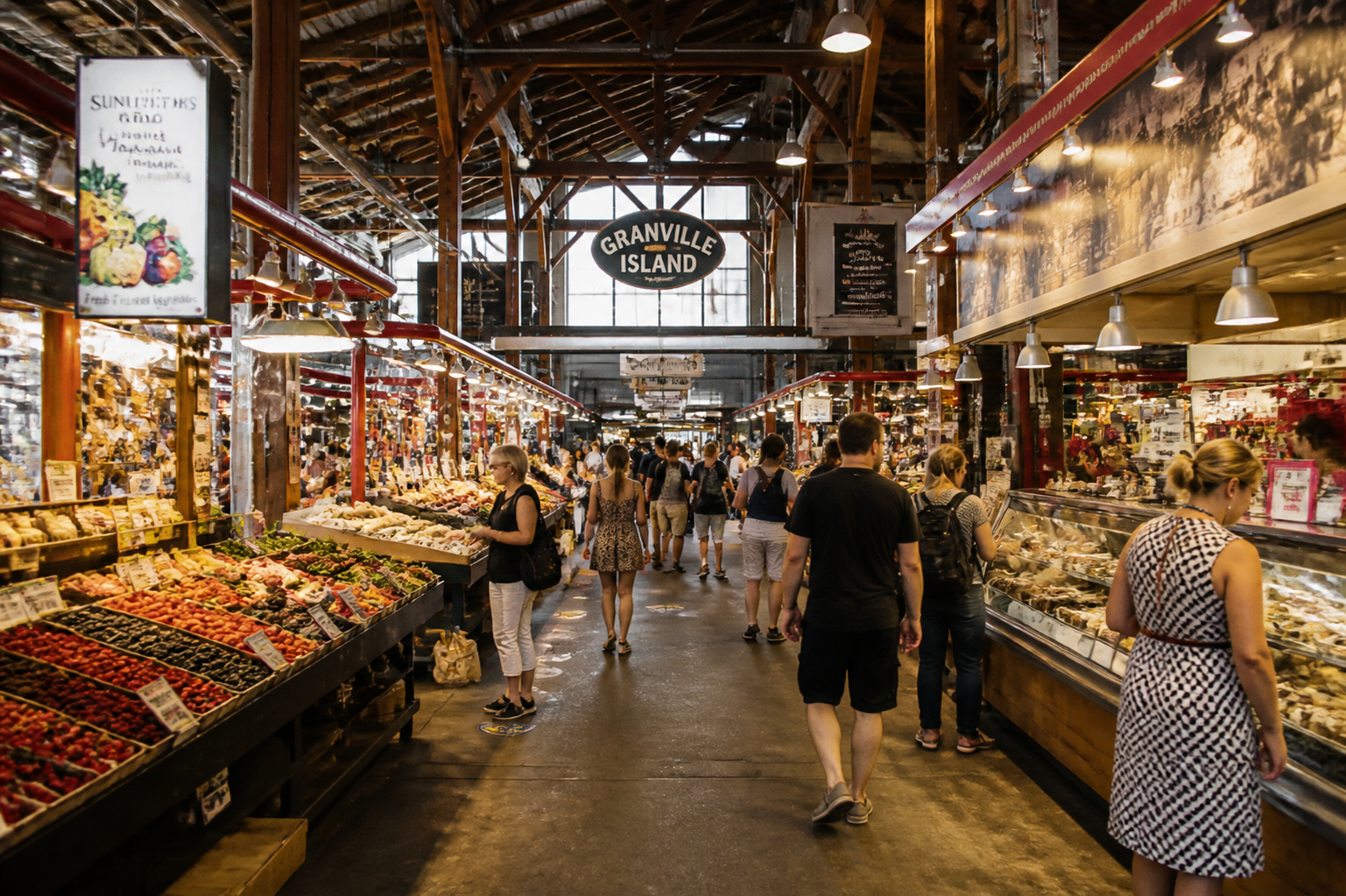
The fruit and vegetable section is where I get the clearest sense of a place. Look for produce you do not usually see at home, unusual varieties of familiar foods, and displays built around the current season.
Do not rush through this section. I have found local citrus, tiny bananas, wild mushrooms, pickled vegetables, and herbs I could not identify simply by wandering slowly and reading labels.
In many countries, you are expected to weigh and label your own produce. If you are unsure, watch another shopper or ask for help before reaching the checkout.
### 3. The deli, hot-food counter, or prepared-meal section
This is the grocery-store answer to a casual local restaurant. You may find roasted meats, salads, noodles, dumplings, sandwiches, rice dishes, or regional snacks ready to take away.
I often choose two or three small portions instead of one large meal. It gives me a chance to try different flavors without spending much. Some stores have seating, while others expect you to take the food home or eat it outdoors.
Be aware that prepared food may be priced by weight. Check the sign or ask how the total is calculated before filling a container.
### 4. The local specialty aisle
This is where I search for the edible souvenirs I actually want to bring home. Look for regional chocolate, spice blends, biscuits, jams, canned seafood, tea, coffee, sauces, and packaged sweets.
The lower shelves are often more interesting than the eye-level displays. They may hold inexpensive local brands instead of products aimed at tourists. Just check customs rules before packing meat, fresh produce, dairy, or homemade-looking items in your luggage.
## Practical Travel Advice
### Getting there and visa requirements
You do not need a visa to enter a grocery store. If you are visiting one abroad, your visa and entry requirements depend on the country, your passport, and the length of your stay.
Before booking a flight, check:
– Whether your passport needs a visa or an electronic travel authorization
– How many months of passport validity are required
– Whether proof of onward travel or accommodation is requested
– Your airline’s baggage rules, especially if you plan to bring food home
For flights, I usually choose an arrival time that lets me reach a supermarket before dinner. It is a simple way to buy breakfast, water, snacks, and a few affordable meals without relying on airport food.
### Where to stay
Your neighborhood can shape the grocery experience.
– **Residential districts:** Best for small markets, bakeries, family-run shops, and ordinary daily life
– **Central areas:** Convenient for combining supermarkets with museums and major sights, though prices can be higher
– **Near a train or metro station:** Useful if you want to visit a large hypermarket outside the center
– **Apartment neighborhoods:** Ideal if you have a kitchen and want to cook with local ingredients
– **Food-focused districts:** Great for comparing supermarkets, specialty stores, and produce markets on foot
I prefer staying somewhere with a small grocery store within a five-minute walk. It becomes part of the trip rather than a special excursion.
### Getting around
Many neighborhood grocery stores are easy to reach on foot. For larger supermarkets, use the local metro, bus, or tram system. Search the store name in your map app before leaving; some branches are tiny convenience markets, while others have full bakeries, delis, and household sections.
Local rideshare apps can help when you are carrying several bags. In some places, the main app is not Uber, so check which service locals use before arriving.
If you take public transportation, bring a backpack or foldable tote. Carrying several flimsy plastic bags across a station is less fun than it sounds.
## Real Costs & Local Tips
Prices vary widely by country, but grocery-store travel is usually friendly to a small budget.
### A realistic daily food budget
**Budget traveler: around US$12–25 per person**
– Bread or pastry for breakfast
– Fruit and yogurt
– A prepared meal or sandwich
– Snacks and drinks
– One inexpensive local specialty
**Mid-range traveler: around US$30–60 per person**
– Fresh breakfast ingredients
– A better prepared meal
– Cheese, deli items, or regional specialties
– Coffee, dessert, and drinks
– Ingredients for one simple dinner
If you are staying in an apartment, you can eat well for less. A loaf of bread, local cheese, tomatoes, fruit, eggs, and something prepared from the deli can make a relaxed dinner without restaurant prices.
### Currency and tipping
Pay in the local currency whenever possible. Card payments are common in larger stores, but small markets may prefer cash or have a minimum card purchase.
Grocery-store workers generally do not expect tips. At a staffed deli counter, a tip is usually unnecessary unless the country has a specific service custom. If the store has a café or table service, follow the local practice shown on the bill.
### A few tricks that save money and confusion
– **Shop where locals shop.** Stores beside major landmarks often charge more and carry fewer interesting local products.
– **Check the unit price.** A larger package is not always cheaper.
– **Look at the weekly promotions.** Discount stickers may be placed on items close to their sell-by date, which can be perfect if you plan to eat them that day.
– **Bring your own bag.** Many stores charge for bags, and some expect you to pack your own groceries quickly.
– **Use translation tools for labels.** Pay attention to words for raw, cooked, spicy, sweet, frozen, and alcohol.
– **Avoid buying too much on your first visit.** I have learned this after carrying jars, drinks, and mystery snacks through three train stations.
– **Keep cold food cold.** If you are traveling for more than an hour, choose shelf-stable items or bring a small insulated bag.
The grocery store will not replace the famous sights, but it adds something they cannot: a glimpse of how people actually live. My favorite travel memories are often small ones—a cashier patiently explaining a deposit system, a new kind of pastry eaten on a sunny curb, or a crowded deli where everyone seems to know exactly what to order.
Sometimes the most revealing stop in a new place is simply the one with automatic doors and a basket by the entrance.
KEYWORDS: grocery store supermarket