
# Planning a U.S. Trip in 2026: Where Canadian Travelers Are Going, What It Costs, and How to Spend Wisely
The United States is entering 2026 with a noticeably different travel mood. Canadians are still crossing the border, flying south, and booking American cities—but many are comparing prices more carefully, watching the exchange rate, and choosing shorter trips or different states than they did a few years ago.
That shift matters because the U.S. is not one single travel market. A weekend in Seattle feels completely different from a beach week in Florida, and your budget can change dramatically once hotel taxes, parking, resort fees, and restaurant tips are added.
I’ve found the best way to approach the U.S. in 2026 is to choose one region rather than trying to “do America” in a single trip. Here are the places I’d put at the top of the list, along with realistic costs and a few lessons that saved me money.
## The Vibe and When to Go
The U.S. feels busy, varied, and a little unpredictable right now. Some cities are packed with events, concerts, sports, and conventions, while smaller towns are actively trying to attract visitors with lower hotel prices and local festivals.
For Canadian travelers, the exchange rate remains one of the biggest practical concerns. Prices listed in U.S. dollars can look manageable until you add tax, a tip, parking, and the conversion fee on your credit card. I always build in an extra 20 to 30 percent for those costs.
**The best time to visit depends on the region:**
– **March to May:** Excellent for California, the Southwest, Texas, Georgia, and the Carolinas. Florida is warm, though spring-break prices can be high.
– **June to August:** Ideal for national parks, the Pacific Northwest, New England, and the Great Lakes. Expect heat and crowds in many southern states.
– **September to October:** My favorite period for New York, New England, California, Washington, and the Rocky Mountain states.
– **November to February:** A good time for Florida, Arizona, Nevada, Southern California, and Texas. Northern cities can be cold but often offer better hotel deals.
The 2026 FIFA World Cup will also bring major crowds to host cities across the U.S., including New York and New Jersey, Los Angeles, Seattle, Miami, Dallas, Houston, Atlanta, Boston, Philadelphia, Kansas City, and the San Francisco Bay Area. If your plans overlap with tournament dates, book accommodation and transport far earlier than usual.
## My Top U.S. Picks for 2026
### 1. New York City and the Hudson Valley
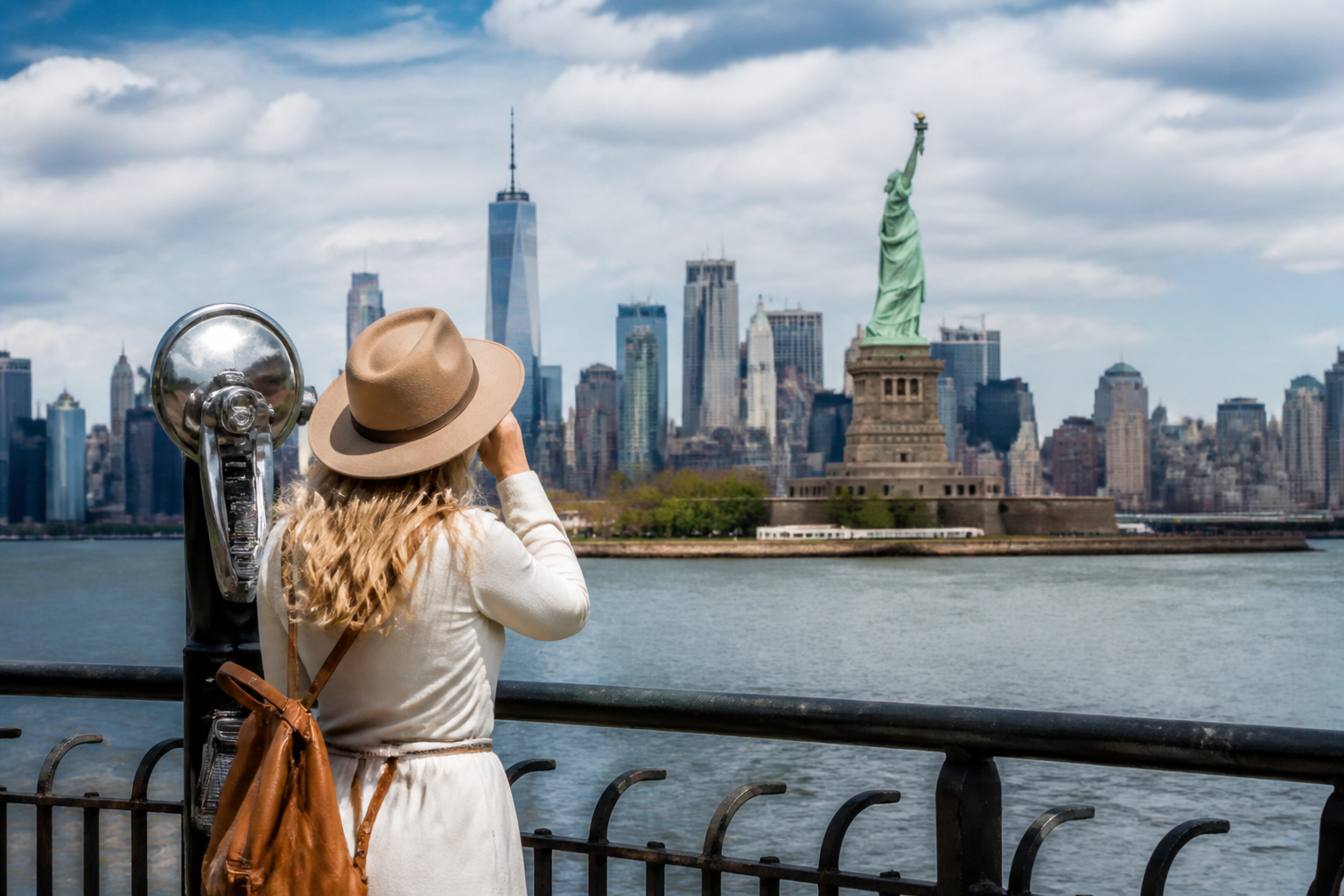
New York remains expensive, but it is still one of the easiest U.S. destinations for Canadians to enjoy without renting a car. I love starting in Manhattan, then escaping north for a quieter few days in the Hudson Valley.
Instead of spending all your time around Times Square, walk the West Village early in the morning, browse the food stalls at Chelsea Market, and take the subway to Queens for better-value restaurants. The High Line is pleasant, but I prefer pairing it with a wander through Little Island and the quieter streets of the Meatpacking District.
For a change of pace, take Metro-North from Grand Central to Beacon. You’ll find galleries, small cafés, river views, and a much slower rhythm than downtown Manhattan.
**Practical note:** Hotel rates jump sharply during conventions, holidays, and major sporting events. Staying in Long Island City, Downtown Brooklyn, or Jersey City can save money while keeping you close to Manhattan by subway or PATH train.
### 2. California: San Diego, Los Angeles, and the Central Coast
California still delivers the classic road-trip experience, but I would not try to cover the whole state in one week. San Diego is relaxed and easy to enjoy, Los Angeles is sprawling but rewarding, and the Central Coast offers a calmer, more scenic drive.
In San Diego, I like Balboa Park in the late afternoon, when the heat softens and the museums are less hectic. La Jolla is beautiful, though you can avoid paying for every attraction by walking the coastal paths and watching the sea lions from public viewpoints.
Los Angeles takes patience. Group activities by neighborhood instead of crossing the city several times a day. Spend one day around Griffith Observatory and Los Feliz, another in Santa Monica and Venice, and another in Koreatown or Silver Lake. Traffic can turn a short drive into an hour, so I plan fewer stops and enjoy them properly.
If you have time, drive north along Highway 1 or take the quieter inland route through the Santa Ynez Valley. Small towns along the Central Coast often offer better lodging value than the major beach cities.
**Practical note:** A rental car is useful in California, but check whether your hotel charges for parking. In Los Angeles, that fee can quietly add hundreds of dollars to a week.
### 3. Florida Beyond the Theme Parks
Florida is still popular with Canadian visitors, but there is more to the state than Orlando and Miami. If you want beaches, food, and a less frantic pace, I’d consider St. Petersburg, Sarasota, or the Florida Keys.
St. Petersburg has a friendly downtown, waterfront parks, and a growing art scene. Sarasota is a good base for beach days at Siesta Key, though winter weekends can be busy. In the Keys, drive slowly and allow more time than your map suggests. The journey is part of the experience, especially around the bridges and small roadside seafood stops.
Miami is livelier and more expensive. I prefer staying in Coconut Grove or Coral Gables rather than directly on South Beach. You can still reach the ocean easily, but you get better restaurants, quieter evenings, and less of the party-club atmosphere.
**Practical note:** Florida hotel prices rise during the Canadian winter, March break, and major cruise periods. Late spring and early fall can bring better rates, although hurricane-season weather requires flexibility.
### 4. Seattle, Portland, and the Pacific Northwest
The Pacific Northwest is one of my favorite choices for travelers who want good coffee, green scenery, bookstores, markets, and a more relaxed city break. Seattle is compact enough to explore without a car for several days, while Portland rewards people who enjoy wandering without a strict itinerary.
In Seattle, visit Pike Place Market early, before the cruise crowds arrive. Then walk toward the waterfront and Pioneer Square. I also like taking the ferry to Bainbridge Island for a simple day away from the city.
Portland is best experienced by neighborhood. Spend time around Alberta Arts District, Hawthorne, or Mississippi Avenue instead of staying only downtown. Food carts make it easier to eat well without spending restaurant prices every night.
The weather can be gray and wet, especially outside summer, but that is part of the region’s character. Pack a waterproof jacket rather than relying on a small umbrella.
**Practical note:** If you want to visit Olympic National Park, Mount Rainier, or the Oregon Coast, rent a car only for those days. Keeping the vehicle parked in the city can cost more than the rental itself.
## Practical Travel Advice
### Getting There and Visa Rules
For most Canadian citizens visiting the United States for tourism, a visa is not required for a normal short visit. You’ll need a valid passport or another accepted travel document, and the final decision is made by U.S. border officials.
Canadian permanent residents should check the rules based on their citizenship, not simply their Canadian residency status. Some travelers need a visitor visa, while citizens of Visa Waiver Program countries generally need an approved ESTA before flying to the U.S.
At the land border, carry a clear explanation of where you are going, how long you’ll stay, and where you’ll sleep. If you’re driving, make sure your car insurance covers the United States and keep the rental or registration documents handy.
For flights, compare nearby airports. A Canadian departure from Vancouver, Toronto, Calgary, Montreal, or Ottawa may be convenient, but sometimes a short trip to a different airport offers a much better fare. Be careful with ultra-low fares that charge separately for seat selection, carry-on bags, and changes.
### Where to Stay
Choose your neighborhood before choosing your hotel. It makes a bigger difference than the hotel’s star rating.
– **New York:** Long Island City, Downtown Brooklyn, Jersey City, or the Upper West Side.
– **Los Angeles:** West Hollywood, Los Feliz, Santa Monica, or Koreatown, depending on your plans.
– **San Diego:** Little Italy for restaurants, Mission Beach for the ocean, or North Park for nightlife and local bars.
– **Miami:** Coconut Grove, Coral Gables, or Mid-Beach for a calmer stay.
– **Seattle:** Capitol Hill, Belltown, or Pioneer Square, with the usual city-center safety awareness.
– **Portland:** Pearl District for convenience, Alberta for a neighborhood feel, or Hawthorne for cafés and bars.
Always check the final booking total. Resort fees, destination fees, parking, and local taxes may not appear in the first price you see.
### Getting Around
Public transit works well in New York, Seattle, Boston, Chicago, Washington, D.C., and parts of San Francisco. Los Angeles has improved rail service, but you’ll still need to plan carefully around its size.
Uber and Lyft are widely available. In some cities, taxis are still useful, especially from airports or during large events when rideshare prices surge.
For road trips, download offline maps and avoid assuming every scenic route has reliable phone service. I also recommend filling the gas tank before entering national parks or remote areas. Fuel stations can be surprisingly far apart.
## Realistic Daily Costs
These are rough per-person estimates in **U.S. dollars**, excluding international flights.
### Budget travel: about $90–$160 per day
This usually means:
– Hostel or basic shared accommodation
– Public transit or occasional rideshare
– Grocery breakfasts and inexpensive lunches
– One paid attraction every couple of days
– Limited alcohol and no rental car
New York, San Francisco, Miami, and Los Angeles can be difficult at this level unless you share a room or stay outside the central areas.
### Mid-range travel: about $220–$400 per day
This generally covers:
– A share of a comfortable hotel room
– Casual restaurants and one nicer meal
– Public transport plus occasional rideshare
– Museum tickets, tours, or other attractions
– A rental car in regions where one is needed
In high-demand cities or during World Cup events, that figure can rise quickly. For two people sharing a room and car, the cost per person becomes more manageable.
### Currency and tipping
Prices are in U.S. dollars, and Canadian credit cards are accepted in most tourist areas. I use a card with no foreign-transaction fee whenever possible and decline dynamic currency conversion when a machine asks whether I want to pay in Canadian dollars.
Tipping is customary:
– **Restaurants:** 18–22 percent before or around the tax, depending on service
– **Bars:** About $1–2 per drink, or 18–20 percent on a tab
– **Rideshares:** Optional but appreciated, often 10–20 percent
– **Hotel housekeeping:** Around $2–5 per night
– **Cafés:** A small tip is fine, but you are not required to tip heavily for a simple takeaway order
Check the bill before adding anything. Some restaurants include a service charge, especially in large cities or for big groups.
## My Best Money-Saving Tricks
– **Stay just outside the main tourist zone.** A short subway ride can save far more than squeezing every dollar out of meals.
– **Book hotels with kitchens or free breakfast.** Even one simple breakfast in the room can make a noticeable difference.
– **Check city passes carefully.** They can be useful if you plan several major attractions, but they are poor value if you only want one or two.
– **Avoid airport car rentals when possible.** Airport concession fees often make the same car more expensive than picking it up in the city.
– **Use free museum days and public parks.** Many museums have discounted evenings, and cities such as New York, Chicago, and Los Angeles offer excellent free outdoor attractions.
– **Watch event calendars.** A convention, playoff game, concert, or festival can double hotel prices even when the city itself does not feel especially crowded.
The main Canadian travel shift for 2026 is not that people have stopped visiting the U.S. It is that many are traveling with more intention. They are choosing shorter routes, comparing states, staying outside the most expensive districts, and making sure every day feels worth the exchange rate.
That approach suits the United States perfectly. Pick one region, leave room for an unplanned neighborhood walk or roadside stop, and keep a little extra money aside for the costs that never show up in the first booking price.
KEYWORDS: United States travel