
# Armenia’s Next Chapter: Yerevan Cafés, Ancient Monasteries, and the Best Reasons to Visit Now
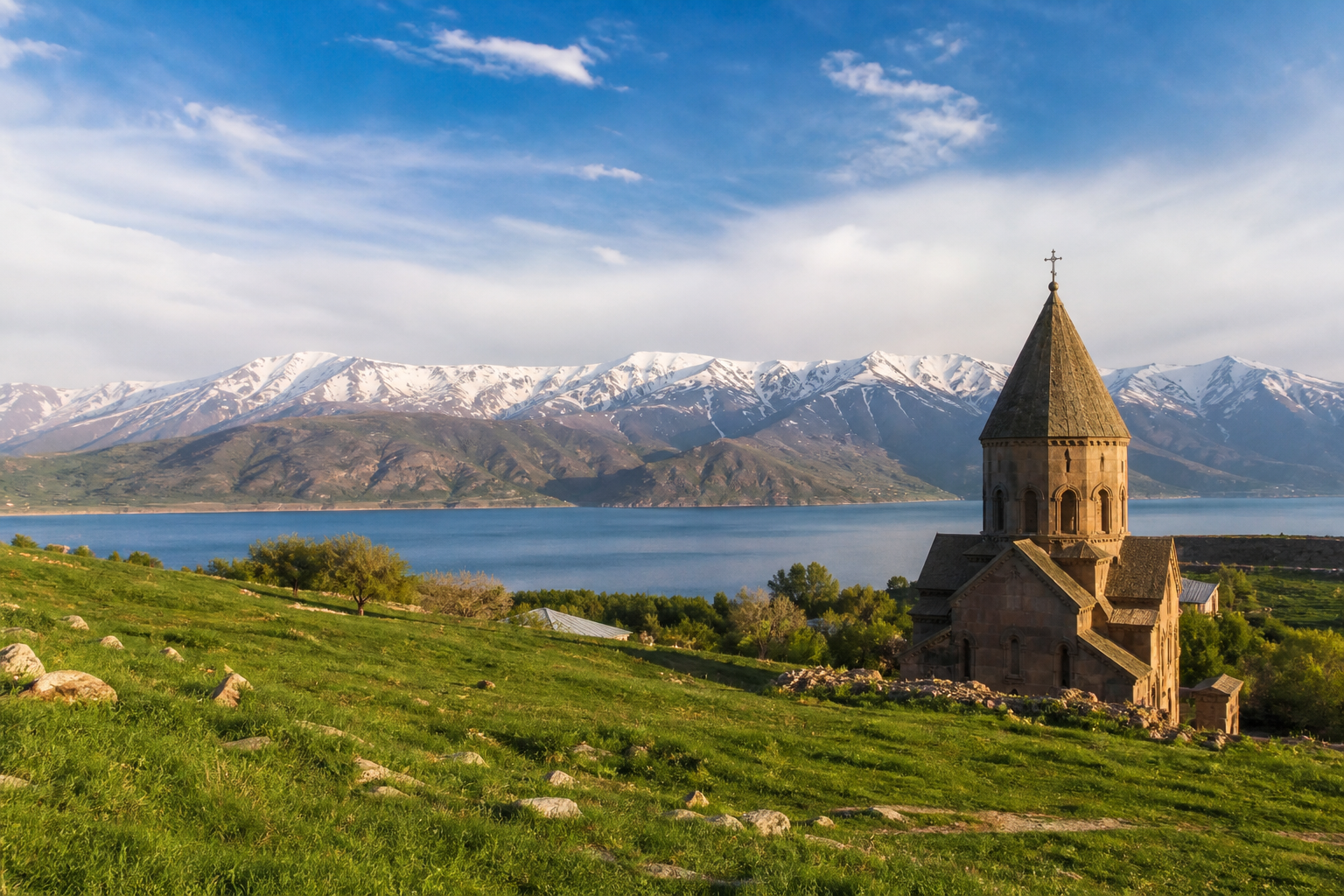
Armenia feels like a country standing between memory and motion. In Yerevan, old stone buildings sit beside lively wine bars and coffee shops; outside the capital, roads lead quickly into dry mountain landscapes, green forests, and monasteries that seem to belong to another century.
With **Anushik Avetyan taking the lead in Armenia’s Tourism Committee**, the country is looking toward a new chapter in how it welcomes visitors and presents its culture. That makes this a particularly interesting time to go—not because Armenia suddenly needs a glossy makeover, but because its strongest appeal has always been its honesty, hospitality, food, and remarkable sense of history.
## The Vibe & When to Go
Yerevan is relaxed, social, and pleasantly unhurried. People spend long evenings at outdoor cafés, families gather around restaurant tables, and the city center is easy to explore on foot. There is a slightly pink glow to many of the buildings, thanks to the local volcanic stone, and Mount Ararat often appears in the distance when the weather is clear.
The most comfortable travel seasons are:
– **April to June:** Mild days, blooming landscapes, and excellent conditions for exploring monasteries and hiking trails.
– **September to October:** Warm afternoons, cooler evenings, autumn color, and grape harvest season.
– **July and August:** Hot in Yerevan, especially around midday, though mountain areas are more comfortable.
– **Winter:** Cold and sometimes snowy, but good for skiing near Tsaghkadzor and enjoying a quieter Yerevan.
If you are visiting during the warmer months, plan outdoor sightseeing for the morning or late afternoon. The sunlight can be surprisingly strong, even when the air feels cool.
## Must-See Spots: My Top Picks
### 1. Yerevan’s Cascade and the Cafés Around It
The Cascade is one of the first places I recommend in Yerevan. It is part giant outdoor staircase, part art space, and part city lookout. Inside, the Cafesjian Center for the Arts displays contemporary works, while the steps themselves are filled with sculptures and people taking an evening walk.
Climb higher for a broad view over the city. On a clear day, Mount Ararat rises beyond the rooftops, although clouds often hide it. I like visiting near sunset, then wandering down toward Saryan Street for wine and a simple dinner.
**Small tip:** The Cascade looks close on a map, but the climb is steep. Take your time, especially in summer.
### 2. Garni Temple and the Symphony of Stones
Garni Temple is probably Armenia’s most recognizable ancient site, and it deserves the attention. The first-century pagan temple stands above a dramatic gorge, with mountains spreading out in every direction.
What made the visit especially memorable for me was the walk down to the **Symphony of Stones**, a gorge lined with tall basalt columns. It is quieter than the temple area and feels much more rugged. Wear proper shoes—the path can be uneven and slippery.
Many day tours combine Garni with Geghard Monastery. That is convenient, but if you can arrange a private driver or start early, you will have a better chance of seeing both places before the larger groups arrive.
### 3. Geghard Monastery
Geghard is carved partly into a mountainside, and the dark stone chambers have a calm, almost hushed atmosphere. Light enters through small openings in the rock, making the interior feel intimate rather than grand.
This is a place to slow down. I would not rush in, take a few photos, and leave. Sit quietly for a few minutes and listen to the acoustics when the monastery is empty.
Dress respectfully: shoulders and knees should be covered. A scarf is useful for women, and visitors should keep voices low inside the chapel.
### 4. Dilijan and Lake Sevan
For a change from Yerevan’s dry, urban energy, head north toward **Dilijan**. The town is surrounded by forested hills and has a cooler, greener feel. The old Sharambeyan Street is tourist-friendly, but the best moments often come from simply walking beyond the main lane and stopping at a small café.
Lake Sevan is another easy addition, especially in summer. Visit Sevanavank for the view, then try local fish at a lakeside restaurant. The lake sits at high altitude, so even sunny days can feel windy and cool.
If you have more time, use Dilijan as a base for short hikes rather than treating it as a quick photo stop.
## Practical Travel Advice
### Getting There and Visa Information
Most international visitors arrive at **Zvartnots International Airport**, about 12 kilometers from central Yerevan. Direct flights are available from several European, Middle Eastern, and regional cities, while travelers from North America often connect through Istanbul, Doha, Dubai, Warsaw, or another major hub.
Visa rules depend on your passport:
– Citizens of many European countries, the United States, Canada, the United Kingdom, Australia, and several others can enter visa-free for a set period.
– Some nationalities can apply for an Armenian e-visa online.
– Others may need to arrange a visa through an Armenian embassy before traveling.
Check the Armenian Ministry of Foreign Affairs website before booking. Your passport should be in good condition and valid for the period required by Armenian immigration authorities. Travel insurance is a sensible idea, particularly if you plan to hike or visit remote regions.
From the airport, you can use an official taxi, arrange a hotel transfer, or book a local ride through an app. Agree on the price before entering a street taxi.
### Where to Stay
**Kentron:** Best for first-time visitors. You will be close to Republic Square, the Cascade, restaurants, museums, and nightlife. It is convenient and walkable, though central hotels can be pricier.
**Saryan Street:** A good choice if wine bars, relaxed evenings, and restaurants matter to you. The area is central but has a more local evening rhythm than Republic Square.
**Arabkir:** Quieter and more residential, with good cafés and easy access to the city center by taxi. This suits longer stays and travelers who prefer a neighborhood feel.
**Near the Opera House:** Attractive for couples and culture lovers, with elegant streets, parks, and plenty of dining options nearby.
Outside Yerevan, Dilijan is the best base for forest walks, while Tsaghkadzor works well for mountain air and winter sports.
### Getting Around
Central Yerevan is very walkable. For longer distances, use the metro, buses, or a ride-hailing app. **GG** is a popular Armenian taxi app, and Yandex Go may also be available depending on current local service.
Taxis are generally affordable, but app bookings make prices clearer. For day trips to Garni, Geghard, Lake Sevan, or Khor Virap, compare the cost of a tour with hiring a driver for the day. A private car can be good value if you are traveling with two or three people.
Intercity marshrutkas—shared minibuses—are cheap and useful, though departure times can be flexible and comfort varies. For remote monasteries and mountain villages, a hired car or organized day trip is often easier.
## Real Costs and Local Tips
Armenia uses the **Armenian dram**, written as AMD. Cards are accepted in most hotels, cafés, and restaurants in Yerevan, but carry cash for markets, small bakeries, rural guesthouses, and local transport.
### Approximate daily budgets
**Budget traveler: 18,000–30,000 AMD per day**
– Hostel or simple guesthouse
– Bakeries, casual cafés, and inexpensive local meals
– Public transport and occasional short taxi rides
– Free sights and self-guided walks
**Mid-range traveler: 45,000–80,000 AMD per day**
– Comfortable hotel or guesthouse
– Restaurant meals and a few glasses of Armenian wine
– Taxi rides or a shared day tour
– Museum entries and occasional guided visits
Prices rise during busy summer weekends and around major festivals. A full-day private driver will add considerably to your budget, but splitting the cost with travel companions can make it reasonable.
Tipping is appreciated but not compulsory. In restaurants, **5–10 percent** is a polite amount when service is good. Some places include a service charge, so check the bill first. You do not need to tip taxi drivers, though rounding up is friendly.
### A Few Ways to Save Money and Travel Better
– **Eat at bakeries and small family restaurants.** Lavash, khorovats, dolma, spas, and fresh salads are often better value than hotel dining.
– **Buy bottled water only when necessary.** Yerevan has many public drinking fountains, called *pulpulaks*, and the water is generally safe to drink.
– **Do not accept the first taxi price at the airport.** Use an app or arrange a transfer in advance.
– **Visit popular sights early.** Garni, Geghard, and Khor Virap are much more peaceful before late-morning tour groups arrive.
– **Carry small dram notes.** They make it easier to pay at cafés, bakeries, minibuses, and rural stalls.
– **Ask whether a menu price includes service.** It avoids awkward surprises when the bill arrives.
Armenia is not a destination I would visit only to tick off monuments. The real pleasure is in the spaces between them: a strong coffee after a long drive, a roadside fruit stand, a conversation with a guesthouse owner, or the sudden view of a mountain appearing through the clouds.
If Anushik Avetyan’s leadership helps more travelers find those quieter, more personal sides of Armenia, the country’s next tourism chapter should be a very good one.
KEYWORDS: Armenia Yerevan