
# Taipei for First-Time US Visitors: Street Food, Mountain Air, and the Best Ways to Explore
Taipei is the kind of city that wins you over in small moments: a hot bowl of beef noodle soup after a rainy walk, a quiet tea shop above the traffic, or the sudden sight of green mountains beyond a row of apartment buildings.
Taiwan is making a bigger push to welcome travelers from the United States, and Taipei feels ready for them. It is easy to navigate, friendly without being overwhelming, and packed with enough food, culture, and day-trip possibilities to fill a week.
## The Vibe & When to Go
Taipei feels lively but rarely frantic. Scooters hum through side streets, temple incense drifts into the evening air, and convenience stores seem to appear exactly when you need a cold drink or a quick breakfast.
If you’re visiting around late winter or spring, expect mild temperatures, often around **60–75°F (16–24°C)**, with plenty of cloudy or rainy days. Taipei’s rain is part of the experience, so pack a small umbrella and shoes that can handle wet sidewalks. Summer is hotter, stickier, and prone to typhoons, while autumn usually brings comfortable weather and clear days.
I especially like Taipei in the cooler months because walking is easier and the night markets feel more inviting. You can eat your way through Raohe or Ningxia without immediately melting in the humidity.
## Must-See Spots: My Top Picks
### 1. Dihua Street and Dadaocheng
Dihua Street is one of my favorite places to begin a Taipei visit. The old shopfronts sell tea, dried fruit, herbs, fabric, and traditional snacks, but the neighborhood is not frozen in the past. Contemporary cafés and small design stores sit alongside century-old businesses.
I like arriving in the morning, when shopkeepers are opening their doors and the street is calmer. Stop for a sesame pastry or cup of tea, then walk toward the Tamsui River at sunset. The nearby Dadaocheng Wharf is a pleasant place to slow down, especially when the sky turns gold.
**Tip:** Don’t rush through the main street. The best discoveries are often in the lanes behind it.
### 2. Taipei 101 and Elephant Mountain
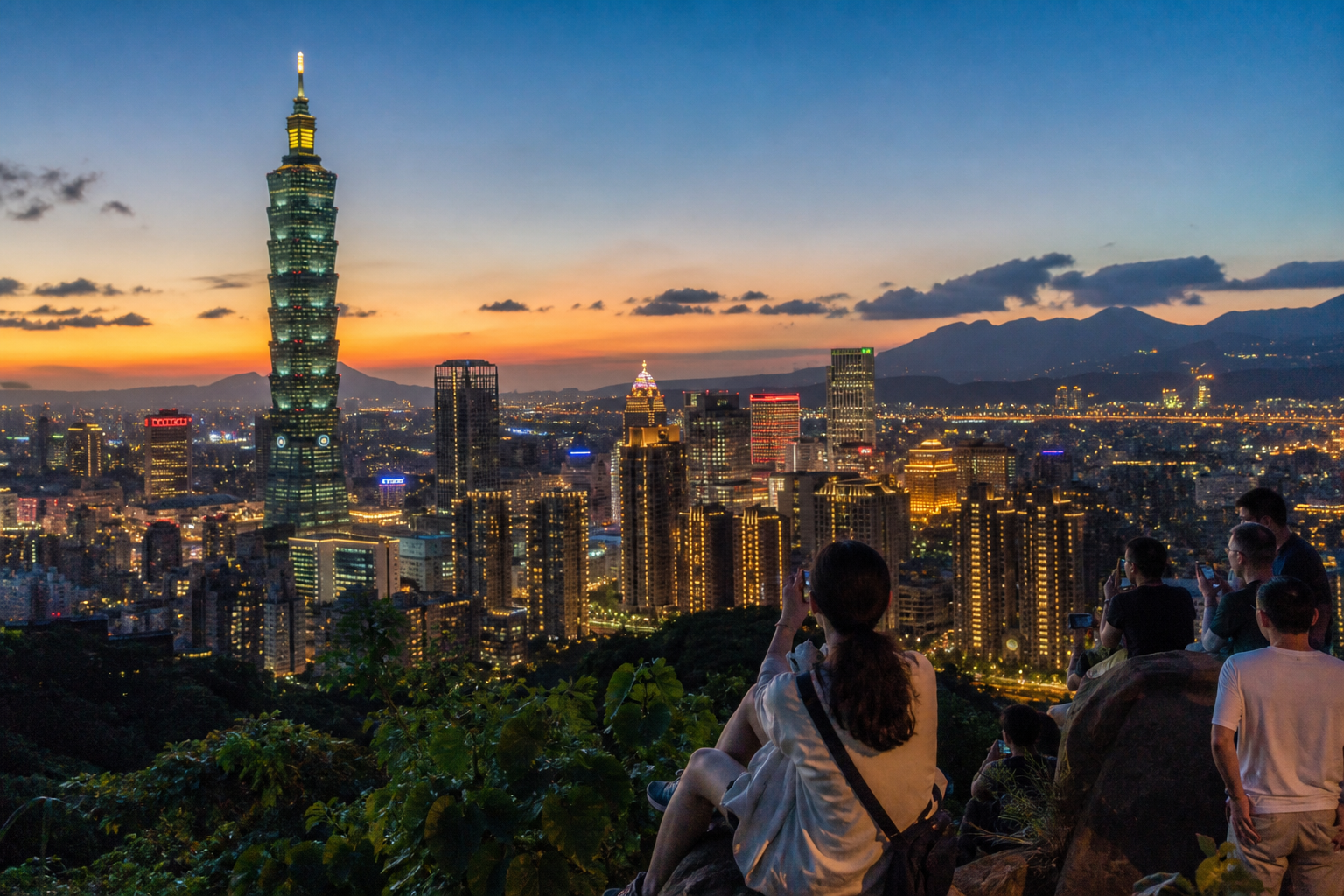
Taipei 101 is the city’s famous landmark, and the observatory gives you a sweeping view over the dense city and surrounding hills. Go close to sunset if you want to see Taipei change from daylight to a sea of lights.
For a cheaper—and more active—view, hike Elephant Mountain. The trail is steep in places but manageable for most reasonably fit travelers. It takes roughly 30–45 minutes to reach the main viewpoints. Wear proper shoes, especially after rain.
I prefer going late in the afternoon, carrying water and a snack, then watching the lights come on below. It can get crowded at the most photographed lookout, so walk a little farther along the trail for quieter spots.
### 3. Beitou Hot Springs
Beitou is an easy escape from central Taipei, reached by the MRT in around 30 minutes. The neighborhood has steaming springs, Japanese-era buildings, leafy paths, and public baths.
You can visit the Beitou Hot Spring Museum, stroll through Beitou Park, and see Thermal Valley, where the sulfurous steam rises from the water. For a proper soak, choose a public bath or reserve a private room at one of the hotels.
**A small warning:** public bath rules vary, and many require swimsuits while others do not. Check before entering, and bring a towel unless the facility provides one.
### 4. Raohe Night Market
Raohe is one of the easiest night markets for a first visit because it is compact and straightforward to walk through. The pepper buns near the entrance are a classic for good reason: crisp outside, juicy and peppery inside.
I usually wander slowly, sharing small portions rather than buying one large meal. Try grilled squid, oyster omelets, scallion pancakes, and fresh fruit drinks. If the crowds feel too intense, Ningxia Night Market is another excellent choice and has a stronger focus on traditional food.
Go hungry, but don’t feel pressured to stop at the first stall. Look for places with a steady local crowd and food being cooked constantly.
## Practical Travel Advice
### Getting There and Visa Information
For US passport holders, Taiwan generally allows **visa-free stays of up to 90 days** for tourism. Your passport should be valid for the required period, and immigration officers may ask for an onward or return ticket. Entry rules can change, so check the official Taiwan immigration or Taipei Economic and Cultural Office website before booking.
Taipei is served by Taiwan Taoyuan International Airport, about 40–60 minutes from the city depending on traffic. The airport MRT is usually the easiest option and takes you directly to Taipei Main Station.
From the US, look for nonstop flights from major cities such as Los Angeles, San Francisco, Seattle, New York, and other large international hubs. EVA Air, China Airlines, STARLUX, Delta, and United commonly serve Taiwan routes, though schedules change seasonally.
**Flight tip:** Taipei is often cheaper when you compare nearby departure airports and avoid major holiday periods. A little flexibility with your dates can save more than choosing a budget airline.
### Where to Stay
– **Ximending:** Best for first-time visitors who want shopping, street food, nightlife, and plenty of affordable hotels.
– **Zhongshan:** A good middle ground with cafés, restaurants, boutiques, and a calmer evening atmosphere.
– **Da’an:** Great for a more residential feel, tree-lined streets, coffee shops, and easy MRT access.
– **Xinyi:** Choose this area if you want modern hotels, Taipei 101 views, shopping malls, and upscale restaurants.
– **Dadaocheng:** Ideal for travelers who enjoy historic streets, traditional food, and a slower neighborhood pace.
I usually recommend staying near an MRT station rather than choosing a hotel based only on its exact neighborhood. Taipei’s transit system makes most areas accessible.
### Getting Around
The MRT is clean, reliable, and easy to use even if you don’t speak Mandarin. Buy an **EasyCard** at the airport, an MRT station, or a convenience store. You can use it on trains, buses, and often for small purchases at convenience stores.
Taipei is also very walkable, but scooters make some roads noisy and busy. Pay attention when crossing side streets, even when you have the signal.
Uber operates in Taipei, and regular taxis are plentiful. For local taxi booking, some travelers use Taiwan taxi apps such as **55688**. Google Maps works well for directions, although restaurant names can sometimes appear in Chinese as well as English.
The YouBike public bike system is useful for short rides, but I would avoid it during heavy rain or on roads with fast traffic.
## Real Costs and Local Tips
Taiwan uses the **New Taiwan dollar (NT$ or TWD)**. Prices below are rough estimates and can shift with exchange rates.
### Daily Budget
**Budget traveler: around NT$1,500–2,500 per day**
Approximately **US$45–75**, excluding flights.
– Hostel or simple guesthouse: NT$700–1,300
– Breakfast or convenience-store meal: NT$60–150
– Night-market meal: NT$150–300
– MRT and buses: NT$100–200
– Free sights and inexpensive attractions
**Mid-range traveler: around NT$3,500–6,500 per day**
Approximately **US$105–195**, excluding flights.
– Comfortable hotel: NT$2,500–4,500
– Restaurant meals and cafés: NT$800–1,500
– Transport, attraction tickets, and occasional taxi rides
– A nicer dinner or hot spring visit
Tipping is not a normal part of everyday life in Taiwan. Restaurants may add a **10% service charge**, so check the bill before leaving extra money. Taxis generally do not require a tip.
### A Few Local Tricks That Help
– **Carry cash:** Night markets, small noodle shops, traditional breakfast places, and some taxis may not accept cards.
– **Use convenience stores:** 7-Eleven and FamilyMart are surprisingly useful for breakfast, drinks, snacks, ATMs, transit cards, and even parcel services.
– **Order small portions:** At night markets, sharing several snacks gives you more variety and helps avoid wasting money on something you do not enjoy.
– **Book popular restaurants ahead:** Taipei’s best small restaurants can fill quickly, especially on weekends. For casual food, follow the local crowd and look for fast turnover.
– **Bring a reusable water bottle:** Many hotels and public buildings have refill stations, and bottled drinks add up quickly.
– **Avoid changing money at every opportunity:** Airport exchange counters are convenient, but ATMs often offer better rates. Check your bank’s foreign transaction fees before traveling.
Taipei does not need much convincing once you arrive. The city makes it easy to spend a morning in a temple, an afternoon in the mountains, and an evening eating dumplings under bright market lights. For US travelers looking for a destination that feels different without being difficult to navigate, Taiwan is a very welcoming place to start.
KEYWORDS: Taipei Taiwan