
# Riyadh Beyond the Headlines: Sights, Street Food, and Honest Travel Tips
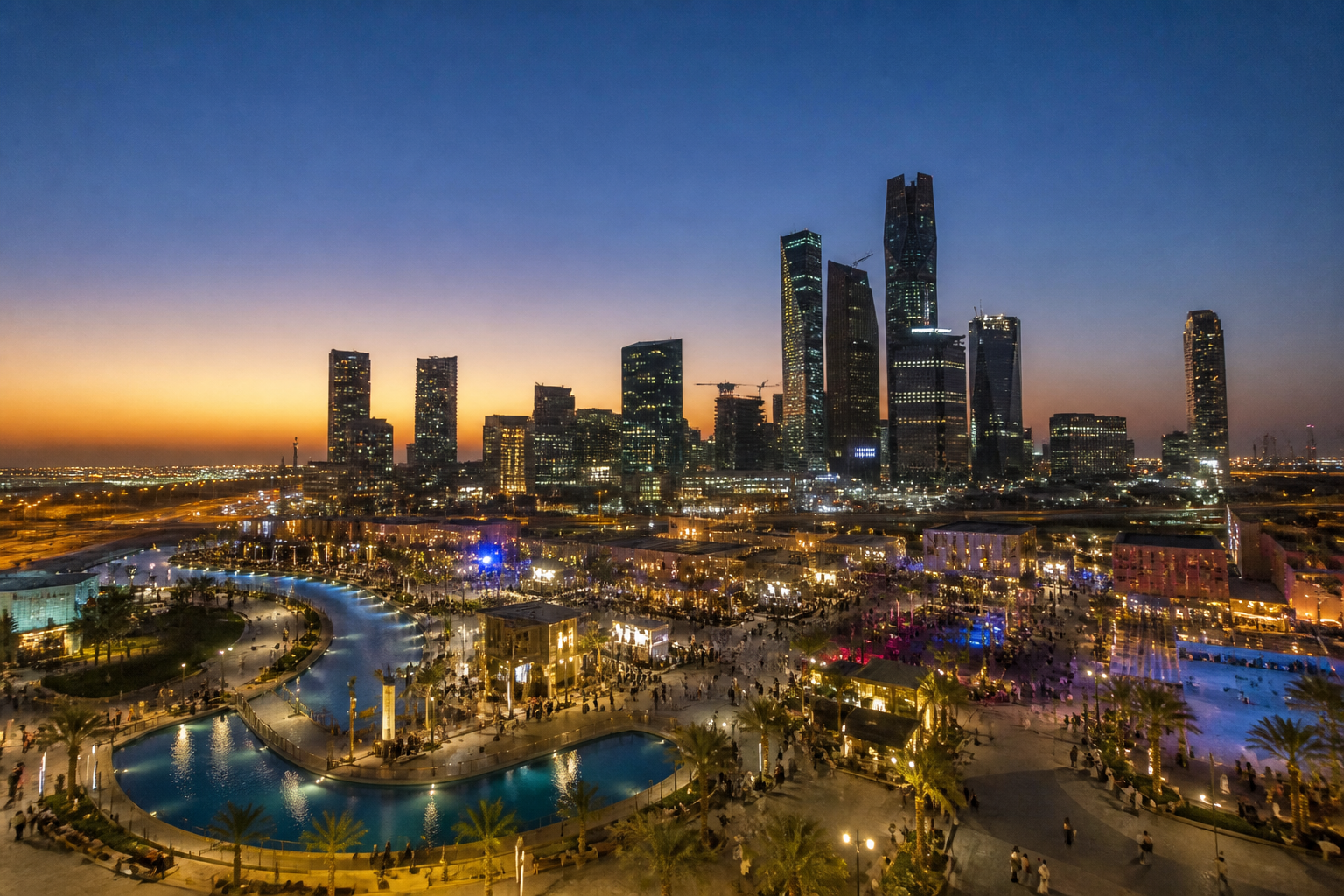
Riyadh is changing quickly. One minute you’re walking past a centuries-old mud-brick gate, and the next you’re looking at glass towers, new restaurants, galleries, and ambitious tourism projects. The recent partnership between Saudi Arabia and WTM Spotlight Riyadh reflects that wider shift: the capital is being presented not just as a business center, but as a place where international visitors can spend a few genuinely interesting days.
I came away feeling that Riyadh is best experienced with a little patience. It isn’t a city that reveals everything from the taxi window. Give it time, ask questions, and leave room for an unplanned coffee stop.
## The Vibe & When to Go
Riyadh feels spacious, modern, conservative, and surprisingly social all at once. The city is spread out, so a day here usually involves short walks followed by car rides. In the older neighborhoods, you’ll hear the call to prayer drifting between narrow lanes; in Olaya, you’ll find polished malls, specialty coffee shops, and busy dinner spots.
The nicest travel season is generally **October through March**, when daytime temperatures are much easier to handle. Winter evenings can be cool enough for a light jacket, especially if you’re heading out into the desert. From April onward, the heat becomes more demanding, with summer afternoons often too hot for relaxed sightseeing.
Riyadh is worth considering now because the city is actively adding new hotels, cultural venues, restaurants, and visitor experiences. The WTM Spotlight partnership is part of that larger tourism push, bringing attention from investors and travel professionals around the world. For visitors, that means more choice—but also a city still in motion, where some attractions and districts may be changing from one visit to the next.
## Must-See Spots: My Top Picks
### 1. Diriyah and At-Turaif
Start in **Diriyah**, the historic area just outside central Riyadh. At-Turaif’s restored mud-brick walls are the main draw, and the late afternoon light gives the buildings a soft, golden color.
The new restaurants and public spaces around Diriyah can feel polished, but don’t rush through the historic section. I enjoyed slowing down near the old lanes, reading the signs, and looking at the small details in the traditional architecture. Wear comfortable shoes—the surfaces can be uneven, and you’ll probably walk more than expected.
Try to visit near sunset, then stay for dinner. Restaurant prices vary dramatically, so check menus before sitting down. Some places are casual enough for a quick meal, while others are designed for a long, dressed-up evening.
### 2. The Edge of the World
This dramatic escarpment is one of the most memorable outings from Riyadh. The cliffs stretch across the desert, with wide-open views that make the city feel very far away.
You’ll need a **4×4 vehicle and a reliable driver**, particularly after rain or during rougher conditions. Many visitors join a guided tour rather than trying to navigate alone. Bring water, closed shoes, a hat, and a fully charged phone. There is little shade, and mobile coverage can be patchy.
The best time is late afternoon, when the cliffs catch the changing light. Avoid standing too close to the edge for photographs—the ground can be loose, and the drop is unforgiving.
### 3. Al Masmak Fortress and the Old City
Al Masmak is a smaller, more intimate stop than Diriyah, and it gives you a useful introduction to Riyadh’s history. The fortress itself is easy to explore, while the surrounding streets offer a glimpse of older central Riyadh.
I’d pair it with a walk through nearby markets and a simple Saudi meal. Look for **kabsa**, **jareesh**, grilled meats, or a plate of dates with Arabic coffee. The area feels more lived-in than curated, which is part of its charm.
Go earlier in the day or toward evening, and remember that opening hours can change around prayer times and public holidays.
### 4. Kingdom Centre and Sky Bridge
For a completely different view of the city, head to **Kingdom Centre**. The Sky Bridge sits high above Riyadh and gives you a clear look at the capital’s enormous scale—highways, towers, low-rise neighborhoods, and desert stretching beyond them.
This is an easy visit to combine with shopping or dinner in Olaya. Sunset is popular, so expect more people and possibly a wait. If you prefer a quieter experience, go in the morning or after dark, when the city lights begin to spread below you.
## Practical Travel Advice
### Getting There & Visa
Most international visitors arrive at **King Khalid International Airport**, which is about 35 kilometers from central Riyadh. Direct flights are available from major Gulf hubs, Europe, Asia, and other Middle Eastern cities. If you’re connecting through Doha, Dubai, Abu Dhabi, Istanbul, or Jeddah, compare both the price and the layover carefully—some routes look cheap but involve very long waits.
Many nationalities can apply for a Saudi **eVisa online**, while others may qualify for a visa on arrival or need to apply through a Saudi embassy. Requirements depend on your passport, so check the official Saudi visa portal before booking. As a general rule, your passport should have at least six months of validity remaining, and you may be asked for accommodation and return-flight details.
Travel insurance is a sensible addition, particularly if you’re planning a desert excursion. Keep digital and printed copies of your passport, visa, hotel booking, and insurance information.
### Where to Stay
– **Olaya:** Best for first-time visitors who want hotels, restaurants, shopping, and easy access to major roads. It’s convenient but can feel busy and traffic-heavy.
– **Diplomatic Quarter:** A calmer, greener choice with attractive walking areas and good restaurants. It suits travelers who prefer a quieter base.
– **Diriyah:** Ideal if you want to stay near historic sights and newer dining districts. Hotel choices can be more limited and prices higher.
– **Central Riyadh:** Better for budget-conscious travelers and visitors interested in Al Masmak, local markets, and older parts of the city.
– **King Abdullah Financial District:** Modern, polished, and practical for business travelers. It has impressive architecture but is less atmospheric after office hours.
Book ahead during major conferences, festivals, and large business events. Rates can rise quickly when the city is hosting an international gathering.
### Getting Around
Riyadh is not a city I’d recommend exploring entirely on foot. Distances are large, sidewalks can disappear without warning, and traffic makes crossing busy roads unpleasant.
For most visitors, **Uber and Careem** are the easiest options. Agree on the pickup point carefully, especially at malls and large hotels where several entrances may appear on the map. Taxis are also available, but app-based rides usually make pricing and communication simpler.
The Riyadh Metro has begun changing how people move around the capital, although coverage and service details depend on the route and current operating schedule. Check the latest network information before planning your day around it. For the Edge of the World and other desert trips, use a reputable tour operator or hire a proper 4×4 with an experienced local driver.
## Real Costs & Local Tips
The local currency is the **Saudi riyal (SAR)**. Cards are accepted almost everywhere in Riyadh, including cafés and taxis, but I still like carrying a small amount of cash for markets, parking, and quick snacks.
### Rough daily budgets
**Budget traveler: SAR 250–450 per day**
– Simple hotel or shared accommodation
– Local restaurants and bakeries
– Rideshare trips shared where possible
– Free or low-cost cultural attractions
**Mid-range traveler: SAR 600–1,200 per day**
– Comfortable hotel
– A mix of casual and nicer meals
– Several rides across the city
– One organized outing or paid attraction
A desert tour, upscale dinner, or luxury hotel can push the daily total well above that range. Riyadh has a wide gap between inexpensive local food and high-end hospitality.
Tipping is not compulsory, but **5–10%** is appreciated in restaurants when service charges are not already included. For cafés and casual counters, rounding up is perfectly fine. Always check the bill before adding anything.
### A few things that saved me money and hassle
– **Eat local for lunch.** Rice dishes, shawarma, grilled chicken, falafel, and small neighborhood restaurants are filling and much cheaper than international dining rooms.
– **Plan around prayer times.** Shops and restaurants may close briefly, and opening hours can shift. Don’t build a tightly packed itinerary.
– **Carry a light layer.** Air-conditioning indoors can be surprisingly cold, even when the streets are hot.
– **Book the desert carefully.** The cheapest tour is not always a bargain if the vehicle is unsuitable or the driver lacks experience. Ask whether transport, water, entry fees, and sunset timing are included.
– **Dress respectfully.** Loose, non-transparent clothing covering shoulders and knees is the safest choice for everyone. Women are not generally required to wear an abaya, but modest clothing makes moving around more comfortable.
– **Leave extra time for traffic.** A short distance on the map can take much longer during morning and evening rush hours.
Riyadh may not be the easiest city for a spontaneous walking holiday, but that isn’t really the point. Its appeal is in the contrast: old forts and futuristic towers, quiet desert horizons and crowded coffee shops, formal traditions and a tourism scene moving at remarkable speed. Visit with curiosity rather than a checklist, and the capital starts to feel much more personal.
KEYWORDS: Riyadh skyline, Saudi desert