
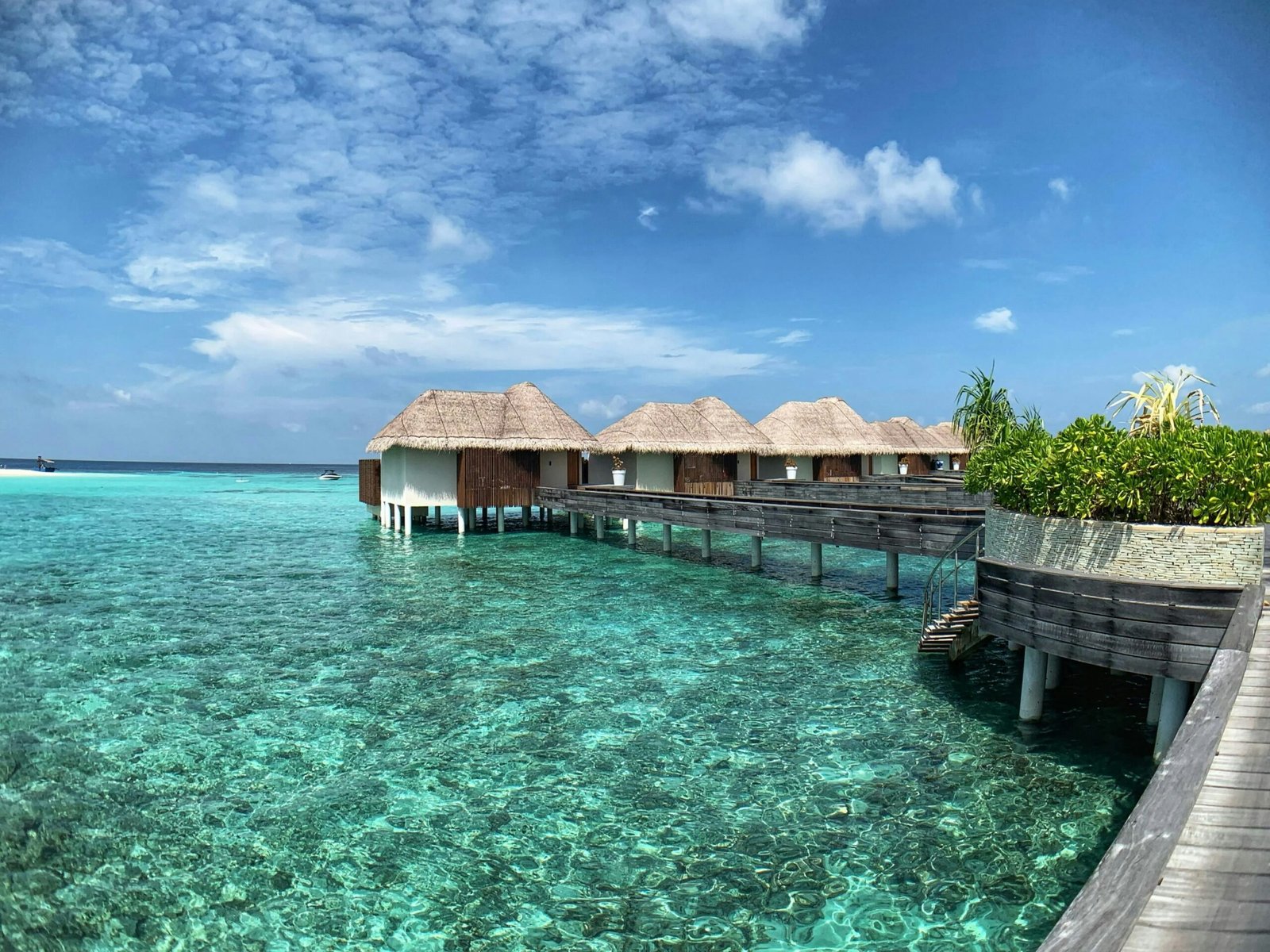
The Maldives runs on a different logic than most destinations — there’s no real “city” to explore, no single itinerary to follow. Instead, the entire trip revolves around picking the right island and resort, since that one decision shapes almost everything else about the experience.
When to Visit the Maldives
- November–April (dry season): The most popular window — sunny days, calm seas, and the best conditions for diving and snorkeling. Also the busiest and most expensive time to visit, especially around the December–January holidays.
- May–October (wet season): More rain and occasional storms, but also significantly lower prices and thinner crowds. Surfers actually prefer this period, as it brings the best swells to the southern atolls.
- Shoulder months (April, October): Often the sweet spot — transitional weather with fewer crowds and better rates than peak season.
Visit Here for more destination>>> Iceland Travel Guide 2026: What to Know Before You Go
Choosing the Right Island
This is the single most important decision in planning a Maldives trip, more than picking a specific hotel brand.
- Distance from Malé (the airport): Islands closer to the main airport are cheaper to reach (speedboat transfer) and better for shorter trips; more remote atolls require a seaplane transfer, which adds cost and travel time but often means quieter, more pristine surroundings.
- All-inclusive vs. room-only: Given the isolation of most resorts, all-inclusive packages are extremely common and often better value than paying for meals à la carte at resort prices.
- Reef access: Not every resort has house reef snorkeling right off the beach — if marine life is a priority, this is worth checking before booking rather than after arrival.
- Local island stays: Budget travelers can stay on inhabited local islands (like Maafushi) instead of private resort islands, at a fraction of the cost, with public beaches and guesthouses.
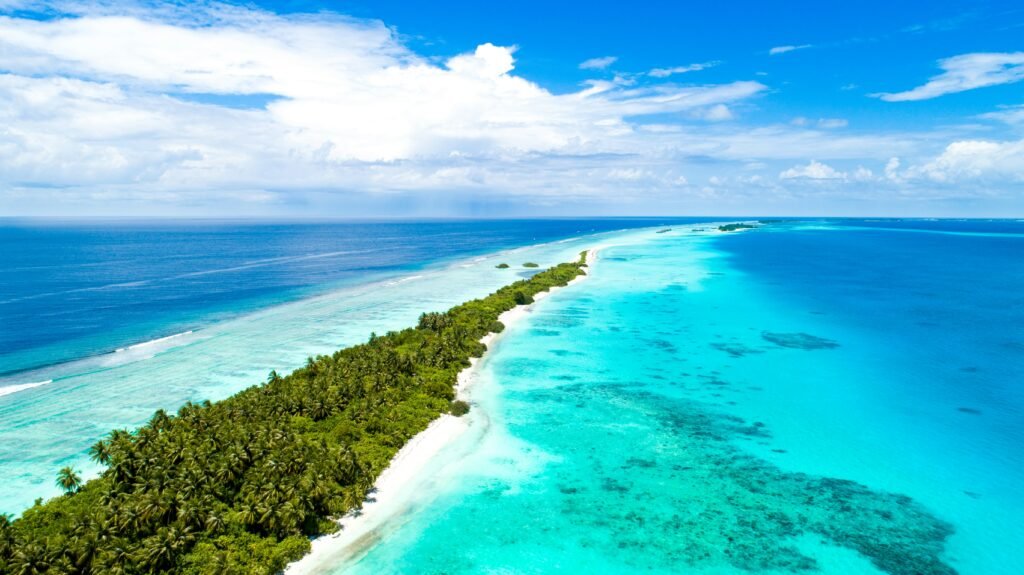
Top Things to Do
- Snorkeling or diving the house reef — many resorts have coral reefs accessible directly from the beach, no boat required.
- A sunset dolphin cruise — a common resort excursion, and dolphin sightings are frequent in Maldivian waters.
- A sandbank picnic — many resorts offer a boat trip to a nearby uninhabited sandbank for a private lunch, one of the more memorable experiences available.
- Night fishing — a traditional Maldivian activity offered by most resorts, often followed by having your catch grilled for dinner.
- A spa treatment over water — overwater spa villas are a signature Maldives experience, worth booking even for travelers who don’t usually prioritize spa time.
Practical Travel Tips
- Budget realistically: the Maldives is one of the more expensive destinations in the world; researching all-inclusive package costs (not just nightly room rates) gives a more accurate total budget.
- Book transfers in advance: speedboat or seaplane transfers are usually arranged through the resort and should be confirmed well before arrival, especially for seaplane transfers with daylight-only operating hours.
- Respect local customs on inhabited islands: modest dress is expected on local islands (unlike resort islands, which have more relaxed norms) — swimwear is typically reserved for designated “bikini beaches.”
- Alcohol is resort-only: the Maldives is a Muslim country, and alcohol is generally only available on resort islands, not on local inhabited islands.
- Pack reef-safe sunscreen: given how central the coral reefs are to the experience, reef-safe sunscreen helps protect the marine environment you’re there to see.
How Many Days Do You Need?
4–6 days is typical for a Maldives resort stay — long enough to settle into the pace without needing more time, since most of the trip revolves around one island rather than moving between locations.
Final Thoughts
The Maldives rewards travelers who match the destination to what they actually want — a quiet, all-inclusive escape with minimal logistics once you arrive. The real planning work happens before you go, in choosing the right island and transfer type; once there, the trip is designed to require very little decision-making at all.