
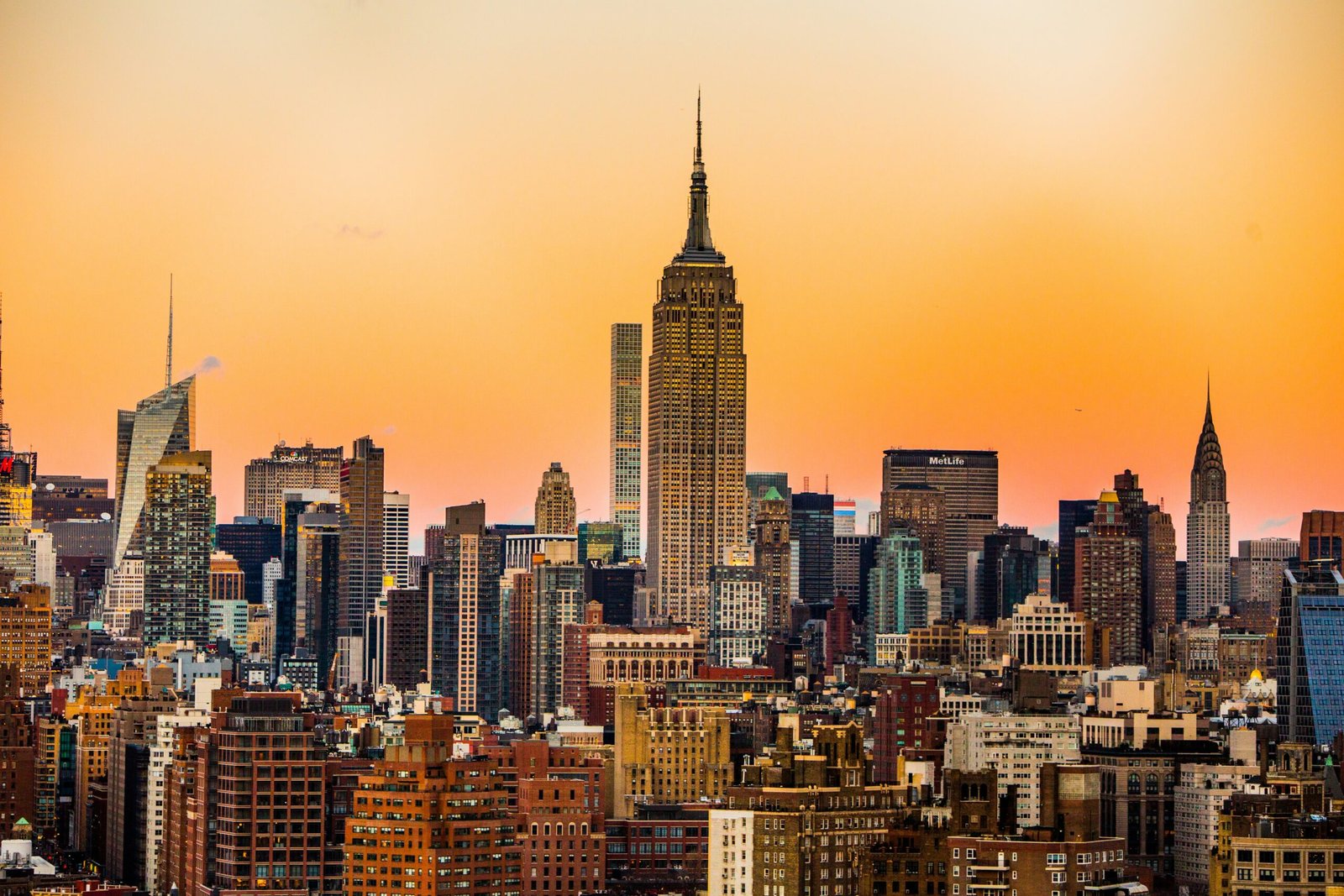
New York doesn’t ease you in — the energy hits from the moment you step out of the airport or subway. It’s also a city where a little planning saves real time and money, since the gap between a tourist-trap meal and a genuinely great one is often just a few blocks.
When to Visit New York City
- April–June (spring): Mild weather, blooming parks, and one of the best windows before summer crowds and heat arrive.
- July–August (summer): Hot and humid, with the busiest tourist crowds and highest hotel prices, though also when the city’s outdoor life (rooftop bars, street festivals) is in full swing.
- September–November (fall): Widely considered the best season — comfortable temperatures, fall foliage in the parks, and slightly thinner crowds than summer.
- December: Magical for holiday lights, markets, and the Rockefeller Center tree, but also extremely crowded and among the most expensive weeks of the year.
- January–March (winter): The cheapest hotel rates and thinnest crowds, in exchange for cold weather and shorter days.
Where to Stay
- Midtown Manhattan — the most convenient base for first-timers, walkable to Times Square, Central Park, and major subway lines.
- Lower Manhattan / Financial District — quieter in the evenings, close to the Statue of Liberty ferries and 9/11 Memorial.
- Brooklyn (Williamsburg/DUMBO) — a trendier, slightly more affordable alternative with some of the best skyline views of Manhattan, a short subway ride from the main sights.
- Upper West Side — a more residential, local feel, close to Central Park and the American Museum of Natural History.
Top Things to Do
- Central Park — massive and genuinely worth a few hours; rent a bike, visit Bethesda Terrace, or just wander away from the main paths for a quieter side of the park.
- The Metropolitan Museum of Art (the Met) — one of the world’s great museums; the suggested admission price for non-NY residents means budgeting a bit more time and money than a quick stop.
- Top of the Rock or Empire State Building — both offer iconic skyline views; Top of the Rock includes the Empire State Building itself in the view, which many visitors prefer.
- Brooklyn Bridge walk — free, scenic, and best done early morning or around sunset to avoid the heaviest foot traffic.
- The High Line — an elevated park built on a former rail line, offering a very different, more local perspective on the city than the major landmarks.
- A Broadway show — even a lesser-known production is often a highlight; same-day discount tickets through TKTS booths can cut costs significantly for flexible travelers.
Practical Travel Tips
- Get a MetroCard or OMNY: the subway is by far the fastest and cheapest way to get around; tap-to-pay OMNY readers now work directly with contactless cards and phones at most stations.
- Walk more than you think you need to: many “far apart” sights in Manhattan are a 15–20 minute walk, often faster than waiting for a subway or dealing with traffic.
- Tipping is expected: 18–20% at sit-down restaurants is standard, and it’s customary to tip taxi/rideshare drivers and hotel staff as well.
- Avoid Times Square restaurants: as in most heavily touristed areas, food near Times Square tends to be overpriced and mediocre — a few blocks in any direction usually means better options.
- Book major attractions ahead: the Empire State Building, Statue of Liberty ferries, and popular Broadway shows all benefit from advance booking, especially in peak season.
- Layer up regardless of season: NYC weather can shift quickly, and subway platforms/air conditioning indoors can feel very different from the street temperature.
How Many Days Do You Need?
4–5 days covers Manhattan’s major sights comfortably, with room for a Brooklyn day trip. If you only have 2–3 days, prioritize one or two neighborhoods per day rather than trying to criss-cross the city constantly.
Final Thoughts
New York rewards a mix of planning and improvisation — book the big-ticket items (shows, major attractions) ahead of time, but leave room to wander a neighborhood without a fixed plan. Some of the city’s best moments come from a random turn down a street that looked interesting, not from the itinerary.