
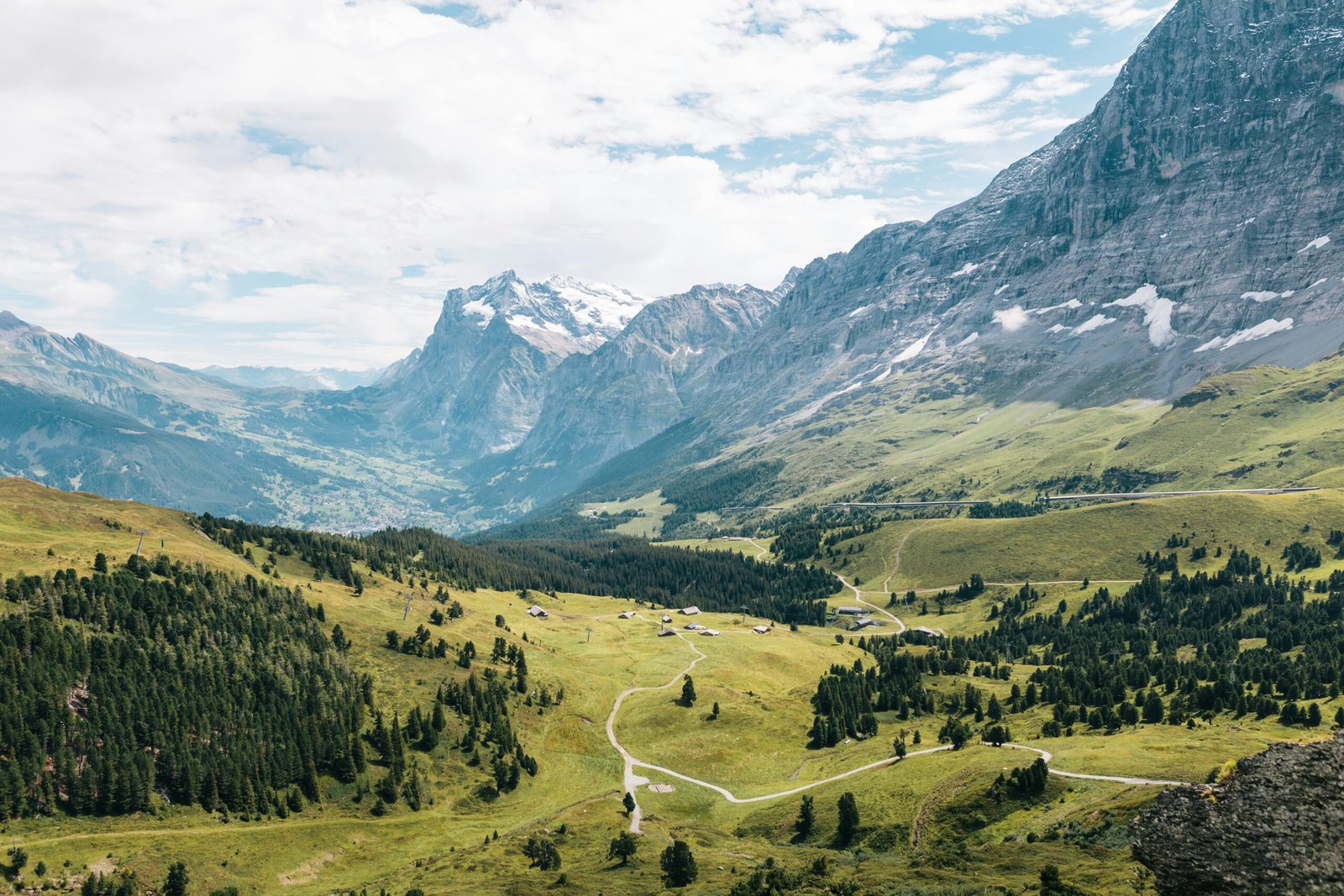
Switzerland is a country where the journey between destinations is often as memorable as the destinations themselves — the train network alone is reason enough to visit, threading through mountain passes and along lakes with a punctuality most countries can only aspire to. It’s also one of the more expensive countries to travel in, which makes planning ahead genuinely worthwhile.
When to Visit Switzerland
- June–September (summer): The best window for hiking, with alpine trails fully open and long daylight hours; also the busiest and most expensive season.
- December–March (winter): Prime ski season in the Alps, with resort towns like Zermatt and St. Moritz at their liveliest, though lift tickets and accommodation prices climb accordingly.
- April–May and October (shoulder season): Lower prices and thinner crowds, though some high-altitude trails and cable cars may have limited operating schedules as snow melts or returns.
Continuing your Europe trip? Our Paris travel guide covers the best time to visit and the neighborhoods worth staying in.
Top Regions to Visit
- Zermatt — car-free mountain town beneath the Matterhorn, one of the most photographed peaks in the world; a must for both hikers and skiers.
- Interlaken — a hub for the Jungfrau region, surrounded by two lakes and serving as the gateway to some of Switzerland’s most dramatic alpine scenery.
- Lucerne — a compact, walkable city with a well-preserved old town, easy access to Mount Pilatus and Mount Rigi, and a good base for shorter trips.
- Geneva — a more cosmopolitan, French-speaking city on Lake Geneva, good for travelers wanting a city base alongside mountain day trips.
- Lauterbrunnen — a valley town surrounded by 72 waterfalls, often used as a quieter, more scenic alternative to staying directly in Interlaken.
Top Things to Do
- Ride the Glacier Express or Bernina Express — two of Switzerland’s most scenic rail routes, both doable as full-day trips with panoramic windows built specifically for the views.
- Take the cable car up the Matterhorn Glacier Paradise — Europe’s highest cable car station, with views extending across four countries on clear days.
- Hike in the Jungfrau region — trails around Interlaken range from easy valley walks to more demanding alpine routes, with mountain huts serving food along many of them.
- Visit Lake Lucerne by boat — a relaxed way to see the surrounding mountains and lakeside towns without the effort of driving or hiking.
- Explore Lauterbrunnen’s waterfalls — Staubbach Falls is visible right from the village, while Trümmelbach Falls (a series of underground glacial waterfalls) is a short trip away.
Practical Travel Tips
- The Swiss Travel Pass can save real money: if you’re covering multiple regions by train, boat, and bus, this pass often works out cheaper than individual tickets and includes many mountain railways at a discount.
- Book mountain excursions in good weather windows: cable cars and viewpoints are largely weather-dependent — building flexibility into your itinerary avoids paying for a summit view obscured by cloud.
- Budget for genuinely high prices: meals, accommodation, and transport in Switzerland run notably higher than most of Europe; grocery store meals and picnics can meaningfully stretch a budget.
- Trains run like clockwork: platforms are usually confirmed well in advance and departures are punctual to the minute — arrive with a few minutes to spare rather than cutting it close.
- Pack layers regardless of season: mountain weather changes quickly, and a warm valley morning can mean a cold, windy summit a cable car ride later.
How Many Days Do You Need?
7–10 days allows a proper loop through 2–3 regions (for example, Zermatt, Interlaken, and Lucerne) without feeling rushed. If you only have 3–4 days, focus on one region and go deep rather than trying to see the whole country.
Final Thoughts
Switzerland is a country that punishes rushing and rewards patience — the best moments often come from taking the slower scenic train instead of the fastest route, or building in an extra day in one mountain town instead of adding another stop. Budget generously, plan around the weather, and let the journeys between places be part of the trip rather than just a means to an end.