
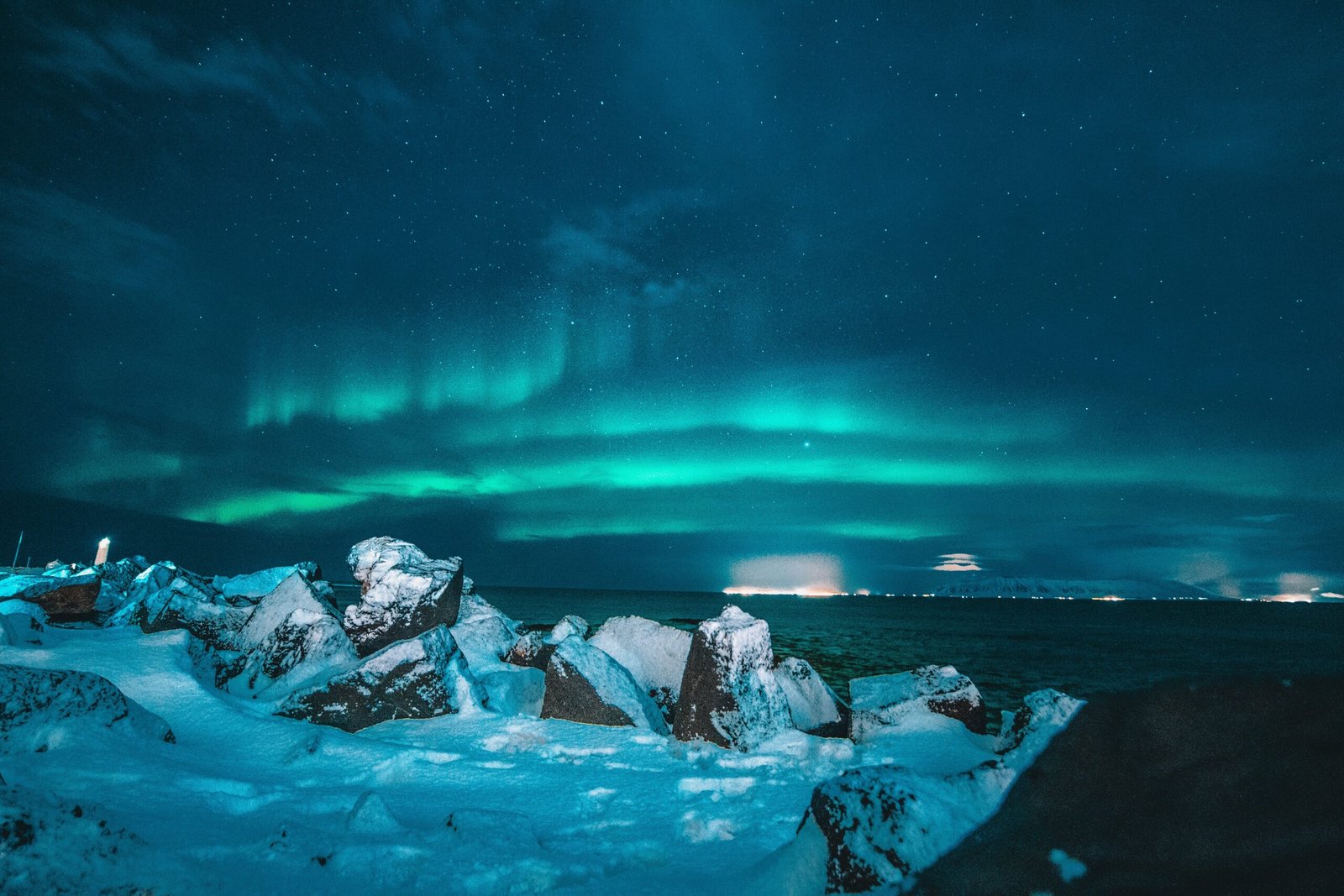
Iceland packs an almost unfair amount of scenery into a relatively small island — glaciers, waterfalls, black sand beaches, and volcanic landscapes are often just a short drive apart. It’s also a country where the weather changes fast and the season you pick shapes the entire trip, so a little planning goes a long way here.
When to Visit Iceland
- June–August (summer): The most popular season — mild temperatures, nearly 24 hours of daylight, and every road (including the Highlands) open. Also the busiest and most expensive time to visit.
- September–October: A great in-between window — fewer crowds, lower prices, and northern lights season begins as nights grow darker.
- November–February (winter): Prime northern lights season and the classic snowy Iceland look, but with short daylight hours (as little as 4-5 hours in December) and some roads requiring extra caution or closing entirely.
- March–May (spring): Increasing daylight, thawing landscapes, and generally lower prices than summer, though weather is still unpredictable.
Looking for another unforgettable landscape? Our Tokyo travel guide covers everything from Shibuya to a quiet forest shrine in the middle of the city.
Where to Stay
- Reykjavik — the capital and most practical base, with the best range of restaurants, tours, and easy access to the Golden Circle.
- South Coast towns (Vik, Hella) — ideal if you’re focusing on waterfalls, black sand beaches, and glacier lagoons without driving all the way back to Reykjavik each night.
- Akureyri (North Iceland) — a good base for a full Ring Road trip, with its own waterfalls, whale watching, and a quieter, small-town feel.
- Countryside guesthouses — scattered along the Ring Road, often the best option for catching the northern lights away from city light pollution.
Top Things to Do
- The Golden Circle — Iceland’s most popular day route, covering Þingvellir National Park, the Geysir geothermal area, and Gullfoss waterfall; doable as a day trip from Reykjavik.
- South Coast waterfalls — Seljalandsfoss (which you can walk behind) and Skógafoss are two of the most photographed waterfalls in the country, both easily reached off the Ring Road.
- Jökulsárlón Glacier Lagoon — icebergs calved from a nearby glacier drift through this lagoon and wash up on the adjacent Diamond Beach, covered in black sand.
- The Blue Lagoon (or a quieter alternative) — Iceland’s famous geothermal spa is worth it for many, though the Sky Lagoon near Reykjavik offers a similar experience with fewer crowds.
- Northern lights hunting (winter visits) — best viewed away from city lights on clear, dark nights; many tour operators offer guided hunts with rebooking if lights don’t appear.
- Snæfellsnes Peninsula — often called “Iceland in miniature,” with glaciers, black churches, and dramatic coastline, and close enough for a long day trip from Reykjavik.
Practical Travel Tips
- Rent a car if you can: Iceland’s best sights are spread along the Ring Road, and public transport options outside Reykjavik are limited — a rental car (with insurance that covers gravel and wind damage) gives the most flexibility.
- Check road conditions daily: road.is provides real-time updates, which matter especially in winter when routes can close with little notice.
- Pack for layers, not seasons: Icelandic weather can shift dramatically within a single day regardless of month — waterproof layers matter more than heavy coats.
- Budget accordingly: Iceland is one of the more expensive travel destinations — groceries and self-catering can meaningfully cut costs compared to eating out for every meal.
- Tipping isn’t expected: service charges are typically included in restaurant and tour prices.
- Fuel up when you can: gas stations can be sparse in rural stretches — don’t let the tank get too low between towns.
How Many Days Do You Need?
7–10 days is ideal for a full Ring Road trip circling the island. If you only have 3–4 days, focus on Reykjavik, the Golden Circle, and the South Coast — this covers many of Iceland’s best-known sights without the long drive around the entire country.
Final Thoughts
Iceland rewards travelers who build in flexibility — weather can reroute a day’s plans, and some of the best moments (a sudden clear sky for the northern lights, an empty waterfall at sunset) come from being willing to adjust. Book your major stops, but leave room to chase the conditions when they’re right.
Planning your own Iceland trip? Explore more destination guides or get in touch for personalized recommendations.