
# Ladakh Beyond Summer: My Guide to India’s High-Altitude Destination for Every Season
Ladakh has always felt like a place that asks you to slow down. The roads are vast, the mountains look almost unreal, and even a short walk can leave you catching your breath. But the region is no longer being presented only as a June-to-September road-trip destination.
At **BRIDGES for Conscious Travel 2026 in New Delhi**, the Administration of the Union Territory of Ladakh showcased its vision of Ladakh as a **365-day, high-altitude tourism destination**. The idea is exciting, but it also needs care. Ladakh’s winter silence, fragile water sources, wildlife, villages, and local way of life are the real treasures here—not simply a backdrop for adventure photos.
## The Vibe & When to Go
Ladakh feels spacious, quiet, and wonderfully stripped back. The air is thin, the sunlight is sharp, and the landscape changes every few hours as the road climbs past dry valleys, monasteries, frozen streams, and high mountain passes.
The classic travel season runs from **May to October**, when roads open, guesthouses are busy, and most popular circuits are accessible. July and August are usually warmer around Leh, though mountain weather can still change quickly.
The newer 365-day vision makes winter especially interesting:
– **November to February:** Very cold, often below freezing at night. Leh is quieter, Pangong Lake can freeze, and homestays offer a more intimate look at local life. Some roads and accommodation options may be limited.
– **March to April:** A peaceful shoulder season with crisp days, chilly evenings, and fewer visitors.
– **May to June:** The landscape begins to wake up, and many routes reopen.
– **July to September:** Best for road trips, trekking, and high passes, although this is also the busiest period.
– **October:** Clear skies, golden light, and a calmer atmosphere before winter settles in.
If you visit in winter, don’t expect the same Ladakh experience as summer. You may find fewer restaurants, delayed transport, and basic heating in smaller villages. In return, you get extraordinary quiet and a chance to see the region on its own terms.
## Must-See Spots: My Top Picks
### 1. Leh Old Town and the Main Bazaar
I like starting in Leh slowly, without trying to tick off every monastery in the first day. The old town has narrow lanes, timber balconies, small cafés, traditional Ladakhi homes, and quiet corners that are easy to miss if you only stay around the main market.
Spend a morning walking toward **Leh Palace**, then return through the old lanes. The views from the palace are beautiful, but the more memorable moments are often simpler—a cup of butter tea, a conversation with a shopkeeper, or the sound of monks chanting from a nearby monastery.
**My advice:** Give yourself at least 48 hours in Leh for acclimatization. Avoid alcohol, drink plenty of water, and keep your first day physically easy.
### 2. Thiksey Monastery and the Indus Valley
Thiksey Monastery is one of the most recognizable sights near Leh, with its white buildings rising above the valley. Go early if you can. The morning light is softer, the air feels cleaner, and you may hear prayers before the larger groups arrive.
Rather than rushing back to Leh, continue through the Indus Valley and stop at small villages, local cafés, or viewpoints along the way. **Shey Palace** and **Hemis Monastery** are also nearby, though each has a different mood. Hemis is especially atmospheric when the monastery is quiet.
**A small tip:** Hire a local driver for the day and ask for village stops instead of visiting only the famous viewpoints. You’ll see more of everyday Ladakh.
### 3. Nubra Valley and Khardung La
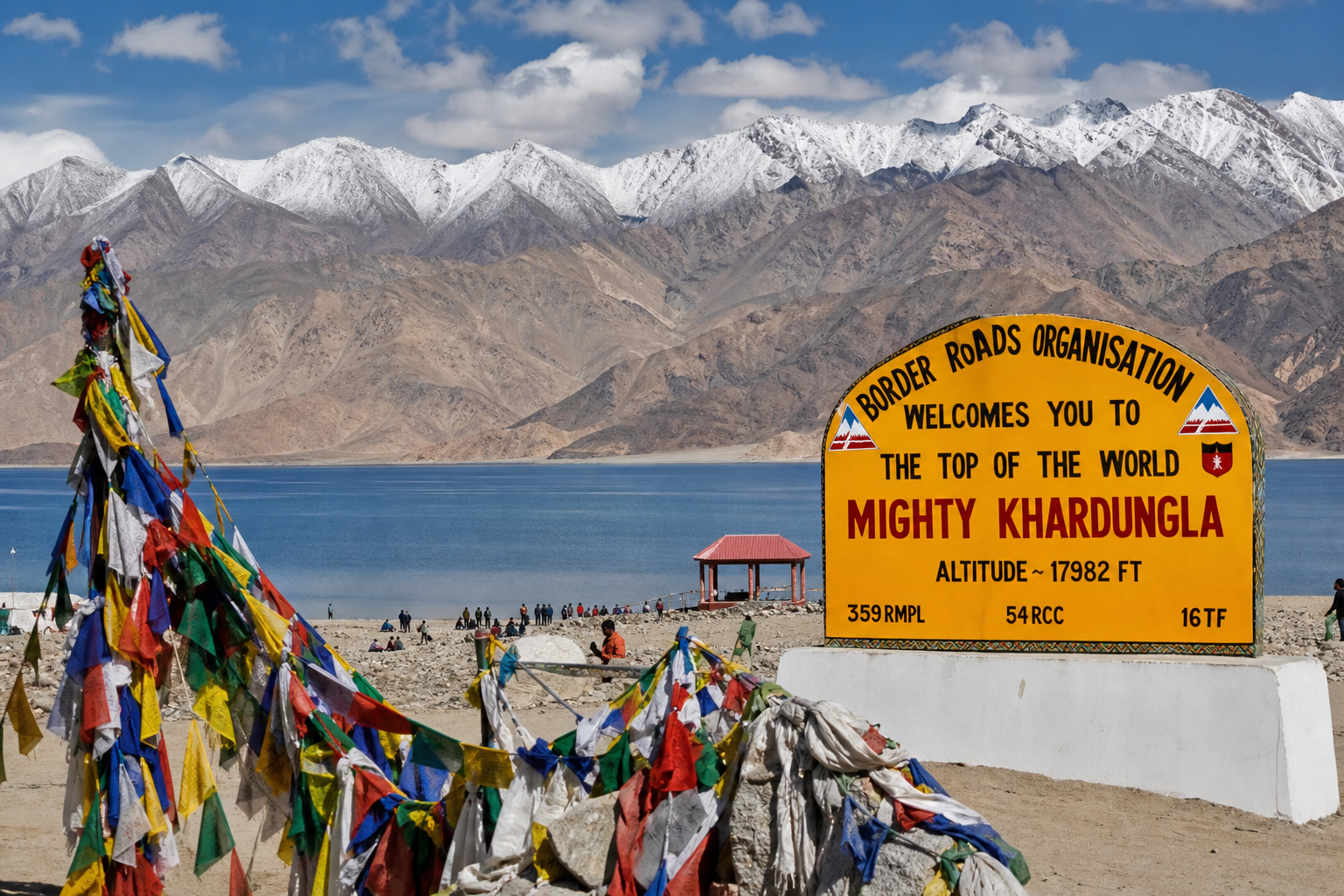
The road to Nubra Valley is one of Ladakh’s great journeys. The landscape shifts from stark mountain slopes to river valleys, poplar trees, villages, and sand dunes around Hunder.
The pass itself is dramatic, but I prefer spending time in Nubra rather than treating Khardung La as the main attraction. Visit **Diskit Monastery**, walk around the village, and consider staying in a homestay instead of a large camp.
If you have time, continue toward **Turtuk**, a Balti village close to the border. It has a distinct culture, different architecture, and a slower pace than the more visited parts of Nubra.
**Keep in mind:** High-altitude roads can be rough, and travel times are longer than they look on a map. Build in extra time for weather and road conditions.
### 4. Pangong Lake—But With More Time Than a Day Trip
Pangong Lake is undeniably beautiful, with water that changes from deep blue to green and silver depending on the light. The usual one-night dash from Leh is tiring, though, and the altitude can be difficult.
If your health and schedule allow, stay for two nights or combine Pangong with a less rushed route through **Shachukul, Hanle, or nearby villages**, depending on current road and permit conditions. In winter, parts of the lake may freeze, but access and accommodation can be restricted.
Please avoid walking onto uncertain ice or leaving litter behind. The lake’s beauty is also its vulnerability.
## Practical Travel Advice
### Getting There and Visa
Most visitors reach Ladakh through **Kushok Bakula Rimpochee Airport in Leh**, with flights from Delhi and some seasonal connections from cities such as Mumbai, Srinagar, Jammu, and Chandigarh.
You can also travel overland:
– **Srinagar–Leh Highway:** Usually open during the warmer months, depending on snow and road conditions.
– **Manali–Leh Highway:** Generally a summer route and often one of the most scenic ways to arrive.
Flight prices rise sharply around summer holidays, so booking early helps. Morning flights are often preferable because mountain weather can affect later departures.
For entry requirements:
– **Indian citizens** do not need a visa to visit Ladakh.
– **Foreign visitors** need a valid Indian visa, usually arranged before arrival or through India’s official e-visa system if their nationality qualifies.
– Carry a passport with sufficient validity, travel insurance, and copies of important documents.
– Some areas, including parts of Nubra, Pangong, Tso Moriri, and Hanle, may require permits or additional registration. Requirements can change, so check with the official Ladakh administration or a registered local travel operator before setting out.
### Where to Stay
**Leh Old Town:** Best for atmosphere, historic buildings, cafés, and walking around the market.
**Changspa:** A good choice for first-time visitors who want guesthouses, restaurants, and easy access to central Leh without staying directly on the busiest street.
**Sankar:** Quieter and more residential, with pleasant views and a slower evening pace.
**Nubra, Pangong, and Tso Moriri villages:** Choose homestays where possible. They are often warmer and more personal than large camps, and your money goes more directly to local families.
In winter, confirm heating, hot water, electricity backup, and road access before booking. A beautiful remote guesthouse is not much fun if it closes early and has no reliable heating.
### Getting Around
Leh is walkable in short stretches, but the altitude makes even simple walks feel more demanding. Take your time.
For longer trips, the realistic options are:
– Private taxis arranged through the local taxi union or a reputable hotel
– Shared taxis and local buses, where available
– Motorcycles for experienced riders during suitable weather
– Guided trips for remote areas and winter travel
There is no dependable app-based rideshare network covering Ladakh in the way larger Indian cities do. Your hotel or guesthouse can usually arrange a local taxi. Shared taxis cost less but may leave only when full and may not follow your preferred schedule.
Don’t rent a motorcycle immediately after landing. Give yourself a few days to acclimatize, check the bike carefully, and ask about current road conditions.
## Real Costs and Local Tips
Prices vary by season, but these are reasonable planning figures per person.
### Budget Travel: ₹2,500–₹4,500 per day
This can cover:
– Basic guesthouse or hostel: ₹800–₹1,800
– Simple meals: ₹500–₹900
– Shared transport: ₹500–₹1,200
– Tea, snacks, and small entrance fees
Remote areas and winter travel may push the budget higher because transport is less frequent and accommodation is limited.
### Mid-Range Travel: ₹6,000–₹12,000 per day
This usually includes:
– Comfortable guesthouse or hotel: ₹2,500–₹6,000
– Restaurant meals and local food: ₹1,000–₹2,000
– Shared or private day transport: ₹2,000–₹5,000
– Occasional monastery fees, permits, and activities
Private taxi costs are often charged per vehicle rather than per person, so traveling with two or three others can make a big difference.
Ladakh uses the **Indian rupee (INR)**. Keep cash with you, especially outside Leh. ATMs can run out of money, card machines may not work, and mobile connectivity is limited in remote areas.
Tipping is not compulsory, but rounding up or leaving a modest tip for good service is appreciated. For a driver or guide on a multi-day trip, discuss expectations clearly at the beginning.
### A Few Tips That Save Money and Stress
– **Travel with one or two other people:** Sharing a taxi is often the biggest saving on a Ladakh itinerary.
– **Eat local dishes:** Thukpa, momos, skyu, tingmo, and rice meals are filling and usually cheaper than imported snacks or Western-style food.
– **Carry a refillable bottle:** Buy less bottled water and refill only where the source is treated and safe. Avoid single-use plastic whenever possible.
– **Don’t overpack your schedule:** Adding one more lake or pass can turn a beautiful trip into an exhausting one. Fewer places, with more time in each, usually feels better.
– **Confirm winter services in advance:** Ask whether the property has functioning heating, hot water, meals, and backup power.
– **Respect local restrictions:** Drone use, photography near military areas, and access to border regions can be controlled. Follow signs and ask before taking photographs of people or religious ceremonies.
Ladakh’s 365-day tourism vision makes sense when it spreads travel beyond the crowded summer months and supports local families through winter. But the best version of this future will be one that protects water, limits waste, respects village life, and lets visitors experience Ladakh without putting too much pressure on it.
For me, the region is at its most memorable when the itinerary becomes less crowded: a quiet monastery morning, a shared meal in a homestay, a long drive with no phone signal, and mountains that make ordinary worries feel very far away.
KEYWORDS: Ladakh mountains