
# Key West, Open-Hearted and Unhurried: LGBTQ-Friendly Corners, Great Food, and Real Travel Tips
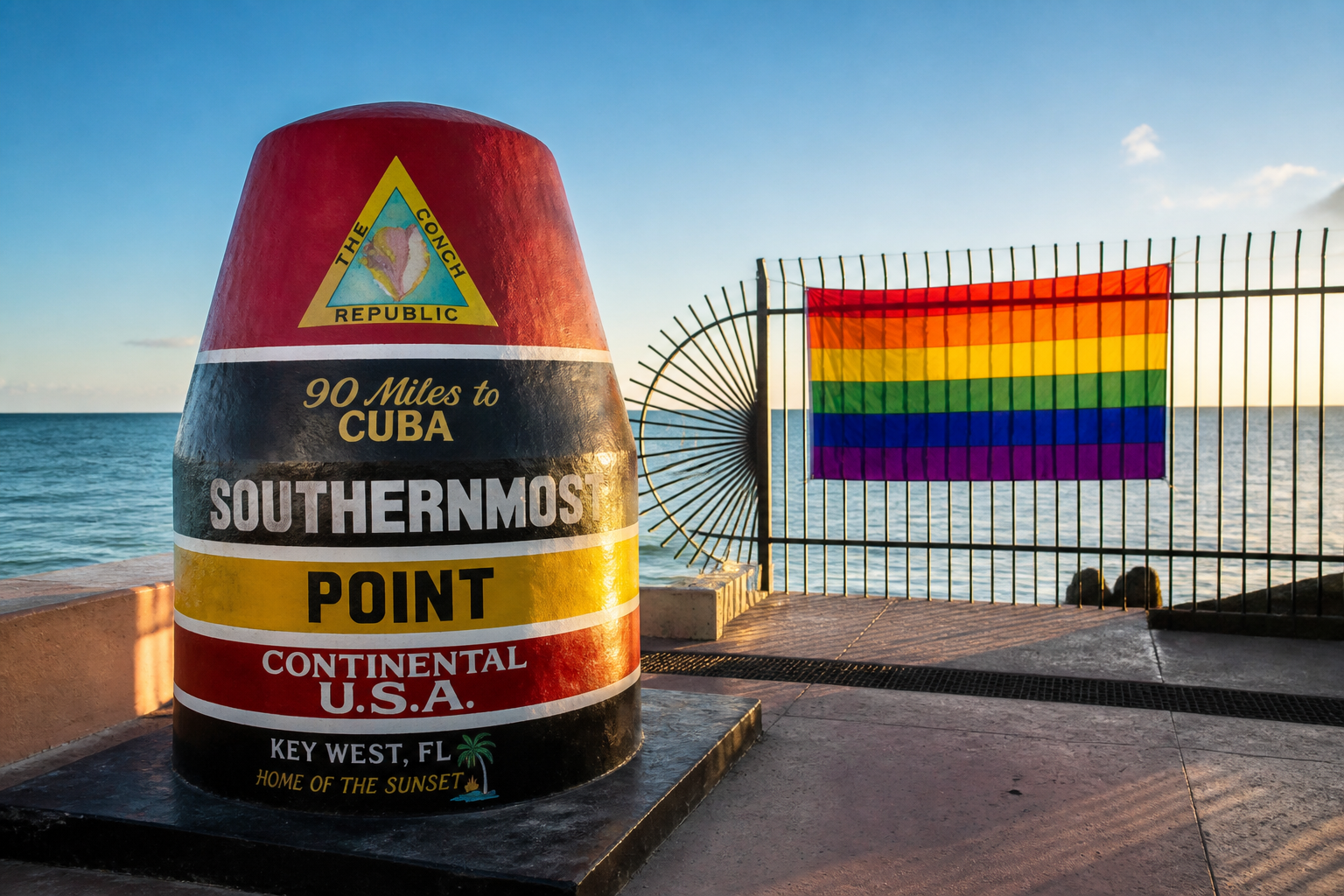
Key West has always felt a little different from the rest of Florida. The streets are colorful, the pace is loose, and people tend to let you be exactly who you are. That spirit matters even more now, as the destination continues to stand behind LGBTQ travelers while Daniel Cuellar takes the marketing helm for the Florida Keys.
I recently spent time wandering Key West without trying to pack every hour with sightseeing. That turned out to be the best way to experience it: coffee in the shade, long walks past gingerbread houses, sunset drinks, and conversations with locals who clearly love the island’s independent character.
## The Vibe & When to Go
Key West feels tropical, historic, slightly eccentric, and wonderfully walkable. Roosters wander through residential streets, bicycles outnumber cars in some areas, and live music seems to spill out of every other bar by late afternoon.
The most comfortable time to visit is usually **December through April**, when the air is warm and relatively dry. Days often sit in the mid-70s to low 80s Fahrenheit, with cooler evenings and plenty of sunshine. This is also the busiest and most expensive season, especially around Christmas, New Year’s, Fantasy Fest, and spring break.
Summer brings cheaper rooms and fewer visitors, but the heat and humidity can be intense. Afternoon rain showers are common, and hurricane season runs from June through November. If you visit during the warmer months, plan outdoor walks early in the day and keep your afternoons flexible.
Key West is especially appealing right now for LGBTQ travelers who want a destination with a long-standing queer community rather than a once-a-year event. Pride celebrations, drag performances, welcoming hotels, and LGBTQ-owned businesses are part of the island’s year-round personality. Daniel Cuellar’s arrival in the Florida Keys tourism leadership adds fresh attention to that inclusive identity.
## Must-See Spots: My Top Picks
### 1. Duval Street, but not only the loud part
Duval Street is famous for bars and nightlife, but it is much more enjoyable when you explore beyond the busiest blocks. Start near the southern end and walk north, stopping at small galleries, old homes, cocktail bars, and cafés.
The stretch around **Bahama Village** has a more local feel, with Caribbean influences, colorful buildings, and excellent casual food. I preferred wandering the side streets rather than spending the whole evening on Duval itself.
For LGBTQ nightlife, look for current listings at places such as **Aqua**, **Bourbon Street Pub**, and other local venues. Schedules change, so check social media or ask at your hotel before heading out. The island’s queer nightlife is friendly and mixed, with visitors and locals sharing the same small collection of bars.
### 2. The Southernmost Point and the quieter residential streets
Yes, the famous buoy is crowded. Go early in the morning if you want a photo without a long line. Afterward, walk through the surrounding neighborhood instead of immediately turning back.
The streets near **Whitehead Street, Olivia Street, and Truman Avenue** are filled with restored wooden houses, leafy gardens, wraparound porches, and tiny details that are easy to miss from a car. Wear comfortable shoes; Key West is compact, but the pavement can be uneven and the sun is stronger than it feels.
A useful trick is to explore early, return to your room for a break, and head back out near sunset. Trying to walk the whole island in the middle of the afternoon is a recipe for tired feet.
### 3. Fort Zachary Taylor Historic State Park
This is my favorite place for a swimming break. The beach is less polished than a resort beach, but the water is clear, the shade is welcome, and you can combine a beach visit with a walk around the historic fort.
Bring water shoes if you have them because the shoreline is rocky in places. Pack snacks, too; food options inside the park are limited. A taxi, bicycle, or rideshare can get you there, though cycling in the heat takes more effort than the short distance suggests.
The park is also a good escape when downtown starts feeling crowded. Go in the morning, swim, and save the historic center for later.
### 4. Sunset at Mallory Square—or somewhere quieter
Mallory Square’s sunset gathering is a Key West tradition, complete with musicians, jugglers, artists, and food stands. It can be fun, but it is not the only place to watch the sun go down.
For a calmer evening, try **Fort Zachary Taylor**, the waterfront near **The Perry Hotel**, or a sunset cruise. I also enjoyed simply finding a seat at a harbor-side bar and watching the boats return.
If you choose a cruise, compare what is included. Some cheap-looking tickets add fees for drinks, food, or transportation. A simple public viewing spot can be just as memorable.
## Practical Travel Advice
### Getting There & Visa
Key West International Airport has flights from several U.S. cities, but routes can be limited and fares may be high. Many travelers fly into **Miami International Airport** or **Fort Lauderdale-Hollywood International Airport**, then rent a car or book a shuttle for the drive through the Florida Keys.
The drive from Miami to Key West takes around four hours without long stops, though traffic and sightseeing can stretch that considerably. The Overseas Highway is beautiful, so I recommend treating it as part of the trip rather than a chore.
For entry into the United States:
– Travelers from Visa Waiver Program countries usually need an approved **ESTA** and a valid electronic passport.
– Other travelers may need a U.S. visitor visa.
– Canadian citizens often have different entry rules, depending on citizenship and travel documents.
– Check the official U.S. government or embassy website before booking, since passport and visa policies can change.
### Where to Stay
**Old Town:** Best for first-time visitors, nightlife, restaurants, and walking almost everywhere. Rooms are usually more expensive, especially near Duval Street.
**Bahama Village:** A lively, central choice with Caribbean character, independent restaurants, and easy access to LGBTQ bars and evening entertainment.
**Truman Annex:** Quieter and more polished, with attractive streets and a residential feel. It is a good choice if you want to be close to everything without sleeping above a late-night bar.
**New Town:** Generally more practical and sometimes more affordable. You may find larger hotels and easier parking, but you will probably rely more on taxis, rideshares, or buses.
**Stock Island:** A good option for travelers seeking lower rates, local seafood spots, and a less touristy atmosphere. It is outside the heart of Key West, so transportation matters.
### Getting Around
You can walk around Old Town easily, and walking is often the nicest way to see the architecture. Bicycles and electric carts are also popular, though electric cart rentals can become expensive quickly.
Key West has local buses, including the **Duval Loop**, which is useful for moving around central areas. Routes and schedules can change, so check the current city transit information before relying on a late-night bus.
Uber and Lyft operate on the island, along with traditional taxis. Rideshare availability is usually fine during the day but can become slower after major events or at closing time. If you rent a car, confirm that your hotel has parking. Parking is limited and often costly in Old Town.
## Real Costs & Local Tips
Key West is one of the pricier destinations in Florida, particularly during the high season.
### Approximate daily budgets
**Budget traveler: $110–$180 per person**
– Shared room or basic accommodation: $60–$110
– Casual meals: $30–$45
– Bus, bicycle, or occasional rideshare: $10–$25
– Free beaches, walking, and low-cost attractions
**Mid-range traveler: $250–$450 per person**
– Comfortable hotel room shared with one other person: $150–$280
– Restaurants and drinks: $70–$120
– Rideshares, attractions, or a short boat trip: $30–$70
These figures exclude flights and can rise sharply during holidays, Pride events, Fantasy Fest, and winter weekends.
The currency is the **U.S. dollar**. Credit cards are accepted almost everywhere, though it is handy to carry a little cash for small vendors and tips. At restaurants, tipping around **18–22%** is normal for good service. Tip bartenders about $1–$2 per drink, and give hotel or taxi staff a few dollars when they provide hands-on help.
### A few ways to save money
– **Book Sunday through Thursday** if your schedule allows. Weekend rates can be surprisingly high.
– **Stay outside Old Town** and use the bus or a rideshare when needed. A slightly longer commute can save a lot on accommodation.
– **Buy breakfast or picnic supplies locally.** A grocery-store breakfast and beach lunch can replace two expensive restaurant meals.
– **Ask about resort fees and parking before booking.** A room that looks affordable online may cost much more after daily fees.
– **Skip the rental car unless you are exploring the wider Keys.** In central Key West, parking costs and traffic often cancel out the convenience.
– **Check event calendars before choosing your dates.** Festivals can make the island more exciting, but they also push prices and demand much higher.
Key West is not the cheapest island escape, but it rewards travelers who slow down and avoid trying to buy their way through the experience. Walk the side streets, talk with bartenders, spend time at the water, and leave room for an unplanned afternoon.
That relaxed openness is what stayed with me most. Key West does not feel as though it is trying to reinvent itself for LGBTQ visitors; its welcome is woven into the everyday life of the island. With Daniel Cuellar now guiding Florida Keys marketing, that message seems likely to remain an important part of how Key West presents itself to the world.
KEYWORDS: Key West, Florida Keys