
# Varanasi Beyond the Algorithm: Ghats, Street Food, and the Soul of India
World Tourism Day falls on **September 27, 2026**, and the question behind this year’s travel conversations feels especially relevant here: AI can build an efficient holiday, but can it understand why a place stays with you?
I thought about that often in Varanasi. A travel app can tell you when the Ganga Aarti begins, which restaurant has the best reviews, and how long it takes to reach Sarnath. But it cannot explain the feeling of sitting quietly by the river before sunrise, watching boatmen untie their ropes while the city slowly wakes up.
## The Vibe & When to Go
Varanasi is noisy, crowded, spiritual, messy, beautiful, and sometimes exhausting—all in the same hour. The lanes around the ghats are so narrow that you often have to flatten yourself against a wall while a scooter, cow, porter, and group of pilgrims squeeze past.
That chaos is part of the experience, though I found the city much easier to love once I stopped trying to understand everything at once. Walk slowly. Let yourself get a little lost. Follow the sound of temple bells or the smell of frying kachori.
**Late September**, around World Tourism Day, is a good time to visit if you do not mind heat and humidity. The monsoon is usually easing, but short showers are still possible. Expect temperatures of roughly **25°C to 33°C**, with damp mornings and warm afternoons. The river can also be high after the rains, so some riverside steps or boat routes may be affected.
For cooler weather, choose **October to March**. December and January are pleasant during the day but can bring surprisingly chilly mornings and mist over the river.
## Must-See Spots: My Top Picks
### 1. Sunrise on the Ganga
Set an alarm before dawn and take a small boat from Assi Ghat or Dashashwamedh Ghat. I preferred leaving from Assi because it felt a little less frantic.
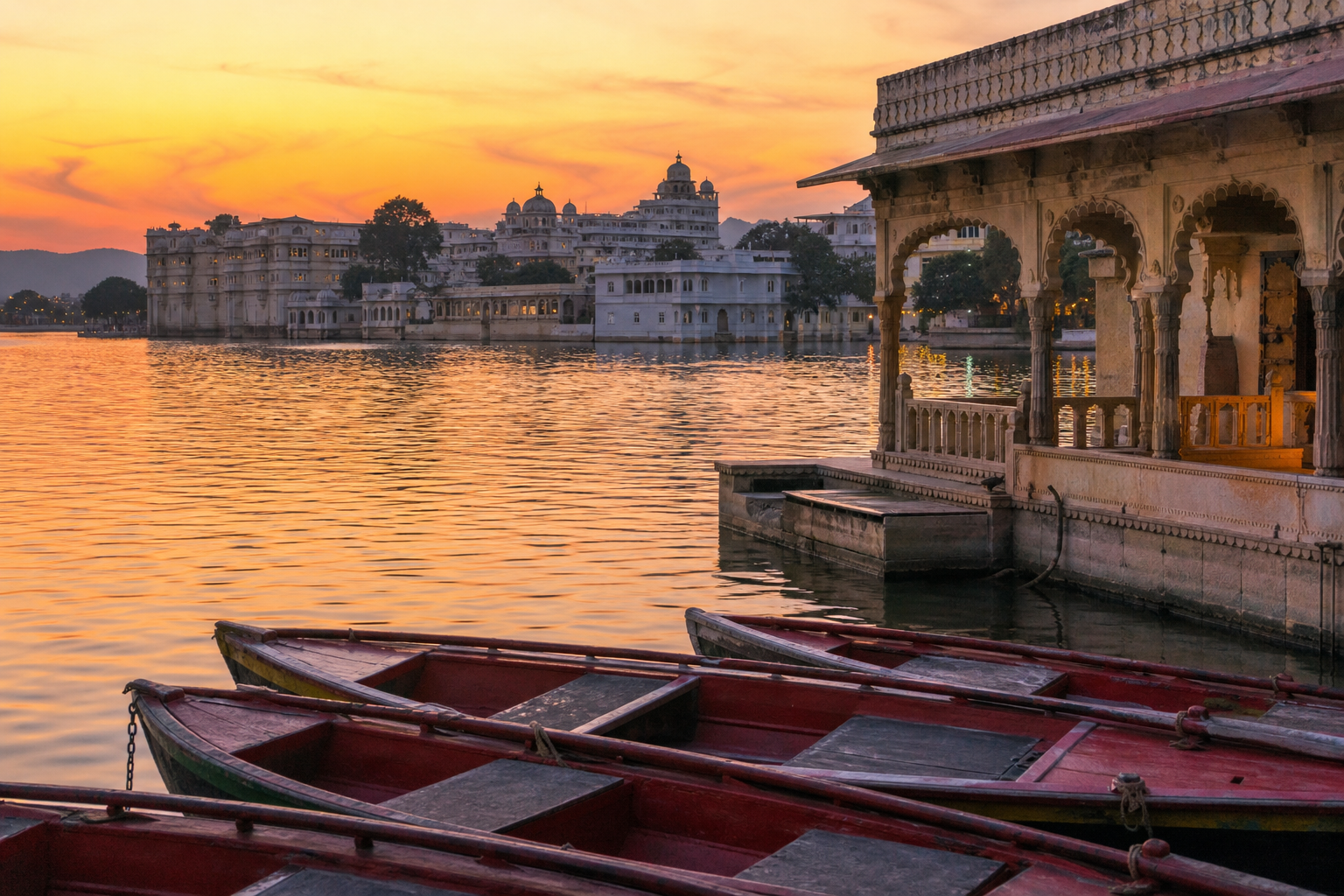
The river is at its quietest in the early morning. You will see people bathing, priests preparing offerings, laundry workers beginning their day, and birds skimming the water. The light slowly turns the sandstone buildings gold.
Agree on the boat price before boarding. A private boat costs more than a shared one, but splitting it with other travelers can keep the fare reasonable. Carry a light jacket in winter and a scarf or hat in warmer months.
### 2. The Ghats on Foot
The stretch between **Assi Ghat and Dashashwamedh Ghat** is one of the best walks in Varanasi. It is not a smooth, relaxed promenade—you will meet steps, puddles, stray dogs, vendors, pilgrims, and plenty of people—but it gives you a close look at daily life.
I liked stopping at smaller ghats rather than spending the whole morning at the famous ones. Sit for a few minutes, have a cup of tea, and watch without turning every moment into a photograph.
At Manikarnika Ghat, cremations take place. Be respectful. Do not take photographs, and avoid treating the area like a sightseeing performance.
### 3. Evening Ganga Aarti
The ceremony at Dashashwamedh Ghat is dramatic, crowded, and full of bells, fire, incense, and chanting. Arrive at least an hour early if you want a place on the steps. You can also watch from a boat, though the river becomes crowded with vessels.
The smaller aarti at Assi Ghat is often easier to experience. It has a more open, community feeling, and I found it less stressful than fighting through the biggest crowd downtown.
Keep your phone and wallet secure. The crowd can become tightly packed.
### 4. Sarnath and the Quiet Side of the City
About 10 kilometres from Varanasi, Sarnath is where the Buddha is believed to have delivered his first sermon. The archaeological site, Dhamek Stupa, and nearby museum provide a calmer contrast to the intensity of the old city.
Go early, especially if visiting in the warmer months. If you have time, walk beyond the main tourist area and visit one of the monasteries. The atmosphere changes completely—fewer horns, more birdsong, and space to think.
## Practical Travel Advice
### Getting There and Visa
Varanasi’s airport is **Lal Bahadur Shastri International Airport**, around 25 kilometres from the old city. There are frequent domestic flights from Delhi, Mumbai, Bengaluru, Kolkata, and other major Indian cities.
If you are flying from abroad, Delhi or Mumbai is often the easiest entry point, followed by a domestic connection. Train travel is another useful option, especially from Delhi, Kolkata, or Agra, but book well ahead through the official Indian Railways website or a trusted booking platform.
Most foreign visitors need a visa for India. Many nationalities can apply for an **Indian e-Visa**, but rules, eligible airports, permitted stay, and processing times can change. Apply through the official Indian government visa website, not an unofficial agency charging extra fees. Your passport generally needs sufficient validity and blank pages, so check the current requirements before booking non-refundable travel.
### Where to Stay
**Assi Ghat:**
Best for first-time visitors who want a slightly calmer base, sunrise walks, cafés, and guesthouses. It is still lively but less overwhelming than the lanes near the main temple area.
**Godowlia and the old city:**
Choose this if you want to be close to Vishwanath Temple, the main ghats, street food, and the thickest part of Varanasi’s atmosphere. Hotels can be harder to reach by car because many lanes are pedestrian-only.
**Cantonment:**
A more practical choice for larger hotels, families, and travelers who prefer quieter streets and easier vehicle access. You will need an auto-rickshaw or taxi to reach the ghats.
I would not choose a hotel solely because it advertises a “Ganga view.” Some rooms look over rooftops or narrow river slivers rather than the wide panorama suggested in photographs. Read recent reviews carefully.
### Getting Around
The old city is best explored on foot. Wear comfortable shoes with good grip—the paving can be uneven, and monsoon rain leaves puddles.
For longer distances, use:
– **Auto-rickshaws and e-rickshaws:** Cheap and widely available, but agree on the fare first.
– **App-based rides:** Uber and local ride services operate in Varanasi, although drivers may not be able to reach narrow lanes.
– **Taxis:** Useful for airport transfers, Sarnath, and day trips.
– **Boat rides:** Ideal for seeing the ghats, but prices vary widely depending on timing and boat size.
Ask your hotel for the nearest vehicle pickup point. A driver may drop you at a main road, leaving you to walk the last few hundred metres through the lanes.
## Real Costs and Local Tips
Prices change with season and demand, but these are reasonable daily estimates for **one person**, excluding flights.
### Budget travel: ₹1,800–₹3,000 per day
– Simple guesthouse: ₹700–₹1,500
– Local meals and snacks: ₹300–₹600
– E-rickshaws and short rides: ₹200–₹400
– Shared boat or basic sightseeing: ₹300–₹700
### Mid-range travel: ₹5,000–₹9,000 per day
– Comfortable hotel: ₹3,000–₹6,000
– Restaurant meals and cafés: ₹800–₹1,500
– Private transport and sightseeing: ₹800–₹1,500
– Private sunrise boat: extra, depending on the boat and negotiation
The local currency is the **Indian rupee (INR)**. Cash is still useful for tea stalls, small temples, boat rides, and rickshaws, although UPI and card payments are common in hotels and established restaurants. Foreign visitors may not always be able to use Indian UPI apps, so keep smaller rupee notes with you.
Tipping is not compulsory, but rounding up or leaving **5–10%** in restaurants for good service is appreciated. For guides, drivers, and hotel staff, a modest tip is fine.
### A Few Ways to Save Money and Stay Sane
– **Check boat prices with two or three people before agreeing.** The first quote is often not the final one.
– **Carry your hotel address in Hindi.** A phone map pin can be confusing in the old lanes, especially when several streets have similar names.
– **Eat where local families are eating, but start gently.** Try kachori-sabzi, tamatar chaat, lassi, and jalebi, but avoid sampling every rich dish on your first morning.
– **Keep a cloth bag and water bottle with you.** Shops often offer plastic bags, and walking in the heat makes hydration important.
– **Do not pay unofficial “guides” at temple entrances.** Use official counters or ask your hotel to arrange a registered guide.
– **Book early for October to March.** Varanasi becomes much busier during the cooler season and around major festivals.
AI could plan my Varanasi trip in seconds. It could arrange the best order for Sarnath, the ghats, and the evening aarti. What it could not do was tell me when to stop following the schedule—to sit beside the river, listen to a distant temple bell, and let the city speak in its own untidy way.
That, more than any checklist, is what I carried home.
KEYWORDS: Varanasi ghats, Ganges river