
# Illinois on a Weekend Break: Lakefront Walks, Chicago Energy, and the Quieter Charm of Evanston
Illinois has been having a big moment. Recent tourism reports, including coverage from *Evanston Now*, point to record-breaking visitor numbers and spending across the state—and after spending time around Chicago and Evanston, I can see why. You can have world-class museums, deep-dish debates, peaceful lakefront walks, lively neighborhoods, and small-town road-trip stops without covering huge distances.
For a first visit, I’d combine Chicago with two or three days in Evanston. Chicago brings the energy; Evanston gives you room to breathe.
## The Vibe & When to Go
Illinois feels different depending on the season. Summer is lively and warm, with crowded patios, festivals, baseball games, and long evenings beside Lake Michigan. Autumn is my favorite time for a road trip: the air turns crisp, the trees change color, and the crowds thin out. Spring can be wonderfully fresh, although the weather has a habit of changing its mind by lunchtime.
If you’re visiting in late spring or summer, pack light layers, sunscreen, and a rain jacket. Lake Michigan can make an otherwise warm day feel surprisingly cool, especially in Evanston. Winter is beautiful in its own way, but snow, wind, and icy sidewalks can slow everything down.
The current tourism buzz makes this a good time to visit, but you don’t have to follow the busiest path. Stay a little outside downtown Chicago, use the train, and spend time in neighborhoods where people actually live. That’s where Illinois starts to feel less like a checklist and more like a place.
## Must-See Spots: My Top Picks
### 1. Evanston’s Lakefront and Northwestern University
Evanston is one of my favorite places to slow down. Start near Clark Street or the Northwestern campus, then walk toward the lake. The shoreline views are wide and open, and on a clear day you can see Chicago’s skyline far to the south.
The Northwestern campus is especially pleasant for a quiet wander. The Gothic buildings, tree-lined paths, and lake views make it feel more like a small college town than a suburb beside a major city. Just remember that some university buildings and facilities may have restricted access during events.
For a relaxed afternoon, grab coffee or lunch in downtown Evanston, then walk along the lakefront before sunset. The beaches can be busy in summer, but the stretches between them are often calmer.
### 2. Chicago’s Architecture Along the River
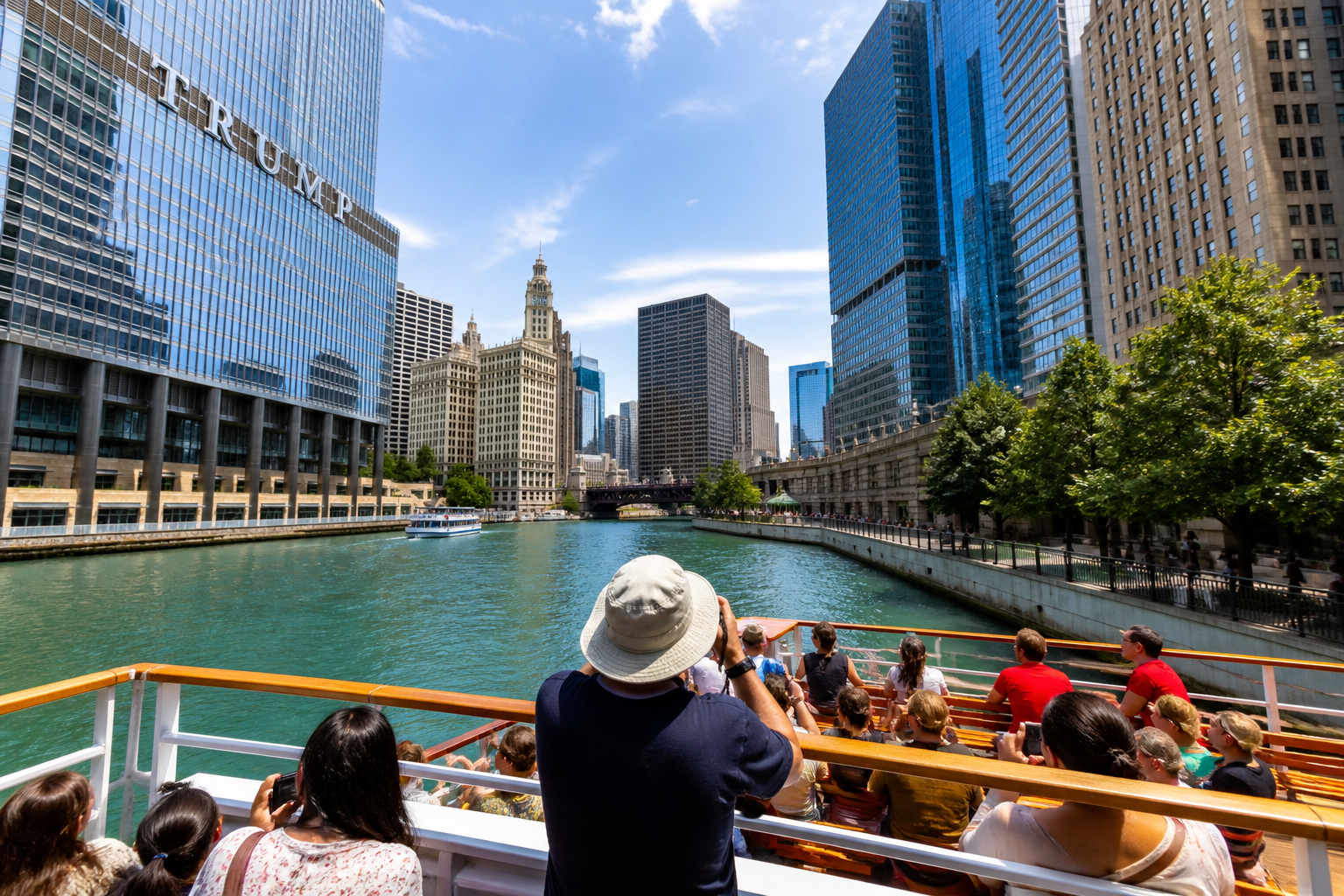
Chicago’s architecture cruise is popular for good reason, but you can also enjoy the riverfront without booking anything. Walk along the Chicago Riverwalk and look up—the city’s buildings tell the story better than most guidebooks do.
If you do take a boat tour, book ahead for a late-afternoon departure. The light softens the glass towers, and the breeze is a welcome break on a hot day. Bring a layer even in summer; the river can feel chilly.
I also like wandering through the Loop early in the morning, before the sidewalks fill with office workers. From there, you can reach Millennium Park, the Art Institute of Chicago, and the lakefront on foot.
### 3. The Art Institute and Museum Campus
The Art Institute deserves several hours, not a rushed visit squeezed between lunch and a train. I usually choose a few sections rather than trying to see everything. The Impressionist rooms are a favorite, but the American galleries and modern collections are just as rewarding.
If the weather is good, continue south to Museum Campus. The views back toward the skyline are some of the best in the city, especially near Adler Planetarium. It’s a simple place to sit with a sandwich and watch sailboats move across the lake.
### 4. A Taste of Illinois Beyond Chicago
If you have a car, leave the city for a day. Starved Rock State Park is a popular choice for wooded trails, seasonal waterfalls, and sandstone canyons. Go early on weekends because parking fills quickly.
For history, Springfield offers the Abraham Lincoln Presidential Library and Museum, the Lincoln Home National Historic Site, and the feel of a smaller state capital. It’s too far for a casual day trip from Chicago, but it works well as part of a longer Illinois road trip.
Closer to Chicago, towns such as Oak Park, Geneva, and Galena offer distinct architecture, shopping, and restaurants without the pace of downtown.
## Practical Travel Advice
### Getting There and Visa Requirements
Chicago is the main gateway, with two major airports:
– **O’Hare International Airport (ORD):** The largest airport, with extensive domestic and international connections.
– **Midway International Airport (MDW):** Smaller and often convenient for domestic flights, especially on Southwest.
For international visitors, entry rules depend on your passport and nationality. Travelers from Visa Waiver Program countries generally need an approved **ESTA** and may visit for up to 90 days for tourism. Other travelers need a visitor visa. Your passport should be valid for the required period, and you may be asked to show onward travel and accommodation details.
Check the U.S. Department of State and U.S. Customs and Border Protection websites before booking. Airline prices often drop when you compare both Chicago airports and avoid Friday evening arrivals. If you’re staying in Evanston, O’Hare is usually the more convenient airport.
### Where to Stay
**Evanston:** Best for a quieter stay, lake access, good restaurants, and easy train rides into Chicago. It suits couples, families, and anyone who prefers neighborhood cafés to downtown noise.
**River North or the Loop:** Convenient for first-time visitors who want museums, architecture, shopping, and restaurants close by. Prices can be high, especially during summer weekends and major events.
**West Loop:** A strong choice for food lovers. The restaurant scene is excellent, though accommodation can be pricey.
**Wicker Park or Logan Square:** Better for nightlife, independent shops, bars, music venues, and a more local atmosphere. You’ll spend more time on trains or buses if your main goal is downtown sightseeing.
**Oak Park:** A good compromise for travelers who want residential streets, historic architecture, and easy rail access to Chicago.
### Getting Around
Chicago and Evanston are much easier without a car than many visitors expect.
– Use the **CTA** trains and buses for Chicago.
– The **Purple Line** connects Evanston with downtown Chicago during its operating hours, though some trips require a transfer.
– The **Metra UP-N line** is useful between downtown Chicago and Evanston, especially if you’re near Ogilvie Transportation Center.
– Buy and load a **Ventra** card or use contactless payment where accepted.
– Walking works well in central Chicago, Evanston, Oak Park, and many neighborhood districts.
– Uber and Lyft are widely available, but traffic can make short rides expensive and slow.
– A rental car is helpful for Starved Rock, Springfield, Galena, and other destinations outside the rail network.
I wouldn’t rent a car just for a Chicago-and-Evanston trip. Parking is expensive, and finding a space can eat up more time than the drive itself.
## Real Costs and Local Tips
Illinois uses the U.S. dollar. Prices vary sharply by neighborhood, but these are realistic daily estimates per person, excluding flights:
### Budget travel: **$90–$150 per day**
– Shared room or simple hotel: $45–$90
– Casual meals: $25–$45
– Public transit: $5–$10
– Free attractions and one modest paid activity
### Mid-range travel: **$180–$320 per day**
– Comfortable hotel: $120–$220 per room, often more on busy weekends
– Restaurants and coffee: $50–$85
– Transit, occasional rideshare, and attractions: $25–$60
Chicago restaurants generally expect a **15–20% tip** before tax for good table service. Bartenders often receive $1–$2 per drink, while hotel housekeeping and taxi or rideshare drivers are also commonly tipped. Check your bill before adding anything—some restaurants include a service charge.
A few things that saved me money:
– **Use free city views:** The lakefront, Riverwalk, Millennium Park, and many neighborhood festivals cost nothing.
– **Buy attraction passes only if you’ll use them:** They can save money, but not if you’re planning a slow museum schedule.
– **Eat away from the most obvious tourist blocks:** Evanston’s Central Street, Chicago’s Pilsen, and neighborhood spots in Logan Square often offer better value than restaurants right beside major attractions.
– **Travel on weekdays when possible:** Hotels and attractions are usually less expensive, and trains feel less crowded.
– **Carry a refillable water bottle:** Chicago’s tap water is perfectly drinkable, and summer sightseeing makes hydration important.
– **Check event calendars before booking:** Concerts, conventions, sports games, and festivals can push hotel prices sharply higher.
Illinois’ record tourism numbers are easy to understand once you spend a few days here. The state gives you big-city culture without requiring every hour to be busy. One morning can mean coffee beside the lake in Evanston; that evening, you can be looking up at skyscrapers from the Chicago River. That mix is what keeps bringing people back.
KEYWORDS: Evanston Illinois