
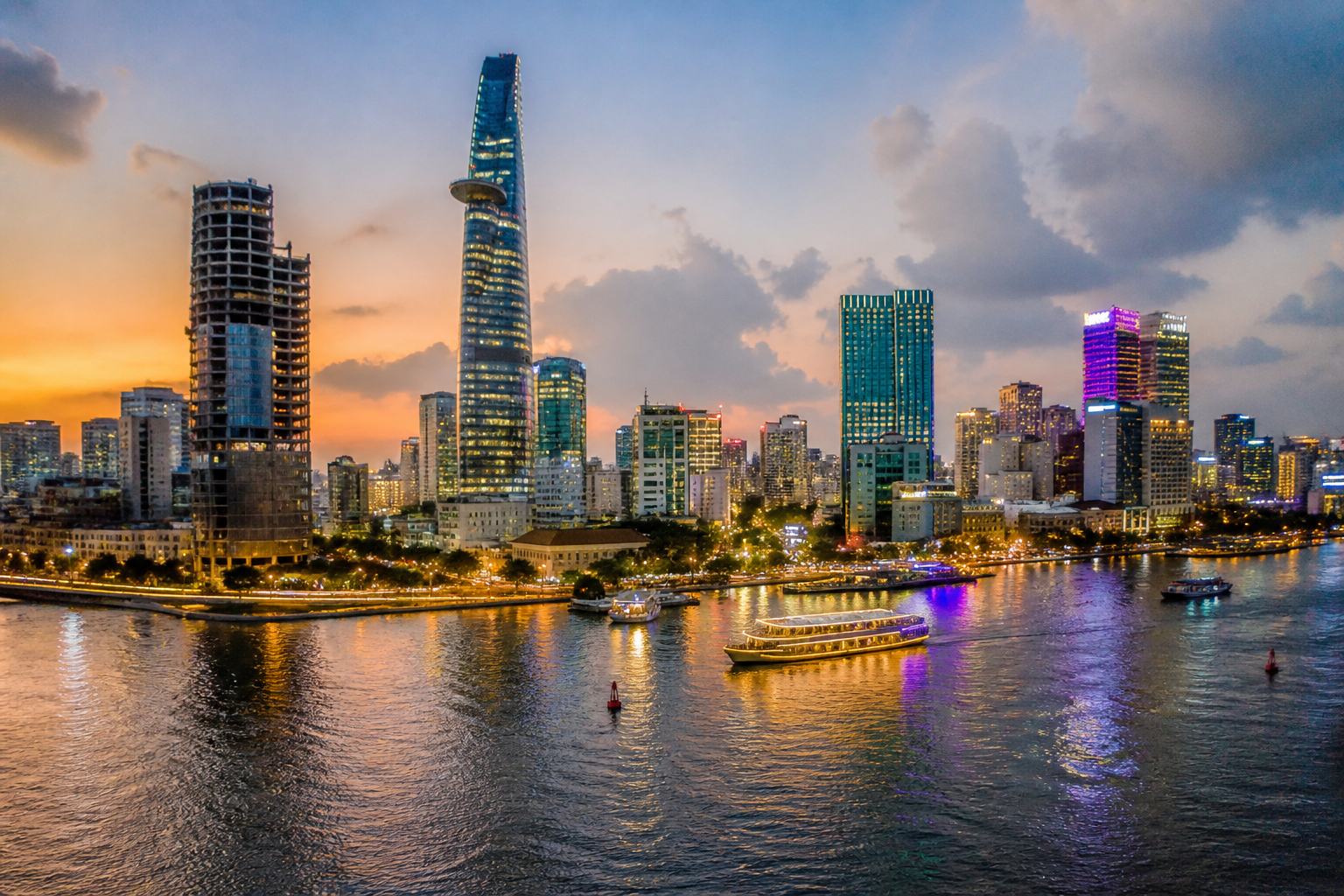
# Ho Chi Minh City After Its 2026 World Travel Awards Win: Food, Street Life, and My Favorite Corners
Ho Chi Minh City has just added three more World Travel Awards to its growing travel reputation in 2026, and honestly, the recognition feels believable the moment you arrive. This is a city that can take you from a quiet old apartment café to a roaring scooter intersection, then serve you an excellent bowl of noodles before you’ve even finished asking where to eat.
The awards are a nice headline, but the real reason to visit is simpler: Ho Chi Minh City is lively, generous, slightly chaotic, and full of small surprises.
## The Vibe and When to Go
Ho Chi Minh City feels fast without always feeling hurried. Scooters stream around corners, street vendors set up before sunrise, and tiny cafés appear in spaces that look too narrow for a chair, let alone a kitchen. The city is modern and ambitious, but its older layers are still easy to find in markets, colonial-era buildings, family restaurants, and shaded backstreets.
The dry season, generally from **December to April**, is the easiest time for sightseeing. Days are hot, often around 30°C or higher, but rain is less likely to interrupt your plans. March and April can feel especially warm, so I like starting early and saving museums, cafés, and long lunches for the hottest part of the afternoon.
The rainy season usually runs from **May to November**. Don’t rule it out. Showers can be heavy but brief, and hotel prices may be friendlier. Keep a small umbrella in your day bag, and avoid planning your only outdoor activity for late afternoon.
The city’s three 2026 World Travel Awards are another reason Ho Chi Minh City is getting attention, particularly among business, events, and leisure travelers. But it still rewards the curious traveler who is happy to turn down an ordinary-looking alley and see where it leads.
## Must-See Spots: My Favorite Places in the City
### 1. District 1 at sunrise
District 1 is the obvious starting point, but it’s much better before the crowds and heat arrive. I like walking around **Nguyen Hue Walking Street**, then continuing toward the **Central Post Office**, Notre-Dame Cathedral area, and the older streets near Dong Khoi.
The cathedral has been under restoration for some time, so check the current access situation before planning your visit. The Central Post Office, however, remains a lovely stop. It is still a working post office, not just a photo backdrop, and sending a postcard from there is a small travel ritual I enjoyed more than expected.
For a quieter moment, look for the **Café Apartments at 42 Nguyen Hue**. The building is packed with independent cafés and shops, although the stairs can be worn and uneven. Take the lift if you don’t want to climb; there may be a small fee.
### 2. Ben Thanh Market—and the streets beyond it
Ben Thanh Market is busy, colorful, and unapologetically touristy. Go for the atmosphere rather than expecting a peaceful shopping experience. The food section is a good place to sample small dishes, though prices can vary depending on how much the vendor thinks you know.
I usually walk through the market once, then head toward the smaller streets around **Co Giang** and **Calmette**. That’s where you’ll find more everyday food stalls, local coffee shops, and casual restaurants filled with office workers.
If you shop at Ben Thanh, smile, bargain politely, and be prepared to walk away. You don’t have to buy anything just because you asked the price.
### 3. The War Remnants Museum
This is one of the city’s most powerful museums, and it is not an easy visit. The exhibitions document the Vietnam War and its aftermath through photographs, military equipment, and personal stories. Some displays are emotionally difficult, so give yourself time afterward rather than rushing straight into another attraction.
I recommend going in the morning, when you have more energy to take it in. Afterward, find a quiet café nearby and sit for a while. It’s the kind of place that deserves reflection, not a quick tick on a sightseeing list.
### 4. Cholon and Binh Tay Market
For a different side of Ho Chi Minh City, spend half a day in **Cholon**, the city’s historic Chinese quarter in District 5. The area has a slower, more traditional feel than central District 1, with herbal medicine shops, temples, wholesale markets, and restaurants specializing in dishes influenced by Cantonese and Teochew cooking.
**Binh Tay Market** is less polished than Ben Thanh and feels more connected to local trade. Nearby, the **Thien Hau Temple** is a beautiful stop, especially when incense smoke hangs in the air and people come to make offerings.
Wear comfortable shoes. Cholon is best explored without trying to squeeze too many attractions into one afternoon.
## What to Eat While You’re Here
You could spend an entire trip eating through Ho Chi Minh City and still leave with a list of things you missed.
My personal shortlist:
– **Banh mi** for breakfast or a late-night snack
– **Com tam**, broken rice served with grilled pork, egg, pickles, and fish sauce
– **Hu tieu**, a lighter noodle soup with southern Vietnamese roots
– **Banh xeo**, a crisp savory pancake wrapped in herbs and lettuce
– **Oc**, Vietnamese-style snails and shellfish, usually ordered with several sauces
– **Vietnamese iced coffee**, strong, sweet, and excellent when you need a break from the heat
Look for stalls with a steady stream of local customers. A busy little restaurant is usually a better sign than a large menu printed in perfect English.
## Practical Travel Advice
### Getting there and visa requirements
Most international visitors arrive at **Tan Son Nhat International Airport**, which is close to the city center but can become very congested during rush hour.
Vietnam offers an **e-visa of up to 90 days**, with single- and multiple-entry options available for eligible travelers. Apply through the official Vietnamese immigration website rather than a random agency that charges extra fees. Your passport should generally have at least six months’ validity, and you should check the latest entry rules before booking.
Double-check every detail on the e-visa application, especially your name, passport number, arrival date, and port of entry. A small mistake can create a very stressful arrival.
From the airport, you can use:
– **Grab**, booked through the app
– Official airport taxis from the designated taxi area
– A pre-arranged hotel transfer if arriving late at night
Avoid accepting rides from anyone who approaches you inside the terminal offering a “special taxi.”
### Flight tips
Tan Son Nhat gets particularly busy in the evening. If you have a tight connection or an early morning departure, leave more time than you think you need. Domestic and international terminals are separate, and traffic around the airport can be unpredictable.
A flight arriving before 9 a.m. is often easier than one landing during the late afternoon commute.
### Where to stay
**District 1** is best for first-time visitors. You’ll be near major sights, restaurants, bars, cafés, and plenty of hotel choices. It can be noisy, especially around nightlife streets.
**District 3** is my favorite compromise. It is close to the main attractions but feels more residential, with leafy lanes, local restaurants, and attractive old villas. It suits travelers who want convenience without staying right in the busiest center.
**District 5** is a good choice for food lovers and anyone interested in Cholon. It has a more local atmosphere and often better-value hotels, though you may rely on rides to reach District 1.
**Thao Dien in District 2** has stylish cafés, international restaurants, apartment hotels, and a relaxed expat scene. It is comfortable for longer stays, but it is not the best base if you want to walk to the historic center.
### Getting around
You can walk around central District 1, District 3, and parts of District 5, but crossing major roads takes patience. Walk steadily and predictably rather than darting between scooters.
For longer distances, **GrabBike** is often the quickest and cheapest option if you are comfortable riding on a motorbike. GrabCar is useful in the rain or when carrying luggage. Other local ride-hailing apps are available, but Grab is generally the easiest for visitors.
Public buses are inexpensive, though routes can be confusing at first. The **Metro Line 1**, connecting Ben Thanh with the eastern part of the city, adds another useful option for certain journeys. It won’t replace rides everywhere, but it can help avoid road traffic on its route.
Always check the vehicle plate and driver details in the app before getting in.
## Realistic Costs and Local Tips
Vietnam uses the **Vietnamese dong (VND)**. Prices change, but a rough guide is:
### Budget travel
Around **500,000–800,000 VND per day** if you stay in a hostel or basic guesthouse, eat mainly local food, use GrabBike, and choose free or inexpensive attractions.
### Mid-range travel
Around **1,200,000–2,500,000 VND per day** for a comfortable hotel, a mix of street food and restaurants, several rides, coffee stops, and paid attractions.
Luxury hotels and cocktail bars can push the daily total much higher, especially in District 1.
Tipping is not compulsory. At casual restaurants, rounding up or leaving a small amount is appreciated but not expected. For excellent service at a nicer restaurant, 5–10% is generous. Check the bill first, as some hotels and restaurants already add a service charge.
### A few tricks that saved me money
– **Use Grab instead of negotiating with random taxis.** You see the fare before the ride and avoid most confusion.
– **Carry smaller notes.** Street vendors and small cafés may not have change for large bills.
– **Eat where locals eat.** A busy plastic-stool restaurant often offers a better meal at a fraction of the price of a tourist-facing venue.
– **Bring earplugs if you are a light sleeper.** Traffic, karaoke, construction, and neighborhood life can all start early.
– **Ask for the price before ordering seafood or market food.** This avoids surprises and makes the exchange comfortable for everyone.
– **Keep your phone away from the road.** Motorbike snatching is uncommon for careful travelers but does happen, especially near busy streets.
Ho Chi Minh City’s new 2026 awards may bring even more attention, but the city’s appeal is found in the everyday details: a steaming bowl eaten on a tiny stool, a grandmother arranging fruit at a market stall, the smell of coffee drifting from an upstairs café, and the strange satisfaction of crossing a six-lane road without panicking.
Give yourself a few days, keep your plans flexible, and let the city show you more than its headline attractions.
KEYWORDS: Ho Chi Minh City, Vietnam street food