
# Seychelles Beyond the Postcard: My Favorite Beaches, Island Hops, and Honest Budget Tips
Seychelles is often shown as a row of perfect granite rocks, turquoise water, and nobody else on the beach. That picture is real—but it only tells part of the story.
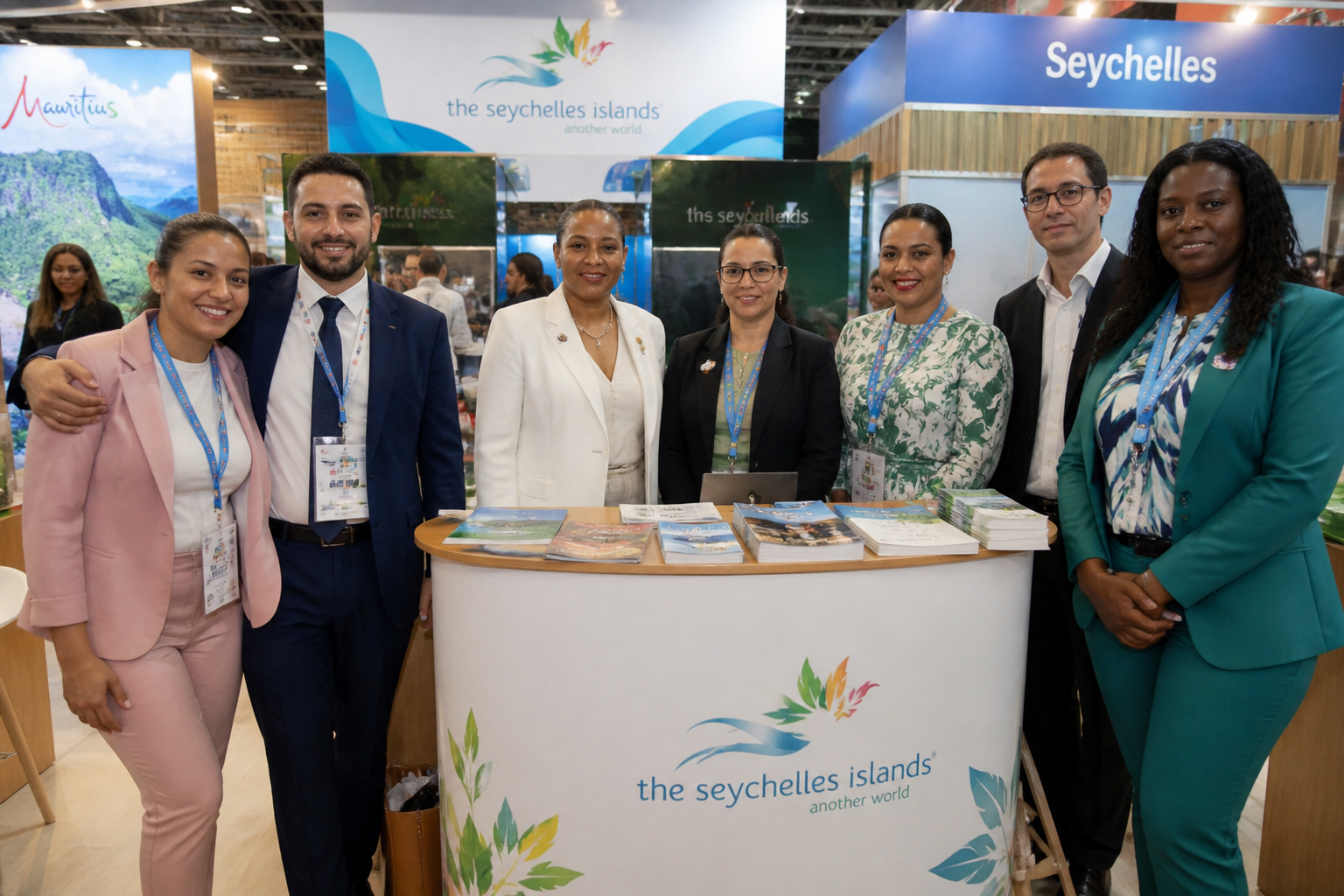
What stayed with me was the quieter side of the islands: roadside fruit stalls, the smell of cinnamon and grilled fish, buses climbing sharply around Mahé, and the easy pleasure of swimming before breakfast. With French travel partners now helping position Seychelles for 2027 after the country’s presence at IFTM Top Resa, more travelers will likely be looking closely at the islands. My advice is simple: go, but leave room for slow mornings and a little island improvisation.
## The Vibe and When to Go
Seychelles feels relaxed without being sleepy. Life follows the weather, the ferry timetable, and the catch of the day more than a strict schedule. English, French, and Seychellois Creole are widely spoken, so even a basic “bonzour” usually gets a warm response.
The islands are tropical all year, but the wind changes the experience:
– **May to October:** The southeast trade winds bring drier weather and cooler evenings. Beaches on the northwest side of the islands are often calmer.
– **November to March:** The northwest monsoon brings warmer, more humid conditions and occasional heavy showers. The sea is often gentler in sheltered areas.
– **April and October:** These transition months can bring especially calm seas and good snorkeling, though weather is never guaranteed.
If you are planning around 2027, book early for the busiest European holiday periods, especially July, August, and December. Seychelles has limited accommodation compared with a large resort destination, and the best small guesthouses disappear quickly.
## Must-See Spots: My Top Picks
### 1. Anse Lazio, Praslin
Anse Lazio is famous for good reason, but I enjoyed it most by arriving early. Before the day-trippers appeared, the beach felt wonderfully quiet: smooth granite boulders, thick green forest, and clear water that made it hard to stop swimming.
Bring water and something to eat, since prices at beach cafés can be high. The sea can have stronger currents at times, so I would not treat this as a completely carefree swimming spot. If you have time, walk toward nearby Anse Georgette, but check access rules if it falls within a resort property.
### 2. La Digue by Bicycle
La Digue is the island I still think about when someone mentions Seychelles. Most visitors get around by bicycle, and that is exactly the right pace. You pass ox carts, tiny houses, jungle paths, and stretches of coast where you can stop whenever the light looks good.
Anse Source d’Argent is the famous stop, with enormous granite formations and shallow, bright water. It can be busy, so I preferred going early or late in the afternoon. For a quieter outing, cycle toward Grand Anse and Petite Anse. The road becomes hillier, and some routes are better suited to confident cyclists, but the scenery is beautiful.
A small practical detail: bring cash for bicycle hire and check the brakes before setting off. Electric bikes are available in some places, but they can sell out during busy periods.
### 3. Victoria and the Mahé Coast
Victoria is small enough to explore on foot in a morning. I liked starting at the market, where you can find tropical fruit, spices, fresh fish, and the occasional lively exchange between vendors. The market is much more interesting early in the day than after lunch.
From there, walk past the clock tower and continue toward the waterfront. Then leave the capital behind and follow the coastal road. The route toward Beau Vallon is easy to combine with a beach afternoon, while the southern part of Mahé feels greener and less developed.
For a local meal, look for takeaway shops serving Creole food—often rice with grilled fish, octopus curry, lentils, or chutney. They may not look fancy, but they are usually more satisfying than an expensive hotel lunch.
### 4. A Beach Day at Anse Royale
Anse Royale was one of my favorite places for a slower beach day. The bay is broad, palms lean over the sand, and the water is often pleasantly calm near the reef. There are small shops, food stalls, and places to grab a simple lunch, so you do not need to pack everything.
The beach is also practical for travelers who want a mix of swimming and everyday island life. It does not feel as isolated as some of the smaller coves, and buses make it easier to reach without renting a car.
## Practical Travel Advice
### Getting There and Visa Requirements
Most international visitors do not need a traditional visa for Seychelles, but everyone must obtain a **Seychelles Travel Authorisation** before departure. Apply through the official government platform and allow time for processing.
You will generally need:
– A valid passport
– Confirmed accommodation
– A return or onward ticket
– Proof that you can support yourself during the trip
– Any required health documents, depending on your recent travel history
Check the official Seychelles immigration and travel health websites before booking, since requirements can change.
Flights usually arrive at **Seychelles International Airport on Mahé**. Depending on where you are coming from, useful connections include Doha, Dubai, Addis Ababa, Istanbul, and some European gateways. From France, compare routes through Paris with connections through Doha or Dubai; the cheapest fare is not always the easiest once you add long layovers and baggage fees.
If you are visiting Praslin or La Digue, remember to factor in the transfer from Mahé. The ferry to Praslin takes roughly an hour, with La Digue usually another short ferry ride from Praslin. Flights to Praslin are faster but usually more expensive.
### Where to Stay
– **Victoria:** Best for short stays, markets, ferries, and travelers who want practical transport rather than a resort atmosphere.
– **Beau Vallon:** A good choice for first-time visitors, swimming, sunsets, restaurants, and a lively beach scene.
– **Anse Royale or the southeast coast:** Better for a quieter stay with access to local food and less resort-heavy surroundings.
– **Praslin:** Ideal for beaches, nature, and a relaxed island rhythm. Stay near Côte d’Or for convenience or closer to Anse Lazio for a more peaceful feel.
– **La Digue:** Choose this if you want to wake up to bicycle bells and spend your days exploring slowly. Staying at least two nights makes the island much more enjoyable.
Guesthouses and self-catering apartments can offer better value than large resorts, especially for couples or families staying a week or more. Always check whether breakfast, airport transfers, and taxes are included.
### Getting Around
Mahé and Praslin have public buses, and they are cheap, scenic, and sometimes surprisingly adventurous on steep roads. They are not always convenient with large luggage, and service can be less frequent in the evening.
Rental cars are useful on Mahé and Praslin. You drive on the left, roads can be narrow, and some bends are sharp, so take it slowly. Parking near popular beaches may be limited.
Taxis are available, but agree on the fare before leaving if the meter is not being used. Ride-hailing coverage is limited compared with major cities, so do not rely on Uber or a similar app. Hotels and guesthouses can arrange transfers, though this may cost more.
On La Digue, bicycles are the main form of transport. Ferries are reliable enough for planning, but seas can be rough during windy periods. If you are prone to motion sickness, sit outside or bring medication.
## Real Costs and Local Tips
Seychelles is not a budget destination, but you can keep costs under control.
### Approximate daily budgets per person
**Budget-conscious traveler: SCR 1,200–2,000**
– Guesthouse or shared accommodation
– Local takeaway meals
– Public buses and bicycles
– A few free beaches and self-guided walks
**Mid-range traveler: SCR 3,500–6,500**
– Comfortable guesthouse or small hotel
– A restaurant meal most days
– Ferry trips or occasional taxi rides
– One boat trip, guided walk, or snorkeling excursion
Resort stays, private boat charters, and diving can push the daily cost much higher. Prices also rise during school holidays.
The local currency is the **Seychellois rupee (SCR)**. Cards are accepted at many hotels, restaurants, and tour companies, but carry cash for buses, small shops, beach snacks, and bicycle rental. Tipping is not compulsory because service charges are often included. If someone gives genuinely good service, a small tip of around 5–10% is appreciated.
A few things that saved me money:
– **Eat at takeaway counters** rather than ordering every meal at a resort. Portions are often generous and the food is more local.
– **Book ferries and popular excursions ahead** during busy seasons, but compare prices directly with operators instead of booking the first package offered by a hotel.
– **Bring reef-safe sunscreen, a reusable bottle, and basic beach supplies** from home. Island shops can be expensive.
– **Check beach conditions before swimming.** Some beaches become rough during the trade-wind season, while another side of the island may be calm and much safer.
– **Do not overpack your itinerary.** Moving between Mahé, Praslin, and La Digue takes time and money. Two islands explored properly can be more enjoyable than three rushed visits.
Seychelles is preparing for more attention from French and wider European markets, and the coming years may bring more visitors. For now, the islands still reward travelers who look beyond the famous beach photographs. Stay a little longer, eat where locals eat, take the bus at least once, and let one afternoon remain completely unplanned.
KEYWORDS: Seychelles beaches, La Digue island