
# Exploring Debe, Trinidad: Doubles, Local Life, and a Town Finding Its Place
## The Vibe & When to Go
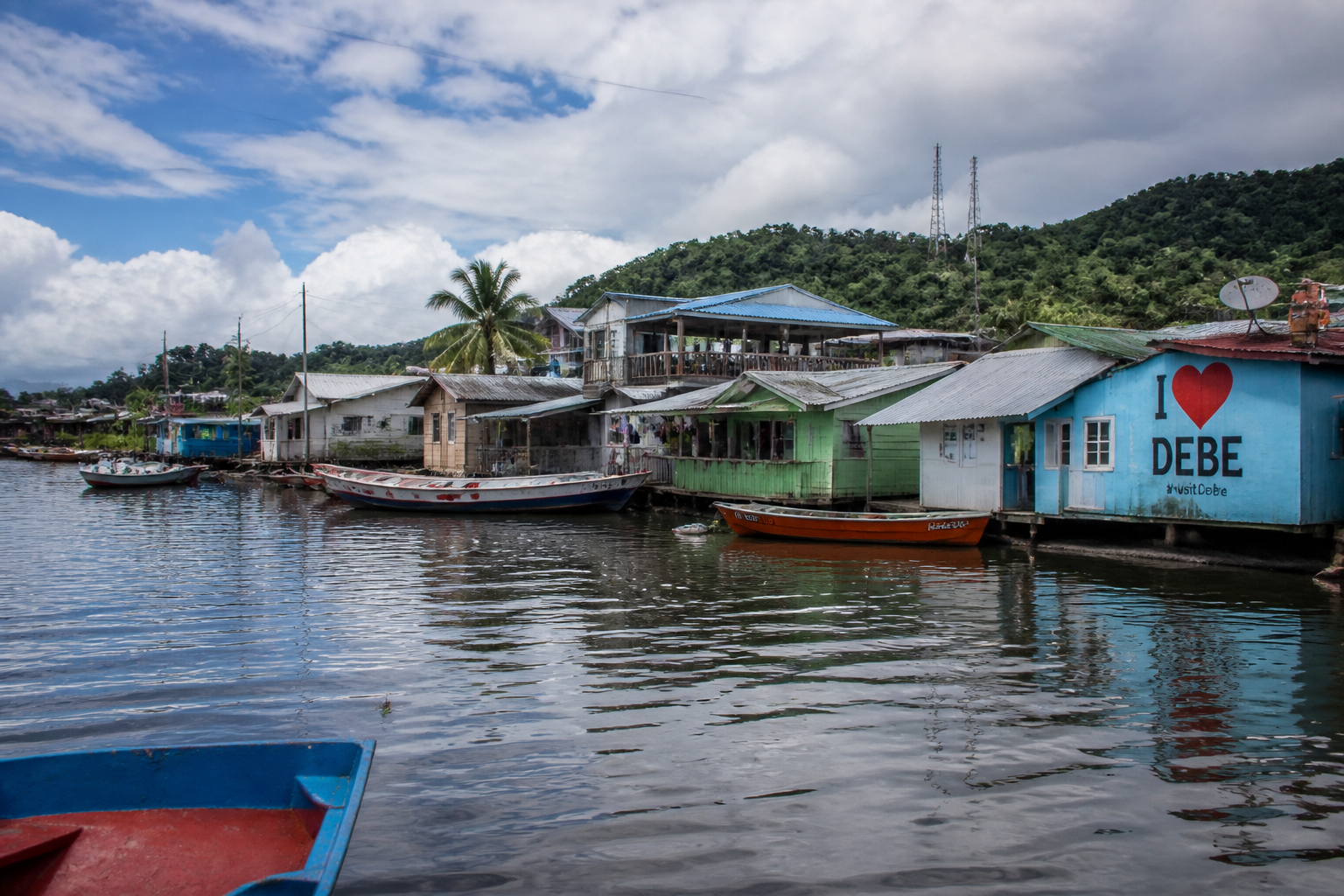
Debe is one of those Trinidadian places that makes more sense when you slow down. It is busy, practical, noisy, and wonderfully food-focused. For years, outsiders described parts of Debe as a “shanty town,” but that label misses the bigger story. The town has changed through new roads, improved public spaces, small businesses, and a growing interest in its food and cultural identity.
What has not changed is Debe’s personality. People come here to eat, shop, meet friends, catch a maxi taxi, and get on with the day. The famous doubles stands still draw the biggest crowds, but the real pleasure is seeing how local life carries on around them.
Trinidad stays warm and humid throughout the year. The drier months, usually January to May, are more comfortable for walking and day trips. June through December brings more rain, though showers often pass quickly. If you visit around **Divali, Eid, or the Christmas season**, you may see Debe at its most colorful, with special foods, religious celebrations, and family gatherings.
I would not come expecting a polished resort town. I would come hungry, curious, and ready to spend time in southern Trinidad.
## Must-See Spots: My Top Picks
### 1. Debe Junction and the doubles stalls
Start at Debe Junction, where the town’s food reputation really comes alive. The signature meal is **doubles**—two pieces of bara filled with channa, chutneys, pepper, and sometimes extra toppings such as cucumber or tamarind sauce.
Every doubles vendor has loyal customers, and asking a local where to eat is half the fun. Try one with plenty of chutney, but be careful with the pepper sauce until you know what you can handle. A single doubles is inexpensive, so sampling from more than one stand is perfectly reasonable.
Come early or around breakfast and lunch, when the food is freshest and the streets are busiest. Bring small bills, expect to eat standing up, and keep napkins close. Doubles can be delightfully messy.
### 2. The Debe market and surrounding shopping streets
The market area gives you a better sense of everyday Debe beyond its famous street food. You will find fresh produce, spices, snacks, clothing, household goods, and small shops where people exchange news as much as they exchange money.
I like visiting in the morning, when vendors are setting out their goods and the heat is still manageable. Look for local ingredients such as chadon beni, cassava, green mango, coconut, and different types of pepper. If you enjoy cooking, this is a good place to pick up seasonings and ask questions about how Trinidadians use them.
Take your time around the side streets rather than rushing from one food stop to another. Debe’s character is in those ordinary moments—shopkeepers calling to regulars, schoolchildren passing through, and families picking up breakfast.
### 3. The Debe campus and the changing townscape
The University of the West Indies’ Debe campus has helped change the way people view the area. Its presence brings students, staff, and new activity to southern Trinidad, and it is part of the wider shift from an overlooked roadside settlement to a more established town.
This is not a traditional sightseeing attraction, and you should respect campus rules and private areas. Still, it is worth seeing how new public and educational spaces sit alongside older businesses and food stalls. The contrast tells much of Debe’s story: development has arrived, but it has not erased the town’s local rhythm.
### 4. Use Debe as a base for nearby southern Trinidad
Debe is a good stop on a wider south Trinidad trip. From here, you can reach **San Fernando**, the **Temple in the Sea at Waterloo**, **La Brea’s Pitch Lake**, and parts of the central and southern coastline by car or taxi.
The Temple in the Sea is especially peaceful. The small temple stands in the water at Waterloo and carries a moving history of faith, perseverance, and indentureship. Pitch Lake is stranger and more geological, with a dark, uneven surface that feels unlike anywhere else in the country. Plan these as separate outings rather than trying to cram everything into one rushed day.
## Practical Travel Advice
### Getting There and Visa
Most international visitors arrive at **Piarco International Airport**, near Port of Spain. From the airport to Debe, allow roughly **one to one and a half hours by car**, depending heavily on traffic. The highway can move quickly, but rush-hour congestion around central Trinidad may add a lot of time.
Visa rules depend on your passport. Travelers from countries such as the United States, Canada, the United Kingdom, and many European nations are often admitted without a tourist visa for short visits, but requirements and permitted stays can change. Check Trinidad and Tobago’s official immigration guidance or your nearest consulate before booking.
Travel with:
– A passport valid for your stay, preferably with at least six months remaining
– Proof of onward or return travel
– A confirmed address for your accommodation
– Travel insurance, especially if you plan to drive or take outdoor excursions
For flights, compare routes into Piarco and avoid tight connections if you are continuing to southern Trinidad. A pre-arranged airport transfer can save stress, particularly if you land late at night.
### Where to Stay
Debe itself has limited hotel inventory, so many visitors choose a nearby base.
– **Debe:** Best for food lovers who want to stay close to the doubles stalls and experience the town after dark. Check the location carefully and confirm transport options before booking.
– **San Fernando:** The most practical choice for a wider range of hotels, restaurants, shops, and taxis. It works well for first-time visitors exploring south Trinidad.
– **Chaguanas:** Useful if you are combining Debe with central Trinidad and do not mind staying farther north.
– **Port of Spain:** Better for nightlife, museums, and a larger selection of accommodation, but it makes Debe a longer day trip.
If you stay in Debe or San Fernando, ask your accommodation about trusted local drivers. A reliable contact is often more useful than relying on a random taxi at the roadside.
### Getting Around
Debe is fairly easy to explore on foot around the junction and market, but the heat, traffic, and uneven sidewalks can make longer walks uncomfortable. Wear good shoes and avoid carrying expensive cameras or large amounts of cash in busy areas.
For local travel:
– **Maxi taxis** are shared minibuses and one of the cheapest ways to move around Trinidad. Routes can be confusing at first, so ask someone where to board and confirm the destination before getting in.
– **Taxis** are convenient for short trips and day excursions. Agree on the fare before leaving if the vehicle does not use a meter.
– **Rental cars** give you the most freedom, especially for Pitch Lake and the Temple in the Sea. Drive defensively; local traffic can be quick and unpredictable.
– **Rideshare availability** can vary by area and time of day. Do not assume an app car will be available in Debe, particularly late at night. Arrange a backup taxi number through your hotel or guesthouse.
## Real Costs and Local Tips
Trinidad and Tobago uses the **Trinidad and Tobago dollar (TTD)**. As a rough guide, **US$1 is around TTD 6.75–6.80**, though exchange rates and card charges vary.
### Daily budget estimates
These figures exclude international flights:
– **Budget traveler:** about **TTD 250–450 per day** for doubles, local meals, maxi taxis, drinks, and inexpensive activities, excluding accommodation
– **Mid-range traveler:** about **TTD 700–1,300 per day** including comfortable accommodation, restaurant meals, private taxis, and one paid excursion
A doubles or bake-and-shark-style street meal is usually far cheaper than a sit-down restaurant meal. Prices change, especially in tourist areas, so ask before ordering if a menu is not displayed.
Tipping is appreciated but not compulsory. In restaurants, check whether a service charge has already been added. If it has not, around **10 percent** is a fair tip for good service. For taxi drivers, rounding up or adding a small amount is common when the service has been helpful.
### A few tricks that made my visits easier
– **Carry small TTD notes.** Street vendors and maxi taxis may not have change for large bills.
– **Ask locals where they eat.** The busiest doubles stand is not always the only good one, and recommendations often lead to smaller, less crowded spots.
– **Do not pay for a private taxi before agreeing on the fare.** For longer trips, confirm whether the price is per car or per person.
– **Plan outdoor stops in the morning.** The sun gets strong, and a sudden shower can make roads and walking areas unpleasant later in the day.
– **Keep valuables discreet.** Debe is a working town, not a staged attraction. Travel normally, stay aware in crowded areas, and avoid wandering unfamiliar streets alone late at night.
– **Bring a reusable water bottle.** You will save money and appreciate having water between food stops.
Debe’s transformation is not a neat before-and-after story. The town still has rough edges, traffic, and areas that feel unfinished. That is part of what makes a visit feel genuine. You can taste one of Trinidad’s most beloved foods, see how a southern community is changing, and use Debe as a doorway to the history, faith, and landscapes of the wider region.
KEYWORDS: Debe Trinidad