
# Bengal by the Ganga: Kolkata, River Ghats, Old Towns, and What to Know About the New Cruise Plans
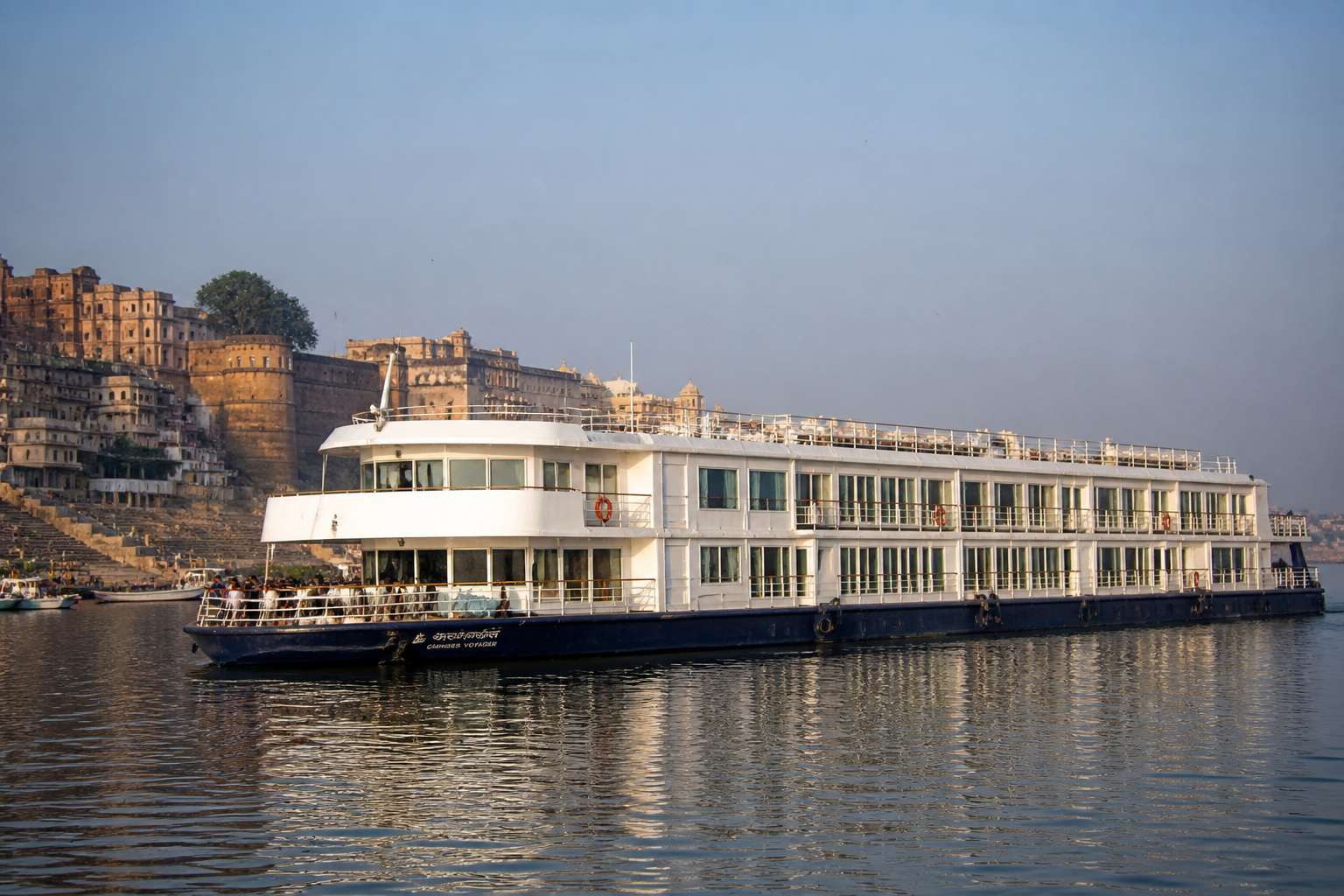
West Bengal is preparing a major tourism push, with a reported investment of around **Rs 500 crore** and plans to bring **11 cruise vessels to the Ganga**. The idea is to connect Kolkata with riverside towns, historic sites, temples, and old trading settlements in a slower, more scenic way.
I’ve always felt that Bengal reveals itself best beside the river. Kolkata can be noisy and wonderfully chaotic, but the mood changes completely once you reach the ghats. Boats move quietly across the water, priests prepare for evening rituals, and the smell of frying fish and incense follows you along the promenade.
The new cruise plans are still something to check carefully before booking, as routes, launch dates, and fares may change. For now, you can enjoy many of the same riverside experiences independently.
## The Vibe & When to Go
Bengal is warm, humid, artistic, food-loving, and full of conversations that seem to stretch over several cups of tea. Kolkata has an old-world character in parts of the city, but it is also youthful, busy, and always changing.
The most comfortable months are **October to March**, when the weather is better for walking, sightseeing, and boat rides. October and November can be especially lively because of Durga Puja, though hotels fill quickly and prices rise.
From **April to June**, the heat can be tiring, particularly around midday. The monsoon brings dramatic skies and greener riverbanks, but heavy rain can affect boat schedules and road travel. River cruises may also operate on seasonal timetables, so check directly with the operator before making firm plans.
The current cruise investment makes this a good time to visit if you enjoy seeing a destination before every riverside stop becomes heavily commercialized.
## Must-See Spots: My Top Picks
### 1. The Kolkata ghats at sunrise or sunset
Start around **Prinsep Ghat**, especially in the early morning when the air is cooler and the city feels less hurried. The white memorial, the river, passing ferries, and the view toward the Vidyasagar Setu make this one of my favorite places for an unplanned walk.
For a more local atmosphere, explore sections around **Babu Ghat** and **Armenian Ghat**. They are less polished, but that is part of their charm. You’ll see commuters using the ferries, flowers being sold for puja, and families taking a quiet moment by the water.
A short boat ride is often more enjoyable than an expensive sightseeing package. Agree on the fare and duration before boarding, and avoid accepting the first price offered.
### 2. Belur Math and Dakshineswar Kali Temple
These two important religious sites sit on opposite sides of the river and work well as a half-day outing.
**Belur Math** is calm, spacious, and beautifully maintained. Even if you are not religious, the atmosphere encourages you to slow down. Dress modestly and keep your voice low around the main buildings.
At **Dakshineswar Kali Temple**, expect crowds, especially on weekends and festival days. The temple can feel intense and colourful, with bells, flowers, and streams of visitors moving through the complex. Go early if you want a less crowded experience.
You can connect some parts of this route by ferry, which is cheaper and more pleasant than sitting in traffic.
### 3. Chandannagar and Serampore
These riverside towns make excellent additions to a Ganga-focused trip. **Chandannagar** carries traces of its French colonial past, while **Serampore** has Danish-era history and a quieter pace than central Kolkata.
I like these places because they feel lived-in rather than arranged purely for visitors. Walk along the river, stop for tea, and look beyond the main monuments. Old balconies, small shrines, stationery shops, and neighborhood bakeries often tell you more about the town than a formal tour does.
A day trip from Kolkata is possible, but if a future cruise itinerary includes these towns, spending a little longer would make the experience less rushed.
### 4. Murshidabad and the Nawabi past
If your route takes you farther upstream, **Murshidabad** is one of the most rewarding stops. The grand **Hazarduari Palace**, Katra Mosque, old gardens, and riverside views bring Bengal’s Nawabi history to life.
The town is not as polished or easy to navigate as Kolkata, so give yourself time and patience. A local guide can help explain the complicated history behind the palaces and succession disputes. Without context, some of the buildings can feel like beautiful shells; with a good guide, the place becomes much more vivid.
Try local sweets and simple Bengali meals rather than eating only at hotel restaurants.
## Practical Travel Advice
### Getting There and Visa
For most visitors, **Netaji Subhas Chandra Bose International Airport in Kolkata** is the main entry point. It has domestic connections to Delhi, Mumbai, Bengaluru, Chennai, Guwahati, and other Indian cities, along with selected international routes.
If you are travelling from abroad:
– Check whether your nationality qualifies for an **Indian e-Visa**.
– Your passport generally needs sufficient validity and blank pages.
– Apply through the official Indian government visa website, not a random third-party page.
– Carry a copy of your passport, visa approval, hotel details, and onward travel information.
– Visa rules can change, so confirm the requirements shortly before flying.
Indian travellers do not need a visa, of course, but bring a government photo ID for hotels, trains, and some cruise bookings.
For cheaper flights, compare Kolkata with Delhi or Mumbai as your international gateway. If your dates are flexible, flying midweek often helps.
### Where to Stay
**Park Street and New Market**
Best for first-time visitors, restaurants, nightlife, and easy access to colonial Kolkata. It can be noisy, but you’ll be close to many useful transport links.
**Esplanade and BBD Bagh**
A good choice for history, old architecture, museums, and river access. The area is busy during working hours and much quieter after dark.
**Ballygunge and Gariahat**
Better for a more residential feel, excellent Bengali food, shopping, and comfortable mid-range hotels. This is where I’d stay if I had several days in the city.
**Salt Lake**
Modern, spacious, and practical for business travellers or visitors who prefer newer hotels. It is farther from the historic centre.
**Riverside towns**
For Chandannagar, Murshidabad, or similar stops, accommodation can be limited. Book ahead and keep expectations realistic: guesthouses may be charming but basic.
### Getting Around
Kolkata’s **Metro** is useful for avoiding traffic, although it may not take you directly to every attraction. Yellow taxis are still part of the city’s character, but app-based rides are easier for visitors.
You can use **Uber and Ola** in Kolkata. Auto-rickshaws are convenient for shorter trips, though fares may require negotiation. In smaller towns, cycle rickshaws and e-rickshaws are common.
Walking is rewarding around the Maidan, Park Street, College Street, and parts of the old city, but cross roads carefully. Traffic can be unpredictable, and pavements are not always continuous.
For river travel, use public ferries when possible. They are inexpensive and provide a better sense of daily life than a short, staged sightseeing ride.
## Real Costs and Local Tips
Prices depend heavily on the hotel and whether you add a private boat or cruise package. The cruise vessels connected to the new tourism plan may be priced very differently from ordinary ferry rides, so treat cruise fares as a separate expense.
### Approximate daily budgets
**Budget traveller: Rs 1,800–3,000 per person**
– Simple guesthouse or shared room
– Local breakfasts and inexpensive Bengali meals
– Metro, buses, ferries, and occasional auto-rickshaws
– A few low-cost attractions
**Mid-range traveller: Rs 5,000–9,000 per person**
– Comfortable hotel room shared by two people
– Restaurant meals and cafés
– App taxis mixed with public transport
– Museums, private guides, and occasional boat rides
A luxury river cruise can cost far more than either budget, especially when accommodation, meals, guides, and transfers are bundled together. Ask whether port transfers, drinks, excursions, and taxes are included.
The local currency is the **Indian rupee (INR)**. Keep smaller notes for ferries, street food, temples, and short auto rides. Card and mobile payments are widely accepted in Kolkata, but smaller towns and riverside vendors may still prefer cash.
Tipping is not compulsory, but rounding up or leaving around **5–10%** in a restaurant is appreciated when service is good. For guides, drivers, and hotel staff, a modest tip is perfectly acceptable.
### A few money-saving tricks
– Eat breakfast at a local café or sweet shop instead of the hotel. Luchi, aloo tarkari, kochuri, and tea are filling and inexpensive.
– Use the Metro and ferries during busy hours. Kolkata traffic can turn a short taxi ride into an expensive, frustrating journey.
– Ask for the price before taking an auto-rickshaw or private boat.
– Do not book a “Ganga cruise” online without checking the exact route, vessel, meal plan, cancellation terms, and boarding point.
– Carry a scarf or light shawl for temples, and wear shoes that are easy to remove.
– At crowded ghats and markets, keep your phone and wallet secure without becoming overly cautious.
Bengal’s upcoming investment could make the Ganga easier to explore, especially for visitors who want history and scenery without rushing from one city to another. Until all 11 vessels and their routes are fully operating, I’d plan a flexible trip through Kolkata, the ghats, Belur, Chandannagar, and perhaps Murshidabad. The river already offers plenty; the new cruise network may simply give travellers a slower way to see it.
KEYWORDS: Kolkata Ganga River