
# Nassau Beyond the Resorts: Beaches, Bahamian Food, and Practical Tips for a Thoughtful Trip
## The Vibe & When to Go
Nassau is bright, busy, and a little rough around the edges—in a way I found more interesting than a perfectly polished resort town. Cruise passengers fill the downtown streets during the day, while nearby neighborhoods feel much more local, with bright-painted homes, corner shops, music drifting from open windows, and the smell of fried fish in the air.
The best time to visit is usually **December through April**, when the weather is warm, sunny, and less humid. Days generally sit around 24–28°C (75–82°F), though winter fronts can bring a breezy evening. May through October is hotter and wetter, with a greater chance of tropical storms and hurricanes.
There has recently been a reported mass shooting near Nassau in which four people were killed and four wounded. That news deserves to be treated seriously, not brushed aside for the sake of a holiday itinerary. Before traveling, check current government advisories, local Bahamian news, and your accommodation’s safety guidance. I would stick to well-traveled areas after dark, use known transportation, and avoid wandering into unfamiliar neighborhoods simply because they look close on a map.
## Must-See Spots: My Top Picks
### 1. Queen’s Staircase and Fort Fincastle
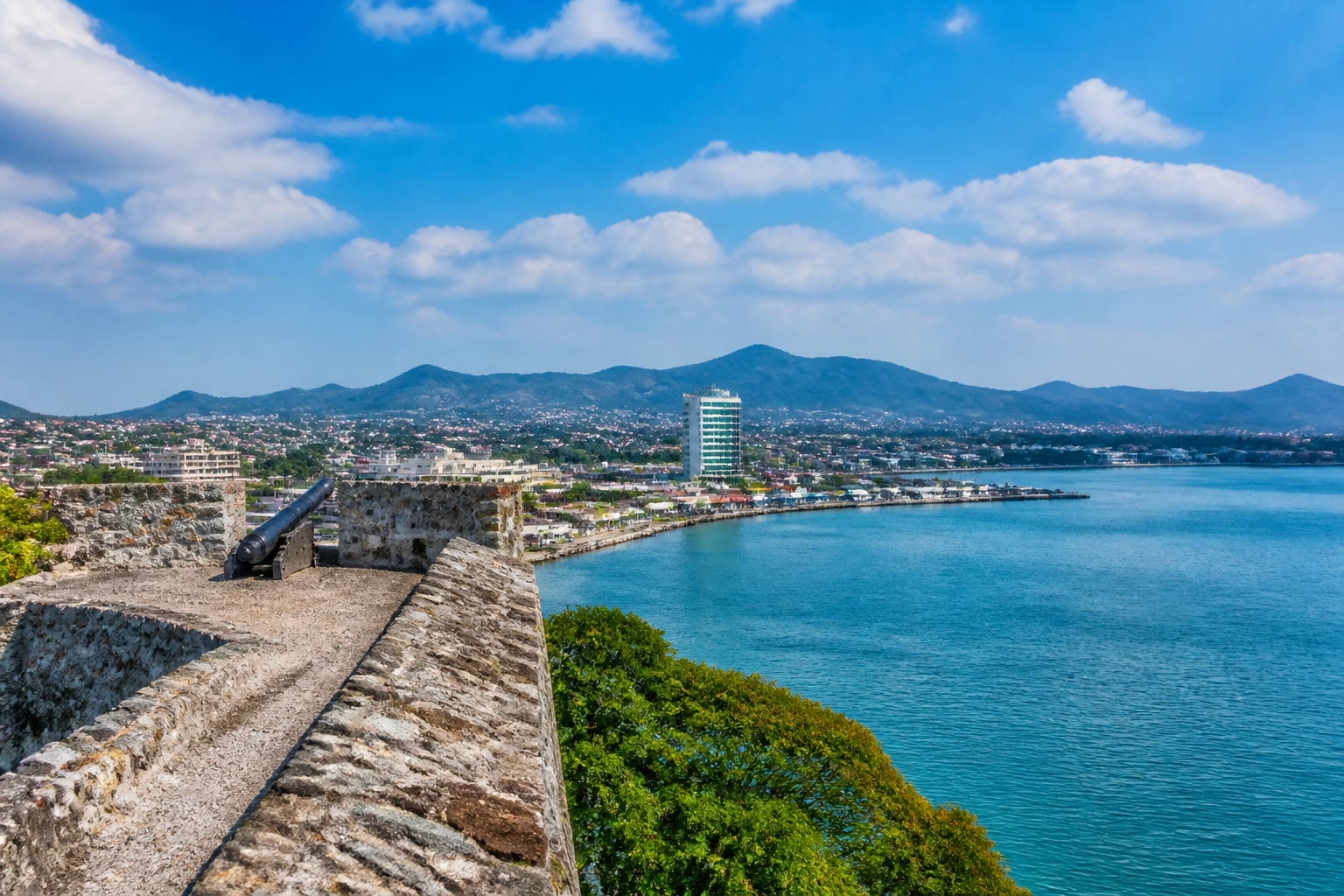
The 66-step Queen’s Staircase is one of Nassau’s best-known sights, but I still enjoyed visiting early in the morning before the heat and cruise crowds arrived. The limestone walls are covered with greenery, and the short climb leads up to Fort Fincastle.
The fort itself is modest, but the view over Nassau is lovely. Bring water—the staircase is shaded in places, but the rest of the walk can feel surprisingly hot.
### 2. Downtown Nassau and the National Art Gallery
Bay Street is colorful and lively, with pastel buildings, souvenir stalls, jewelry shops, and plenty of people coming and going from the cruise port. I preferred wandering a few blocks beyond the busiest shopping stretch, where the pace slows down and the architecture feels more authentic.
The **National Art Gallery of The Bahamas** is a quieter stop with thoughtful exhibitions by Bahamian artists. It makes a good break from the sun and gives you a better sense of the country beyond beaches and luxury hotels.
### 3. Potter’s Cay Dock for Local Food
Under the Paradise Island bridge, Potter’s Cay is where I’d send anyone who wants a more casual taste of Nassau. The food shacks serve conch salad, grilled fish, cracked conch, peas and rice, and fried plantains.
Try to arrive around lunchtime, when the stalls are active but not yet winding down. Ask what is freshest rather than ordering only familiar dishes. A cold local drink and a plate of conch salad make for an easy, memorable meal.
### 4. Clifton Heritage National Park
Clifton Heritage National Park sits west of Nassau and feels far removed from the resort strip. There are walking trails, coastal views, historic ruins, and places where you can swim or snorkel depending on conditions.
A taxi or organized tour is the easiest way to get there. Wear proper shoes—the trails can be uneven—and bring food, water, and reef-safe sunscreen. This is not the place to arrive expecting a row of cafés and rental stands.
For an easier beach day, **Cable Beach** is convenient and well serviced. For a quieter atmosphere, look toward **Love Beach**, though transportation and facilities are more limited.
## Practical Travel Advice
### Getting There and Visa Requirements
Most visitors arrive through **Lynden Pindling International Airport (NAS)** in Nassau. There are frequent direct flights from Miami, Fort Lauderdale, Atlanta, Charlotte, New York, Toronto, and several other North American cities. If you are connecting through the United States, allow plenty of time for immigration and baggage procedures.
Visa rules depend on your passport:
– Citizens of the United States, Canada, the United Kingdom, Australia, and many European countries generally do not need a tourist visa for short stays.
– You will usually need a valid passport, an onward or return ticket, and proof of accommodation.
– Some travelers may need a visa before arrival.
Rules can change, so check the official Bahamas immigration website or contact the nearest Bahamian embassy before booking nonrefundable flights.
### Where to Stay
– **Downtown Nassau:** Best for history, restaurants, museums, and being close to the cruise port. It can feel quiet in the evening, so choose a well-reviewed hotel and use a taxi after dark.
– **Cable Beach:** A practical choice for first-time visitors who want a broad beach, restaurants, casinos, and larger hotels.
– **Paradise Island:** Good for resort facilities, pools, and families who want everything close at hand. It is usually more expensive and less connected to everyday Nassau life.
– **Eastern Nassau:** Often better for apartment rentals and a slower residential atmosphere, but check transportation options carefully before booking.
### Getting Around
Nassau is not especially walkable once you leave the downtown core. You can walk comfortably between many central sights during daylight, but heat, traffic, and patchy sidewalks make longer distances less pleasant than they appear.
– **Taxis:** The most practical option for airports, beaches, and evening trips. Confirm the fare before leaving; many fares are regulated, but misunderstandings still happen.
– **Jitneys:** Public minibuses are inexpensive and useful on major routes, especially between downtown and Cable Beach. Service can be less predictable in the evening, and routes may not be obvious to visitors.
– **Rental cars:** I would only rent one if you are confident driving on the left and comfortable with busy roads, roundabouts, and local driving habits.
– **Rideshare apps:** Availability can change, so do not rely on an app as your only plan. Your hotel or guesthouse can usually arrange a reputable taxi.
## Real Costs and Local Tips
The Bahamian dollar is pegged one-to-one with the U.S. dollar, and American currency is accepted almost everywhere. Credit cards work at hotels and larger restaurants, but cash is still useful for buses, small food stalls, and tips.
### Rough daily budgets per person
**Budget: $90–$150**
– Guesthouse or simple room: $60–$100
– Local meals and takeaway food: $20–$35
– Buses and occasional taxi: $10–$25
– Free beaches, walking, and low-cost attractions
**Mid-range: $220–$400**
– Comfortable hotel: $150–$275
– Restaurant meals: $50–$90
– Taxis, activities, and entrance fees: $30–$70
Resort packages can push the daily cost much higher, particularly when food, drinks, and transport are added separately.
A few things that saved me money:
– **Eat one main meal locally each day.** Potter’s Cay and small takeaway spots are usually far cheaper than resort restaurants.
– **Carry small bills.** Taxi drivers, beach vendors, and bus operators may not have change for large notes.
– **Ask about taxi fares before getting in.** If you are booking through a hotel, ask the front desk to confirm the expected price.
– **Do not assume a “free” resort shuttle covers everything.** Check its timetable and whether it runs on weekends.
– **Tip around 15% for good restaurant service** if a service charge has not already been included. Taxi drivers and hotel staff generally appreciate a small tip for helpful service.
– **Book boat trips through established operators.** The cheapest offer on the beach is not always the safest or best organized.
Nassau is easy to reduce to a cruise stop or an all-inclusive beach break, but I enjoyed it more when I slowed down: a morning walk through the old streets, lunch by the water, and time spent listening to local artists and talking with shopkeepers. Just keep your plans sensible, stay aware of current safety information, and leave room for the city to show you more than the postcard version.
KEYWORDS: Nassau Bahamas