
# Sri Lanka Travel Guide: My Favorite Places, Local Flavors, and Honest Budget Tips
## The Vibe & When to Go
Sri Lanka has a way of changing mood every few hours. One minute you’re watching waves roll onto a quiet beach, and a few hours later you’re winding through misty tea country or hearing temple bells in an old city. It’s compact enough for a varied trip, but the roads and hills mean journeys usually take longer than they look on a map.
The country has also been receiving fresh attention as one of the world’s most improved travel destinations, and I can understand why. Visitor services are getting better, popular towns are becoming easier to navigate, and the warmth of everyday encounters remains one of Sri Lanka’s biggest pleasures.
The best time to visit depends on which coast you choose:
– **South and west coast:** December to April usually brings the driest beach weather.
– **East coast:** May to September is often the better period for places such as Arugam Bay and Trincomalee.
– **Hill country:** Cooler throughout the year, though rain can arrive at any time.
I like traveling between **January and March**, when the south coast, Galle, Ella, and much of the cultural triangle can work nicely together. April can be hot, while October and November often bring heavier showers but fewer visitors and lower room prices.
## Must-See Spots: My Top Picks
### 1. Galle Fort and the Quiet Streets Around It
Galle Fort is more than a place for a quick photo by the sea wall. I enjoyed wandering early in the morning, before the shops opened and the streets became busy. The old walls catch the first light beautifully, and small cafés begin serving tea while local residents go about their day.
Walk along the ramparts near sunset, but also leave time for the side streets. You’ll find restored colonial homes, tiny galleries, old churches, and family-run restaurants. Prices inside the fort can be higher, so I usually eat one meal there and look outside the walls for more local food.
A short tuk-tuk ride away, **Unawatuna** offers an easy beach break. For a calmer atmosphere, try **Dalawella** or **Jungle Beach**, though the latter involves a short walk and can get crowded during the afternoon.
### 2. The Train Through the Hill Country
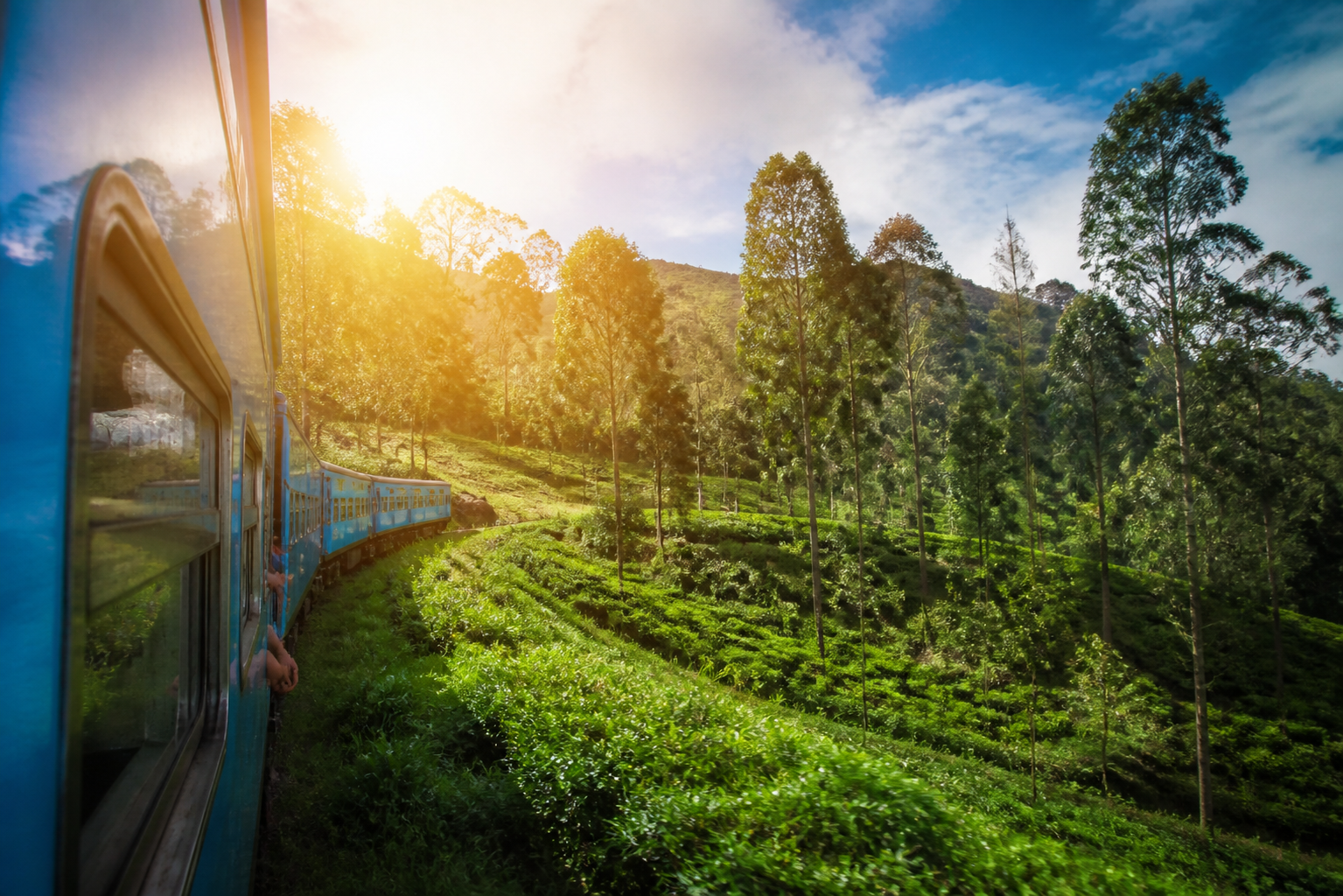
The train journey from **Kandy to Ella** is famous, and yes, it can be crowded. Still, the views of tea plantations, green valleys, small stations, and mountain villages make it one of Sri Lanka’s memorable experiences.
I prefer booking a reserved second-class seat when possible. If tickets are sold out, don’t panic—the unreserved carriages can be lively and fun, but you may have to stand for part of the trip. The section between **Nanu Oya and Ella** is especially scenic.
In Ella, hike **Little Adam’s Peak** for an easy viewpoint. **Nine Arch Bridge** is best early in the day, before the crowds arrive. For something quieter, ask a local driver to take you toward a tea estate outside town and spend an hour walking among the plants. A few estates offer simple tastings without the polished tourist-show feeling.
### 3. Sigiriya and Pidurangala Rock
Climbing Sigiriya Rock means stairs, heat, and plenty of visitors, but the ancient site is genuinely impressive. Go as early as you can, carry water, and wear shoes with a decent grip. The upper views stretch across forest and farmland, and the old frescoes and gardens make the climb more than just a viewpoint visit.
For the classic view of Sigiriya itself, climb **Pidurangala Rock** nearby. It is cheaper and more rugged, with a short scramble near the top. Sunrise is beautiful, though the path is dark before dawn, so bring a phone torch or headlamp.
I stayed in a small guesthouse in the countryside rather than directly on the busiest road. Waking up to birds and distant jungle sounds felt much better than being surrounded by coach traffic.
### 4. The Southern Coast Beyond the Famous Beaches
Sri Lanka’s south coast is easy to explore at a relaxed pace. **Mirissa** is lively, with beach cafés and whale-watching trips, while **Weligama** is friendly to beginner surfers. **Tangalle** feels more spacious, with long beaches and fewer large crowds.
If you join a whale-watching tour, choose a company that follows responsible viewing rules and does not chase animals or crowd them with boats. Ask how many passengers they take and what their approach is before booking.
For a slower afternoon, visit **Mulkirigala Rock Temple**, a less-visited cave temple north of Tangalle. It has steep steps, painted interiors, and wide views over the surrounding countryside.
## Practical Travel Advice
### Getting There and Visa Requirements
Most international visitors arrive at **Bandaranaike International Airport**, north of Colombo. There are direct or one-stop flights from major cities in Asia, the Middle East, and Europe. If you are connecting through Doha, Dubai, Abu Dhabi, Singapore, or Kuala Lumpur, compare baggage rules carefully—some of the cheapest fares become less attractive once luggage is added.
Sri Lanka’s entry rules can change, so check the official immigration website or your nearest Sri Lankan embassy before booking. Many travelers need an online **Electronic Travel Authorization (ETA)** or another approved entry permission, and your passport should generally have at least six months of validity remaining. Keep proof of onward travel and your first accommodation handy, as immigration officers may ask for them.
I also recommend saving a screenshot of your visa approval and carrying a paper copy. Internet access at the airport is usually available, but having the details offline makes arrival less stressful.
### Where to Stay
Choose your base according to the kind of trip you want:
– **Colombo:** Best for a first or final night, business districts, restaurants, and airport connections. I wouldn’t spend a full beach holiday here.
– **Galle Fort:** Beautiful, historic, and walkable, with plenty of cafés and boutique hotels.
– **Unawatuna or Weligama:** Good for beaches, beginner surfing, and a more social atmosphere.
– **Ella:** Ideal for mountain views, hikes, and cafés, although the center can feel busy.
– **Sigiriya or Dambulla:** Better than staying in a large city if you want early starts for temples and ancient sites.
– **Kandy:** Useful for the Temple of the Tooth and cultural sights, though traffic can be tiring.
– **Tangalle:** A good choice for quiet beaches and a slower few days.
Guesthouses often provide the most memorable stays. A homemade breakfast, useful local advice, and a small balcony can feel far more personal than a polished hotel.
### Getting Around
Sri Lanka is easy to explore, but travel times can surprise you. A journey of 100 kilometers may take several hours because of traffic, winding roads, and buses stopping frequently.
– **Trains:** Affordable and scenic, especially in the hill country. Reserve ahead for popular routes.
– **Buses:** Very cheap and frequent, but crowded and not always comfortable with large bags.
– **Tuk-tuks:** Great for short rides. Agree on the price first or ask the driver to use the meter where available.
– **Private drivers:** Convenient for multi-day routes. Ask for the total price, fuel policy, accommodation expectations, and daily driving limits before agreeing.
– **PickMe:** Sri Lanka’s popular local ride-hailing app works in many towns and can be useful for tuk-tuks and cars. It may be less reliable in rural areas.
– **Walking:** Pleasant in Galle Fort, parts of Colombo, and some beach towns. Outside these areas, heat, traffic, and uneven roads make walking less practical.
For longer trips, I prefer a mix: trains for scenery, tuk-tuks for short distances, and a driver for areas where public transport would eat up too much time.
## Real Costs and Local Tips
Sri Lanka remains affordable compared with many long-haul destinations, though prices rise in beach towns during peak season.
### Daily budgets
**Budget traveler: around $25–40 per person**
– Simple guesthouse or hostel: $10–20
– Local meals: $5–10 per day
– Buses, trains, and short tuk-tuk rides: $5–10
– A few modest entrance fees or snacks
**Mid-range traveler: around $60–110 per person**
– Comfortable guesthouse or small hotel: $30–65
– Restaurant meals and cafés: $15–30
– Private transfers or occasional guided visits: $15–35
Entrance fees for major attractions can noticeably increase your spending. Sigiriya, national parks, and some historic sites are priced much higher for foreign visitors than for residents, so include those costs before setting your budget.
Sri Lanka uses the **Sri Lankan rupee (LKR)**. Cards are accepted at many hotels, supermarkets, and upscale restaurants, but cash is still essential for buses, small cafés, temple donations, and tuk-tuks. ATMs are common in cities and tourist towns. I usually withdraw a moderate amount at a time and keep money in two separate places.
Tipping is appreciated but not compulsory. At restaurants, rounding up or leaving around **5–10%** for good service is reasonable, especially if no service charge has been added. For drivers and guides, a small tip at the end of a good day is welcome.
### Small tricks that saved me money
– **Eat where local office workers eat.** Rice and curry shops away from hotel areas are usually tastier and much cheaper than tourist restaurants.
– **Check the meter on tuk-tuks.** If there is no meter, agree on the fare before getting in. PickMe is helpful when available because it gives you a price in advance.
– **Buy train tickets at the station rather than from unofficial online sellers.** Reserved seats can sell out, but you can often still travel in an unreserved carriage.
– **Carry a refillable bottle.** Guesthouses and cafés increasingly offer filtered water, saving money and reducing plastic waste.
– **Ask about entrance fees before accepting a guide.** Around major attractions, some people approach visitors with vague offers of “special tours.” Use an official ticket counter or a guide recommended by your accommodation.
– **Travel one town slower.** Adding extra stops looks tempting on a map, but spending two or three nights in one place usually costs less and gives you time to find better-value meals and transport.
Sri Lanka rewarded me most when I stopped trying to fit everything into one trip. A few days by the coast, a train into the hills, one ancient site, and time for unplanned conversations made the journey feel fuller than racing from landmark to landmark. The country is improving as a visitor destination, but its best moments still tend to happen in simple places: a roadside tea stall, a family-run guesthouse, or a quiet beach just beyond the busy one.
KEYWORDS: Sri Lanka landscape