
# Exploring West Virginia: Mountain Towns, River Views, and Honest Travel Tips
West Virginia tourism recently reached a record **$9.4 billion in economic impact**, which feels fitting once you spend a few days here. The state has a way of making a trip feel pleasantly unhurried: winding roads, porch conversations, old coal towns, quiet forests, and rivers that seem to pull you outside.
I’ve visited West Virginia for the scenery, but I keep coming back for the small moments—a biscuit and pepperoni roll from a local bakery, a sunset over the New River, or a conversation with someone who knows every bend in the road.
## The Vibe & When to Go
West Virginia feels rural, friendly, and wonderfully rugged. This is not a place where you rush from one famous attraction to another. The best parts often happen between stops, especially on scenic drives through the mountains.
Spring is a lovely time to visit. The hills turn green, wildflowers begin appearing along the trails, and waterfalls are usually flowing strongly after seasonal rain. Days can be mild, while mornings and evenings still feel chilly. Pack layers, waterproof shoes, and a light rain jacket.
Summer brings warm days, excellent rafting, swimming holes, and busy weekends around the New River Gorge. Fall is probably the most popular season, thanks to brilliant foliage, but prices and crowds rise quickly. Winter is quieter and beautiful in the higher elevations, though snow and icy roads can make driving slower.
## Must-See Spots: My Top Picks
### 1. New River Gorge National Park and Preserve
This is the place I’d suggest first to almost anyone visiting West Virginia. The gorge is dramatic without feeling overdeveloped, and there are plenty of ways to experience it without spending a fortune.
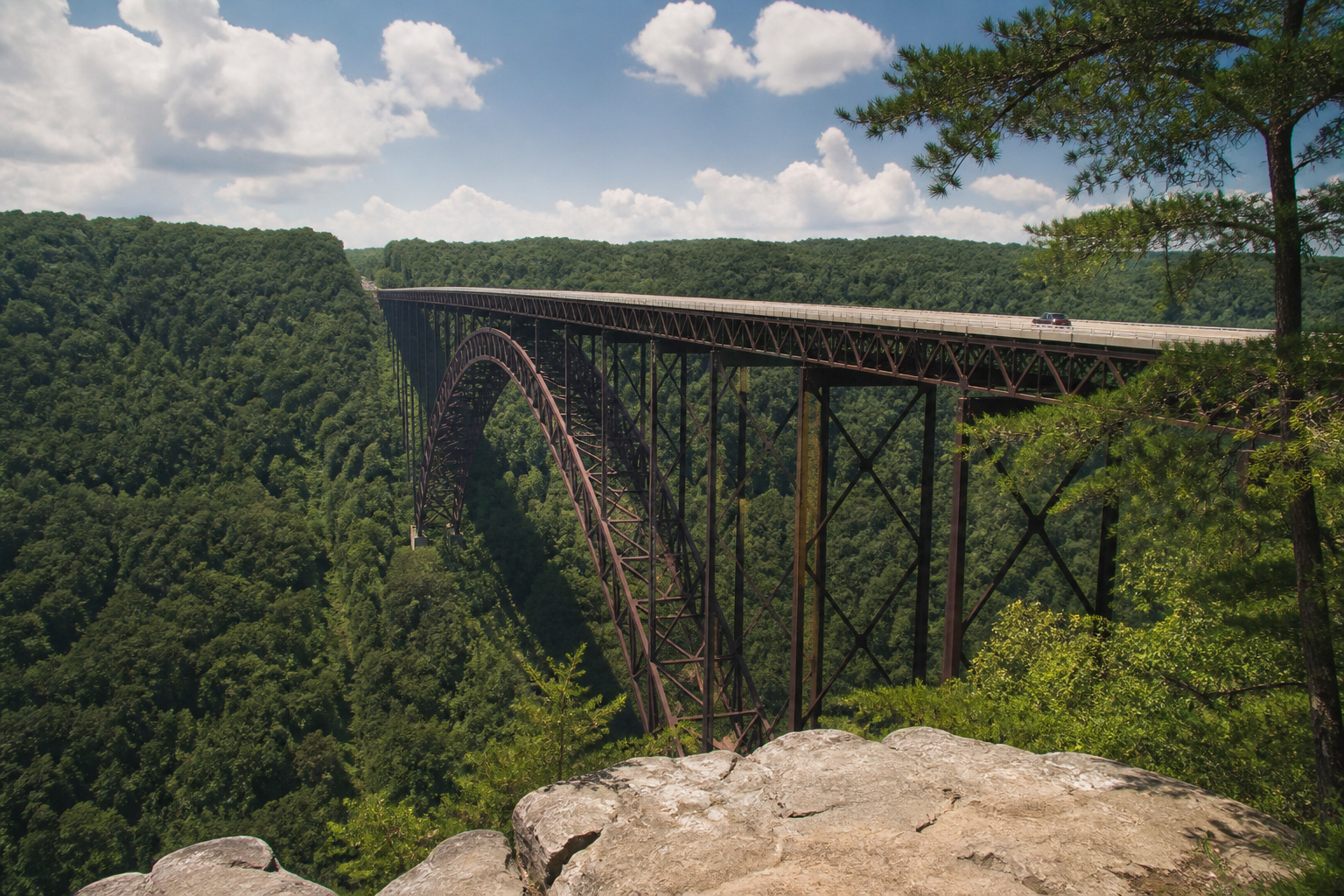
The view from **Canyon Rim Visitor Center** is an easy introduction, but I prefer taking time for the short overlooks along the nearby trails. The **Endless Wall Trail** offers big river views and forested stretches, while **Long Point Trail** leads to one of the best classic views of the New River Gorge Bridge.
If you’re visiting in autumn, start early. Parking at popular trailheads fills faster than you might expect, especially on Saturdays. For a different perspective, book a guided whitewater rafting trip or drive across the bridge if the schedule allows.
### 2. Harpers Ferry
Harpers Ferry has a completely different feel from the southern mountains. It’s historic, walkable, and set at the meeting point of the Potomac and Shenandoah rivers.
I like wandering the old lower town before the streets get busy, then climbing to **Jefferson Rock** for the river views. The **Maryland Heights Trail** is more demanding but gives you a rewarding overlook above town. Wear proper shoes—the historic streets and hillside paths can be uneven.
Give yourself at least half a day here, though an overnight stay makes the visit calmer. The town gets crowded with day-trippers, particularly on fall weekends, so arriving early or staying nearby is a smart choice.
### 3. Seneca Rocks
Seneca Rocks is one of those places that looks impressive before you even leave the parking lot. The tall rock formation rises sharply above the surrounding valley, and the view becomes better with every turn of the trail.
The hike to the overlook is short but steep in parts. I took it slowly and appreciated the benches along the way. Climbers come for the exposed routes, but you don’t need climbing gear to enjoy the area. Stop in the nearby town of **Seneca Rocks** for a simple meal, supplies, or a look through the local shops.
This region is especially peaceful on weekday mornings. Cell service can be patchy, so download maps before leaving your accommodation.
### 4. Blackwater Falls State Park
In the northern mountains, **Blackwater Falls** is an easy win for photographers and anyone who wants a scenic stop without a full-day hike. The dark, tea-colored water drops through a gorge surrounded by forest, and the overlook is accessible by stairs.
I’d pair the falls with a drive through **Davis** and **Thomas**, two small towns with good coffee, local art, music venues, and a pleasantly creative atmosphere. Thomas is a nice place to spend the evening if you enjoy live music and independent restaurants.
The surrounding highlands can be noticeably cooler than lower parts of the state, even in summer. Bring an extra layer.
## Practical Travel Advice
### Getting There and Visa Requirements
West Virginia doesn’t have a large international airport, so most travelers fly into a nearby airport and rent a car.
Useful options include:
– **Yeager Airport in Charleston (CRW)** for central and southern West Virginia
– **North Central West Virginia Airport (CKB)** near Clarksburg and Morgantown
– **Pittsburgh International Airport (PIT)** for northern West Virginia
– **Washington Dulles International Airport (IAD)** for Harpers Ferry and the eastern panhandle
For visitors from abroad, entry rules are the same as for the rest of the United States. Travelers from Visa Waiver Program countries generally need an approved **ESTA** before flying, while others need a valid U.S. visa. Check the official U.S. government requirements before booking because rules depend on your passport and travel purpose.
There are no visa requirements for U.S. citizens traveling within the country. If you’re driving across the Canadian or Mexican border, carry the correct passport or approved travel documents.
### Where to Stay
West Virginia is spread out, so choosing the right base matters.
– **Charleston:** Best for restaurants, museums, and a city stop before heading into the mountains.
– **Fayetteville or Lansing:** Great for New River Gorge, hiking, rafting, and outdoor activities.
– **Davis or Thomas:** Ideal for cool mountain air, local art, and easy access to Blackwater Falls.
– **Harpers Ferry or Shepherdstown:** Good for history, walking, food, and access to the Washington, D.C. area.
– **Morgantown:** A practical choice for northern West Virginia, with more hotels and restaurants than smaller mountain towns.
Cabins are popular, but compare cleaning fees carefully. A modest motel or locally owned inn can sometimes cost less than a cabin once all charges are included.
### Getting Around
A car is the easiest way to explore West Virginia. Distances that look short on a map can take much longer because of winding mountain roads and limited highways.
Charleston and Morgantown have local bus systems, and some towns are walkable once you arrive. Harpers Ferry’s historic center is easy to explore on foot, though the surrounding attractions require a car or shuttle.
Uber and Lyft may be available in larger towns, but service can be limited in rural areas. I wouldn’t rely on rideshare for a trailhead, an evening return from a remote restaurant, or a one-way trip between mountain towns. Download offline maps, fill the gas tank when you can, and avoid assuming the next station will be close.
## Real Costs and Local Tips
West Virginia can be quite affordable compared with many popular mountain destinations. Prices rise during fall foliage weekends, holiday periods, and large outdoor events.
### Approximate Daily Budgets
**Budget traveler: $75–$120 per person**
– Motel, hostel-style room, or shared cabin: $45–$75
– Casual meals: $20–$35
– Fuel, park fees, and simple activities: $10–$25
**Mid-range traveler: $150–$250 per person**
– Comfortable hotel or private cabin: $90–$150
– Restaurant meals and coffee: $40–$70
– Fuel and paid activities: $20–$45
Prices assume two people sharing a room or rental car. Guided rafting, climbing trips, and special tours can add $80–$150 or more per person.
The currency is the **U.S. dollar**. Credit cards are accepted in most hotels, restaurants, and shops, but I still carry cash for small cafés, roadside stands, park donations, and places with unreliable cell service. Tip restaurant servers around **18–20%** for good service, and tip bartenders, guides, and hotel staff according to the service they provide.
### A Few Ways to Save Money
– **Travel midweek in fall.** You’ll find better lodging rates and fewer crowds than on weekends.
– **Pack picnic lunches.** Scenic overlooks and state parks make it easy to eat well without paying tourist-town prices.
– **Buy local snacks for the road.** Pepperoni rolls, fruit, biscuits, and bakery items are inexpensive and more memorable than chain fast food.
– **Check park and trail conditions before leaving.** A quick visit to the official park website can save you a long drive to a closed road or flooded trail.
– **Book cabins carefully.** Compare the total price, including cleaning and service fees, rather than looking only at the nightly rate.
West Virginia’s record tourism impact is being built by more than its famous views. It comes from the rafting guides, family restaurants, historic towns, outfitters, artists, and small businesses that make a road trip here feel personal. Give yourself extra time, take the slower roads when conditions allow, and leave room in the itinerary for the places you didn’t expect to enjoy.
KEYWORDS: West Virginia mountains