
# Vietnam in Autumn: My Favorite Stops, Local Flavors, and Honest Budget Tips
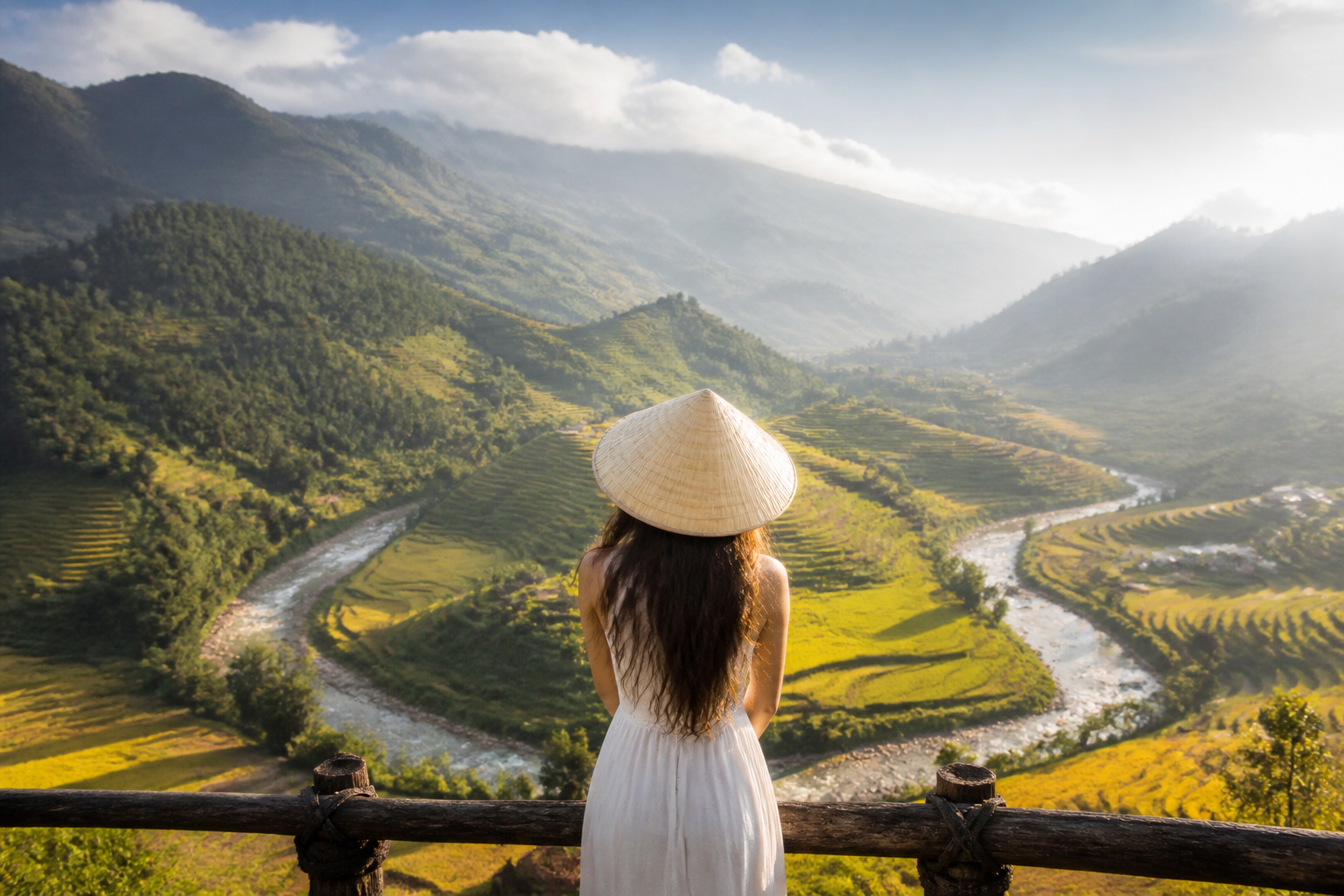
Vietnam has been appearing on more and more lists of the world’s best autumn destinations, and after traveling through the country, I understand why. The cooler air in the north, bright food markets, misty rice fields, and lantern-lit evenings make this a lovely time to visit.
But Vietnam is not quite the bargain it was a few years ago. Popular hotels, tours, cafés, and domestic flights have all become more expensive, especially in Hanoi, Hoi An, Ha Long Bay, and Ho Chi Minh City. You can still travel comfortably without spending a fortune—you just need to plan a little more carefully.
## The Vibe & When to Go
Autumn in Vietnam usually means **September through November**, but the weather changes a lot from north to south.
– **Northern Vietnam:** Hanoi and Ninh Binh become cooler and more comfortable from October onward. Sapa can be fresh and misty, with beautiful mountain scenery.
– **Central Vietnam:** Hoi An, Hue, and Da Nang may see heavy rain and occasional storms from September to November. October can be especially wet.
– **Southern Vietnam:** Ho Chi Minh City and the Mekong Delta remain warm and humid. September and October often bring short afternoon downpours.
My favorite window is **late October to November**, especially for Hanoi, Ninh Binh, and northern mountain areas. The air feels easier to handle, outdoor sightseeing is more enjoyable, and the autumn light gives old streets and rice fields a soft golden look.
Vietnam feels lively but rarely still. Motorbikes flow through intersections, tiny stools appear outside noodle shops, and a quiet temple can sit only a few steps from a noisy market. That contrast is part of the charm.
## Must-See Spots: My Top Picks
### 1. Hanoi’s Old Quarter and the quieter streets nearby
Hanoi is at its best when you stop trying to see everything quickly. I like beginning around Hoan Kiem Lake early in the morning, when locals exercise, practice badminton, and gather for coffee.
The Old Quarter is busy, but some of my favorite moments came from wandering away from the main shopping streets. Look for small cafés above old storefronts, family-run noodle shops, and narrow lanes where laundry hangs between buildings.
Try:
– **Pho bo** for breakfast
– **Bun cha** with grilled pork and herbs
– **Egg coffee**, preferably somewhere with a balcony overlooking the street
– A slow evening walk around Hoan Kiem Lake
A practical tip: cross roads at a steady pace rather than darting back and forth. The motorbikes usually move around you, but sudden stops make things harder.
### 2. Ninh Binh: limestone cliffs, rivers, and bicycle rides
Ninh Binh is one of those places where the scenery looks almost unreal, but it feels wonderfully calm once you leave the main boat docks. I recommend staying for at least one night instead of visiting only on a rushed day trip from Hanoi.
Take a boat through **Trang An** or **Tam Coc**, then rent a bicycle and ride through the rice fields. The roads around the villages are peaceful, and you can stop at small cafés or roadside fruit stalls.
For a quieter experience:
– Go early in the morning
– Consider Trang An if you prefer dramatic caves and cliffs
– Choose Tam Coc for easier cycling and village views
– Visit **Bich Dong Pagoda** when the crowds are lighter
Boat tours and transport prices can rise during busy autumn weekends, so booking directly through your accommodation is often simpler than buying from a random street agent.
### 3. Hoi An after dark
Hoi An is popular for good reason, but it can feel crowded around the lantern-lit riverside. I enjoyed it more by exploring early in the morning, then returning after dinner when the streets softened a little.
Rent a bicycle and ride toward the rice fields and **An Bang Beach**. The countryside just outside town gives you a better sense of everyday life than the souvenir streets alone.
A few things I’d do:
– Eat **cao lau** and white rose dumplings
– Visit the old town before 8 a.m.
– Take a short cooking class with a local market visit
– Walk along the river, but compare prices before booking a boat ride
– Allow extra time in case autumn rain arrives
If the forecast shows several wet days, Hue or Da Nang may be easier bases than Hoi An. Hoi An is beautiful in the rain, but flooded lanes and damp clothes can wear you down.
### 4. Ho Chi Minh City and the Mekong Delta
Ho Chi Minh City is energetic, loud, and full of good food. I like District 3 for its old villas, tree-lined streets, and excellent casual restaurants. District 1 is convenient for first-time visitors, though it is generally pricier and busier.
Spend a morning visiting the **War Remnants Museum**, then take a break with iced coffee before walking through local markets. For dinner, try broken rice with grilled pork, fresh spring rolls, or a bowl of southern-style noodle soup.
If you have two extra days, visit the **Mekong Delta**. I prefer staying overnight in Can Tho rather than taking a hurried day trip. The floating market is best early, and the river looks completely different before the tour boats arrive.
## Practical Travel Advice
### Getting There and Visa
Vietnam’s main international gateways are:
– Hanoi’s Noi Bai International Airport
– Ho Chi Minh City’s Tan Son Nhat International Airport
– Da Nang International Airport
Many travelers can apply online for a **Vietnam e-visa**, which is generally available for stays of up to 90 days and can allow single or multiple entry. Rules and eligible entry points can change, so check the official Vietnamese immigration website before paying for an application.
Your passport should usually have at least **six months of validity** remaining and blank pages. Some nationalities receive visa-free entry for limited periods, but the length varies. Do not rely on an old visa rule found in a blog post.
For flights, I usually compare Hanoi and Ho Chi Minh City rather than assuming one will be cheaper. If you plan to travel from north to south, an open-jaw ticket—flying into Hanoi and home from Ho Chi Minh City—can save time and sometimes money.
### Where to Stay
**Hanoi**
– **Old Quarter:** Best for first-time visitors, street food, nightlife, and easy sightseeing
– **French Quarter:** Quieter, more spacious, and good for cafés and historic buildings
– **Tay Ho:** Popular with long-stay travelers, with lakeside restaurants and a calmer feel
**Hoi An**
– **Old Town:** Convenient and atmospheric, but often more expensive
– **Cam Pho:** Close to the action without being directly in the busiest lanes
– **Cam Thanh:** A peaceful countryside option, especially if you enjoy cycling
**Ho Chi Minh City**
– **District 1:** Handy for major sights and nightlife
– **District 3:** My personal favorite for food, cafés, and a more local atmosphere
– **Thao Dien:** Comfortable and modern, with international restaurants and longer-stay apartments
Book ahead for October and November weekends, particularly in Hoi An and Ninh Binh. Smaller guesthouses can fill up quickly, while prices at well-reviewed hotels have been rising.
### Getting Around
For short trips, **Grab** is the app I use most. You can book motorbike taxis or cars and see the fare before getting in. Grab is available in most major cities.
Other useful options:
– Walk in central Hanoi, Hoi An, and parts of District 1
– Use overnight trains for longer north-south journeys if you enjoy slower travel
– Book domestic flights when time matters, but check baggage limits carefully
– Take official taxis from airport stands if you do not have mobile data
– Use local buses in major cities if you are comfortable with less predictable routes
In Hoi An and Ninh Binh, a bicycle can be more enjoyable than a car. In Hanoi and Ho Chi Minh City, traffic makes cycling less relaxing unless you are already confident on busy roads.
## Real Costs and Local Tips
Vietnam’s currency is the **Vietnamese dong (VND)**. Cash is still useful for street food, small cafés, markets, and local transport, although hotels and larger restaurants usually accept cards.
### Daily budgets
**Budget traveler: around 700,000–1,100,000 VND per day**
About **US$28–45**, excluding international flights.
This could cover:
– A simple guesthouse or dorm bed
– Street food and inexpensive local restaurants
– Grab motorbike rides
– Free temples, markets, and walking tours
– One or two low-cost paid attractions
**Mid-range traveler: around 1,800,000–3,200,000 VND per day**
About **US$70–125**, excluding international flights.
This usually allows for:
– A comfortable private hotel room
– Sit-down meals and good cafés
– Occasional Grab cars
– Museum entrance fees and day trips
– A little flexibility for cocktails, shopping, or a cooking class
Ha Long Bay cruises, private transfers, luxury resorts, and domestic flights can push the daily total much higher.
### Tipping etiquette
Tipping is not required everywhere. At small local eateries, you can simply pay the bill. In nicer restaurants, rounding up or leaving around **5–10%** is appreciated if service was good. For guides and drivers, a modest tip is kind, especially after a full-day tour.
### A few ways to save money
– **Eat where office workers eat.** If a small lunch shop is full of local customers, the food is usually fresh and reasonably priced.
– **Check Grab before accepting a street taxi.** This gives you a rough idea of the fair price, even if you decide to take another car.
– **Carry small notes.** Paying for a 30,000 VND bowl of noodles with a large bill can be awkward at tiny stalls.
– **Book tours through your hotel or a well-reviewed operator.** The cheapest option may include long shopping stops or surprise add-ons.
– **Travel one day earlier or later.** Weekend prices in Hoi An, Ninh Binh, and Ha Long Bay can rise sharply.
– **Do not judge a restaurant by decoration.** Some of my best meals came from plastic stools and handwritten menus.
Vietnam is becoming more expensive in the places everyone photographs, but the country still rewards travelers who slow down. Stay a little outside the busiest center, eat local food, use public transport when practical, and leave room for unplanned stops. A bowl of noodles, a rainy café afternoon, or a bicycle ride through rice fields can easily become the part of the trip you remember most.
KEYWORDS: Vietnam autumn