
# Sabah Travel Guide: Sea Breezes, Mountain Roads, and the Best Local Stops
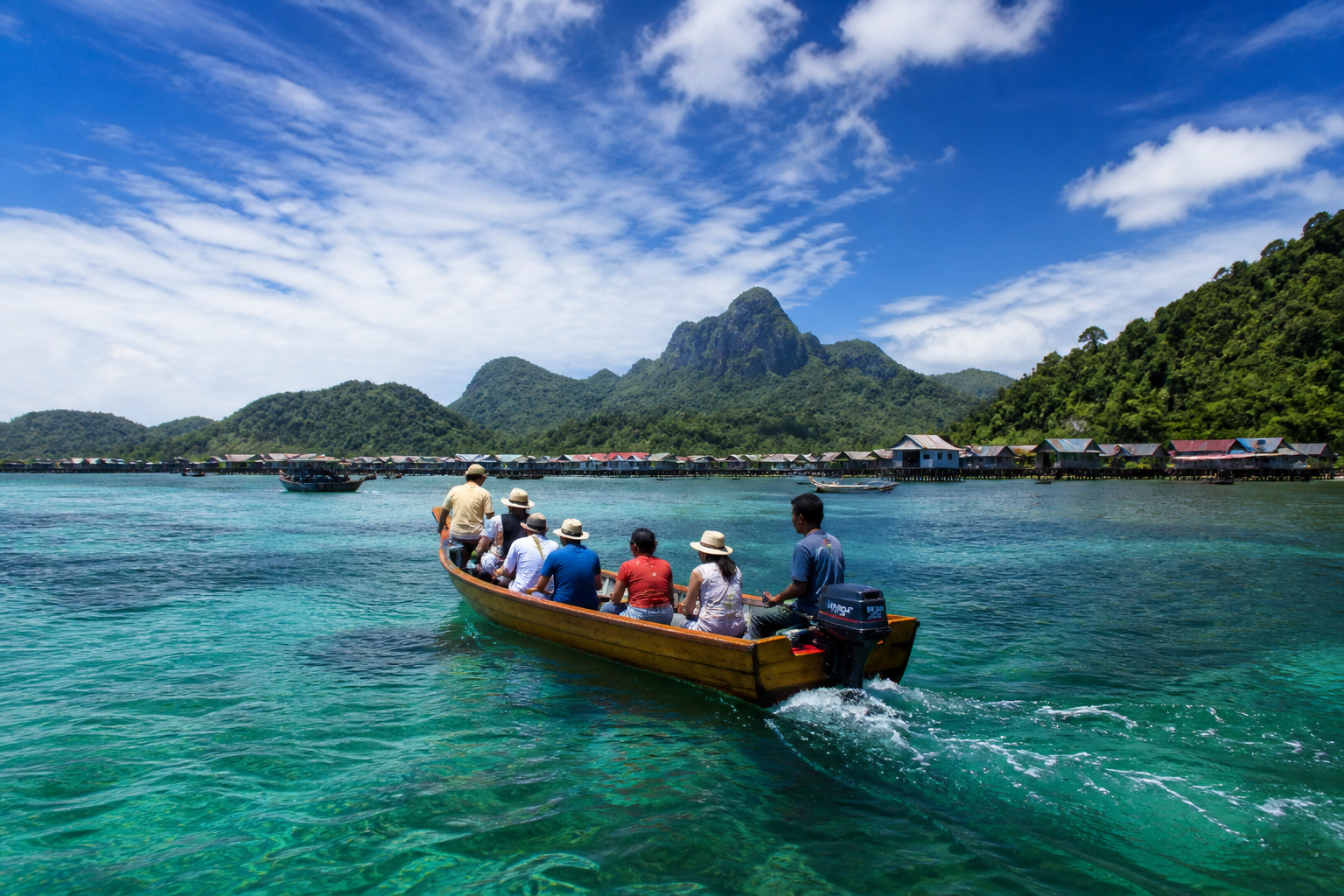
Sabah remains one of Malaysia’s most rewarding places to visit, especially if you like trips that mix easy city days with jungles, islands, wildlife, and long scenic drives. I’ve always liked how quickly the scenery changes here: one minute you’re eating noodles in Kota Kinabalu, and a few hours later you’re looking at misty hills or watching orangutans swing through the trees.
## The Vibe & When to Go
Sabah feels relaxed and outdoorsy without being sleepy. Kota Kinabalu, usually called KK, has a friendly, practical energy, while the smaller towns and rural areas move at a much slower pace. People are generally helpful, food is affordable, and you don’t need a huge budget to have a memorable trip.
The weather is hot and humid most of the year, with daytime temperatures commonly around **28–32°C**. Short, heavy rain showers are normal, even during the drier months.
– **April to August:** Usually a good period for clear skies, island trips, and mountain views.
– **November to March:** The northeast monsoon can bring wetter weather, especially on the east coast.
– **September and October:** Often quieter, though rain can still be unpredictable.
I like visiting during the shoulder months, when hotel prices are a little kinder and popular boat trips feel less crowded. Bring light clothes, sunscreen, insect repellent, and a thin rain jacket. For Mount Kinabalu or cooler highland areas, pack one warm layer.
## Must-See Spots: My Top Picks
### 1. Kota Kinabalu Waterfront and the Filipino Market
The KK waterfront is a pleasant place for an evening stroll, particularly around sunset. It is not polished in a luxury-resort way, and that is part of its charm. Fishing boats drift past, families gather for dinner, and the air fills with the smell of grilled seafood.
Nearby, the Filipino Market is a lively stop for fresh fruit, dried seafood, snacks, and inexpensive meals. I usually look for the busiest food stalls rather than the ones with the biggest signs. Order grilled fish or prawns, some rice, and a cold drink. Prices can vary, so ask before choosing the seafood.
For a quieter view of the city, walk or take a short ride up to **Signal Hill Observatory**. Go before sunset, as the small viewing area can become busy.
### 2. Tanjung Aru Beach
Tanjung Aru is the classic KK sunset spot, and the crowds can be real, but the beach still feels special when the light turns orange over the islands. I prefer arriving about an hour early, walking along the shore, and finding a quieter stretch away from the main viewing area.
There are food stalls and drinks nearby, though prices may rise around sunset. If you want a more peaceful visit, go in the morning instead. The beach is not the best place for swimming, but it is lovely for a slow walk and a few quiet minutes under the casuarina trees.
### 3. Island Hopping from Jesselton Point
From Jesselton Point, boats head to islands in Tunku Abdul Rahman Marine Park, including **Manukan, Sapi, Mamutik, and Gaya**. The water can be beautifully clear, especially on a calm day.
For a first visit, I would choose one or two islands rather than trying to cram in all of them. Manukan has more facilities, while Sapi often feels better for a simple swim and snorkel. Arrive early to compare boat prices and avoid paying for more stops than you really want.
Bring your own water, reef-safe sunscreen, and a dry bag. Some island restaurants charge noticeably more than places in town, and shade can be limited.
### 4. Kinabalu Park and Kundasang
A trip to Sabah feels incomplete to me without seeing the highlands around **Kinabalu Park and Kundasang**. The air is cooler, the roads wind through green hills, and the views of Mount Kinabalu can be magnificent when the clouds cooperate.
You do not need to climb the mountain to enjoy the area. Walk one of the shorter trails inside Kinabalu Park, visit the botanical gardens, and stop at roadside stalls for strawberries, vegetables, and local snacks. Kundasang War Memorial is another worthwhile stop, with peaceful gardens and a sobering history.
If you are driving, leave KK early. The mountain roads are scenic but slow, and rain or traffic can add time. A private driver is often easier than trying to squeeze the area into a rushed day tour.
## Practical Travel Advice
### Getting There and Visa
Most international visitors arrive at **Kota Kinabalu International Airport**, which has direct flights from Kuala Lumpur, Singapore, Bangkok, Manila, Taipei, Seoul, and several other regional cities. From Kuala Lumpur, compare both Malaysia Airlines and AirAsia, and check baggage fees before booking—the cheapest fare is not always the cheapest final price.
Visa rules depend on your passport. Many travelers receive visa-free entry or a visa on arrival arrangement for short visits, while others need to apply in advance. In general, you should have:
– A passport valid for at least six months
– Proof of onward or return travel
– Accommodation details
– The required Malaysian Digital Arrival Card, if applicable
Rules can change, so check Malaysia’s official immigration website or your nearest Malaysian embassy before flying. Sabah is part of Malaysia, but immigration checks still apply when arriving from Peninsular Malaysia, so keep your passport handy during domestic connections.
### Where to Stay
**Kota Kinabalu city centre:** Best for first-time visitors, food, markets, the waterfront, and easy access to boat trips. This is where I would stay for a short trip.
**Tanjung Aru:** A calmer choice near the beach and airport. Good for sunset lovers and families, though there are fewer casual dining options within walking distance.
**Gaya Street and the waterfront:** Convenient for weekend markets, cafés, and evening walks. Rooms range from simple guesthouses to comfortable hotels.
**Kundasang:** Choose this for cool air, mountain scenery, and a slower pace. Stay at least one night if you can; rushing back to KK after a day in the hills makes the journey feel unnecessarily long.
**Sandakan:** A practical base for Sepilok, the Rainforest Discovery Centre, and the Kinabatangan River. It is not as polished as KK, but it is useful for wildlife-focused trips.
### Getting Around
Kota Kinabalu is fairly easy to explore by walking, especially around the waterfront, Gaya Street, and the central markets. For longer trips, **Grab** is usually the most convenient option. It is commonly used in KK and major towns, though drivers may be harder to find in remote areas.
For Kinabalu Park, Kundasang, Sepilok, or the Kinabatangan River, consider:
– A private driver for flexibility
– A small-group tour for lower costs
– A rental car if you are comfortable driving on the left
Public buses are inexpensive but not always frequent or easy to understand for visitors. On the east coast, journeys can take longer than the map suggests because of winding roads and changing road conditions.
## Real Costs and Local Tips
Prices vary by location, but Sabah can still be very affordable.
### Daily budget per person
**Budget: MYR 120–200**
– Simple guesthouse or hostel: MYR 40–90
– Local meals: MYR 25–50
– Grab rides and buses: MYR 15–35
– Occasional entrance fees or snacks
**Mid-range: MYR 280–500**
– Comfortable hotel: MYR 150–300
– Mix of local food and cafés: MYR 60–100
– Transport: MYR 30–80
– A market visit, island trip, or attraction ticket
Tours, diving, mountain permits, and river safaris sit outside these estimates and can raise the daily total quickly.
The currency is the **Malaysian ringgit (MYR)**. Card payments are common in hotels, shopping centres, and larger restaurants, but carry cash for markets, small food stalls, rural guesthouses, and island visits. Tipping is not expected, although rounding up or leaving a small amount for especially good service is appreciated.
### A Few Local Tricks
– **Eat where office workers eat.** Busy kopitiams and local cafés usually offer better-value meals than restaurants aimed mainly at tourists.
– **Compare island boat prices.** At Jesselton Point, ask what the total includes: return boat fare, terminal fees, conservation charges, and snorkelling equipment.
– **Do not overpack island tours.** One or two islands are usually enough for a relaxed day. More stops often mean less time swimming and more time getting on and off boats.
– **Book wildlife trips with a clear itinerary.** For the Kinabatangan River or Danum Valley, check how many boat rides, meals, transfers, and park fees are included.
– **Carry small notes and coins.** They make market purchases and short rides much easier.
– **Expect rain, even on sunny mornings.** A waterproof phone pouch and a small dry bag have saved me more than once.
Sabah is at its best when you leave room for slower moments: a bowl of noodles after a wet drive, a quiet beach before the crowds arrive, or a roadside stop where the mountain suddenly appears between the clouds. Plan the big pieces, but do not fill every hour. Some of my favourite memories here came from the unplanned stops in between.
KEYWORDS: Sabah Malaysia