
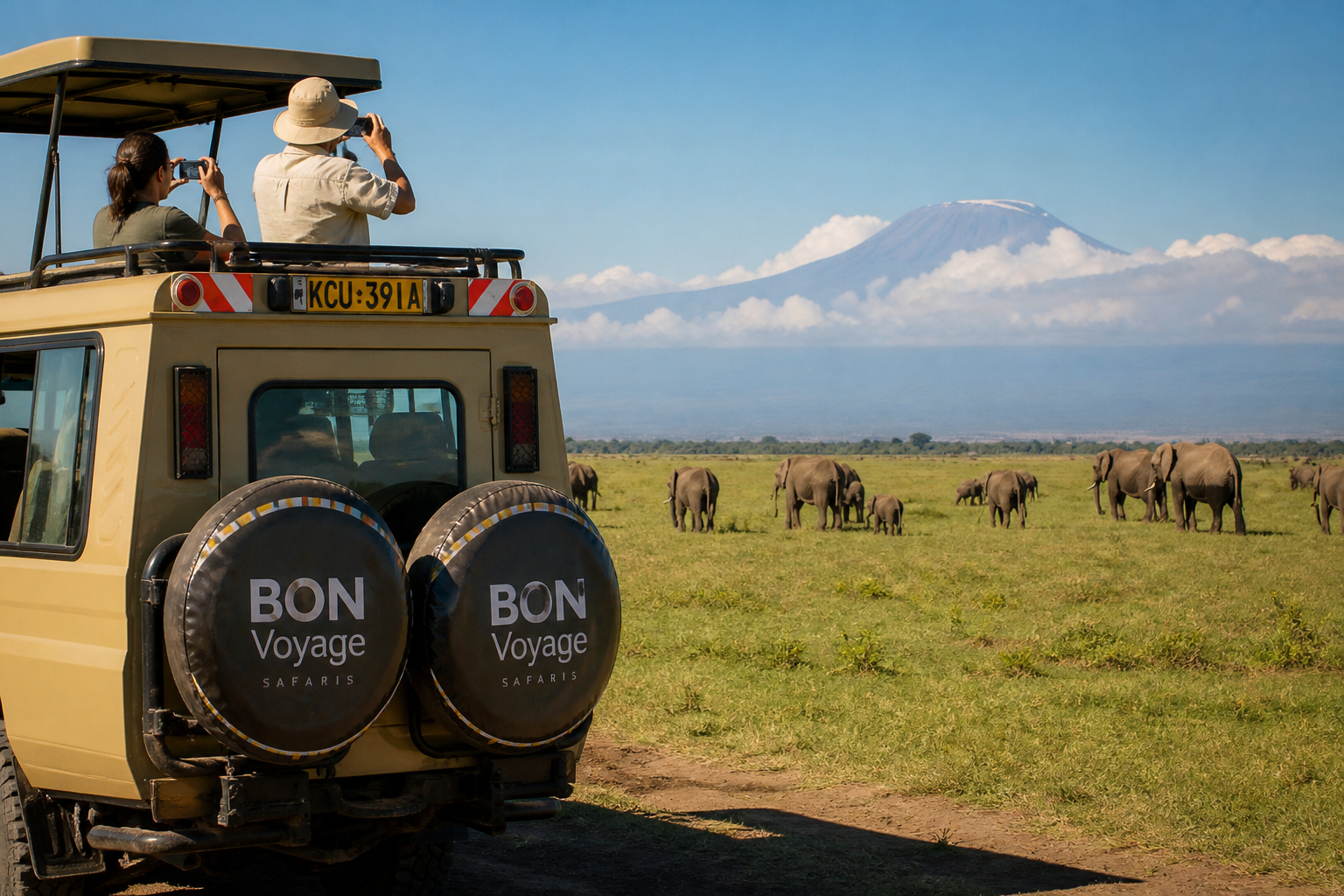
# Kenya Beyond the Ksh6,000 Fee: Safari Days, Coastline Calm, and Honest Travel Tips
Kenya is having an uncomfortable tourism conversation right now. Senator Ledama Olekina has criticized the roughly **Ksh6,000 mandatory tourist insurance fee**, warning that extra costs could discourage visitors at a time when the country is trying to attract more travelers.
I understand the concern. Kenya is already a destination where park fees, transport, and guided activities can push up the budget quickly. Still, after spending time here, I found that Kenya can be enjoyed at many price levels—especially if you plan your route carefully and avoid paying for every activity through an overseas booking site.
The insurance requirement and fee can change, so check the official Kenyan entry and insurance portals before paying. But don’t let the debate hide what makes the country special: wide-open savannah, excellent food, welcoming people, and a coastline where time seems to move more slowly.
## The Vibe & When to Go
Kenya feels energetic and varied. Nairobi is busy, creative, and a little chaotic in the best way. One hour you can be drinking excellent coffee in a leafy neighborhood; the next, you’re watching giraffes beyond the city skyline. On the coast, life becomes quieter, with warm evenings, palm-lined beaches, Swahili dishes, and the call to prayer drifting through old streets.
The main travel seasons are:
– **June to October:** Dry, cooler months and a popular time for safaris. July to October is especially good for wildlife viewing.
– **January and February:** Generally warm and dry, with excellent conditions in many parks.
– **March to May:** The long rains. Some roads become difficult, but landscapes turn beautifully green and prices can be lower.
– **October to November:** Short rains, usually mixed with sunny periods. This can be a good-value season for travelers who don’t mind a little weather.
If you’re visiting now, check the forecast for each region rather than relying on one national weather report. Nairobi can be cool in the morning while Mombasa is hot and humid on the same day.
## Must-See Spots: My Top Picks
### 1. Nairobi National Park
This is one of Kenya’s most surprising experiences. You can see giraffes, zebras, lions, rhinos, and buffalo with Nairobi’s buildings visible in the distance.
I recommend going early, when the air is cool and animals are active. A half-day visit is enough for many travelers, and it’s far less expensive than immediately flying to a distant reserve. Hire a registered driver or join a small group rather than accepting the first informal offer outside your hotel.
For something gentler afterward, visit the **Nairobi Giraffe Centre** or the **Sheldrick Wildlife Trust**, but book ahead because entry times can be limited.
### 2. Maasai Mara National Reserve
The Mara is the classic Kenya safari, and for good reason. Even outside the famous migration season, the reserve offers remarkable wildlife viewing. I remember long stretches of quiet grassland where the only sounds were birds, wind, and the occasional distant call from another vehicle.
The reserve is not a cheap day trip from Nairobi. Budget at least two or three nights so the long drive feels worthwhile. Staying just outside the reserve can reduce accommodation costs, but ask exactly which gate your lodge uses. A cheaper room far from the correct gate may create more transport expense than it saves.
The migration usually begins arriving around July and can continue into October, though nature never follows a perfect calendar.
### 3. Diani Beach and the South Coast
Diani is a good place to slow down after a safari. The beach is broad, bright, and easy to enjoy without arranging an expensive excursion every day. I liked starting mornings with a walk along the sand, then finding a small local restaurant for grilled fish, chapati, or coconut-based Swahili dishes.
You can also visit **Kaya Kinondo Sacred Forest**, try snorkeling, or take a boat trip toward Wasini Island. Check prices with several operators before booking, and confirm whether lunch, park fees, and transfers are included.
Diani is relaxed, but beach sellers can be persistent. A friendly, firm “no thank you” usually works better than arguing.
### 4. Lamu Old Town
Lamu has a completely different rhythm. There are no regular cars in the old town, so you move through narrow streets on foot, by donkey cart, or by boat. The carved wooden doors, coral-stone buildings, and rooftop cafés make it a wonderful place to wander without a fixed plan.
Stay at least two nights. The magic is strongest early in the morning and late in the afternoon, when the streets are cooler and less busy. Visit the waterfront, take a dhow ride at sunset, and try Swahili dishes such as biryani, samaki wa kupaka, and mahamri.
Keep your clothing respectful, particularly away from the beach. Lamu is conservative, and dressing modestly is a simple way to show consideration.
## Practical Travel Advice
### Getting There and Visa
Most international visitors fly into **Jomo Kenyatta International Airport in Nairobi**. Nairobi is also a useful starting point for domestic flights to the coast and safari regions.
Kenya generally requires eligible foreign visitors to obtain an **Electronic Travel Authorisation, or eTA, before travel**. Apply through the official government website, **etakenya.go.ke**, rather than through a random third-party visa site. Your passport should usually be valid for at least six months, and you may be asked for accommodation details, onward travel, and proof of funds.
Kenya has also introduced mandatory inbound travel insurance for many visitors. Reports have placed the charge at around **Ksh6,000**, although the amount can vary according to the traveler and length of stay. Confirm the exact fee, coverage, and payment instructions before departure. Don’t buy a separate policy assuming it automatically replaces the required one—check the current official rules.
For flights, compare fares to Nairobi with flights to Mombasa if you’re mainly visiting the coast. A ticket into Nairobi may look cheaper, but an extra domestic flight and airport transfer can erase the saving.
### Where to Stay
– **Westlands, Nairobi:** Good for restaurants, shopping malls, cafés, and first-time visitors who prefer a lively area.
– **Kilimani:** A popular choice for apartments, cafés, and mid-range accommodation. It can be noisy, but it’s convenient.
– **Karen:** Leafy and quieter, close to the Giraffe Centre and several wildlife attractions. Better for travelers who want space rather than nightlife.
– **Mombasa Old Town:** Best for history, street food, and atmosphere. It’s not the quietest area at night, so choose accommodation carefully.
– **Diani Beach:** Suitable for beach resorts, guesthouses, and a slower holiday.
– **Lamu Old Town or Shela:** Choose Lamu Old Town for history and local life; choose Shela for a calmer, more beach-focused stay.
I always check recent guest reviews for water reliability, generator backup, security, and the distance from the main road. These details matter more than glossy room photos.
### Getting Around
Nairobi is not especially walkable over long distances, and traffic can be heavy. For short rides, I usually use **Uber, Bolt, or Little Cab**. Agree on pickup points carefully, especially at malls and airports, where several roads may share similar names.
Matatus are cheap and useful, but they can be crowded and confusing for first-time visitors. Ask your accommodation which route to use and keep valuables out of sight.
For longer journeys:
– Use the **SGR train** between Nairobi and Mombasa when the timetable suits you.
– Take domestic flights to the Maasai Mara, Diani, Malindi, or Lamu if time is limited.
– Use a trusted driver for safaris and rural routes.
– Avoid driving at night outside major towns, particularly if you don’t know the roads.
## Real Costs and Local Tips
Kenya uses the **Kenyan shilling, KES**. Cards are accepted at many hotels, malls, and established restaurants, but you’ll need cash for markets, small cafés, local transport, and some park-related expenses. **M-Pesa** is widely used, though visitors may need help setting it up or may rely on cash and cards instead.
### Approximate Daily Budgets
**Budget traveler: Ksh5,000–9,000 per day**
– Hostel or basic guesthouse: Ksh1,500–3,500
– Local meals: Ksh300–800 each
– Public transport or occasional ride-hailing: Ksh500–1,500
– Low-cost attractions and small purchases: Ksh500–2,000
This budget does not include a safari, international flights, mandatory insurance, or long-distance travel.
**Mid-range traveler: Ksh12,000–25,000 per day**
– Comfortable hotel or apartment: Ksh6,000–14,000
– Restaurants and cafés: Ksh2,000–5,000
– Ride-hailing and transfers: Ksh1,000–3,000
– Activities: Ksh2,000–8,000
A safari can change the budget completely. Shared camping trips may cost far less than private lodge safaris, while luxury camps can run into hundreds of dollars per night.
### Tipping
Tipping is appreciated but not compulsory. In restaurants, 5–10% is reasonable when service charge is not already included. Safari guides and drivers usually deserve a separate tip if they have been helpful, and lodge staff often share tips through a common box.
### A Few Ways to Save Money
– **Check the total price before booking.** Ask whether park fees, transfers, meals, taxes, and insurance are included.
– **Use local restaurants for lunch.** A plate of nyama choma, rice, beans, chapati, or fish can cost a fraction of a hotel meal.
– **Compare safari offers carefully.** Two trips with similar prices may differ greatly in vehicle quality, number of travelers, park fees, and accommodation.
– **Carry small notes.** Vendors and drivers often struggle to make change for large bills.
– **Book domestic flights early.** Last-minute fares to the coast or safari airstrips can be surprisingly high.
– **Avoid exchanging all your money at the airport.** Change only what you need at first, then compare rates in town or withdraw from a reputable bank ATM.
– **Don’t confuse confidence with rudeness.** Agree on a fare before a tuk-tuk ride or boat trip, and walk away politely if the price feels unreasonable.
Kenya’s insurance fee deserves scrutiny, especially for families, budget travelers, and visitors staying only a few days. The concern raised by Ledama Olekina is understandable: every added charge affects how people compare Kenya with competing destinations. For travelers, the practical answer is to confirm the latest requirements, build the fee into your budget, and plan a trip that balances big-ticket experiences with simple local pleasures.
The best parts of Kenya are not always the most expensive ones. Sometimes they are a roadside cup of chai, a quiet walk through Lamu, or the moment you realize a rhino is standing just beyond the acacia trees.
KEYWORDS: Kenya safari