
# Dubai Beyond the Gloss: Old Streets, Desert Sun, and Honest Budget Tips
Dubai can look almost too polished from a distance—glass towers, giant malls, rooftop pools, and cars that seem to cost more than my home. But after a few days there, I found a much more relaxed city hiding behind the shiny surface. The best moments came from wandering through old neighborhoods, drinking cardamom coffee near the Creek, and watching the skyline change color from the desert.
I also like checking **TTN Worldwide** for regional travel and tourism updates before planning a Middle East trip. It’s useful for keeping an eye on new hotel openings, airline routes, and seasonal events across the region.
## The Vibe & When to Go
Dubai is energetic without being chaotic. You’ll hear many languages on the Metro, smell grilled meat and saffron rice around Deira, and move between quiet mosque courtyards and enormous shopping centers in the same afternoon.
The cooler months, roughly **November through March**, are the most comfortable time to visit. Days are usually sunny and warm, while evenings can feel pleasantly cool near the water or in the desert. December through February brings the best outdoor weather, but hotel prices rise around Christmas, New Year, and major events.
From **April to October**, the heat becomes serious, especially in the afternoon. I would still visit during summer if you enjoy indoor attractions and can handle short outdoor outings, but I’d plan beach time, souks, and sightseeing for early morning or after sunset.
Dubai is worth visiting now if you want a city break with excellent food, easy transport, warm weather, and a mix of modern luxury and older Gulf culture. Just don’t expect it to be a cheap destination by default—the city rewards a little planning.
## Must-See Spots: My Top Picks
### 1. Al Fahidi Historical Neighborhood and Dubai Creek
This is where I felt Dubai slow down. The narrow lanes around Al Fahidi are lined with restored wind-tower houses, small galleries, courtyards, and quiet cafés. It’s a completely different mood from Downtown Dubai.
Go early, before the heat builds and tour groups arrive. Then walk toward the Creek and take an inexpensive **abra boat** across to Deira. The short ride is simple but memorable, especially when the water catches the light between the old buildings.
On the Deira side, wander through the spice and gold souks. The spice market is more interesting when you look beyond the sales pitches—ask about dried limes, local tea blends, and saffron, but compare prices before buying.
### 2. Downtown Dubai at Sunrise
The Burj Khalifa and Dubai Mall are obvious choices, but timing makes a huge difference. I prefer arriving around sunrise, when the fountains are quiet, the sidewalks are relatively empty, and the tower looks less overwhelming.
You can book the Burj Khalifa observation deck if the view is important to you. Otherwise, you can enjoy the surrounding lake and skyline without paying for a ticket. The Dubai Mall is useful for escaping the heat, but it can easily consume half a day. I recommend choosing one or two sections instead of trying to see everything.
For a calmer view of the skyline, walk around **Souk Al Bahar** and the nearby waterfront restaurants rather than staying inside the mall.
### 3. Jumeirah Beach and Al Sufouh
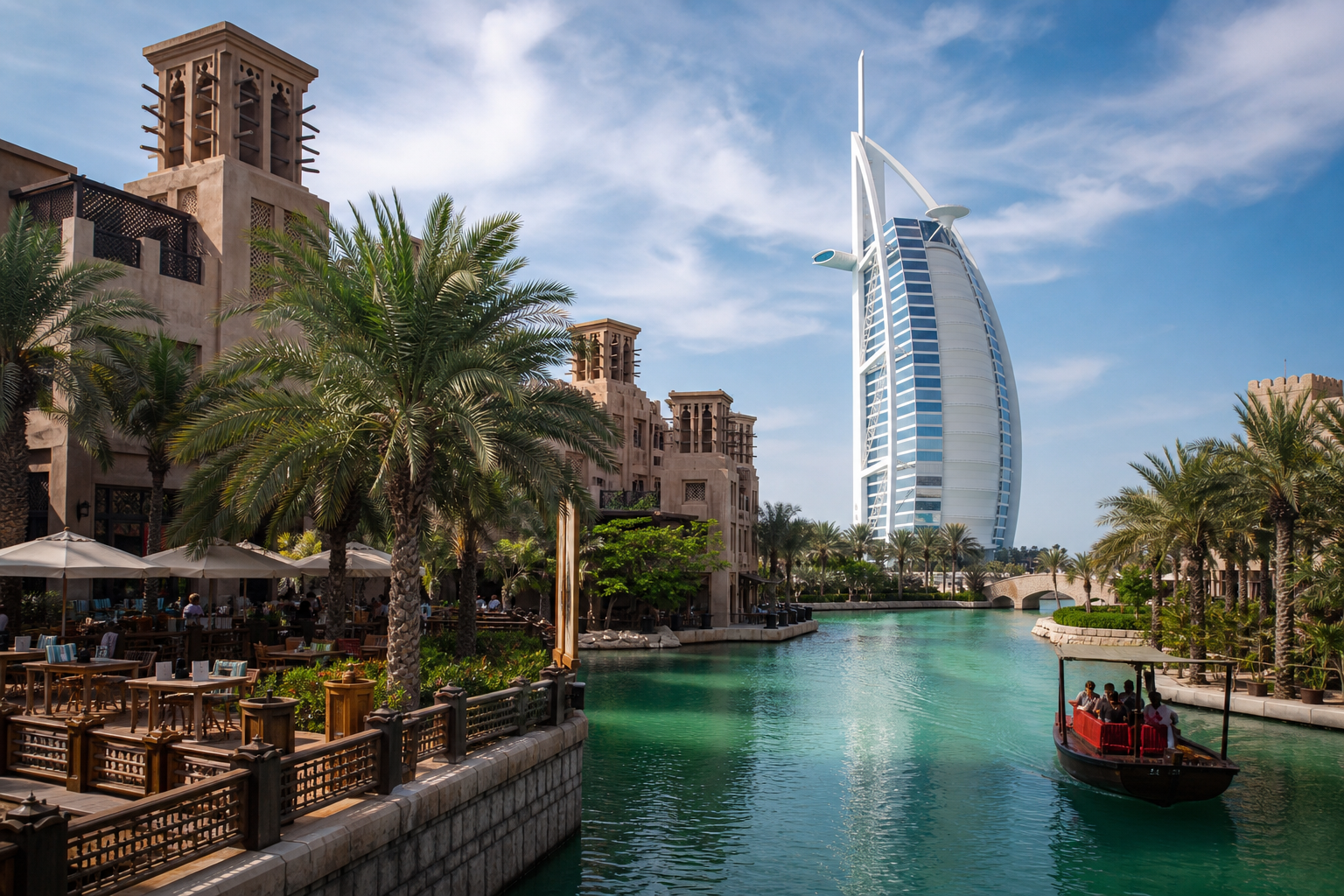
Jumeirah is a good place to spend an unplanned morning. The public beaches are clean, and you can see the Burj Al Arab from the shoreline without paying for an expensive hotel experience.
I especially like **Al Sufouh Beach**, sometimes called Secret Beach. It feels less built-up than some of the main beach areas, although facilities are limited. Bring water, sunscreen, and a towel.
For a livelier evening, head to **Kite Beach**, where you’ll find casual food stalls, walking paths, and plenty of people out exercising. Go near sunset when the heat has eased.
### 4. The Desert Outside the City
A desert trip is one of the few Dubai activities I’d book carefully rather than choosing the cheapest package immediately. Some tours rush you from dune bashing to dinner to a crowded entertainment area.
Look for a smaller group tour to **Al Marmoom Desert Conservation Reserve** or another protected desert area. The landscape feels more peaceful away from the busiest camps. A sunset drive, short camel ride, and quiet time among the dunes were enough for me; I didn’t need every add-on offered.
Ask whether the tour includes hotel pickup, dinner, dune driving, and conservation fees. The cheapest advertised price often leaves out several of these.
## Practical Travel Advice
### Getting There and Visa
Dubai International Airport, **DXB**, is the main arrival point and has excellent connections across Europe, Asia, Africa, and the Middle East. **Al Maktoum International Airport**, or DWC, serves fewer routes but may be convenient for some newer airline schedules and southern Dubai hotels.
Visa rules depend on your passport. Many nationalities receive a visa on arrival, while others must arrange a visa before flying. Your passport normally needs at least **six months of validity**, and immigration officers may ask for an onward ticket and accommodation details.
Check the current requirements through the official UAE government portal, your nearest UAE embassy, or your airline before booking. Rules can change, and airline staff usually apply them strictly at check-in.
For flights, compare both DXB and DWC, and check baggage rules carefully. A slightly cheaper ticket can stop being a bargain once checked luggage and airport transfers are added.
### Where to Stay
– **Deira or Bur Dubai:** Best for lower prices, local restaurants, souks, and access to older Dubai. These areas feel busier and more lived-in.
– **Downtown Dubai:** Good for first-time visitors who want the Burj Khalifa, Dubai Mall, and central attractions nearby. Hotels are often expensive.
– **Dubai Marina or Jumeirah Beach Residence:** Ideal for beaches, evening walks, restaurants, and a more modern holiday atmosphere.
– **Al Barsha:** A practical middle ground with useful Metro access, shopping, and generally better hotel value.
– **Palm Jumeirah:** Choose this for resort time and pools rather than easy sightseeing. Getting in and out can take longer than expected.
I usually recommend staying near a Metro station rather than choosing a hotel solely for its view. A five-minute walk to public transport can save a surprising amount on taxis.
### Getting Around
Dubai is easier to navigate than it first appears.
– The **Dubai Metro** connects the airport, Downtown, Dubai Marina, and several shopping areas. Buy a rechargeable **Nol card** for public transport.
– Taxis are metered and generally reliable. The official Dubai Taxi Corporation cars are easy to find.
– **Careem** and Uber are useful when you want a specific pickup point or a larger vehicle.
– Walking works well within individual neighborhoods, but Dubai is not a city where you casually walk between major districts. Roads are wide, distances are long, and summer heat makes short journeys feel much longer.
– The tram is handy around Marina and JBR, while water taxis and abras are fun for certain short routes.
Keep a little extra travel time during rush hour, especially around Sheikh Zayed Road, Downtown, and Marina.
## Real Costs and Local Tips
The local currency is the **UAE dirham**, written as AED or Dh. Cards are accepted almost everywhere, but I still carry small notes for abras, small cafés, taxis, and market purchases.
### Approximate Daily Budgets
**Budget traveler: AED 180–300 per day**
– Bed in a hostel or simple shared room
– Metro and occasional short taxi rides
– Affordable Indian, Pakistani, Lebanese, or shawarma restaurants
– Free beaches, souks, neighborhoods, and public spaces
**Mid-range traveler: AED 450–800 per day**
– Comfortable hotel room shared by two people
– A mix of Metro rides and taxis
– Casual restaurants with one nicer meal
– One paid attraction or a modest desert tour
Luxury hotels, beach clubs, rooftop restaurants, and alcohol can push the daily cost far higher. Alcohol is expensive, so check prices before ordering rather than assuming a casual drink will be inexpensive.
Tipping is not compulsory, but rounding up taxi fares or leaving around **5–10%** for good restaurant service is appreciated. Some restaurants add a service charge, so check the bill first.
### A Few Tricks That Saved Me Money
– **Eat where office workers and residents eat.** Deira, Bur Dubai, and Al Karama have excellent inexpensive meals, often much better value than restaurants inside major malls.
– **Use the Metro for long journeys.** A taxi across the city can cost more than expected once traffic slows everything down.
– **Book major attractions online and early.** Burj Khalifa tickets, popular beach clubs, and desert tours often have different prices depending on the time and date.
– **Don’t feel pressured in the souks.** Compare prices at two or three shops, and walk away politely if the number feels inflated.
– **Carry water.** Buying drinks repeatedly at attractions adds up, and the heat can sneak up on you even during short walks.
– **Check restaurant locations carefully.** A place listed as “near the beach” may still require a taxi from the nearest Metro station.
Dubai is not the kind of place where every day needs a packed itinerary. Some of my favorite hours were spent doing very little—sitting beside the Creek, watching planes cross the evening sky, or eating a cheap plate of grilled chicken in a neighborhood far from the postcard version of the city. That balance, between the futuristic skyline and ordinary daily life, is what brought the trip together for me.
KEYWORDS: Dubai skyline, Dubai desert