
# Middle East Travel Right Now: Old Cities, Desert Roads, Local Food, and Practical Tips
## The Vibe & When to Go
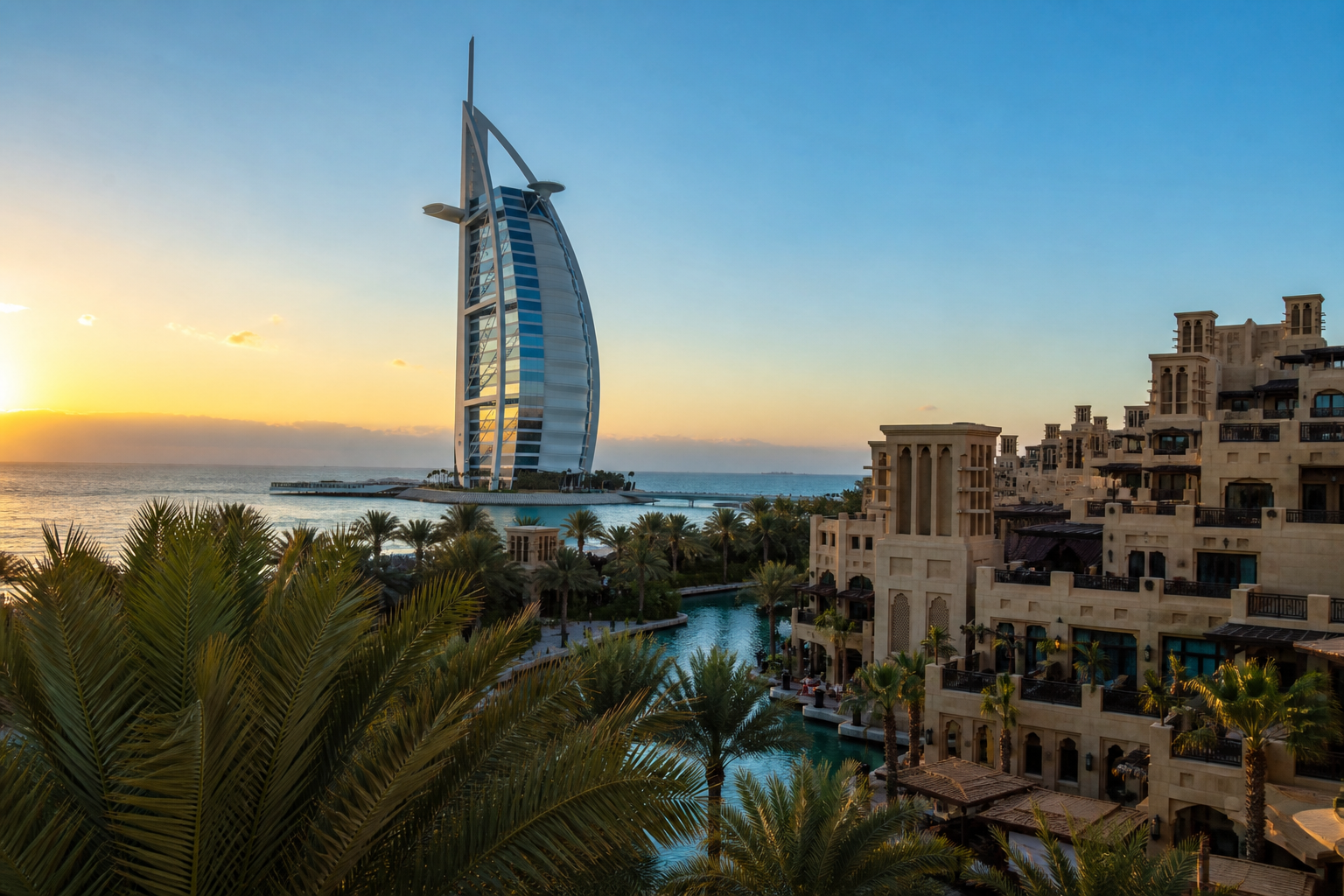
The Middle East isn’t one single travel experience. In one trip, you can move from the glass towers of Dubai to the quiet courtyards of Muscat, then eat falafel in Amman or watch the sunset turn the desert orange in Jordan. The region can feel polished and modern one moment, wonderfully chaotic the next.
For comfortable weather, I’d plan around **October to April**. Winter is mild in the Gulf, with warm afternoons and cool evenings, while Jordan and northern parts of the region can be surprisingly chilly after dark. **March to May** is especially good for walking through old towns and visiting archaeological sites before the serious summer heat arrives.
Summer is a different story. Dubai, Doha, Riyadh, and other Gulf cities can be intensely hot outdoors, though hotels, malls, museums, and restaurants are well air-conditioned. If you travel then, plan sightseeing for early morning or after sunset.
Travel news across the region changes quickly, especially with flight routes, border rules, and regional airspace. I always check official government travel advice, airline updates, and embassy websites before leaving. A country may be welcoming visitors normally while a nearby route is temporarily affected.
## Must-See Spots: My Top Picks
### 1. Old Dubai and the Creek
Dubai’s famous skyline is impressive, but I enjoyed the city much more once I left the shopping malls. Start around **Al Fahidi Historical Neighbourhood**, where sandy-colored lanes, small galleries, and quiet cafés offer a glimpse of older Dubai.
From there, walk toward the Creek and take an inexpensive **abra boat** across the water. The ride lasts only a few minutes, but it gives you a lovely view of the old trading district. On the Deira side, wander through the spice and gold souks. They are busy, loud, and a little overwhelming—in a good way.
My advice: go early in the morning or after 5 p.m. Midday heat makes walking uncomfortable, and Friday afternoons can have different opening hours.
### 2. Muscat’s Coast and Old Neighborhoods
Muscat feels calmer than many Gulf cities. White buildings stretch between rugged mountains and the sea, and the pace is slower. I liked spending a morning at **Mutrah Souq**, then walking along the Corniche with a cup of strong Omani coffee.
The **Sultan Qaboos Grand Mosque** is one of the major sights, but check visiting hours carefully because non-Muslim visitors are usually only allowed during certain morning periods. Dress modestly, with shoulders and knees covered.
If you have a rental car or a driver, go beyond the city. The road toward **Wadi Shab** and the coast is beautiful, with rocky valleys, small villages, and clear pools where you can swim. Bring water shoes and avoid flash-flood conditions after heavy rain.
### 3. Amman and Petra, Jordan
Amman is hilly, friendly, and full of excellent food. I spent an afternoon walking around the **Citadel**, then heading downhill toward the Roman Theater and downtown streets. The city is not especially easy on the legs, but the views and little discoveries make the climbs worthwhile.
Order falafel, hummus, mansaf, and fresh bread from small local restaurants rather than eating every meal in a hotel. Jordanian tea often arrives sweet and fragrant, and sharing food is part of the experience.
For Petra, arrive as early as you can. The Siq and Treasury are beautiful, but the site becomes much busier later in the morning. Wear proper shoes, carry water, and allow at least one full day. Two days is better if you want to reach the Monastery without rushing.
A useful money-saving option is the **Jordan Pass**, which can include Petra entry and may also cover the visa fee for eligible nationalities. Check the official terms before buying because conditions vary.
### 4. AlUla, Saudi Arabia
AlUla has become one of the region’s most talked-about destinations, with sandstone cliffs, ancient tombs, desert camps, and large cultural events. **Hegra** is the headline attraction, but I also enjoyed the quieter landscapes around the old town and the dramatic rock formations outside the main visitor areas.
You generally need to arrange visits and tours in advance, particularly during busy festival periods. Saudi Arabia is more open to independent tourism than it was in the past, but local customs still matter. Dress respectfully, avoid photographing people without permission, and remember that public behavior rules can be more conservative than in Dubai or Doha.
AlUla is not a cheap stop, especially if you stay in a luxury desert camp. It works best as a planned two- or three-night addition rather than an improvised side trip.
## Practical Travel Advice
### Getting There and Visa Requirements
Most international travelers enter through major hubs such as:
– Dubai or Abu Dhabi
– Doha
– Muscat
– Amman
– Riyadh or Jeddah
– Istanbul, for connections into the wider region
Visa rules depend entirely on your passport and destination. Some nationalities receive visas on arrival, while others must apply online or through an embassy. Saudi Arabia, Jordan, Oman, the UAE, Qatar, Israel, and Lebanon all have different systems.
Before booking non-refundable hotels, check:
– Passport validity, usually at least six months
– Visa or electronic travel authorization requirements
– Proof of onward travel
– Travel insurance rules
– Any vaccination or health documentation
– Entry rules for previous passport stamps, where relevant
For flights, I usually compare a major hub with a direct route rather than automatically choosing the cheapest ticket. A slightly more expensive nonstop flight can save a long overnight connection and reduce the chance of baggage problems. If you are moving between several countries, check whether separate tickets require you to collect and recheck your luggage.
### Where to Stay
**For nightlife, restaurants, and modern comforts:**
Stay in Downtown Dubai, Dubai Marina, West Bay in Doha, or Al Olaya in Riyadh.
**For atmosphere and older neighborhoods:**
Try Bur Dubai or Deira in Dubai, Mutrah in Muscat, or central Amman near Rainbow Street and downtown.
**For beach time:**
Jumeirah and Palm Jumeirah in Dubai, the Corniche area in Abu Dhabi, or coastal hotels around Muscat are convenient choices.
**For history and scenery:**
Stay near Petra in Wadi Musa, close to AlUla’s main visitor area, or in a desert camp if you are comfortable paying more for the setting.
I prefer a hotel near a metro station in Dubai or a central walkable area in Amman. A beautiful hotel far from everything can become expensive once you add daily taxi rides.
### Getting Around
Dubai has the easiest public transport network in the region, with a useful metro, trams, buses, and taxis. The metro is excellent for major areas, though you may still need a taxi at the end of the journey.
In Doha, the metro is clean and practical for central attractions, but taxis remain useful for places outside the main lines.
Muscat is spread out, and public transport is limited for sightseeing. A rental car, private driver, or local tour makes life much easier.
Amman has buses, but routes can be confusing for first-time visitors. Walking works in small areas, while taxis and ride-hailing are better for crossing the city. **Careem** and **Uber** operate in parts of the region, though availability varies by country. In Saudi Arabia and the UAE, ride-hailing apps are generally dependable in larger cities.
For desert areas and archaeological sites, prearrange transport. Do not assume you can simply find a taxi outside a remote attraction.
## Real Costs and Local Tips
Prices vary dramatically. Dubai and AlUla can be expensive, while Amman and Muscat are easier to manage if you eat locally and avoid luxury hotels.
### Daily Budget Guide
**Budget traveler: roughly $45–75 per day**
– Simple guesthouse or budget hotel
– Local cafés and inexpensive restaurants
– Public transport and occasional taxis
– A few paid attractions
**Mid-range traveler: roughly $120–220 per day**
– Comfortable three- or four-star hotel
– Restaurant meals and coffee stops
– Regular taxis or ride-hailing
– Several major attractions or a day tour
Desert camps, high-end restaurants, private drivers, and festival periods can push the daily cost much higher.
### Currency and Tipping
Currencies differ by country:
– UAE: dirham, AED
– Oman: Omani rial, OMR
– Jordan: Jordanian dinar, JOD
– Saudi Arabia: riyal, SAR
– Qatar: riyal, QAR
Cards are widely accepted in hotels, shopping centers, and modern restaurants. Still, keep small notes for taxis, market purchases, public toilets, and tiny cafés.
Tipping is appreciated but not always compulsory. In restaurants, **5–10%** is a reasonable guide when service is not already included. Round up taxi fares, and offer a small amount to hotel staff or local guides when they have been helpful.
### A Few Tricks That Saved Me Money
– **Eat one meal away from the main tourist areas.** A small neighborhood restaurant can cost a fraction of a hotel meal and usually tastes better.
– **Use public transport in Dubai and Doha.** Airport taxis and short rides can quickly add up.
– **Carry a scarf or light overshirt.** It helps with sun, chilly air-conditioning, and visiting religious sites where extra coverage is required.
– **Check attraction tickets before arriving.** Popular sites in Saudi Arabia, Jordan, and the UAE may have timed entry or require advance booking.
– **Agree on taxi fares before getting in when there is no meter.** Better still, use a ride-hailing app when available.
– **Be careful with “free” tours in markets.** Friendly shopkeepers may invite you in for tea, but the conversation can turn into a hard sales pitch.
The Middle East rewards travelers who slow down a little. Leave space between major sights, sit down for tea, ask before taking photographs, and let yourself get slightly lost in the older neighborhoods. The grand attractions are memorable, but the moments I still think about are usually smaller: a shared plate of grilled meat, a boat crossing at dusk, or a shopkeeper explaining the smell of a spice I had never seen before.
KEYWORDS: Middle East travel