
# Travel & Tourism News Middle East: My Honest Guide to Planning a Trip Right Now
The Middle East isn’t one single travel experience. A few hours in Dubai feels completely different from wandering Amman’s old streets or drinking cardamom coffee in Muscat. That variety is exactly what makes the region so rewarding—and also why a little planning matters.
If you’re following **travel and tourism news in the Middle East**, you’ll see new hotels, expanded flight routes, major cultural events, and changing entry rules appearing all the time. My advice is to choose one country, or at most two nearby countries, rather than trying to collect the whole region in one rushed trip.
## The Vibe & When to Go
Spring and autumn are the easiest seasons for most Middle Eastern destinations. Days are generally warm, evenings can be pleasantly cool, and you can spend time outside without feeling defeated by the heat.
The Gulf—especially Dubai, Abu Dhabi, Doha, and Muscat—can be very hot from late spring through summer. Hotels may offer better rates then, but sightseeing in the middle of the day is hard work. Jordan and northern areas of the region usually have more comfortable temperatures, though desert nights can feel surprisingly cold.
The mood also changes during **Ramadan**, which follows the Islamic lunar calendar. Many restaurants close during daylight hours, while evenings become lively and communal after sunset. I enjoy visiting during this period, but I plan my days around shorter opening hours and show extra consideration when eating or drinking in public.
## Must-See Spots: My Top Picks
### 1. Muscat, Oman: Quiet Beauty and Great Day Trips
Muscat was one of the places where I finally slowed down. The city has low white buildings, rugged mountains behind it, and a calmer pace than some of the larger Gulf cities.
I loved visiting the **Sultan Qaboos Grand Mosque** early in the morning, then spending time around **Mutrah Souq** later in the day. The souq is atmospheric without feeling as aggressively sales-focused as some markets elsewhere. Be prepared to bargain politely, especially for textiles, frankincense, and small silver items.
For a memorable day out, rent a car or hire a driver to visit **Wadi Shab** or the coastal village of **Qantab**. Bring sturdy shoes and plenty of water—these are not places where flip-flops and a quick phone battery will get you very far.
### 2. Amman and Petra, Jordan: History With a Lived-In Feel
Amman is hilly, busy, and wonderfully imperfect. I liked it more once I stopped trying to treat it like a polished sightseeing city. Walk around downtown, eat falafel at a small local shop, and climb up to the **Citadel** near sunset for broad views over the pale stone buildings.
A visit to **Petra** deserves more than a rushed half-day. Arrive as early as you can, walk beyond the Treasury, and continue toward the Monastery if your knees and schedule allow. The path is long, but the crowds thin out as you go.
If you have an extra day, spend a night in **Wadi Rum**. A desert camp can be touristy, but the landscape still feels enormous and moving, especially at dawn. Choose a camp with clear information about meals, bathrooms, and transport rather than booking purely from glossy photographs.
### 3. Dubai and Abu Dhabi: More Than Shopping Malls
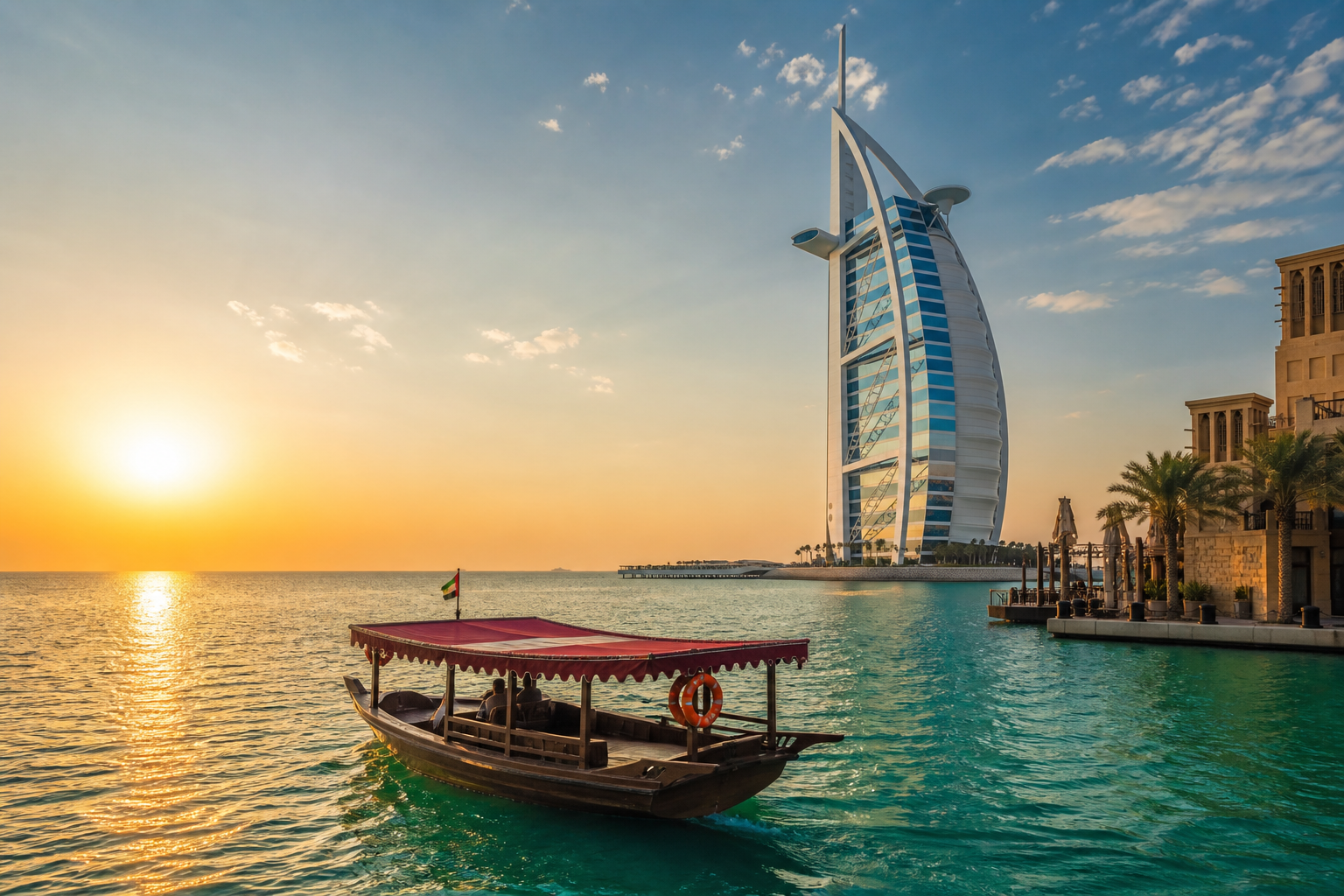
Dubai is easy to dismiss as all skyscrapers and shopping, but I found its older neighborhoods far more memorable than I expected. Take an abra across Dubai Creek, wander through **Al Fahidi Historical Neighbourhood**, and stop for tea or Emirati food around Deira.
For a different side of the city, visit **Alserkal Avenue** in Al Quoz. Galleries, studios, cafés, and small exhibitions make it a good place to spend a few relaxed hours away from the main tourist areas.
Abu Dhabi feels slower and more spacious. The **Sheikh Zayed Grand Mosque** is magnificent, but book ahead and dress respectfully. I also enjoyed the **Louvre Abu Dhabi**, particularly in the late afternoon when the geometric dome casts patterned shadows across the water.
### 4. Doha, Qatar: Museums, Corniche Walks, and Desert Air
Doha is compact enough for a short stopover. The **Museum of Islamic Art** is one of my favorite places in the city, not only for its collection but also for the views across the bay.
Walk along the **Corniche** near sunset, then visit **Souq Waqif** in the evening when the restaurants and cafés become more lively. The souq is a good place to try grilled meats, karak tea, and local sweets, although prices vary from one restaurant to the next.
If time allows, take a desert trip toward **Khor Al Adaid**, also known as the Inland Sea. Use a reputable operator—the dunes are not somewhere I’d attempt to navigate alone in a standard rental car.
## Practical Travel Advice
### Getting There and Visa Rules
The region is served by major airline hubs in **Dubai, Abu Dhabi, Doha, Istanbul, Muscat, and Riyadh**, with frequent connections from Europe, Asia, Africa, and North America. If you’re traveling between Gulf cities, compare direct flights with regional carriers; schedules and baggage rules can differ quite a bit.
Visa rules depend entirely on your passport and destination:
– **United Arab Emirates:** Many nationalities receive visa-free entry or a visa on arrival, while others must arrange a visa beforehand.
– **Oman:** Many visitors can apply online for an e-visa, and some nationalities qualify for short visa-free stays.
– **Jordan:** Visa on arrival or online options are available for many travelers, but not all passports qualify.
– **Qatar:** Numerous nationalities can enter visa-free or receive entry permission on arrival.
– **Saudi Arabia:** Tourist e-visas are available to eligible nationalities, with separate rules for some passport holders.
– **Israel:** Some travelers need an electronic travel authorization before departure, depending on nationality.
Always check the official immigration website or your embassy shortly before booking. Entry rules, passport-validity requirements, insurance policies, and proof-of-accommodation rules can change quickly.
### Where to Stay
Choose your neighborhood based on how you like to travel:
– **Dubai:** Deira or Bur Dubai for food, history, and better value; Downtown or Dubai Marina for modern hotels and easy access to major attractions.
– **Abu Dhabi:** Around the Corniche for central sightseeing; Yas Island for theme parks and airport convenience.
– **Muscat:** Mutrah for atmosphere, Qurum for restaurants and beaches, or Al Khuwair for practical mid-range hotels.
– **Amman:** Downtown for character and local food; Jabal Amman or Abdali for quieter, more modern accommodation.
– **Doha:** Souq Waqif for evenings and old-city charm; West Bay for business hotels and skyline views.
I usually check the walking distance to cafés, a supermarket, and public transport before booking. A beautiful hotel can become frustrating if every short outing requires a taxi.
### Getting Around
Public transport is excellent in parts of the Gulf and limited in others.
– Dubai has a clean metro, trams, buses, and taxis. The metro is especially useful for the airport, Downtown, and Marina areas.
– Doha’s metro is inexpensive and handy for the central districts, though taxis are still useful for places outside the main lines.
– Muscat and Amman are easier with taxis, a rental car, or a hired driver.
– Ride-hailing apps such as **Careem** and **Uber** operate in several major cities, but availability differs by country.
– Walking works well in old districts and central neighborhoods, but heat, wide roads, and limited crossings can make short distances feel longer than expected.
For Jordan, Oman, and desert areas, I prefer arranging transport through a trusted hotel or local company rather than accepting the first driver who approaches at a tourist site.
## Real Costs and Local Tips
Prices vary sharply across the region. Dubai, Doha, and Abu Dhabi can become expensive very quickly, while Amman and Muscat are often easier on the budget if you eat locally and avoid luxury hotels.
### Approximate Daily Budgets
**Budget traveler:**
– Jordan: **$45–70 per person**
– Oman: **$55–85 per person**, especially if sharing a rental car
– Dubai, Abu Dhabi, or Doha: **$70–120 per person**
– Accommodation is usually the biggest factor
**Mid-range traveler:**
– Jordan: **$100–160 per person**
– Oman: **$120–190 per person**
– Dubai, Abu Dhabi, or Doha: **$150–250 per person**
These figures include a private or comfortable shared room, local meals, basic sightseeing, and everyday transport. Desert camps, guided tours, beach resorts, and last-minute flights can push the total much higher.
The currencies you’re most likely to use include the **UAE dirham, Qatari riyal, Omani rial, Jordanian dinar, and Saudi riyal**. Cards are widely accepted in cities, but keep cash for small cafés, taxis, markets, and public toilets.
Tipping is appreciated but not always fixed. In restaurants, leaving around **5–10%** is generally welcome when service is not already included. For drivers, guides, and hotel staff, a small tip is a kind gesture rather than an absolute requirement.
### A Few Ways to Save Money and Avoid Hassles
– **Eat where office workers eat.** Small cafeterias and neighborhood restaurants often serve filling meals for a fraction of hotel prices.
– **Use hotel taxis only when necessary.** Ask whether the meter is used, or compare the fare with Careem or Uber first.
– **Book desert trips and airport transfers in advance.** The cheapest-looking deal at a tourist desk may not include meals, entry fees, or transport back.
– **Carry a scarf or light layer.** It helps with mosque visits, cool shopping centers, and surprisingly chilly desert evenings.
– **Check attraction timings before leaving.** Museums, souqs, and religious sites may close between prayer times, on Fridays, or during Ramadan.
– **Don’t photograph people without permission.** This is especially important in markets, villages, and religious spaces.
– **Leave space in your itinerary.** Traffic, heat, and long drives can turn a simple regional plan into an exhausting one.
The Middle East rewards travelers who stay curious and flexible. Ask questions, greet people respectfully, eat beyond the hotel district, and give yourself enough time to notice the small details—the bakery opening before sunrise, the evening families gathering by the waterfront, or the sudden quiet of a desert road.
KEYWORDS: Middle East travel, Muscat Oman