
# Six European Cities with “Rude Service” Reputations — and How I Actually Experienced Them
A New York Post roundup recently highlighted six European destinations that travelers often describe as having the least friendly service: **Paris, Milan, Rome, Barcelona, London, and Berlin**.
That sounds rather grim, but I’ve learned not to confuse a short, impatient interaction with an entire city. In many of these places, service is simply more direct, less chatty, or less eager to please than visitors expect. A rushed waiter may still serve an excellent meal. A brisk ticket clerk may still point you in the right direction—just without a smile.
I’ve visited these cities with that in mind, and each one offered far more than a few awkward café encounters.
## The Vibe and When to Go
Late spring and early autumn are my favorite times for this six-city route. Days are generally comfortable for walking, outdoor cafés are open, and you avoid the worst of the summer crowds. Paris and London can still be drizzly, while Rome, Barcelona, and Milan may feel pleasantly warm. Berlin is often cooler at night, so I always pack a light jacket.
Summer brings long days and lively terraces, but also expensive hotels and queues everywhere. Winter can be wonderful for museums, Christmas markets, and lower prices, though Rome and Barcelona are usually easier weather-wise than Berlin or London.
The main thing I’d tell a friend is this: don’t arrive expecting American-style friendliness in every shop or restaurant. Say hello, learn a few local words, and don’t take a clipped reply personally. That small effort often changes the whole tone of an interaction.
—
## 1. Paris, France: Beautiful, Busy, and Blunt at Times
Paris is the city most often mentioned when travelers complain about unfriendly service. I understand why: busy cafés can feel hurried, and some staff have very little patience for tourists who arrive without a greeting or try to customize everything.
But Paris also rewards curiosity. The city is much more pleasant when you slow down and stop treating it like a checklist.
### My favorite things to do
– **Walk the Canal Saint-Martin early in the day.** The area is calmer than the center, with small bakeries, bookshops, and locals buying coffee before work.
– **Visit the Musée de l’Orangerie** instead of spending the entire day waiting at the Louvre. Monet’s Water Lilies are displayed in peaceful oval rooms, and the museum is manageable in a couple of hours.
– **Explore the covered passages near Palais-Royal.** Galerie Vivienne is especially lovely when the weather turns wet.
– **Have an evening picnic by the Seine**, but buy your cheese, bread, and fruit from a neighborhood shop rather than a riverside kiosk.
A simple **“Bonjour”** before asking a question goes a long way. Walking into a shop silently and immediately asking for help can sometimes produce the icy response Paris is famous for.
### Where to stay
– **Le Marais:** Central, lively, and great for restaurants and boutiques.
– **Saint-Germain-des-Prés:** Charming and polished, though usually pricier.
– **Montmartre:** More atmospheric and affordable, but hillier and farther from some attractions.
– **Canal Saint-Martin:** A good choice for a younger, more local feel.
—
## 2. Milan, Italy: Stylish, Fast-Paced, and Not Especially Chatty
Milan feels different from the slower, more relaxed image many visitors have of Italy. It’s a working city, and people are often rushing to meetings, trains, or appointments. Service can be brisk, especially around the central station and Duomo.
I like Milan because it has two sides: grand fashion and architecture in the center, then quiet courtyards, neighborhood bars, and leafy streets a few blocks away.
### My favorite things to do
– **See the Duomo early in the morning.** I booked the rooftop ticket in advance and went before the square became packed. The view across the city is far better than seeing the cathedral only from ground level.
– **Walk through Brera**, especially the smaller side streets behind the art museum. It’s busy, but still pleasant for an afternoon wander.
– **Visit the Fondazione Prada** if you enjoy modern art and unusual architecture. It’s outside the main tourist zone and usually feels less frantic.
– **Spend an evening along the Navigli canals.** Skip the first restaurant that approaches you and compare menus a street or two away.
Milanese service can seem cold if you expect a long conversation. I found that being clear, polite, and decisive worked better than hesitating over every choice.
### Where to stay
– **Brera:** Beautiful, central, and full of restaurants.
– **Navigli:** Best for nightlife and aperitivo.
– **Porta Venezia:** More relaxed, with good cafés and excellent transport links.
– **Central Station area:** Convenient for short trips, though I prefer not to stay directly beside the station.
—
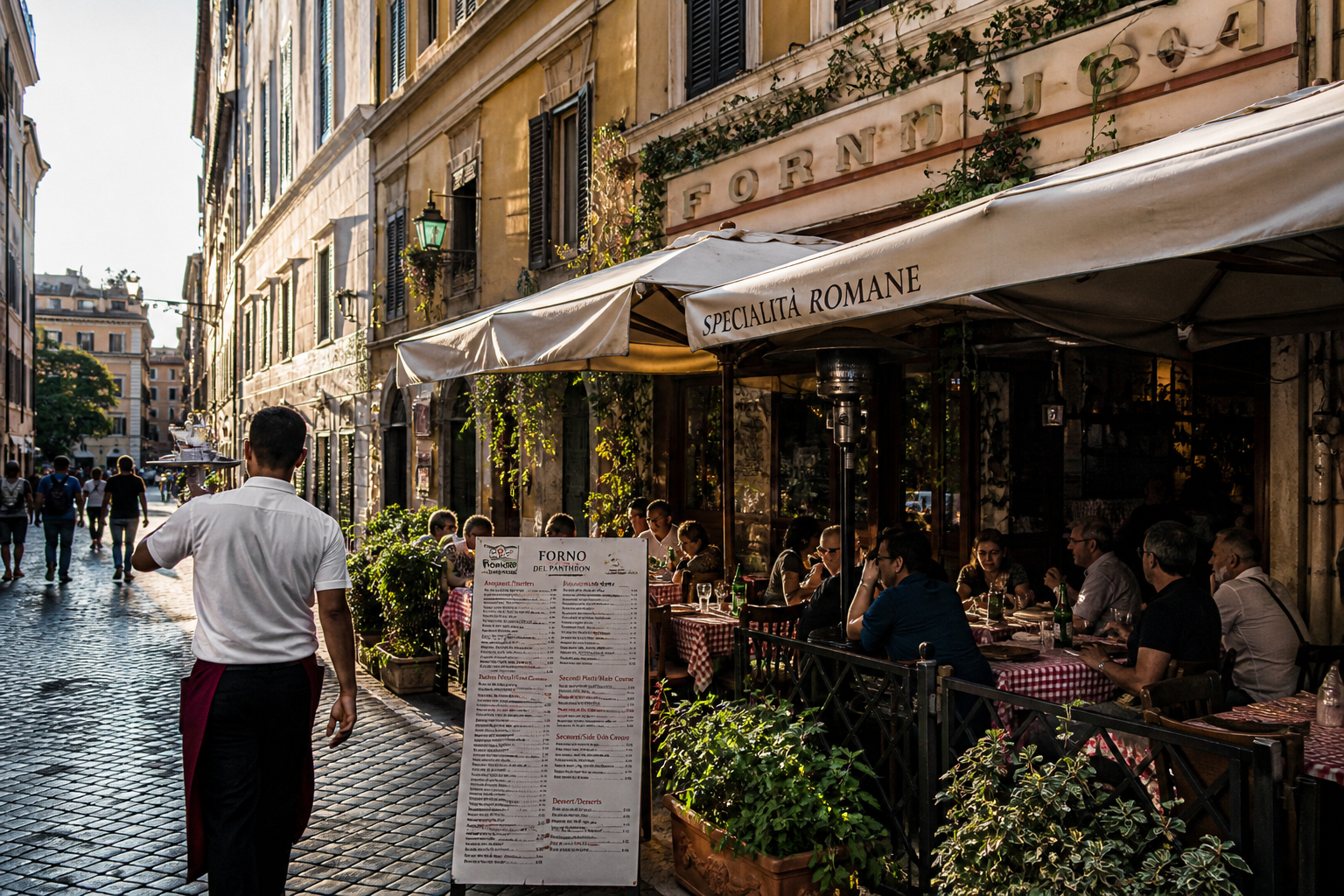
## 3. Rome, Italy: Chaotic, Warm, and Occasionally Impatient
Rome is not a tidy city, and it doesn’t pretend to be. Scooters cut through traffic, buses arrive when they feel like it, and restaurant staff may seem distracted during the busiest hours. Yet Rome also has an easy warmth that appears once you stop rushing.
The best moments often happen between the headline sights: a quiet church, a tiny wine bar, or a street where someone is hanging laundry above a flower shop.
### My favorite things to do
– **Visit the Colosseum on the first morning entry.** The light is softer, the heat is lower, and you can take your time before the crowds build.
– **Walk from the Aventine Hill to Testaccio.** Look through the famous keyhole at the Knights of Malta, then continue toward the food market and neighborhood restaurants.
– **Explore Trastevere before dinner**, not during the evening rush. The small lanes are much more enjoyable before tables fill the pavements.
– **Find the quieter side of the Pantheon area** by wandering toward Santa Maria della Minerva and the nearby back streets.
Avoid restaurants directly beside major monuments if the menu has photographs, multiple language flags, and someone standing outside trying to pull you in. Some are perfectly fine, but prices and quality are usually better a few streets away.
### Where to stay
– **Monti:** Central, attractive, and full of independent restaurants.
– **Trastevere:** Fun and atmospheric, though noisy at night.
– **Prati:** Quieter, practical, and close to the Vatican.
– **Testaccio:** A good pick for food lovers who don’t mind being slightly outside the historic center.
—
## 4. Barcelona, Spain: Energetic, Creative, and Tired of Bad Tourist Behavior
Barcelona has plenty of friendly people, but the city has also dealt with overtourism, noise, litter, and visitors treating public spaces like a party zone. That frustration can show up in restaurants, shops, and taxis.
I found Barcelona much more welcoming when I followed the local rhythm: lunch later than I was used to, dinner later still, and a slower approach to the day.
### My favorite things to do
– **Visit Park Güell early**, before the hottest part of the day. The famous sections require a timed ticket, so book ahead.
– **Walk through Gràcia**, where the streets feel more residential and the plazas are ideal for a long coffee.
– **See the Sagrada Família, then leave the immediate area.** The church is remarkable, but nearby restaurants are often overpriced. I preferred eating around Sant Antoni.
– **Take the train to Sitges** for a relaxed beach day if the city becomes too crowded.
Keep your phone and wallet secure on the metro and around Las Ramblas. Pickpocketing is a bigger nuisance here than rude service.
### Where to stay
– **Eixample:** Convenient, walkable, and filled with restaurants.
– **Gràcia:** More local and relaxed, with lively squares.
– **El Born:** Great for nightlife and historic streets, but can be noisy.
– **Poble-sec:** Good food and generally better value than the most central areas.
—
## 5. London, England: Polite Words, Impatient Queues
London is often described as polite rather than warm. People may say “sorry” while stepping around you, then become visibly irritated if you stop in the middle of a busy pavement.
The city is enormous, expensive, and constantly moving. Once I accepted that, I found the service less unfriendly and more efficient. Londoners usually help when asked directly, especially if you avoid blocking the entrance or holding up a queue.
### My favorite things to do
– **Spend a morning at the Victoria and Albert Museum**, which has an excellent café and is less overwhelming than trying to see several museums in one day.
– **Walk along Regent’s Canal from Little Venice toward Camden**, ideally on a weekday.
– **Visit Borough Market early**, then cross London Bridge and walk along the South Bank.
– **Explore Hampstead Heath** when you need a break from traffic and crowds. Parliament Hill has one of my favorite city views.
Always queue properly. Don’t stand on the left side of an escalator. These sound like small things, but they make daily life noticeably easier.
### Where to stay
– **South Bank:** Handy for major sights and riverside walks.
– **Kensington:** Calm, attractive, and close to several museums.
– **Shoreditch:** Better for nightlife, street art, and restaurants.
– **Bloomsbury:** Central but quieter, with easy access to the British Museum and major train stations.
—
## 6. Berlin, Germany: Direct, Independent, and Uninterested in Small Talk
Berlin’s service style is usually direct rather than deliberately rude. Cashiers may not make conversation, restaurant staff may leave you alone for long stretches, and some places still feel wonderfully unconcerned with pleasing tourists.
The city’s appeal is its openness and character. Berlin is less polished than Paris or Milan, but it gives you room to explore without constantly feeling sold to.
### My favorite things to do
– **Visit the East Side Gallery early** and walk along the Spree afterward.
– **Spend an afternoon in Kreuzberg and Neukölln**, where Turkish bakeries, small bars, and independent shops offer a better feel for the city than a bus tour.
– **See the dome of the Reichstag**, but reserve a time slot in advance.
– **Take the U-Bahn to Tempelhofer Feld.** The former airport runway is one of the strangest and most enjoyable open spaces in the city.
Berlin restaurants may expect you to ask for the bill rather than bring it automatically. Tipping is appreciated, but there’s no need to leave American-sized gratuities.
### Where to stay
– **Mitte:** Best for first-time visitors and central sightseeing.
– **Kreuzberg:** Lively, diverse, and strong on food.
– **Prenzlauer Berg:** Quieter and good for families or longer stays.
– **Neukölln:** More affordable, with plenty of bars and casual restaurants.
—
## Getting There and Visa Advice
Five of these destinations—**Paris, Milan, Rome, Barcelona, and Berlin**—are within the Schengen Area. Many travelers can visit visa-free for up to **90 days in any 180-day period**, but the exact rules depend on your passport.
**London is not in the Schengen Area.** Visitors from many countries now need an electronic travel authorization, while others need a visitor visa. Check the official UK government website before booking.
For flights, I usually:
– Compare the main airport with smaller nearby airports before choosing a fare.
– Check the cost of getting from the airport to the city center. A cheap flight can become expensive after a long airport transfer.
– Book major European train routes early, especially between Paris, Milan, Rome, and Berlin.
– Leave extra time for airport security during summer and holiday periods.
Passport rules change, so check official government websites rather than relying only on airline booking pages.
—
## Getting Around
All six cities are easiest when you combine walking with public transportation.
– **Paris:** Metro and RER trains cover almost everything. Download the Île-de-France Mobilités app.
– **Milan:** Metro, trams, and buses are simple to use. ATM Milano handles local transport.
– **Rome:** The metro is useful but limited; buses and walking fill the gaps.
– **Barcelona:** The metro is excellent, but watch your belongings in crowded areas. TMB provides route information.
– **London:** Use contactless payment or an Oyster card. The Tube, buses, and Overground make taxis unnecessary for most trips.
– **Berlin:** The BVG and Jelbi apps are useful for trains, trams, buses, and shared rides.
Uber is available in some form in most of these places, but local taxi apps can be better. Free Now is useful in several European cities, while Bolt is often cheaper for short rides. I avoid taking an unmarked taxi from an airport unless I have confirmed the fare first.
—
## Real Costs and Local Etiquette
These are rough daily estimates per person, excluding international flights.
| City | Budget traveler | Mid-range traveler |
|—|—:|—:|
| Paris | €70–€110 | €160–€260 |
| Milan | €65–€105 | €150–€240 |
| Rome | €60–€100 | €140–€230 |
| Barcelona | €60–€100 | €140–€230 |
| London | £75–£120 | £180–£300 |
| Berlin | €55–€95 | €130–€220 |
A budget day usually means a hostel or simple room, public transport, bakery breakfasts, casual lunches, and one inexpensive dinner. Mid-range spending covers a private hotel room, a few paid attractions, restaurant meals, and occasional taxis.
### Currency and tipping
– France, Italy, Spain, and Germany use the **euro**.
– The UK uses the **pound sterling**.
– In restaurants, rounding up or leaving around **5–10%** is generally enough when service is good. Check whether a service charge is already included.
– In cafés and bars, leaving small change is perfectly normal.
– In London, a service charge is often added automatically, so read the bill before tipping again.
### Small tricks that saved me money
– **Eat lunch well and dinner lightly.** Set menus and daily specials are often much better value than evening à la carte menus.
– **Book attraction tickets through official websites.** Third-party sellers frequently add fees or sell confusing “skip-the-line” packages.
– **Use refillable water bottles.** Public fountains and refill stations are common, particularly in Rome, London, and Barcelona.
– **Stay one or two metro stops outside the historic center.** You usually get a quieter room and a better restaurant selection for less money.
– **Learn the local greeting.** “Bonjour,” “buongiorno,” “hola,” “hello,” or “guten Tag” takes seconds and can prevent the chilly first impression many travelers describe.
– **Keep your pace calm.** Rushing into a crowded café, snapping fingers, or demanding immediate attention is likely to produce poor service anywhere.
The “rudest service” label says as much about traveler expectations as it does about these cities. I’ve had impatient encounters in all six, but I’ve also been handed directions, free desserts, and excellent local recommendations by people who seemed abrupt at first. Go prepared, stay polite, and give each place enough time to show you its better side.
KEYWORDS: Paris France