
# Taiwan Beyond Taipei: Night Markets, Mountain Trains, and 100 Ways to Wonder
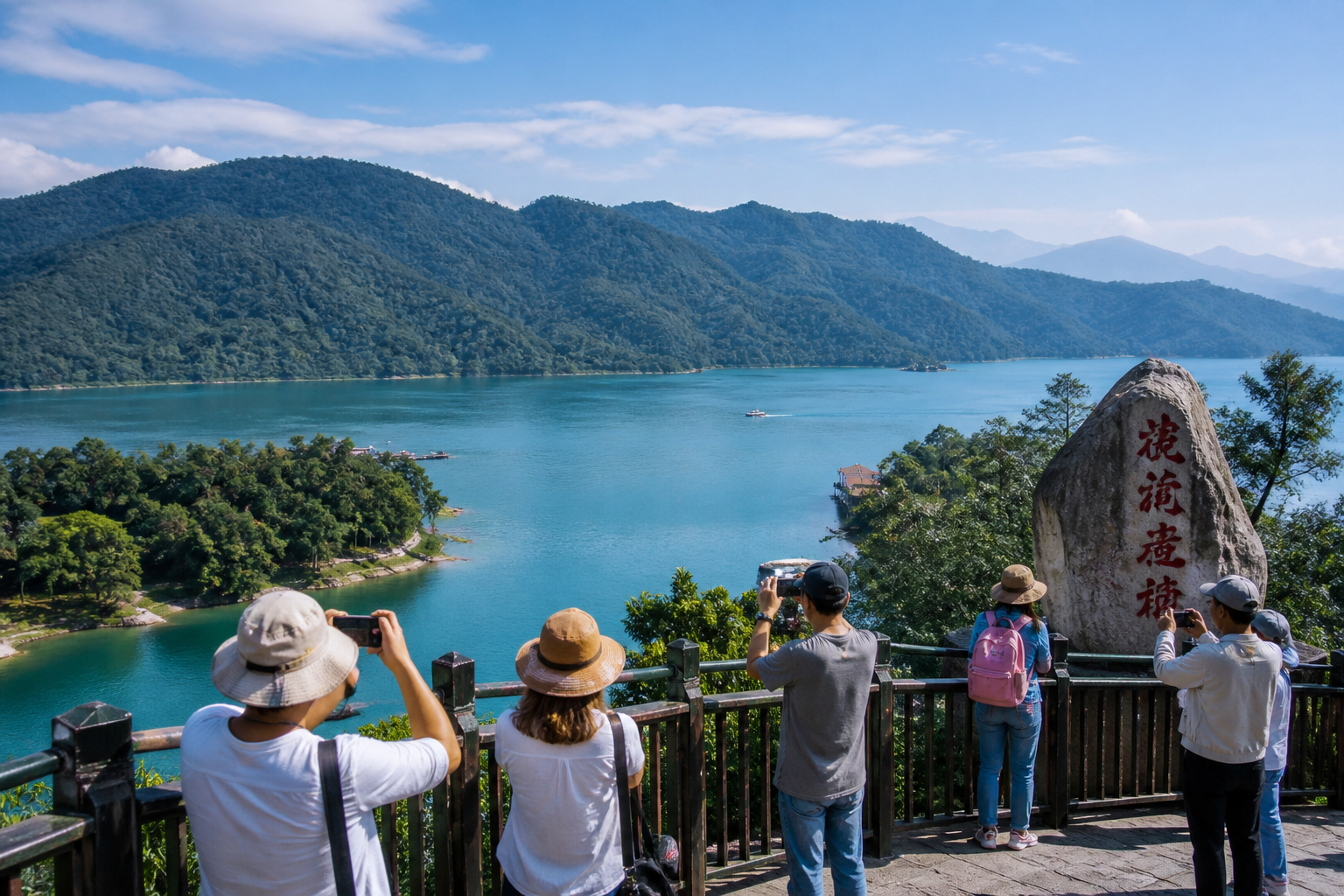
Taiwan is the kind of place where a quick city break can quietly turn into a much bigger adventure. One minute you’re eating pepper buns in a crowded Taipei market; a few hours later, you’re riding a train through green mountains or watching fishing boats come in along the coast.
That was the message behind Taiwan Tourism’s **#100WaysToWonder** presentation for San Diego’s travel trade: Taiwan isn’t one single vacation. It can be food-focused, outdoorsy, cultural, relaxed, or wonderfully unpredictable depending on how you plan it.
## The Vibe & When to Go
Taiwan feels lively without being exhausting. Cities are busy, but convenience stores, clean trains, helpful signs, and late-night food make travel surprisingly easy. I also love the contrast: Taipei’s glowing towers and scooters give way quickly to tea hills, hot springs, fishing villages, and forested peaks.
The best general times to visit are **October through December** and **March through May**, when temperatures are usually comfortable and the skies are kinder than during the wetter summer months. Spring can bring rain, while June through September is hot, humid, and sometimes affected by typhoons.
If you’re traveling during the warmer months, plan outdoor activities for the morning and save museums, cafés, and food tours for the afternoon. Taiwan’s summer heat is not something to underestimate.
## Must-See Spots: My Top Picks
### 1. Taipei’s Night Markets and Old Neighborhoods
Taipei is an easy place to love, but I’d give it more than just a rushed day around Taipei 101.
Start at **Longshan Temple** in the morning, when incense smoke hangs in the air and locals stop by to pray before work. From there, wander through nearby old streets and snack your way toward **Ximending** or **Ningxia Night Market**.
At a night market, I usually go for small portions rather than one giant meal:
– Pepper buns baked against the inside of a clay oven
– Oyster omelets with sweet-savory sauce
– Grilled squid or chicken skewers
– Shaved ice with fruit and condensed milk
– Stinky tofu, if you’re feeling brave
For a quieter side of Taipei, take the short trip to **Maokong**. The gondola ride gives you city views, and the hilltop tea houses are a lovely place to slow down with a pot of locally grown oolong.
**Practical tip:** Taipei 101 is impressive, but sunset crowds can be intense. I often prefer seeing the tower from Elephant Mountain, then heading back down for dumplings.
### 2. Tainan for Food, Temples, and a Slower Pace
Tainan feels older and more relaxed than Taipei. It’s the city I recommend to friends who want to understand Taiwan through food and history.
Spend a morning around **Anping**, where old forts, temples, and narrow lanes tell the story of Taiwan’s trading past. Then simply follow your appetite. Tainan specialties include beef soup, danzai noodles, milkfish, shrimp rolls, and flaky pastries filled with sweet mung bean paste.
The best meals may come from places that look almost too modest to notice. Many stalls open early and close when the food runs out, so don’t wait until late afternoon for the famous breakfast spots.
I also like wandering around **Zhengxing Street** and the older central districts in the early evening. There are small cafés, design shops, temples tucked between buildings, and plenty of corners where you can pause without a schedule.
**Practical tip:** Rent a bicycle or use local taxis for shorter hops. Tainan is walkable in sections, but the heat can make a long midday stroll harder than it looks.
### 3. The East Coast and Taroko Area
Taiwan’s east coast is where the country’s scale really surprised me. The mountains seem to rise almost directly from the Pacific, and the scenery changes every few minutes on the train.
**Taroko National Park** has long been one of Taiwan’s signature sights, especially for its marble gorges, river views, and hanging trails. However, conditions and access can change after earthquakes, typhoons, or landslides. Check the official park website before making plans, and don’t assume every trail is open.
If parts of Taroko are closed, the wider Hualien area still offers plenty:
– Coastal drives and cycling routes
– Quiet beaches and ocean viewpoints
– Local dumpling and rice-noodle shops
– Small villages and countryside scenery
– Shorter approved trails away from damaged sections
For a more relaxed route, take the train south toward **Taitung**. The journey is scenic, and the area has hot springs, Indigenous cultural experiences, open farmland, and a much quieter rhythm than Taipei.
**Practical tip:** Don’t pack the east coast into a single day from Taipei. An overnight stay makes the trip far more enjoyable and gives you room for weather delays.
### 4. Jiufen, Shifen, and the Mountain Towns Near Taipei
The old hillside lanes of **Jiufen** are beautiful, especially late in the afternoon when the lanterns begin to glow. They are also crowded, particularly on weekends and holidays.
I prefer visiting early, walking beyond the main food street, and spending time in one of the teahouses overlooking the coast. Try taro balls, peanut ice cream rolls, and herbal rice cakes, but don’t feel obligated to buy something from every stall.
Nearby **Shifen** is known for its railway street and sky lanterns. The town is fun for a first visit, although the experience can feel commercial if you arrive with a large tour group. A weekday morning is much calmer.
**Practical tip:** Take the train or a small group tour, but check the return schedule carefully. Mountain-area transport becomes less frequent in the evening.
## Practical Travel Advice
### Getting There & Visa
From San Diego, most travelers will connect through **Los Angeles, San Francisco, Seattle, Vancouver, or another major West Coast gateway** before flying to Taiwan Taoyuan International Airport near Taipei. There are usually no nonstop flights from San Diego, so compare the total journey time carefully. A slightly longer layover can be preferable to a stressful airport dash.
U.S. passport holders can generally visit Taiwan **visa-free for up to 90 days** for tourism, provided they meet entry conditions. Your passport should be in good condition and valid for the required period; airlines and authorities may apply specific validity rules, so check Taiwan’s official immigration guidance before booking.
Travelers from other countries have different requirements. Check the rules for your passport nationality, and make sure you have:
– An onward or return ticket
– A confirmed accommodation address
– Travel insurance, especially for hiking or scooter trips
– Any required online arrival or health forms
Rules can change, so use official Taiwanese government sources rather than relying only on an old blog post.
### Where to Stay
**Taipei Main Station:** Best for first-time visitors, train connections, and day trips. It’s practical rather than charming, but extremely convenient.
**Ximending:** Good for nightlife, shopping, street food, and a younger atmosphere. It can be noisy, so check reviews for sound insulation.
**Da’an:** My favorite Taipei base for a calmer stay. You’ll find cafés, restaurants, parks, and easy MRT access.
**Tamsui:** A pleasant choice if you like riverside walks and sunsets. It’s farther from central Taipei, so I’d choose it for a slower visit rather than a short stop.
**Tainan’s Central West District:** Ideal for food, historic streets, temples, and small guesthouses.
**Hualien or Taitung:** Choose Hualien for access to the east coast and Taroko area; choose Taitung for a quieter, more open landscape and hot springs.
### Getting Around
Taiwan is one of the easier places in Asia to travel without renting a car.
– The **MRT in Taipei and Kaohsiung** is clean, fast, and easy to understand.
– **Taiwan High Speed Rail** connects the western cities, including Taipei, Taichung, Tainan, and Kaohsiung.
– Regular trains are useful for the east coast and smaller destinations.
– **Google Maps** works well for routes and opening times, though I still double-check restaurant hours.
– **Uber** operates in major cities, while local taxi apps can help in other areas.
– An **EasyCard** is useful for MRT rides, buses, trains in some areas, and convenience-store purchases.
I only recommend renting a scooter if you already ride confidently and have the proper license and international permit. Traffic can be hectic, and mountain roads deserve respect.
## Real Costs & Local Tips
Taiwan offers good value, especially for food and public transportation. Taipei hotels are the biggest expense.
### Approximate Daily Budgets
**Budget traveler: TWD 1,500–2,800 per day**
– Hostel or simple guesthouse
– Night-market meals and local cafés
– MRT, buses, and occasional trains
– Free temples, parks, and neighborhood walks
**Mid-range traveler: TWD 3,500–6,500 per day**
– Comfortable hotel or private guesthouse
– Restaurant meals mixed with street food
– Intercity trains or an occasional taxi
– Paid attractions, tea houses, and small tours
These figures exclude international flights and can rise during holidays or if you travel around Taiwan by private car.
Taiwan uses the **New Taiwan dollar (TWD or NT$)**. Cash is still important at markets, small restaurants, temples, and rural guesthouses, though cards and mobile payments are increasingly common in cities.
Tipping is generally **not expected**. Some restaurants add a 10% service charge, and tour guides appreciate a small tip for genuinely good service, but there’s no need to tip every taxi driver or food-stall vendor.
### A Few Money-Saving Tricks
– Use an **EasyCard** instead of buying separate transit tickets for every ride.
– Eat where office workers and students eat. Busy small restaurants often offer better value than places with English-heavy menus and tourist photos.
– Visit famous attractions on weekdays and arrive early. You’ll spend less time waiting and may avoid paying for a packaged excursion.
– Buy drinks, fruit, and simple breakfasts from convenience stores when you’re traveling between towns. Taiwan’s convenience stores are genuinely useful, not just a last resort.
– Carry small bills for markets and older food stalls. It keeps transactions quick and avoids awkward moments.
– If you visit Jiufen, Shifen, or a famous night market, compare prices before buying souvenirs. Some stalls sell nearly identical items for noticeably different amounts.
Taiwan’s biggest gift is variety. You can spend one day eating your way through Taipei, the next soaking in a hot spring, and the day after that watching the landscape slide past a train window on the east coast. That idea behind **#100WaysToWonder** feels accurate: the country keeps offering another version of itself, and most of them are delicious.
KEYWORDS: Taiwan travel, Taipei Taiwan