
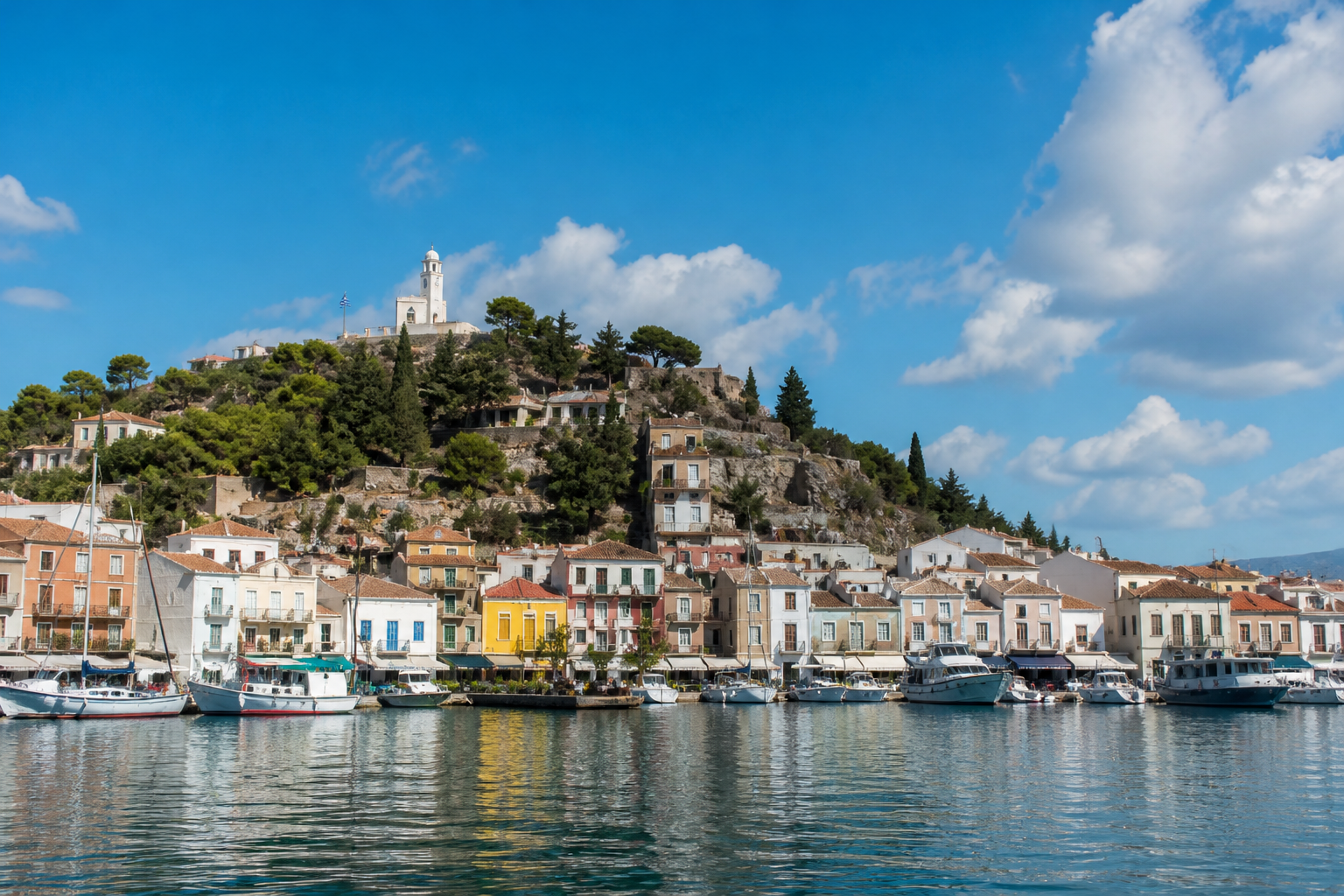
# Trieste: My Favorite Quiet Alternative to Venice
## The Vibe & When to Go
Trieste feels like Italy with one foot in Central Europe. You’ll hear Italian in the cafés, see Austro-Hungarian buildings along the grand squares, and notice a slightly slower, less polished rhythm than in Venice. People linger over tiny cups of strong coffee, buses rumble up steep streets, and the Adriatic is always somewhere in the background.
I visited in spring, when the days were bright but not too hot and the waterfront was still pleasantly calm. Expect roughly **14–22°C from April to May**, with some breezy or rainy days. September and early October are also lovely: warm enough for a swim, but far less crowded than the height of summer.
Trieste makes a great base if Venice is on your list but you don’t want to sleep among tour groups and souvenir shops. Venice is about two hours away by train, so you can visit for the day and return to a real city at night.
## Must-See Spots: My Top Picks
### 1. Piazza Unità d’Italia at sunset
This enormous waterfront square is Trieste’s grandest scene, but it doesn’t feel quite as staged as Venice’s famous squares. Sit outside at one of the cafés, order a coffee or an aperitivo, and watch the light turn the old buildings gold.
After dark, the square becomes even more atmospheric. I liked wandering along the edge of the water afterward rather than rushing straight into the old town.
### 2. San Giusto Hill and the cathedral
The climb to San Giusto is short but steep. Once you reach the top, the views stretch across the rooftops, port, and sea. The cathedral is modest compared with Italy’s biggest churches, which is part of its charm.
Go in the morning if you want quiet streets. On the way back down, take your time around the Roman ruins and little lanes near the castle. Comfortable shoes help—Trieste has more slopes and uneven paving than you might expect.
### 3. Miramare Castle and its gardens
Miramare Castle sits on a rocky point beside the sea, surrounded by landscaped gardens and walking paths. It is a popular stop, but the grounds are large enough that you can usually find a peaceful corner away from the main entrance.
Take the local bus from the city, then walk through the park rather than arriving, taking a few photos, and leaving. The coastal path is especially pleasant on a clear afternoon. Pack water and a small snack because the cafés nearby can be limited and pricier.
### 4. Barcola and a day trip to Muggia
Barcola is where Trieste goes to relax. There is no grand sandy beach—instead, you’ll find concrete sunbathing platforms, ladders into the water, joggers, and locals reading beside the sea. It feels wonderfully ordinary.
For an even quieter outing, take the small boat or a bus to **Muggia**, a colorful fishing town just south of Trieste. Its narrow lanes, harbor, and relaxed seafood restaurants make it an easy half-day escape. I’d choose Muggia over another packed historic center any day.
## Practical Travel Advice
### Getting There & Visa
The easiest airport is usually **Venice Marco Polo**, followed by a train or airport transfer to Trieste. The train journey from Venice Santa Lucia or Mestre takes around two hours, depending on the service.
Trieste also has a small airport near Monfalcone, with some seasonal and European connections. Check routes carefully before booking, as flights can be limited outside summer.
Italy is part of the **Schengen Area**. Visitors from the United States, Canada, the United Kingdom, Australia, and many other countries can usually enter visa-free for up to 90 days in a 180-day period. Your passport should generally be valid for at least three months after your planned departure. Rules can change, so check the Italian government or your embassy before flying.
### Where to Stay
– **Borgo Teresiano:** Best for first-time visitors. You’ll be close to Piazza Unità, the train station, restaurants, and evening walks.
– **Città Vecchia:** More atmospheric, with older streets and wine bars. It can be noisier on weekend nights.
– **San Giacomo:** A good choice for lower prices and a more local feel. There are bakeries, small groceries, and everyday cafés nearby.
– **Barcola:** Ideal if you want the sea outside your door and don’t mind being a short bus ride from the center.
I’d avoid booking too far uphill unless you are happy with steep walks or using buses regularly.
### Getting Around
The central areas are easy to explore on foot, though the hills can be tiring. Trieste’s buses are reliable and useful for San Giusto, Miramare, and Barcola. Buy tickets before boarding from tobacconists, ticket machines, or the local transport app, and remember to validate paper tickets when required.
Taxis are practical late at night or for luggage. Rideshare coverage is not as dependable here as in larger Italian cities, so I wouldn’t plan your whole trip around Uber. For Venice day trips, trains are far easier than driving and trying to park.
## Real Costs & Local Tips
Trieste uses the **euro**. Prices are generally gentler than Venice, especially if you stay away from the waterfront restaurants directly beside the main square.
### Daily budget
**Budget traveler: €55–€80 per person**
– Hostel bed or simple guesthouse
– Bakery breakfast and inexpensive lunch
– Bus rides and mostly free sights
– Casual dinner or pizza
**Mid-range traveler: €120–€190 per person**
– Comfortable private room
– Sit-down meals
– A museum or castle entrance
– Occasional taxi and a day trip
Coffee is part of the local culture, but ordering it in Trieste can feel slightly different. A simple espresso may be called a **“caffè”**, while a cappuccino-style drink has its own local names. If you’re unsure, just point to what someone nearby is drinking.
Tipping is not compulsory. If service is good, rounding up or leaving around **5–10%** is kind, but you don’t need to follow the American habit of tipping heavily. Check whether **coperto** or a service charge has already been added.
### A few tricks that saved me money
– **Have coffee standing at the bar.** Sitting at a table, especially in a famous square, can cost noticeably more.
– **Buy lunch from a bakery or buffet-style café.** Trieste has plenty of simple places selling sandwiches, warm pastries, and local snacks.
– **Use the train for Venice.** Driving adds fuel, tolls, and parking headaches, while the train drops you right into the city.
– **Ask for the daily menu.** Small family-run restaurants often offer a set lunch that is much better value than ordering several dishes separately.
– **Carry a light jacket near the water.** The bora wind can appear suddenly, even on sunny days, and buying an extra layer in a tourist area is never cheap.
Trieste is not trying to compete with Venice, and that is exactly why I liked it. You still get grand architecture, sea views, old cafés, and easy access to beautiful day trips—but you also get room to breathe. Spend a few days here, let the city reveal itself slowly, and you may find yourself enjoying the quiet corners more than the famous sights.
KEYWORDS: Trieste Italy