
# Scotland, Honestly: Wild Landscapes, Brilliant Pubs, and Six Things Travelers Should Know
## The Vibe & When to Go
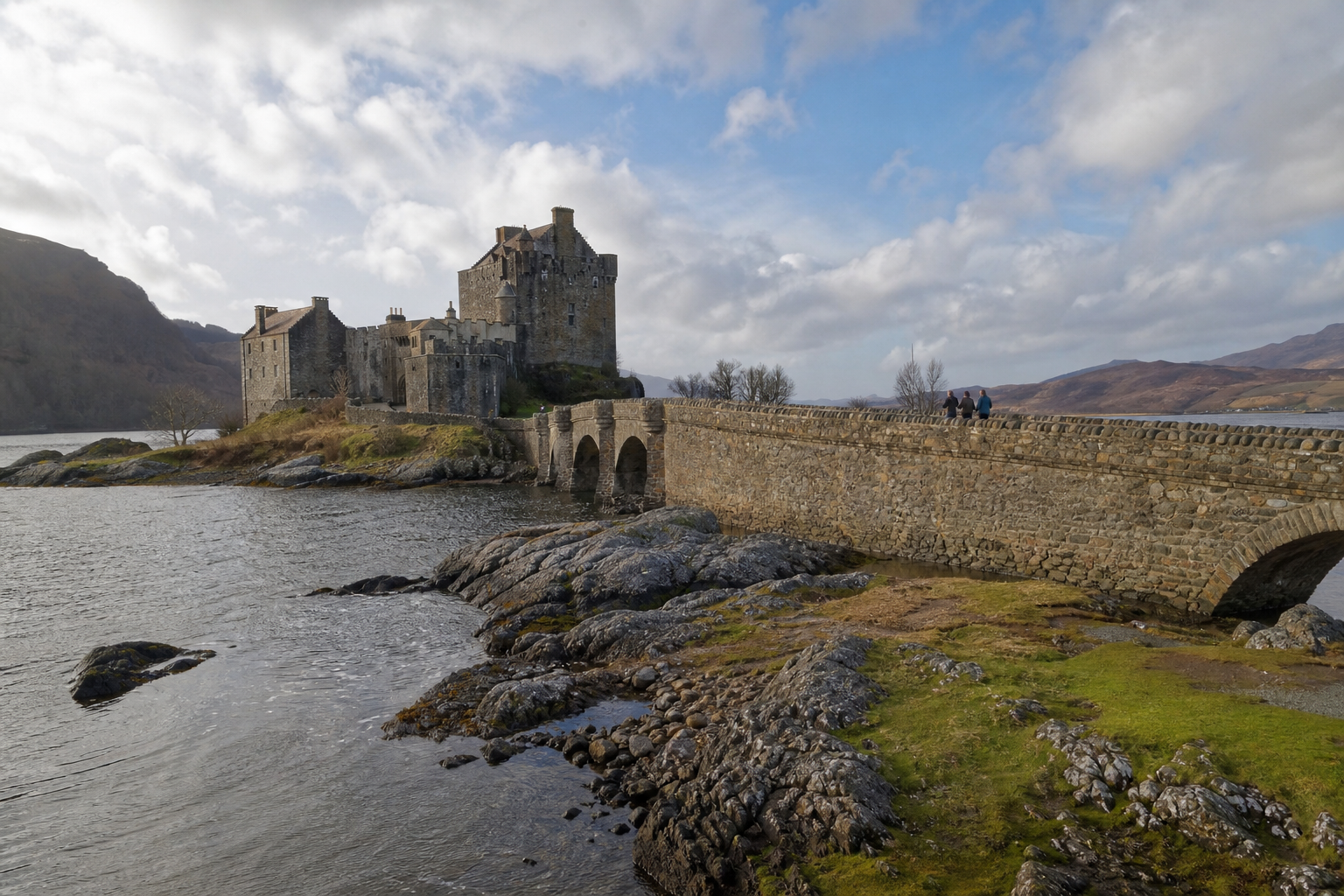
Scotland has a way of making ordinary moments feel cinematic. You can leave a busy Edinburgh street, walk for ten minutes, and find yourself beside a graveyard, a quiet canal, or a hill with the whole city below you. Further north, the landscape gets bigger and rougher: lochs shining under grey skies, single-track roads, sheep wandering where they please, and mountains that appear and disappear behind clouds.
That drama comes with a few frustrations. Scotland is not always easy or cheap to travel around, especially in July and August. Roads on popular islands become clogged, accommodation prices climb sharply, and public transport can be thin once you leave the cities. Some beauty spots also struggle with overflowing bins, limited toilets, poor parking, and visitors who arrive without understanding how remote the area really is.
Still, I think Scotland is one of Europe’s most rewarding destinations. Go with realistic expectations and a little flexibility, and the rough edges become manageable.
The best time to visit is usually **May, early June, September, or October**. In late spring, the hills are bright green and the days are long. September brings softer light and fewer crowds. Summer offers the most daylight, but it also brings higher prices, busy roads, and midges around lochs and damp countryside.
Pack for four seasons in one day. A waterproof jacket matters more than a fashionable coat, and I always carry a small pack of tissues because public toilets can be surprisingly scarce outside towns.
## Must-See Spots: My Top Picks
### 1. Edinburgh Beyond the Royal Mile
The Royal Mile is worth seeing once, but it is not where I spend most of my time. The best parts of Edinburgh appear when you wander slightly away from the main route.
I love walking from the Old Town through **Grassmarket**, up to **Victoria Street**, and then across to **Dean Village** along the Water of Leith. Another favorite is **Stockbridge**, where you will find independent shops, relaxed cafés, and a Sunday market atmosphere without the constant flow of tour groups.
For a quieter view, climb **Calton Hill** at sunrise or walk up **Arthur’s Seat** early in the morning. The latter is a proper uphill walk, often muddy after rain, but the view over the city and Firth of Forth is far more satisfying than taking another photograph from the castle esplanade.
Edinburgh’s biggest problems are easy to feel: expensive rooms, crowded summer streets, and restaurant prices that can catch visitors off guard. Book well ahead, especially during the August festivals, and consider staying outside the Old Town.
### 2. Glasgow for Music, Food, and Real Local Energy
Glasgow is often treated as a quick stop between Edinburgh and the Highlands, which is a mistake. It is less polished than Edinburgh but warmer and more spontaneous. I have had better conversations with strangers in Glasgow pubs, and the live music scene is genuinely excellent.
Spend time around **Finnieston**, **West End**, and **Merchant City**. Visit the **Kelvingrove Art Gallery and Museum**, walk through the **University of Glasgow** grounds, and look for a small gig in one of the city’s pubs or music venues. The **Barrio?** No—skip the generic bars and ask your hotel or a bartender what is on that night. Glasgow rewards curiosity.
For food, try a proper breakfast, a bowl of Cullen skink, or a simple fish supper from a busy local shop. You do not need to spend heavily to eat well here.
Glasgow also makes a useful base for day trips to Loch Lomond, Stirling, or the coast. Trains are generally easier than driving in the city, where parking is limited and traffic can be irritating.
### 3. The Highlands Without Rushing to Skye
The Scottish Highlands are magnificent, but too many itineraries try to cover them in two days. The result is a lot of driving and not much time outside the car.
If you have at least four days, I would look at **Glencoe**, **Fort William**, **Glenfinnan**, and the **Cairngorms**. Glencoe is dramatic even in bad weather, and a short walk can be more enjoyable than chasing every famous viewpoint. The **Lost Valley walk** is beautiful but strenuous; for something gentler, choose one of the shorter trails around the glen.
The **Glenfinnan Viaduct** is popular because of the Harry Potter connection, but the landscape is the real reason to go. Check the train timetable before planning your visit, since the steam service does not run every day throughout the year.
I also like the Cairngorms because they offer more space and fewer bottlenecks than the busiest parts of Skye. Aviemore is practical for outdoor activities, while smaller villages give you a quieter evening.
The main problem here is transport. Buses can be infrequent, mobile reception disappears, and a missed connection may leave you waiting for hours. A rental car gives you freedom, but driving single-track roads requires patience. Use passing places properly, never block a gateway, and do not stop in the middle of the road for photographs.
### 4. Skye, With a Plan B
The Isle of Skye is spectacular: **Quiraing**, **Fairy Pools**, **Neist Point**, and the coast near **Elgol** all deserve their reputations. But Skye can also feel overwhelmed in summer. Narrow roads fill with campervans, car parks reach capacity, and popular paths become muddy and crowded.
I would visit in May, June, or September and stay for at least three nights. Build in alternatives rather than trying to tick off every viewpoint. If the Quiraing car park is full, explore a less famous coastal walk. If the Fairy Pools are packed, head toward Talisker Bay or spend the afternoon at a quiet beach.
Book accommodation early. Skye has limited rooms, and prices can be surprisingly high for fairly basic places. I would rather stay in a comfortable guesthouse in a less central village than pay a fortune for a cramped room beside the busiest attractions.
## Practical Travel Advice
### Getting There and Visa Requirements
Most international visitors fly into **Edinburgh, Glasgow, or Inverness**. Edinburgh has the widest range of international connections, while Glasgow is often useful for western Scotland and the islands. Inverness is convenient for the Highlands but has fewer flights.
Scotland is part of the **United Kingdom**, so entry rules are UK rules. Many visa-exempt travelers now need a **UK Electronic Travel Authorisation (ETA)** before flying, while citizens of countries requiring a visa must apply for a UK visitor visa. Rules can change, so check the official UK government website before booking.
Your passport should be valid for the whole stay. There is no separate Scottish visa.
For lower fares, compare Edinburgh and Glasgow rather than searching only one airport. Flying midweek can make a noticeable difference, and the airport bus into the city is usually much cheaper than a taxi.
### Where to Stay
– **Old Town, Edinburgh:** Best for first-time visitors who want to walk to the castle, museums, and historic streets. Expect noise and higher prices.
– **New Town or Stockbridge:** More comfortable and calmer, with excellent cafés and restaurants.
– **West End or Finnieston, Glasgow:** Good for food, music, and a lively evening atmosphere.
– **Fort William:** Practical for Ben Nevis, Glencoe, and Glenfinnan, though rooms disappear quickly in peak season.
– **Inverness:** A useful base for the Highlands, especially if you are traveling without a car.
– **Aviemore:** Best for hiking, cycling, skiing, and outdoor activities in the Cairngorms.
– **Skye:** Stay in one place for several nights instead of changing hotels every day. Portree is convenient, but smaller villages can be more peaceful.
Guesthouses and small B&Bs often provide a better experience than large chain hotels. Many include a generous cooked breakfast, which can cover you until a late afternoon meal.
### Getting Around
Edinburgh and Glasgow are easy to explore on foot, with good bus networks and rail connections. Edinburgh’s trams are useful between the airport and city center. Glasgow has a simple subway system for moving between the center and the West End.
Uber operates in Edinburgh and Glasgow, though local taxis are often more dependable late at night. In smaller towns, pre-book a taxi rather than assuming one will be waiting outside the station.
For the Highlands, you have three main choices:
– **Rental car:** Best for flexibility, but book early and choose a small vehicle.
– **Long-distance buses and trains:** Good between major towns, less useful for remote attractions.
– **Organized tours:** Sensible if you do not drive, especially for Skye or the Highlands from Edinburgh.
Do not rely entirely on Google Maps in remote areas. Download offline maps, keep fuel above half a tank, and check ferry times directly with the operator. Ferries can sell out or be delayed by weather.
## Real Costs and Local Tips
Scotland uses the **pound sterling (£)**. Cards are accepted almost everywhere, including many rural cafés, but I still carry some cash for honesty-box parking, small stalls, and remote buses.
### Typical Daily Budgets
**Budget traveler: £65–£100 per person**
– Hostel bed or basic guesthouse: £25–£50
– Supermarket breakfast and packed lunch: £10–£15
– Simple takeaway or pub meal: £15–£25
– Local buses and occasional entry fees: £10–£20
**Mid-range traveler: £140–£230 per person**
– Double room in a comfortable hotel or B&B: £90–£150 per room
– Breakfast and lunch: £25–£35
– Dinner with a drink: £30–£55
– Transport and attractions: £20–£40
Edinburgh during the August festivals, Skye in July, and major event weekends can push those figures much higher.
Tipping is not compulsory, but around **10 percent** is usual in restaurants when service is good and not already included. You do not need to tip for every drink at a pub. Rounding up for a taxi is appreciated but not expected.
### Four Ways to Save Money and Avoid Frustration
1. **Travel outside July and August.**
May and September often bring decent weather, longer days, lower room rates, and fewer crowds.
2. **Pack lunches for day trips.**
A supermarket meal deal or bakery stop can save a surprising amount, especially in remote areas where cafés are limited.
3. **Do not pay for every famous attraction.**
Scotland’s best experiences are often free: coastal walks, hills, public galleries, village harbors, and quiet lochs. Choose one or two major paid attractions and spend the rest of the day outdoors.
4. **Treat weather and road conditions as part of the plan.**
Have a rainy-day alternative, avoid tight driving schedules, and do not attempt a mountain walk in unsuitable shoes just because the forecast looked good at breakfast.
Scotland does have problems to fix: transport outside the cities needs to be more reliable, popular places need better visitor facilities, housing and accommodation need to stay affordable, and fragile landscapes need more protection from overcrowding and litter. But those flaws do not cancel out the experience.
What stays with me is usually something small: the sound of rain on a guesthouse window, a fiddler starting up in a Glasgow bar, a warm bowl of soup after a cold walk, or a completely empty road opening toward the hills. Scotland is not always effortless. That is part of its character—but also the reason to travel thoughtfully.
KEYWORDS: Scotland Highlands