
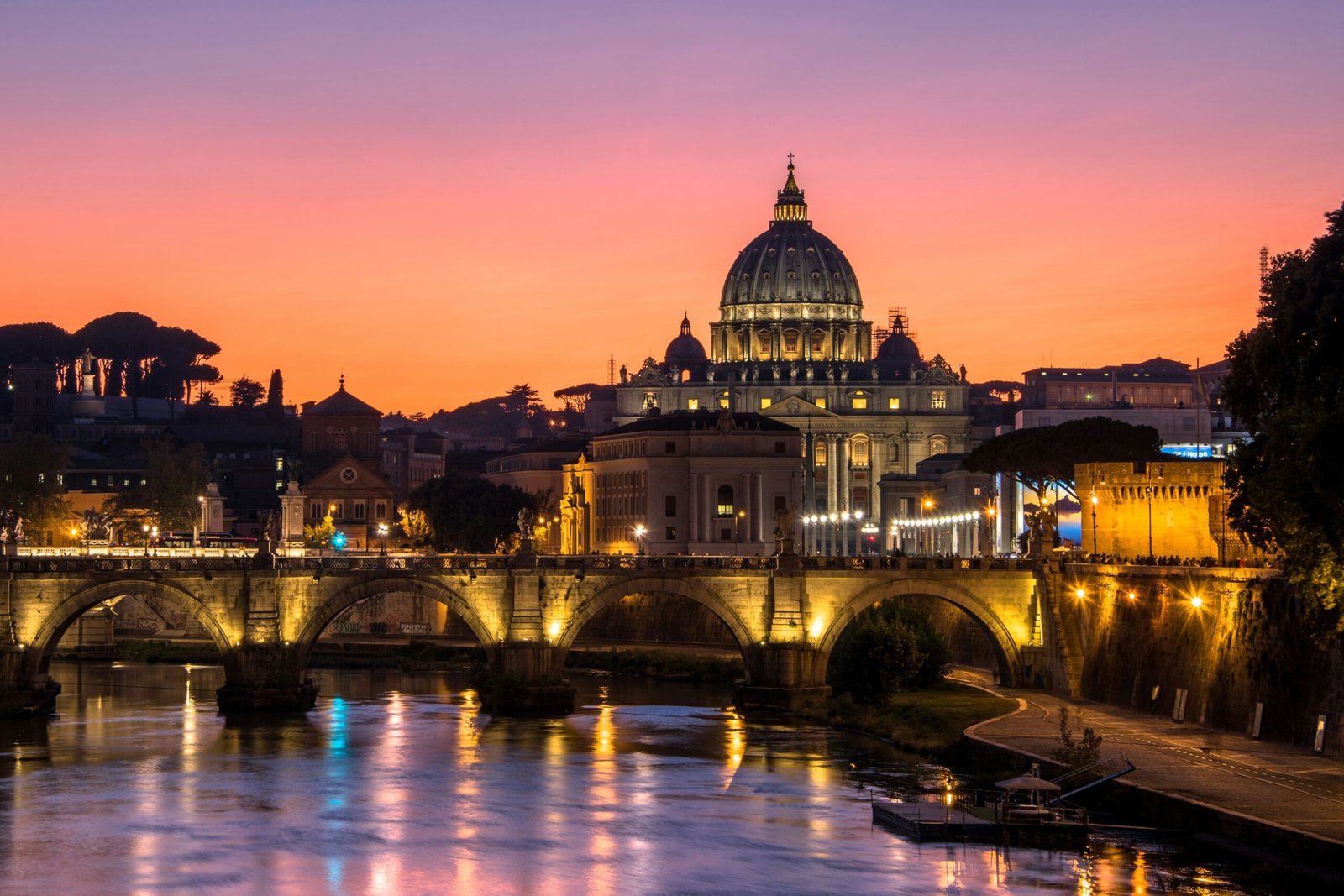
Rome is a city where ancient ruins sit casually next to everyday apartment buildings, and it’s entirely normal to stumble on a 2,000-year-old column on your walk to dinner. It’s also one of the most visited cities in the world, which means a little planning — especially around booking ahead — makes a huge difference to how the trip actually feels.
When to Visit Rome
- April–May: Mild weather and blooming gardens make spring one of the best windows, though it’s also increasingly busy as more travelers catch on to avoiding summer heat.
- June–August: Hot, crowded, and the priciest season — many Romans leave the city in August, so some smaller family-run restaurants close for the month.
- September–October: Often considered the sweet spot — warm days, cooler evenings, and noticeably thinner crowds than summer.
- November–March: The quietest and cheapest time to visit, with mild (if occasionally rainy) winters and shorter lines at major sights.
Continuing your Europe trip? Our Paris travel guide covers the best time to visit and the neighborhoods worth staying in.
Where to Stay
- Centro Storico (Historic Center) — walkable distance to the Pantheon, Trevi Fountain, and Piazza Navona; the most convenient base for first-timers, though also the priciest.
- Trastevere — a charming, cobblestoned neighborhood across the river, known for its nightlife and some of the city’s best trattorias.
- Monti — trendy and central, close to the Colosseum, with a slightly more local, less touristy feel than Centro Storico.
- Prati — near the Vatican, quieter and more residential, good for travelers prioritizing Vatican access over old-town proximity.
Top Things to Do
- The Colosseum and Roman Forum — book timed-entry tickets online well in advance; a combined ticket covers both, and an early morning or late afternoon slot means better light and fewer crowds.
- Vatican Museums and Sistine Chapel — pair with St. Peter’s Basilica; skip-the-line tickets are essential here too, as walk-up lines routinely stretch for hours.
- The Pantheon — one of the best-preserved ancient Roman buildings, and free to enter; the oculus in the dome is especially striking on a clear day.
- Trevi Fountain — visit early morning or late at night to actually see it without a wall of tourists; the classic coin toss is said to guarantee a return trip to Rome.
- Trastevere at night — less about a specific sight and more about wandering the neighborhood’s narrow streets, small piazzas, and family-run restaurants.
- A day trip to Ostia Antica — a remarkably well-preserved ancient Roman port city, offering a quieter, less crowded alternative (or complement) to the Forum.
Practical Travel Tips
- Book major sights in advance: the Colosseum, Vatican Museums, and Borghese Gallery all sell out regularly — reserving timed tickets online is close to essential in peak season.
- Validate public transport tickets: metro and bus tickets must be stamped at machines onboard or at station entrances; skipping this can result in a fine even with a valid ticket in hand.
- Watch for restaurants near major sights: as in most heavily touristed cities, the closer a restaurant is to a major landmark, the more likely it is to be overpriced and mediocre — walk a few streets away for better food.
- Dress code for churches: shoulders and knees should be covered to enter St. Peter’s Basilica and most churches — worth keeping in mind even on hot days.
- Rome is very walkable, but wear real shoes: cobblestone streets are charming and rough on sandals or worn-out sneakers alike.
- Tap water is safe and free: Rome’s public drinking fountains (nasoni) are safe to drink from and a great way to refill a water bottle on hot days.
How Many Days Do You Need?
4–5 days is a comfortable amount of time to see Rome’s major sights without rushing between them. If you only have 2–3 days, prioritize the Colosseum/Forum and Vatican on separate days, since both deserve a half-day or more on their own.
Final Thoughts
Rome isn’t a city you “finish” in one trip — even locals discover new corners after a lifetime here. Book the big, timed-entry sights ahead of time to avoid disappointment, then leave plenty of room for slow lunches, wrong turns, and the kind of unplanned discoveries the city is famous for.