
# Vietnam at ITB Berlin 2027: A Personal Guide to Selling the Country Beyond the Brochure
Vietnam has never needed to shout to make an impression. A bowl of steaming pho, a quiet morning on the water, the sudden green of a rice valley after a long train ride—these are the experiences that stay with travelers.
That is exactly why ITB Berlin 2027 presents such a strong opportunity for Vietnam. The country can promote more than beaches and famous landmarks. It can show buyers, journalists, and curious travelers a richer picture: regional food, responsible tourism, village stays, rail journeys, wellness, adventure, and the easy warmth of everyday life.
I’ve traveled through Vietnam in different moods—busy cities, sleepy coastal towns, and mountain roads where the journey became the main event. Here’s how I would present the country to the international travel world, along with practical advice for anyone planning a visit.
## The Vibe & When to Go
Vietnam feels energetic without being polished into sameness. Hanoi can be noisy and wonderfully chaotic, while Hoi An slows everything down after sunset. Ho Chi Minh City moves at full speed, and the Mekong Delta seems to operate on an entirely different clock.
The country is long and narrow, so the weather changes from north to south:
– **Northern Vietnam:** Cool and sometimes misty from November to March; warm and humid from May to August.
– **Central Vietnam:** Often sunny from February to August, with wetter weather later in the year.
– **Southern Vietnam:** Hot most of the year, with a dry season generally from December to April and heavier rain from May to November.
For many travelers, **March to April and October to November** offer a comfortable balance, although conditions vary by region.
ITB Berlin usually takes place in early March, when Berlin is still chilly and grey. That contrast could work beautifully for Vietnam’s presentation. Visitors arriving at the trade fair can be introduced to warm coastal mornings, mountain air, bright markets, and the smell of fresh herbs before they even book a flight.
Vietnam’s strongest message for 2027 should be simple: travelers can return more than once and still see a completely different country each time.
## Must-See Places: My Top Picks
### 1. Hanoi’s Old Quarter and the quieter side of the capital
Hanoi is a city I like to experience slowly. Start with coffee and a walk around Hoan Kiem Lake before the streets become too busy. The Old Quarter is lively, but some of my favorite moments have come from turning down smaller lanes away from the main shopping streets.
Try **egg coffee**, visit the Temple of Literature, and leave time for a long lunch. Hanoi’s food culture deserves more attention in international promotion, especially dishes such as **bun cha, cha ca, sticky rice, and northern-style pho**.
For Vietnam’s ITB presence, Hanoi could be presented as a gateway to food tours, craft villages, heritage travel, and rail journeys—not only as a quick stop before Ha Long Bay.
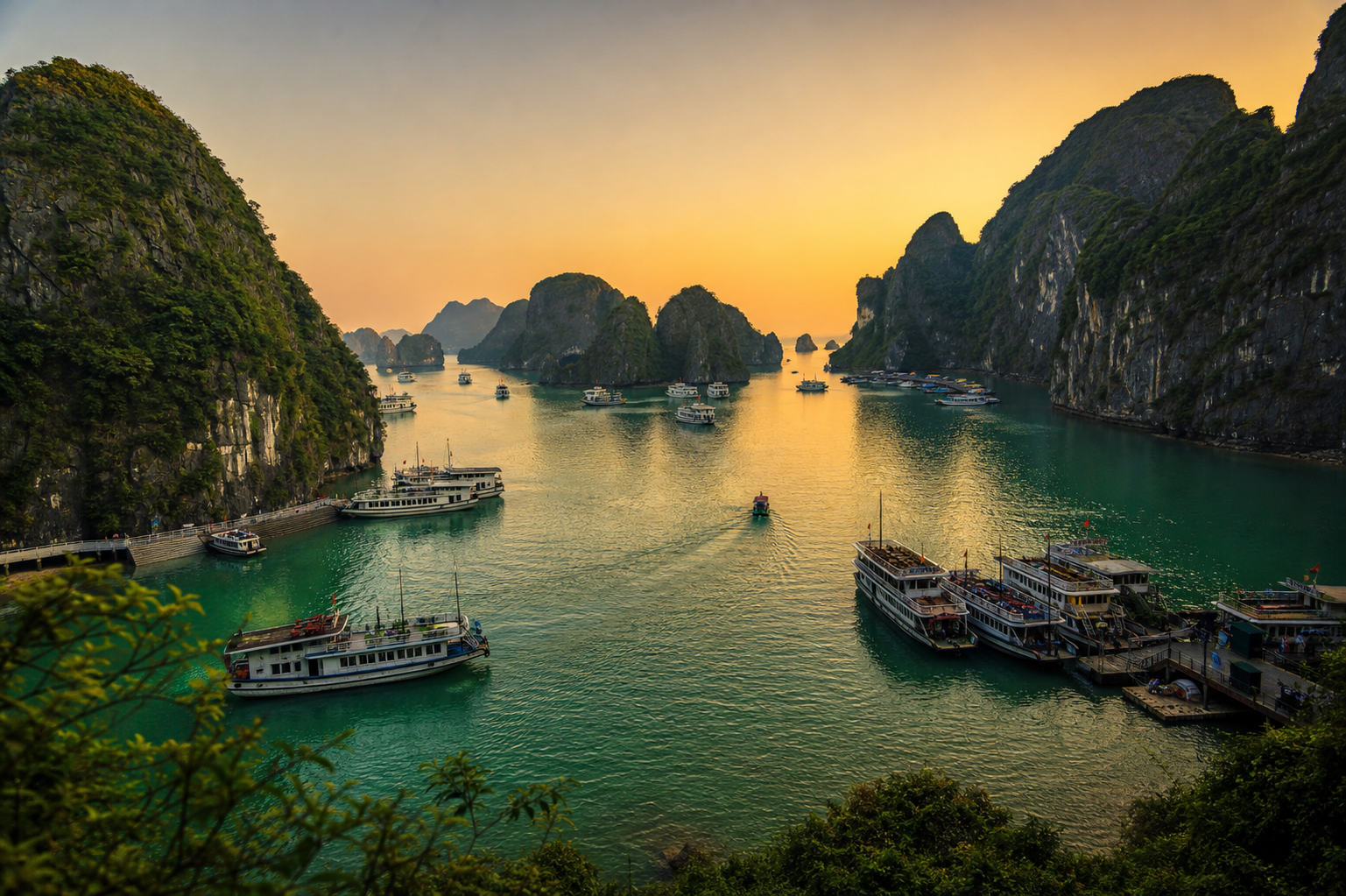
### 2. Ha Long Bay and the quieter alternatives
Ha Long Bay is famous for its limestone islands, and the scenery really can stop you mid-conversation. Still, popular cruises may feel crowded, particularly during busy travel periods.
Travelers looking for a calmer experience should compare routes through **Lan Ha Bay** or consider **Bai Tu Long Bay**. A smaller boat, an early morning paddle, or a night away from the busiest ports can make the landscape feel much more personal.
This is also an area where Vietnam can promote better tourism practices: smaller operators, waste reduction, longer stays, and stronger connections with local communities.
### 3. Hoi An, with time beyond the lantern streets
Hoi An is easy to love, but the most memorable version of it appears when you stay more than one night. Walk through the old town early, before tour groups arrive. Rent a bicycle and follow the lanes toward the rice fields and **An Bang Beach**. Take a cooking class, visit a tailor only after checking reviews, and eat at small family-run restaurants away from the busiest riverside streets.
I enjoy Hoi An most in the evening, when the traffic drops and the lanterns reflect in the water. But travelers should also see its surrounding countryside. Promoting Hoi An as a base for cycling, farming, food, and slow travel would give visitors a reason to stay longer.
### 4. Northern Vietnam’s mountains
The mountains around **Sapa, Ha Giang, and Cao Bang** offer a very different side of the country. The roads are dramatic, the valleys are wide and green, and village homestays can turn a sightseeing trip into a genuine cultural experience.
The Ha Giang Loop is popular with independent travelers, but it needs responsible planning. Use a licensed local guide, wear proper protective gear, and avoid rushing the roads. In places such as Cao Bang, travelers can visit **Ban Gioc Waterfall** and spend more time in rural communities.
For ITB Berlin, community-based tourism in the north is one of Vietnam’s strongest opportunities. It gives international buyers something beyond the usual city-and-beach itinerary while spreading visitor income into smaller towns.
## Practical Travel Advice
### Getting There and Visa
Most international visitors fly into **Hanoi, Ho Chi Minh City, or Da Nang**. From Europe, connecting flights through Doha, Istanbul, Singapore, Bangkok, or major East Asian hubs are often the easiest options. Compare total journey time carefully; the cheapest fare is not always the least tiring.
Vietnam currently offers electronic visas for citizens of many countries, generally allowing stays of up to 90 days with single- or multiple-entry options. Visa exemptions also apply to some nationalities, but rules can change before 2027.
Before booking:
– Use Vietnam’s official immigration website.
– Check that your passport has sufficient validity and blank pages.
– Enter your name and passport number exactly as shown in your passport.
– Print or save your e-visa approval before flying.
– Check whether your arrival airport matches the details on your application.
For trade visitors attending ITB Berlin, Germany’s entry requirements are separate from Vietnam’s. Check the current Schengen visa rules well before the fair, especially if you plan to visit other European countries.
### Where to Stay
Vietnam has accommodation for nearly every travel style.
– **Hanoi Old Quarter:** Best for first-time visitors, street food, nightlife, and walkable sightseeing. It can be noisy.
– **Hanoi’s French Quarter or Ba Dinh:** Quieter, greener, and better for boutique hotels and longer stays.
– **Ho Chi Minh City District 1:** Convenient for major sights, restaurants, and nightlife.
– **District 3 or Thao Dien:** More relaxed, with cafés, international restaurants, and a local residential feel.
– **Hoi An Old Town:** Great for atmosphere, but rooms can be pricier and noisier.
– **Cam Chau or near the beach:** Better for bicycles, space, and a slower pace.
– **Da Nang:** A practical base for beaches, day trips, and modern hotels.
– **Mountain towns and the Mekong Delta:** Choose a small guesthouse or homestay with strong recent reviews rather than the cheapest available room.
For ITB Berlin itself, staying near **Messe Berlin**, Charlottenburg, or a convenient S-Bahn/U-Bahn line will save time. Hotel prices can rise during the trade fair, so booking early is sensible.
### Getting Around
Vietnam is easy to travel around, though not always predictable.
– Use **Grab** for cars and motorbike taxis in major cities.
– In Hanoi and Ho Chi Minh City, walking works well for short distances, but crossing busy roads takes patience.
– Domestic flights save time between the north, central coast, and south.
– Overnight trains are slower but far more memorable than flying, especially on the Hanoi–Hue or Hanoi–Da Nang routes.
– Long-distance buses can be comfortable, but check recent reviews and avoid arriving in unfamiliar places very late at night.
– For rural areas, arrange transport through your hotel or a trusted local operator.
At the Berlin trade fair, public transport is usually the easiest way to reach Messe Berlin. A day ticket may be useful if you have several appointments around the city, but check the current Berlin fare zones before buying.
## How Vietnam Can Stand Out at ITB Berlin 2027
A strong Vietnamese presence should feel like an invitation to experience the country, not simply a wall of brochures.
A few ideas could make a real difference:
– **Regional storytelling:** Let Hanoi, Hue, Hoi An, the Mekong Delta, the northern mountains, and the southern islands present distinct travel experiences.
– **Food as a headline attraction:** Offer small tastings of regional dishes, Vietnamese coffee, tea, and fruit rather than relying only on photographs.
– **Sustainable tourism with evidence:** Highlight real community projects, local guides, conservation work, and visitor limits where they exist.
– **Longer, slower itineraries:** Promote train travel, cycling, village stays, wellness, and two-week journeys instead of rushed highlights tours.
– **Useful digital content:** Provide clear maps, sample routes, transport advice, visa information, and contacts for trustworthy operators.
– **Trade connections:** Bring together hotels, airlines, tour companies, destination managers, local artisans, and responsible tourism groups.
– **Cultural demonstrations:** Traditional music, calligraphy, weaving, cooking, and coffee preparation can create a human connection—but they should be presented respectfully, not as staged decoration.
The best promotion will answer a traveler’s real question: “What will I actually feel and do when I get there?”
## Real Costs and Local Tips
Vietnam remains affordable for many international visitors, although prices in popular areas have increased.
### Typical daily budgets
**Budget traveler:**
– Guesthouse or simple hotel: **US$15–30**
– Local meals and street food: **US$8–15**
– Coffee, snacks, and short rides: **US$5–10**
– Approximate total: **US$30–55 per day**
**Mid-range traveler:**
– Comfortable hotel or boutique stay: **US$45–100**
– Restaurants and cafés: **US$20–40**
– Taxis, tours, and entrance fees: **US$15–35**
– Approximate total: **US$80–175 per day**
Flights, cruises, premium train cabins, and guided mountain trips can raise the total quickly.
Vietnam uses the **Vietnamese dong (VND)**. Cash is still useful for markets, street food, small cafés, and local transport, while hotels and larger restaurants usually accept cards. Keep smaller notes available; vendors may not have change for large bills.
Tipping is not compulsory, but a small amount is appreciated for good service. You might round up a restaurant bill, tip a helpful guide, or give a modest amount to hotel staff. Check whether a service charge has already been added.
### A few tricks that saved me money
– **Eat where office workers eat.** Busy lunch stalls with local customers usually offer better value than restaurants aimed only at tourists.
– **Check the price before ordering.** This matters at markets, informal seafood stalls, and some street-side services.
– **Use Grab for city rides.** The app shows the fare and reduces awkward price negotiations.
– **Carry a little cash and a backup card.** Smaller towns may have patchy card payment and limited ATMs.
– **Book tours with recent reviews.** The cheapest Ha Long Bay cruise or motorbike tour may cut corners on safety and comfort.
– **Avoid packing every destination into one trip.** Staying an extra night often costs less than another flight and gives you a much better experience.
Vietnam’s opportunity at ITB Berlin 2027 is not simply to attract more visitors. It is to attract the right kind of visitor—someone who stays longer, travels beyond the headline sights, spends money locally, and leaves with a more thoughtful understanding of the country.
KEYWORDS: Vietnam landscape