
# Seoul Right Now: Why Korea Became Japan’s Favorite Getaway
South Korea taking the No. 1 spot among Japanese travelers in the first half of the year makes perfect sense to me. It’s close enough for a long weekend, familiar in some ways but still refreshingly different, and you can move from a quiet palace courtyard to a buzzing food street in the same afternoon.
I’ve visited Seoul several times, and what keeps bringing me back isn’t just the shopping or K-pop. It’s the small pleasures: a hot bowl of kalguksu after walking all morning, convenience-store coffee beside the Han River, and the way old rooftops and glass towers share the same view.
## The Vibe & When to Go
Seoul feels fast, stylish, a little chaotic, and surprisingly calm once you turn down a side street. There’s always a café opening somewhere, a new beauty shop tempting you inside, or a market stall cooking something that smells too good to ignore.
For Japanese travelers, the short flight is a major attraction. From Fukuoka, Osaka, Nagoya, and Tokyo, Korea is an easy choice for a few days away. Korean dramas, food, cosmetics, fashion, and music add another layer of familiarity before you even arrive.
**The best times to visit are:**
– **Spring:** Mild days, flowers, and comfortable sightseeing weather. Cherry blossom dates vary, so book early if that is your main reason for visiting.
– **Summer:** Hot, humid, and sometimes rainy, but lively. Pack light clothes and expect sudden showers.
– **Autumn:** My favorite season. Crisp air, colorful trees, and excellent walking weather.
– **Winter:** Cold and dry, with occasional snow. The upside is fewer crowds and plenty of excuses to eat hot stews and grilled meat.
If you’re coming now during the warmer months, plan outdoor sightseeing in the morning or after 4 p.m. Seoul’s summers can feel much hotter than the forecast suggests.
## Must-See Spots: My Top Picks
### 1. Gyeongbokgung and the Streets Around Bukchon
Gyeongbokgung Palace is popular for good reason, but I enjoy the area most when I arrive early. The palace grounds are quieter, the light is softer, and you can hear footsteps on the stone paths instead of only tour groups.
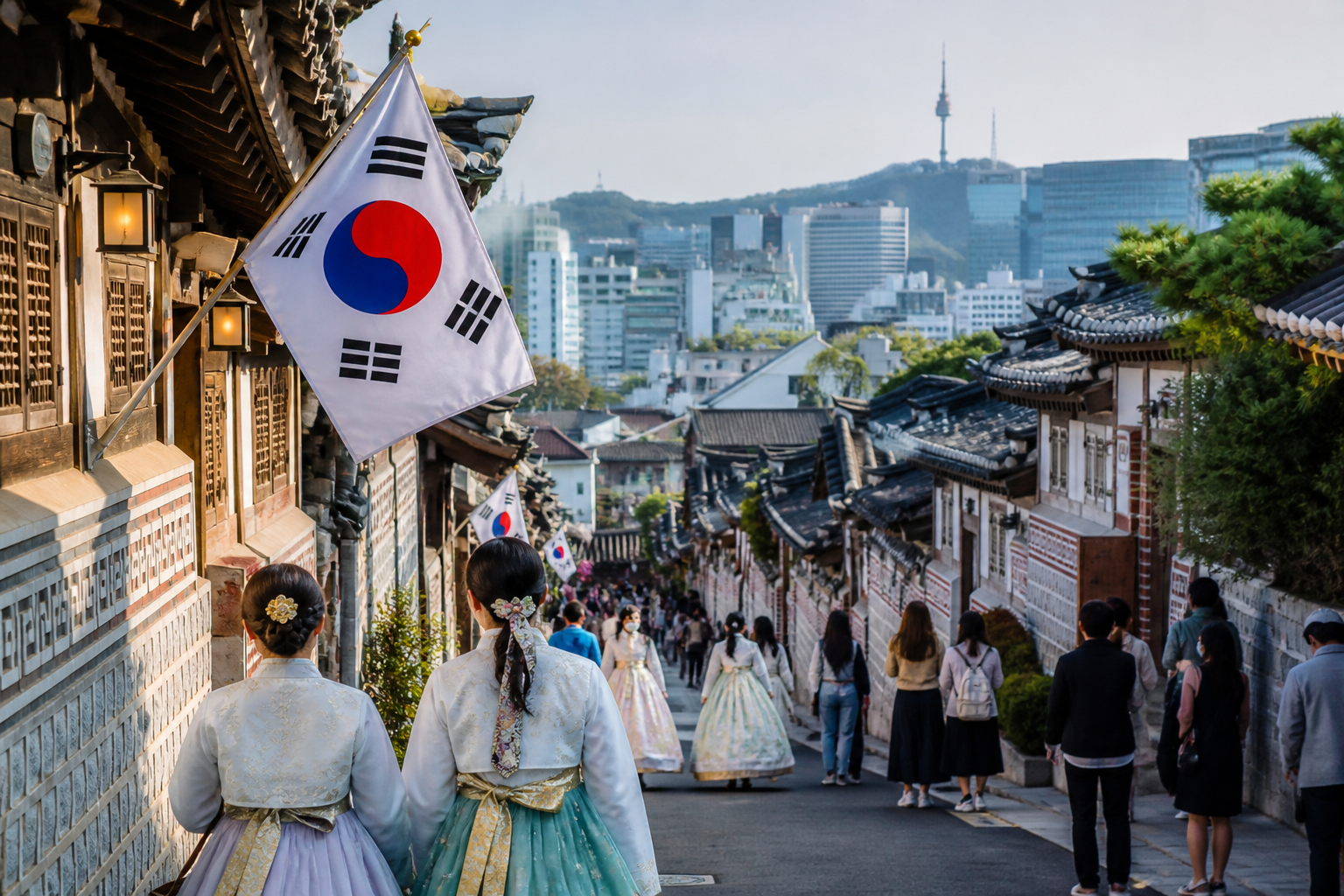
Afterward, walk toward Bukchon Hanok Village, but don’t treat it like a photo set. People live there, so keep your voice down and avoid blocking doorways. I prefer wandering along the edges of the main lanes, where you’ll find small galleries, old tea houses, and less crowded views of tiled roofs.
**Practical tip:** Wear comfortable shoes. The streets around Bukchon are steep, and Seoul has a way of turning a “short walk” into several hours.
### 2. Gwangjang Market for a Hungry Afternoon
Gwangjang Market is one of the easiest places to sample classic Korean street food in one stop. I usually go for **bindaetteok**, a crispy mung-bean pancake, and **mayak gimbap**, small seaweed rice rolls that are dangerously easy to keep ordering.
The market can be crowded, especially at lunchtime. Walk around once before choosing a stall rather than sitting at the first empty seat. You’ll see similar dishes everywhere, so look for a busy counter with fresh food moving quickly.
Bring cash as a backup, although many stalls now accept cards. Portions are often larger than they look, so sharing a few dishes works well.
### 3. Seongsu-dong: Cafés, Shops, and Former Factories
Seongsu is where I go when I want a more modern side of Seoul. Old industrial buildings have become cafés, design stores, pop-up exhibitions, and restaurants. It feels creative without being as polished as some shopping districts.
The area changes constantly, so I don’t arrive with a strict list. I’ll choose one café, browse a few side streets, and see which pop-up has a queue. Some places are beautifully designed but charge a lot for a small drink, so check the menu before sitting down.
Go on a weekday if you can. Weekends bring long lines, particularly at famous cafés and temporary brand events.
### 4. The Han River at Sunset
When Seoul starts to feel noisy, I head to the Han River. Yeouido and Banpo are easy choices, but smaller riverside parks can be just as pleasant. Buy snacks and drinks from a convenience store, find a patch of grass, and watch the city lights come on.
You can rent a bicycle, though checking the bike carefully before setting off is a good idea. A riverside picnic is also one of the cheapest enjoyable evenings in Seoul.
At Banpo, the bridge fountain operates seasonally and according to weather conditions, so don’t build your whole evening around seeing it. The river itself is the better part.
## Practical Travel Advice
### Getting There and Visa
Seoul’s main airports are **Incheon International Airport** and **Gimpo Airport**. Incheon handles most international flights and is about an hour from central Seoul by train or airport bus. Gimpo is closer to the city and may be used for some regional routes.
Japanese travelers generally can enter South Korea without a visa for short tourist stays of up to 90 days, but entry rules and electronic travel authorization exemptions can change. Check the official Korean immigration or embassy website before booking. Your passport should be valid for the period required by the current entry rules, and you may be asked for accommodation and onward travel details.
Flights from Japan are frequent. Fukuoka is often the quickest and can have good last-minute options, while Tokyo has the widest range of airlines and departure times. Compare the full fare, including checked baggage, because low-cost tickets can become less attractive after add-ons.
### Where to Stay
– **Myeongdong:** Convenient for first-time visitors, shopping, cosmetics, and easy access to major sights. It can feel touristy, but the location is excellent.
– **Hongdae:** Best for nightlife, cafés, street performances, and a younger atmosphere. Expect noise around the busiest streets.
– **Jongno or Insadong:** Good for palaces, traditional neighborhoods, museums, and a slower evening mood.
– **Euljiro:** Great for restaurants, bars, and a more local-feeling city-center stay. Some streets are lively late at night.
– **Gangnam:** Modern, comfortable, and well connected, with plenty of cafés and restaurants. It is farther from the historic center and can be more expensive.
For a first visit, I like staying near **Euljiro, Myeongdong, or Jongno**. You can reach both the historic sights and the newer neighborhoods without spending half the day in transit.
### Getting Around
Seoul’s subway is clean, extensive, and usually the fastest way to travel. Buy a **T-money card** at a convenience store or subway station and top it up with cash. The card works on buses and trains, and it saves you from buying a ticket for every ride.
Google Maps is not always reliable for detailed walking and driving directions in Korea. I use:
– **Naver Map** for walking, subway routes, opening hours, and restaurant locations
– **Kakao T** for taxis
– **Papago** for translating menus, signs, and short conversations
Most central neighborhoods are walkable once you arrive, but Seoul is spread out. Don’t underestimate travel time between Hongdae, Gangnam, and the palace area. A taxi can be useful late at night, but check the fare and destination in the app before getting in.
## Real Costs and Local Tips
Prices vary a lot depending on cafés, shopping, and nightlife, but these are realistic daily estimates for one person, excluding international flights and major shopping.
### Budget: Around ₩60,000–₩90,000 per day
– Guesthouse or simple room: ₩30,000–₩50,000
– Local breakfast or convenience-store meal: ₩5,000–₩8,000
– Casual lunch: ₩8,000–₩12,000
– Simple dinner: ₩12,000–₩20,000
– Public transport and small snacks: ₩5,000–₩10,000
### Mid-range: Around ₩130,000–₩220,000 per day
– Comfortable hotel: ₩90,000–₩150,000
– Café breakfast: ₩10,000–₩15,000
– Restaurant lunch: ₩15,000–₩25,000
– Good dinner or barbecue: ₩30,000–₩60,000
– Transport, coffee, and small purchases: ₩15,000–₩30,000
The currency is the **South Korean won (₩)**. Card payments are widely accepted, including at many small restaurants and shops, but keep some cash for market stalls, transit-card top-ups, and older businesses.
Tipping is not normally expected in Korea. You don’t need to add a restaurant tip, and taxi drivers do not expect one. A simple thank-you is enough.
### A Few Tricks That Saved Me Money
– **Eat lunch at local restaurants.** Many places offer set meals at lunchtime that are much better value than dinner.
– **Use convenience stores for breakfast and picnics.** Kimbap, boiled eggs, fruit, yogurt, and coffee make an easy meal for very little money.
– **Check café prices before ordering.** Trendy cafés can charge ₩8,000 or more for a drink, especially in Seongsu or near major attractions.
– **Avoid shopping only on the main streets.** Walk one or two blocks away from Myeongdong’s busiest lanes for quieter restaurants and sometimes lower prices.
– **Carry a small reusable bag.** Some shops charge for bags, and convenience stores may not automatically offer one.
– **Reserve popular restaurants when possible.** Some places use Korean-only booking apps or require a wait, so ask your hotel to help if the restaurant is important to you.
What I like most about Seoul is that you can make the trip as polished or as scruffy as you want. Spend on a beautiful hotel and a chef’s tasting menu, or sleep in a simple guesthouse and eat market dumplings by the river. Either way, Korea is close enough for a quick visit but varied enough to keep surprising you.
KEYWORDS: Seoul Korea