
# Kerala Beyond the Headlines: Backwaters, Hill Roads, Great Food, and Practical Travel Tips
Kerala is being talked about not just as a holiday destination, but as a future global hub for tourism, knowledge, and healthcare. That ambition feels fitting when you travel through the state. In one trip, you can move from busy port cities and excellent hospitals to tea-covered hills, quiet villages, Ayurvedic centres, and beaches where fishing boats return at sunset.
I’ve always liked Kerala because it doesn’t demand that you rush. The best moments often happen between the famous sights: drinking chai at a roadside stall, watching schoolchildren cross a canal bridge, or sharing a banana fry with someone on a train platform.
## The Vibe & When to Go
Kerala is warm, green, humid, and wonderfully varied. The coast can feel sticky, while Munnar or Wayanad may be cool enough for a light jacket at night. Short rain showers are common even outside the main monsoon months, so a small umbrella is useful.
The most comfortable period for a first visit is generally **October to February**, when the weather is pleasant for sightseeing, backwater cruises, and hill travel. **March to May** is hotter, especially along the coast, but the highlands remain comfortable. The **southwest monsoon from June to September** brings dramatic rain, overflowing rivers, and intense greenery. It can affect road and boat plans, but it’s also a beautiful season for Ayurveda, photography, and quiet stays.
If you’re travelling soon, check the local forecast for each area rather than relying on one statewide prediction. Kerala’s weather can change quickly between Kochi, Munnar, and Thiruvananthapuram.
## Must-See Spots: My Top Picks
### 1. Fort Kochi and Mattancherry
Fort Kochi is the best place to begin. Walk slowly around the old streets, where Portuguese, Dutch, Jewish, and British influences show up in the buildings, churches, cafés, and old spice warehouses.
The Chinese fishing nets near the waterfront are famous, but I prefer visiting early in the morning before the crowds arrive. You may see fishermen sorting their catch while the city is still waking up.
From there, walk or take a short auto-rickshaw ride to Mattancherry. Visit the **Paradesi Synagogue**, Mattancherry Palace, and the small antique and spice shops around Jew Town. For lunch, skip the polished restaurants once and try a simple Kerala meal served on a banana leaf. Expect rice, vegetable curries, pickle, papad, and sometimes fish or chicken.
**My tip:** Stay for the evening at a small gallery or cultural centre rather than packing too many attractions into one day. Fort Kochi is at its nicest when explored without a strict schedule.
### 2. The Alappuzha Backwaters
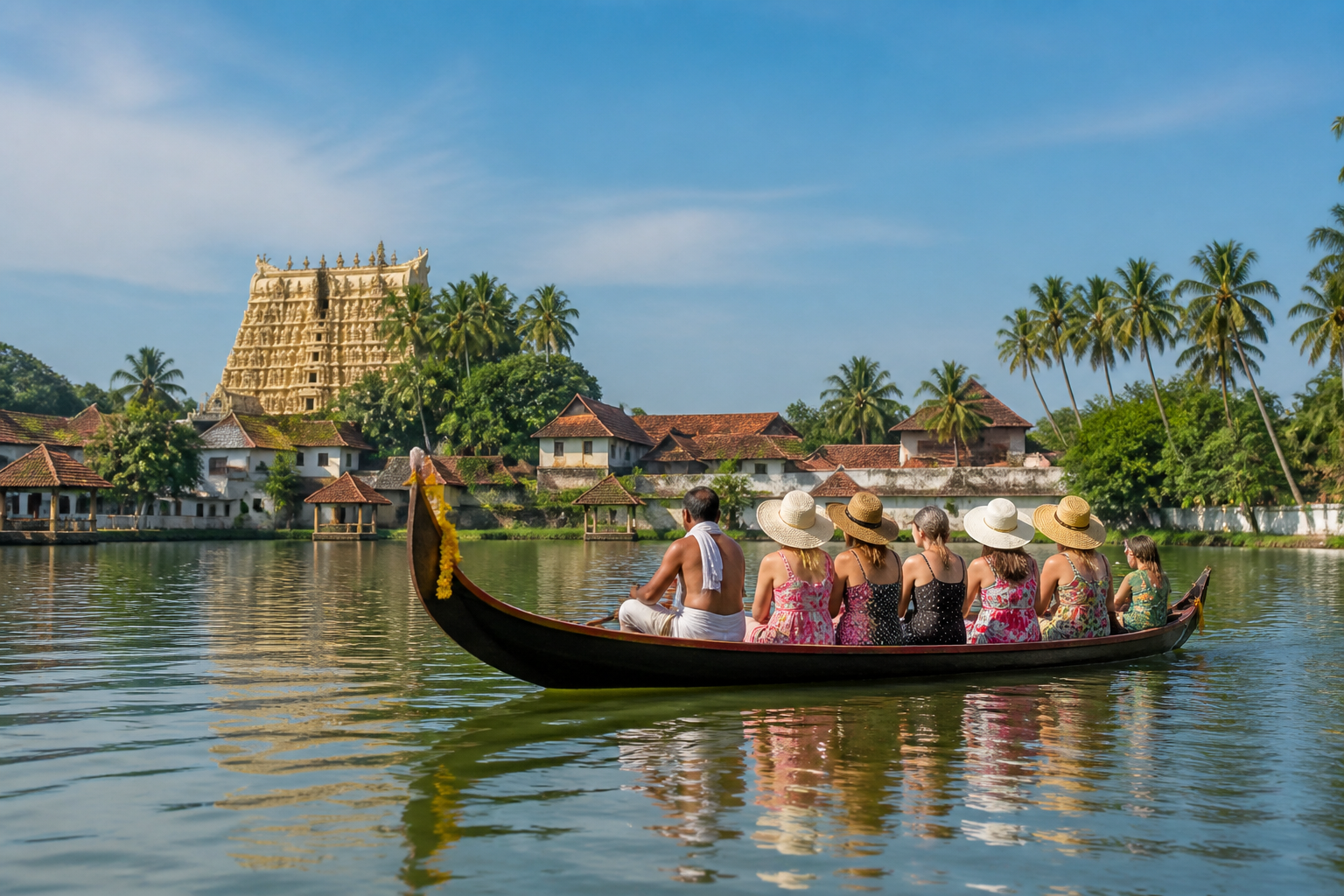
A houseboat trip through the backwaters is one of Kerala’s classic experiences, but you don’t need the largest, most expensive boat to enjoy it. A smaller houseboat or a half-day canoe trip can take you into narrow canals where you’ll see people washing boats, children heading home from school, and farmers working the paddy fields.
For a quieter stay, look at **Kumarakom** or villages outside central Alappuzha. Homestays often provide a more personal experience than large resorts, and many hosts cook excellent meals using local fish, coconut, and vegetables.
**My tip:** Ask exactly what is included before booking a houseboat. Check whether meals, air-conditioning hours, fuel, crew, and port fees are part of the price. A boat that looks cheap online can become expensive after extras are added.
### 3. Munnar and the Western Ghats
Munnar is cooler, greener, and more peaceful than the coast, though the main town can be crowded on weekends. The drive itself is part of the experience, with winding roads, waterfalls, spice gardens, and tea plantations along the way.
Visit a tea museum, walk through a plantation with a local guide, and get outside town for sunrise. **Top Station** and **Mattupetty Dam** are popular, but smaller plantation roads can be more enjoyable if you have a driver who knows the area.
Munnar is not a place I’d visit for nightlife. I’d go for early mornings, misty hills, simple food, and long views from a balcony.
**My tip:** Pack a light sweater and comfortable shoes. Even when the afternoon feels warm, the evenings can be surprisingly cool.
### 4. Thiruvananthapuram, Kovalam, and Varkala
Thiruvananthapuram has a more traditional, lived-in feel than Kochi. The **Padmanabhaswamy Temple** is an important stop, though entry rules are strict and only permitted visitors can enter the inner areas. Dress modestly and check current visiting information before going.
For the beach, Kovalam is convenient, while **Varkala** has a more relaxed cliffside atmosphere with cafés and long sunset walks. The water conditions can be rough during monsoon periods, so follow local swimming advice rather than assuming the sea is safe.
If you enjoy museums, the **Napier Museum** and nearby art gallery are good choices during the hottest part of the afternoon.
## Practical Travel Advice
### Getting There and Visa
Kerala has three main international airports:
– **Cochin International Airport** for Kochi, Munnar, and the central backwaters
– **Trivandrum International Airport** for Kovalam, Varkala, and southern Kerala
– **Calicut International Airport** for Kozhikode and northern Kerala
Travellers from many countries can apply for an **Indian e-Visa** online before arrival. Your passport generally needs at least six months’ validity and blank pages, though requirements can vary by nationality and visa type. Use the official Indian government visa website rather than a third-party agency charging extra fees.
Carry a digital and printed copy of your visa approval, hotel details, and return or onward ticket. If you are flying through another country, check whether you need a transit visa there.
For international flights, Kochi usually offers the widest choice. If you are arriving from another Indian city, domestic flights to Kochi, Trivandrum, and Calicut are frequent, but trains can be more comfortable and scenic for some routes.
### Where to Stay
– **Fort Kochi:** Best for cafés, history, galleries, walking, and a slower first few days.
– **Kochi city or Ernakulam:** More practical for business, shopping, hospitals, trains, and airport connections.
– **Alappuzha or Kumarakom:** Good for backwaters, homestays, and village life.
– **Munnar:** Best for cool weather, tea plantations, and mountain scenery.
– **Varkala:** A good choice for beaches, yoga, cafés, and a relaxed solo-travel atmosphere.
– **Thiruvananthapuram:** Convenient for museums, temples, medical visits, and southern Kerala travel.
For a houseboat night, I’d spend at least one additional night on land. Boats can be charming, but they are not always quiet or spacious, and mobile coverage may be limited.
### Getting Around
Kerala’s trains are useful for longer journeys between major towns, though advance booking is smart during holidays. State buses reach almost everywhere and are inexpensive, but they can be crowded and fast-moving.
For shorter rides:
– Use **Uber or Ola** where available in larger cities.
– Auto-rickshaws are common, but agree on the fare first if the meter is not used.
– **Rapido** may be available for two-wheeler rides in some urban areas.
– Kochi has a useful **Metro** system for several city routes.
– For Munnar, Wayanad, and plantation areas, hiring a car with a driver is usually easier than relying on irregular buses.
Kerala is not especially walkable outside compact areas such as Fort Kochi or Varkala cliff. Heat, traffic, and uneven pavements make short rides more comfortable than long city walks.
## Real Costs and Local Tips
Kerala can suit both careful budget travellers and people looking for comfortable resorts. Prices rise around Christmas, New Year, school holidays, and major festivals.
### Approximate daily budgets per person
**Budget travel: ₹2,000–₹3,500**
– Basic guesthouse or hostel: ₹700–₹1,500
– Local meals: ₹300–₹600
– Buses, trains, and short auto rides: ₹300–₹700
– Simple attractions and drinks: ₹200–₹500
**Mid-range travel: ₹5,000–₹10,000**
– Comfortable hotel or boutique homestay: ₹2,500–₹5,500
– Restaurant meals: ₹800–₹1,500
– Taxis and private transfers: ₹1,000–₹2,500
– Activities and entrance fees: ₹500–₹1,500
These figures exclude international flights and large private houseboat bookings.
Kerala uses the **Indian rupee (₹)**. Card and QR payments are common in cities, but carry cash for buses, small cafés, village shops, and auto-rickshaws. Tipping is not compulsory. Rounding up a small bill or leaving **5–10%** for good restaurant service is polite, while hotel staff and drivers appreciate modest tips for extra help.
### Small tricks that save money and frustration
1. **Eat where office workers and local families eat.** Busy lunchtime restaurants usually offer fresher food and better prices than tourist-facing cafés.
2. **Book trains early.** Popular routes can fill quickly, especially around festivals and weekends.
3. **Compare houseboat prices directly.** Ask your hotel or a trusted local operator for a written list of inclusions before paying.
4. **Keep small notes and coins.** Auto-rickshaws, tea stalls, parking attendants, and bus conductors may not have change for large bills.
5. **Carry a scarf or light shawl.** It helps with temple dress codes, sun, and chilly air-conditioning on long-distance buses.
6. **Avoid drinking untreated tap water.** Filtered or sealed bottled water is the safer choice, and refill stations can reduce plastic waste.
Kerala’s plans for tourism, education, and healthcare may bring more visitors and international connections in the years ahead. For now, the state still rewards travellers who slow down: take the local train, stay with a family, order the daily meal, and leave room in your itinerary for an unexpected detour.
KEYWORDS: Kerala backwaters