
# Cape Town: My Favorite Views, Food Stops, and Honest Travel Tips
## The Vibe & When to Go
Cape Town is one of those places where a normal morning can include coffee beside the ocean, a mountain walk before lunch, and sunset over vineyards. It feels stylish without being too polished, outdoorsy without demanding that you become a serious hiker, and wonderfully mixed in its food, languages, music, and neighborhoods.
The city’s main summer season runs from **November to March**, bringing warm, mostly dry days and long evenings. December and January are busy, especially around the beaches, so I prefer **February and March** for sunny weather with slightly fewer crowds. **April and May** can be lovely too: cooler air, softer light, and better value in many hotels. Winter, from June to August, is wetter, but you can still get beautiful clear days between storms.
The famous “Cape Doctor” wind can arrive suddenly in summer, so bring a light jacket even when the forecast looks perfect. Table Mountain’s cableway may also close in strong wind—check the official website before setting out.
## Must-See Spots: My Top Picks
### 1. Table Mountain, but with a little patience
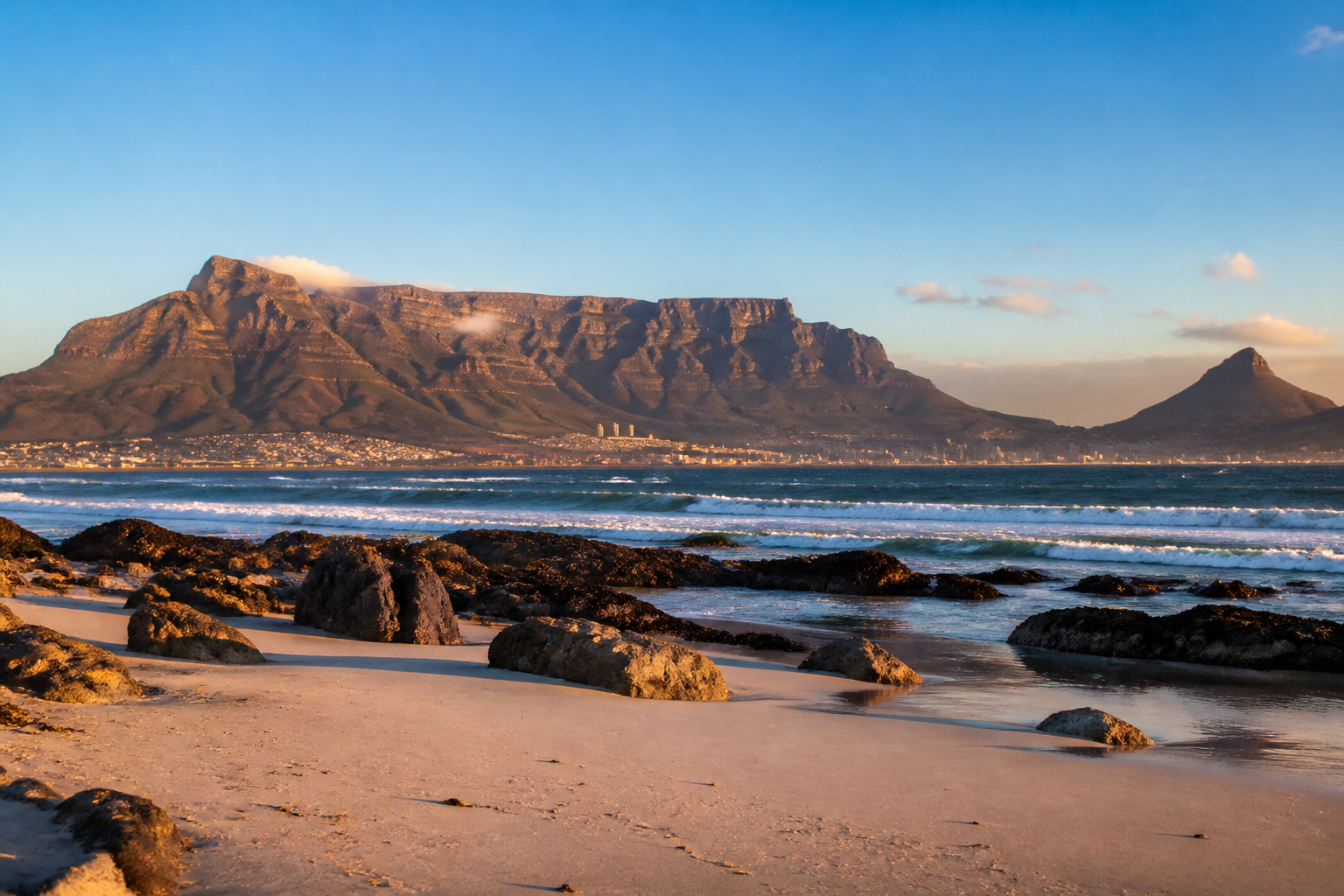
The view from the top is every bit as good as you imagine, stretching across the city, harbour, and Atlantic coastline. I usually recommend taking the cableway up and walking around the short summit paths rather than treating it as a quick photo stop.
Book your cableway ticket online during busy months, and go early if the weather is clear. If you enjoy walking, Platteklip Gorge is the direct route up, though it is steep and exposed. For something gentler, take the cableway up and walk around the Twelve Apostles side of the plateau.
The best advice is simple: don’t force it on a cloudy day. The mountain often wears its famous “tablecloth” of cloud, and visibility can disappear in minutes.
### 2. The Cape Peninsula road trip
Renting a car for a day or booking a small-group tour gives you the freedom to follow the coast south from Cape Town. Stop at **Muizenberg** for its colourful beach huts, wander through **Kalk Bay** for second-hand bookshops and seafood, and continue toward **Cape Point**.
The drive along Chapman’s Peak is spectacular when the road is open. At Cape Point, walk beyond the main lighthouse crowds if your legs allow; the coastal paths feel much quieter and give you a better sense of the wind-swept landscape.
On the way back, I like stopping at **Boulders Beach** to see the African penguins, then eating fish and chips in Simon’s Town. Go early or late in the day, as the small car parks fill quickly.
### 3. Bo-Kaap and the city’s everyday history
The brightly painted houses of Bo-Kaap are beautiful, but the neighborhood is more than a backdrop for photographs. Its Cape Malay families, mosques, cooking traditions, and layered history are what make the area special.
I enjoyed joining a local walking tour, where the stories went far beyond the usual facts on a plaque. If you visit independently, be respectful around homes and places of worship, and don’t block doorways for photos.
Afterward, try Cape Malay food such as **bobotie**, samoosas, or fragrant curries. You’ll find restaurants around the city, but a small family-run spot often offers a more memorable meal than a trendy dining room.
### 4. The quieter side of the coast
The V&A Waterfront is convenient and lively, but I prefer the city’s less polished seaside corners. Walk the promenade from **Sea Point to Green Point** near sunset, stopping for ice cream or a casual drink. The route is popular with locals, runners, dog walkers, and families.
For a slower afternoon, take the train—after checking current operating conditions—to **Kalk Bay** and browse the little shops before sitting near the harbour. Another good escape is **Silvermine Nature Reserve**, where short trails lead to rock pools and broad mountain views without the crowds of Table Mountain.
## Practical Travel Advice
### Getting There & Visa
Cape Town International Airport is well connected to major hubs including Johannesburg, Dubai, Doha, Addis Ababa, Amsterdam, London, and Istanbul. If you are flying from another South African city, compare direct flights with connections through Johannesburg; sometimes the cheaper ticket adds a long airport wait.
Visa rules depend on your passport. Many visitors, including citizens of the United States, United Kingdom, Canada, Australia, and much of Europe, can enter South Africa without a visa for short tourist stays, often up to 90 days. Other nationalities need to apply before travelling.
Check the South African Department of Home Affairs or your nearest South African embassy before booking. Your passport should generally be valid for at least 30 days after your planned departure and have enough blank pages. Airline staff can be strict, so make sure your return or onward ticket and accommodation details are easy to access.
### Where to Stay
– **City Bowl:** Best for first-time visitors who want restaurants, museums, nightlife, and easy access to Table Mountain.
– **De Waterkant:** Attractive, walkable, and good for stylish apartments, cafés, and a quieter evening atmosphere.
– **Sea Point:** My choice for a relaxed coastal stay, with a long promenade, supermarkets, and plenty of casual restaurants.
– **Green Point:** Handy for the Waterfront and stadium, with a good mix of hotels and apartments.
– **Camps Bay:** Beautiful beach, dramatic views, and expensive rooms. It is great for a treat, but less practical if you want local prices.
– **Woodstock and Observatory:** More creative and youthful, with galleries, markets, and independent cafés. Choose accommodation carefully and use rideshare after dark.
Wherever you stay, read recent reviews about security and avoid wandering on quiet streets alone late at night.
### Getting Around
Cape Town is partly walkable, but it is spread out. You can comfortably walk around the City Bowl, Bo-Kaap, De Waterkant, Sea Point, and the Waterfront during the day.
The **MyCiTi bus** is useful for several main routes, including the airport, city centre, Waterfront, Camps Bay, and parts of the Atlantic Seaboard. You’ll need a myconnect card, and routes do not cover every attraction.
For short trips, I usually use **Uber or Bolt**. They are widely used and generally more practical than hailing a taxi on the street. A rental car is helpful for the Cape Peninsula and Winelands, but avoid leaving bags visible inside and be cautious with unfamiliar rural roads after dark.
## Real Costs & Local Tips
Prices change with the exchange rate and season, but these are realistic estimates per person, excluding flights:
### Budget travel: about **R900–R1,500 per day**
– Hostel bed or simple guesthouse: R350–R700
– Breakfast from a bakery or café: R80–R150
– Casual lunch: R100–R180
– Dinner at a basic restaurant or takeaway: R150–R300
– Public transport and occasional rideshare: R100–R250
### Mid-range travel: about **R2,000–R4,000 per day**
– Comfortable hotel or private guesthouse: R1,200–R2,500
– Café breakfast: R150–R250
– Restaurant lunch: R200–R350
– Good dinner with a drink: R350–R700
– Rideshares, museums, and occasional tours: R300–R700
The local currency is the **South African rand (ZAR or R)**. Cards are accepted almost everywhere, but I carry a little cash for markets, small cafés, parking attendants, and tips.
Tipping is customary rather than compulsory. Around **10–15%** is normal in restaurants if service is good. You may also see car guards near shopping areas; a small tip is common when they are genuinely watching your vehicle.
A few things that saved me money and hassle:
– **Buy groceries for breakfasts and snacks.** Supermarkets are good, and this makes expensive sightseeing days much easier on the wallet.
– **Book Table Mountain and popular tours early.** Last-minute tickets can disappear during school holidays and summer weekends.
– **Don’t judge a restaurant by its waterfront view.** Some of my best meals came from small places a few blocks away, especially around Gardens, De Waterkant, and Observatory.
– **Keep valuables out of sight.** Cape Town is welcoming, but theft does happen. Use a hotel safe, don’t leave phones on café tables near busy roads, and use rideshare at night rather than walking through unfamiliar areas.
Cape Town rewards a little flexibility. Leave room in your schedule for a mountain day that gets cancelled, a long lunch in Kalk Bay, or a sudden change of plan because the light over the ocean is too good to ignore.
KEYWORDS: Cape Town, Table Mountain