
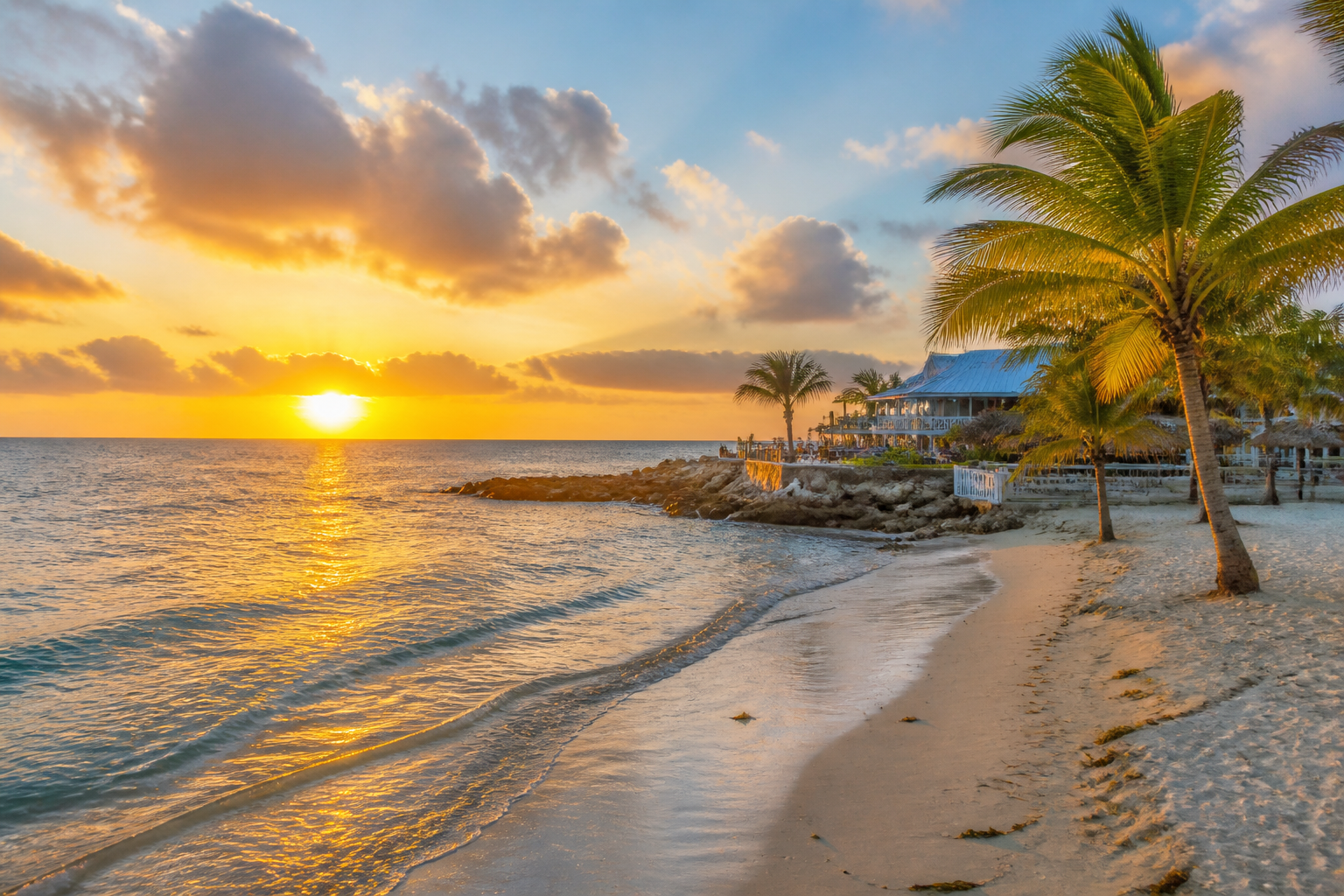
# Jamaica Beyond the Postcard: Local Flavors, Easygoing Days, and the JAPEX 2026 Moment
## The Vibe & When to Go
Jamaica has a way of slowing your shoulders down. Music spills from corner shops, conversations stretch over a cup of coffee, and even a quick stop for jerk chicken can turn into a friendly exchange with the cook. The island is lively without always feeling rushed, and every parish has its own personality.
JAPEX 2026—the Jamaica Product Exchange—marks an important new chapter for the country’s tourism industry. It brings international buyers, hotels, tour companies, and local tourism businesses together, giving visitors a closer look at the people and experiences behind Jamaica’s famous welcome. The event also reflects how Jamaica’s tourism sector has kept adapting, rebuilding, and finding fresh ways to support local communities.
The weather is warm throughout the year. December to April is usually the driest and most comfortable period, while May through November brings more humidity, short showers, and the possibility of tropical storms. I actually enjoy visiting just after a rain shower, when the hills look greener and the air smells of wet earth and flowering trees. If you’re traveling around JAPEX, check the official event dates and venue before booking, since business events can move between resort areas.
## Must-See Spots: My Top Picks
### 1. Kingston for music, food, and real city energy
Kingston is where I’d start if you want to understand more than Jamaica’s beach-resort side. Spend time at the Bob Marley Museum, but also leave room for the National Gallery, a coffee stop in the hills, and a proper evening of live music.
The neighborhoods around Half-Way-Tree and New Kingston are convenient for business travelers, while Devon House is a lovely pause in the middle of the city. Order an ice cream there, then try not to finish it before it melts in the afternoon heat.
For food, look beyond hotel restaurants. Ask your driver or guesthouse host where they eat lunch. Curry goat, brown stew chicken, festival, patties, and escovitch fish all taste better when they arrive from a busy local kitchen rather than a polished tourist menu.
### 2. Montego Bay for beaches and easy access
Montego Bay is often the practical base for visitors arriving by air, especially if JAPEX events are held in the northwest. The famous beaches can be busy, but you can find quieter stretches by heading away from the main resort strip or asking a local beach vendor where residents go.
Doctor’s Cave Beach is clean, scenic, and easy to reach, though it charges an entrance fee. For a more relaxed afternoon, try a smaller public beach and bring cash for drinks, snacks, and changing facilities.
I also like walking around parts of downtown Montego Bay during daylight, especially near Sam Sharpe Square, where the city feels more lived-in and less resort-focused. Keep your phone tucked away and use a trusted local guide if you’re unsure where to go.
### 3. The Blue Mountains for a cooler change of pace
The Blue Mountains feel like another Jamaica. The roads wind through misty hills, coffee farms, banana trees, and small communities where life moves at a gentler rhythm.
A guided coffee visit is more rewarding than simply buying a bag at the airport. You’ll learn how the beans are grown, dried, and roasted, and you may get a cup prepared right where it was produced. Wear proper shoes—the trails can be muddy even when Kingston is bright and dry.
Staying overnight in the mountains is best if you have time. Day trips are possible, but an early start and a patient driver are essential.
### 4. Ocho Rios and the north coast outdoors
Ocho Rios is busy, but it gives you easy access to rivers, waterfalls, gardens, and boat trips. Dunn’s River Falls is popular for a reason, although it can feel crowded when several cruise groups arrive. Go early, wear water shoes, and skip the expensive photos if you’d rather keep your own memories.
For a quieter experience, look for a smaller waterfall or a guided river outing outside the main cruise schedule. I prefer activities where local guides explain the area and the money stays with community-run operators. That kind of tourism is part of the resilience Jamaica is trying to build—less dependence on one attraction, and more support for a wider circle of local businesses.
## Practical Travel Advice
### Getting There and Visa Requirements
Most international visitors arrive through:
– **Sangster International Airport (MBJ)** in Montego Bay
– **Norman Manley International Airport (KIN)** in Kingston
Montego Bay is usually easier for north-coast resorts, while Kingston makes more sense for city stays, business meetings, and the Blue Mountains.
Visa rules depend on your passport. Many travelers from the United States, Canada, the United Kingdom, and several European countries can visit Jamaica for short stays without arranging a visa in advance. Some nationalities do need a visa, so check Jamaica’s official immigration guidance before paying for flights.
You’ll generally need:
– A valid passport
– Proof of onward or return travel
– Accommodation details
– Sufficient funds for your stay
– The required online passenger declaration or immigration form, when applicable
Rules can change, especially around entry forms and permitted length of stay. I would not rely on an old blog post or a friend’s experience—check the official Jamaican government or embassy website close to departure.
For flights, compare both Kingston and Montego Bay. A slightly more expensive direct flight can save hours of road travel, especially if you’re attending meetings on a tight schedule.
### Where to Stay
**For JAPEX meetings and resort convenience:**
Montego Bay, Rose Hall, or nearby north-coast resort areas are usually the easiest choices if the event is hosted there. You’ll find hotels, conference facilities, restaurants, and airport transfers close by.
**For city life and culture:**
New Kingston is practical, with business hotels, restaurants, supermarkets, and reliable transport options. It is not Jamaica’s most atmospheric neighborhood, but it makes an easy base.
**For beaches and nightlife:**
Negril suits a slower trip, with long sunsets, casual beach bars, and a laid-back feel. It is farther from Kingston and Montego Bay, so allow extra travel time.
**For a quieter, greener stay:**
The Blue Mountains and Port Antonio are better for guesthouses, nature, and early nights. They require more planning but feel far removed from the larger resort areas.
### Getting Around
Jamaica is not especially walkable outside compact town centers. Distances that look short on a map can take much longer because of traffic and winding roads.
– Use a licensed taxi or arrange a driver through your hotel for longer day trips.
– **Knutsford Express** is a useful intercity bus service connecting major towns.
– Route taxis are inexpensive, but they can be crowded and confusing for first-time visitors. Ask the fare and destination before getting in.
– Rideshare availability is more limited than in many large cities. Uber and local taxi apps may operate in some areas, but coverage can be inconsistent. Keep a trusted taxi number from your hotel or guesthouse.
– Renting a car is possible, though driving is on the left and roads can be narrow, poorly lit, or unpredictable at night. I would avoid driving after dark until you know the area.
## Real Costs and Local Tips
Jamaica uses the **Jamaican dollar (JMD)**, but prices in hotels, tours, and some restaurants are often quoted in US dollars. Carry a mix of both. Small shops and taxis usually prefer Jamaican dollars, while larger businesses may accept cards.
Approximate daily budgets per person:
### Budget: around US$55–90
– Guesthouse or simple room: US$30–55
– Local meals and patties: US$12–25
– Buses and short taxi rides: US$8–15
– One low-cost activity or beach visit: US$5–20
### Mid-range: around US$140–250
– Comfortable hotel or well-reviewed guesthouse: US$90–160
– Restaurant meals and drinks: US$30–55
– Private transfers or shared tours: US$20–60
– Paid attractions: US$15–40
Resort stays, private drivers, sailing trips, and upscale dining can push the daily total well above US$300.
### Tipping etiquette
A service charge may already appear on your bill, so check before adding more. If it hasn’t been included, 10–15% is a reasonable restaurant tip for good service. Hotel porters, drivers, guides, and housekeeping staff appreciate small tips in Jamaican or US currency. For a full-day driver or guide, I usually tip based on the quality and length of the service rather than following a rigid percentage.
### A few money-saving habits
– **Eat your main lunch locally.** Many places offer filling plates of rice, peas, chicken, fish, or stew for far less than dinner at a resort.
– **Ask the price before accepting a taxi ride or tour.** Agree on the fare first, and confirm whether it is per person or for the whole vehicle.
– **Buy water and snacks away from the hotel lobby.** A small supermarket can save you a surprising amount over a week.
– **Don’t book every excursion through the resort.** Compare prices with reputable local operators, but check reviews, insurance, transport, and what is actually included.
– **Carry small bills.** Change can be difficult with taxis, beach vendors, and small food stalls.
– **Leave room in your schedule.** Jamaica’s roads, weather, and conversations do not always follow a strict timetable. Packing every hour with activities usually means spending more and enjoying less.
JAPEX 2026 is a useful reason to visit Jamaica, but it shouldn’t be the only one. Stay a few extra days if you can. Meet the people serving your coffee, listen to the music coming from a neighborhood bar, take the longer scenic road, and let the island show you a side that doesn’t fit neatly into a resort brochure.
KEYWORDS: Jamaica beach