
# Jamaica Beyond the Resort: Beaches, Backroads, and What to Know Before You Go
Jamaica is having a welcome moment again. With plans for roughly **400,000 additional Canadian airline seats**, more travelers from Toronto, Montreal, Calgary, and other Canadian cities should find it easier to reach the island—especially during the winter escape season.
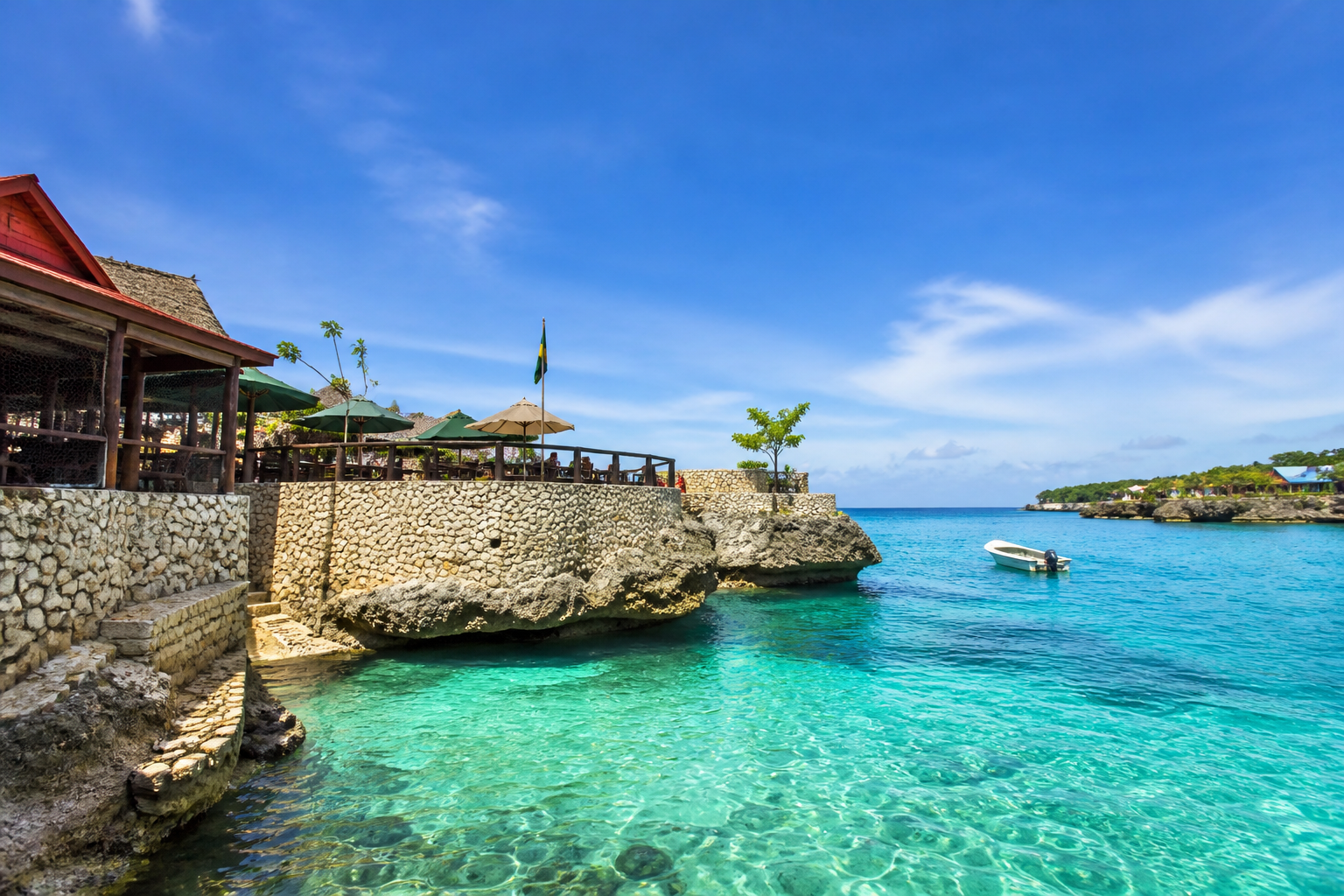
I’ve always liked Jamaica for the way it balances beauty with real personality. Yes, there are calm turquoise beaches and polished resorts, but the best memories often come from roadside jerk chicken, a long conversation with a taxi driver, or stopping at a viewpoint because the mountains suddenly open up in front of you.
## The Vibe & When to Go
Jamaica feels lively, warm, and wonderfully unhurried—although traffic around Montego Bay, Kingston, and Ocho Rios can test your patience. Music seems to follow you everywhere, from dancehall playing in a corner shop to reggae drifting out of a beach bar.
The most comfortable weather usually arrives between **December and April**, when days are sunny and rainfall is generally lower. This is also the busiest and most expensive period, particularly around Christmas, March break, and Easter.
**May to June and November** can be excellent times to visit. You may see short tropical showers, but prices are often friendlier and attractions feel less crowded. July to October is hotter and more humid, with a greater chance of storms during the Atlantic hurricane season. I’d book travel insurance during those months and keep an eye on the forecast.
Jamaica’s tourism recovery makes right now a good time to visit thoughtfully. Booking local guides, eating at independent restaurants, and staying a few nights outside the big resort zones helps more of your travel money reach the communities you’re visiting.
## Must-See Spots: My Top Picks
### 1. Kingston for Food, Music, and Real City Energy
Kingston is not a classic beach holiday, and that is exactly why I like it. Spend a morning at the **Bob Marley Museum**, then wander through the creative corners of the city or stop for lunch at a small restaurant serving curry goat, rice and peas, or escovitch fish.
For a quieter afternoon, head toward **Hope Gardens** or visit the **National Gallery of Jamaica**. The city’s restaurants and music venues are also some of the best places to understand Jamaica beyond the postcard version.
A practical note: Kingston is spread out, and walking between sights is not always convenient. Arrange transportation through your hotel or a trusted local driver, especially after dark.
### 2. Negril’s Seven Mile Beach and the West End
Negril is where I go when I want the days to slow down. **Seven Mile Beach** is long enough to find a peaceful stretch, even when the main areas are busy. Morning is my favorite time for a swim before the heat builds and vendors become more active.
Later, head to the **West End** for cliffside swimming and sunset. Rick’s Café is famous, but you don’t have to spend the whole evening there. Several smaller bars and restaurants along the cliffs offer a more relaxed atmosphere, and many have excellent sunset views without the big crowds.
If you’re staying near the beach, you can walk between many restaurants and small hotels. The West End is farther away, so a route taxi or arranged ride is easier.
### 3. Portland for Green Mountains and Quiet Beaches
Portland, on Jamaica’s northeast coast, feels less polished and less hurried than the major resort areas. The roads are winding, but the scenery makes the journey part of the experience.
I’d make time for **Frenchman’s Cove**, **Reach Falls**, and a boat trip on the **Rio Grande**. The beaches here are beautiful in a softer, more secluded way, and the hills are thick with palms and tropical greenery.
Stay in or around **Port Antonio** if you want small guesthouses, local food, and a slower pace. Bring cash, insect repellent, and patience—services can be more limited, and mobile reception may be patchy in rural areas.
### 4. Montego Bay and the North Coast
Montego Bay is often the easiest starting point for Canadian travelers, thanks to its international airport and wide range of hotels. The city itself can feel busy, but it makes a convenient base for exploring the north coast.
Take a trip to **Doctor’s Cave Beach**, visit the historic **Rose Hall Great House**, or drive toward **Falmouth** for a river excursion or a look at Georgian-era architecture. If you have the time, **Dunn’s River Falls** near Ocho Rios is fun, though it is busiest when cruise ships are in port.
For a calmer beach day, ask your hotel or driver about smaller public beaches away from the main resort strips. Some charge a modest entrance fee, but they can feel much more relaxed.
## Practical Travel Advice
### Getting There and Visa Rules
The new Canadian flight capacity should mean more choice and potentially better prices, but compare the full trip rather than looking only at the airfare. A cheap flight into Montego Bay may not save money if your hotel is several hours away in Port Antonio or Kingston.
For most Canadian passport holders, **a tourist visa is not required for short visits**, generally up to 90 days. You will need a valid passport, accommodation details, and proof of onward or return travel. Entry rules can change, so check the Government of Canada travel page and Jamaica’s official immigration information before flying.
You’ll also complete Jamaica’s online **C5 passenger declaration** before arrival. Save the confirmation on your phone, and keep your hotel address handy.
### Where to Stay
– **Montego Bay:** Best for easy airport access, all-inclusive resorts, golf, and organized excursions.
– **Negril:** Great for beach time, sunsets, casual restaurants, and a more relaxed holiday.
– **Ocho Rios:** Convenient for waterfalls, adventure tours, and family-friendly resorts.
– **Kingston:** Best for museums, music, restaurants, business travel, and Jamaican city life.
– **Port Antonio:** Ideal for small hotels, nature, quiet beaches, and a slower trip.
I usually prefer splitting a longer visit between two areas. Three nights at a beach resort followed by three or four nights in a guesthouse can give you both comfort and a better sense of the island.
### Getting Around
Jamaica is not especially easy to explore on foot outside town centers. Distances look short on a map, but mountain roads and traffic can make a two-hour journey feel much longer.
Your main options are:
– **Airport transfers:** Pre-book one through your hotel or a reputable transfer company.
– **Licensed taxis:** Look for red license plates. Agree on the fare before getting in.
– **Route taxis:** Cheap and useful for short distances, but they can be crowded and less comfortable for first-time visitors.
– **Knutsford Express:** A dependable coach service linking places such as Kingston, Montego Bay, Ocho Rios, and Negril.
– **Rideshare apps:** Uber operates in some Jamaican areas, particularly Kingston and Montego Bay, but availability can be inconsistent. Don’t rely on it in rural regions.
– **Private drivers:** Often the best choice for day trips. Ask for the total price, waiting time, and stops before setting off.
I would avoid renting a car unless you are confident driving on the left, comfortable with narrow roads, and prepared for lively local traffic.
## Real Costs and Local Tips
Prices vary wildly between an all-inclusive resort and an independent guesthouse. These are realistic estimates for one person, excluding international flights:
### Budget: About CAD $70–$120 per day
– Guesthouse or simple room: CAD $40–$80
– Local breakfast or lunch: CAD $8–$18
– Route taxis and buses: CAD $5–$15
– One modest attraction or beach fee: CAD $5–$20
### Mid-range: About CAD $180–$325 per day
– Comfortable hotel: CAD $130–$240
– Restaurant meals and drinks: CAD $40–$80
– Private transfers or excursions: CAD $30–$100
– Beach clubs and paid attractions: CAD $15–$50
The local currency is the **Jamaican dollar (JMD)**, although Canadian and U.S. dollars may be accepted in tourist areas. You’ll usually get a better deal paying in Jamaican dollars, especially at small restaurants, markets, and local taxis. Use ATMs attached to banks when possible, and keep smaller notes for tips and transport.
Tipping is customary. Around **10–15%** is appropriate in restaurants when service is not already included. Tip hotel staff, drivers, and guides according to the service, usually in Jamaican dollars. All-inclusive resorts often have shared tipping policies, so ask before handing out large individual tips.
### A Few Ways to Save Money and Avoid Hassles
– **Don’t exchange all your money at the airport.** Change or withdraw a small amount there, then compare rates at a bank or reputable exchange office.
– **Ask taxi fares before the ride begins.** Better still, have the driver write the price in your phone or confirm it by message.
– **Eat one meal a day locally.** Jerk chicken, patties, soup, and fresh fish are often tastier and cheaper than resort dining.
– **Check cruise-ship schedules** before visiting Dunn’s River Falls, popular beaches, or Ocho Rios attractions. A quiet morning can become packed by lunchtime.
– **Carry a reusable water bottle and reef-safe sunscreen.** Bottled water is easy to find, but buying several bottles a day adds up.
– **Leave room in the schedule.** Jamaican travel time is rarely as predictable as the map suggests. A relaxed plan will serve you better than trying to fit in three distant attractions in one day.
Jamaica is easy to enjoy from a resort lounger, but I think the island stays with you longer when you leave the property now and then. Follow the music, stop for the roadside food, speak kindly to the people you meet, and give yourself enough time to let the day unfold.
KEYWORDS: Jamaica beach, Jamaica travel