
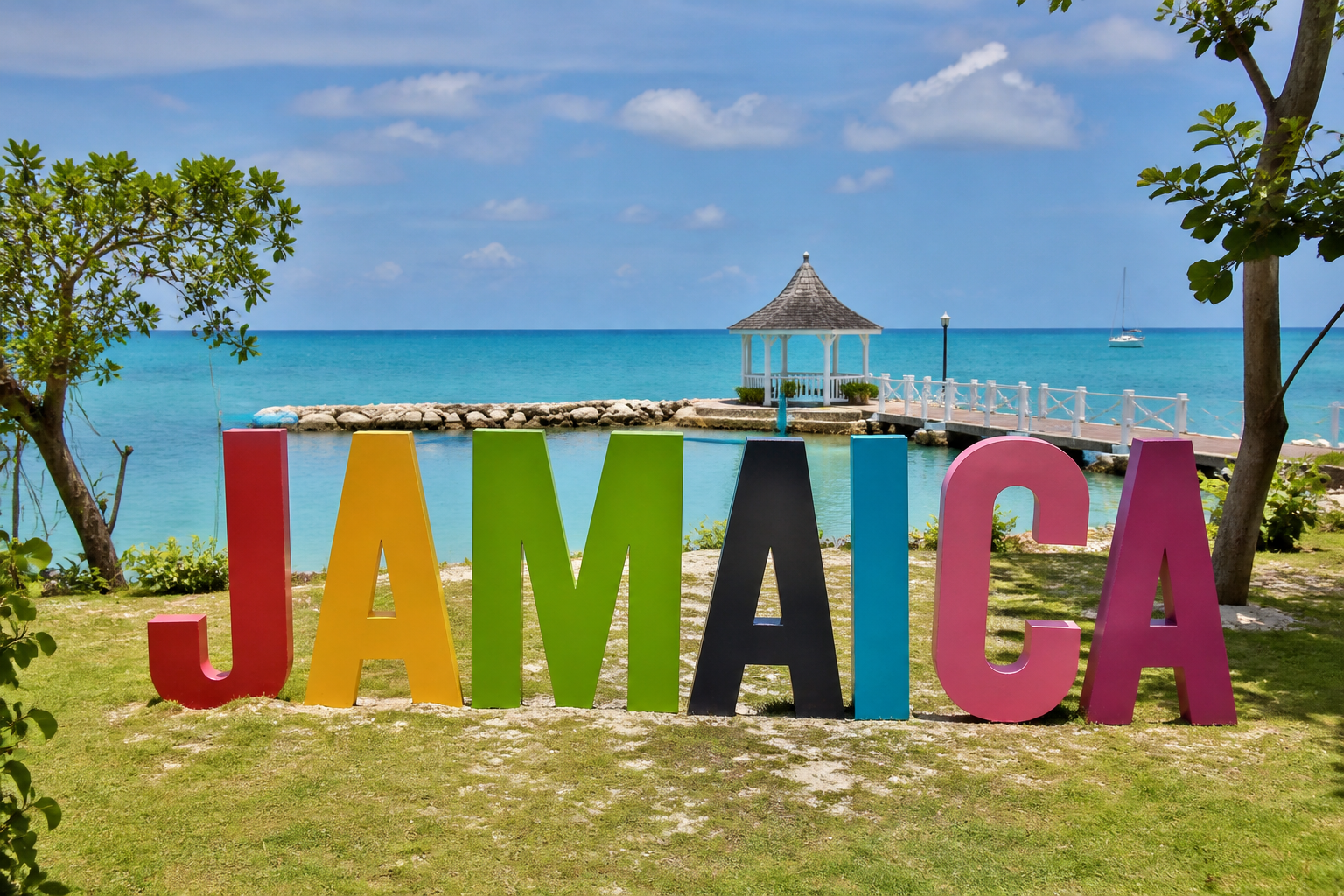
# Jamaica, Beyond the Awards: Beaches, Music, Great Food, and the Best Ways to Explore
Jamaica has been collecting World Travel Awards for years, and after spending time on the island, I understand why. The attention is deserved—but Jamaica is much more than a postcard beach or a resort pool. The real charm comes from the sound systems rolling through Kingston, roadside jerk smoke drifting across the highway, and the easy conversations that begin almost anywhere.
## The Vibe & When to Go
Jamaica feels lively, warm, and wonderfully unhurried—although the roads and city traffic may test your patience. Music is everywhere, from reggae and dancehall in Kingston to a little speaker outside a roadside cookshop. People are generally friendly and quick with a joke, and meals often turn into long conversations.
The best weather usually arrives from **December through April**, when days are sunny and humidity is more manageable. This is also the busiest and most expensive period. **May to November** brings warmer, greener landscapes and occasional heavy showers, with September and October carrying a higher hurricane risk.
If you travel during the wetter months, I’d keep plans flexible. A morning can begin under perfect blue skies and finish with a dramatic tropical downpour. The upside is fewer crowds, lower room rates, and waterfalls that look especially powerful.
## Must-See Spots: My Top Picks
### 1. Kingston for music, food, and everyday Jamaica
Kingston is not a beach holiday, and that is exactly its appeal. I like starting at the **Bob Marley Museum**, then wandering through neighborhoods such as Devon House and New Kingston for cafés, galleries, and restaurants.
Devon House is famous for its ice cream, but don’t stop there. Try a patty from a local bakery, order curry goat or brown stew chicken, and spend an evening listening to live music. For a deeper look at Jamaican culture, visit the **National Gallery of Jamaica** or ask a local about a small dancehall or reggae event.
Kingston traffic can be heavy, so group nearby stops together. I also avoid walking long distances after dark, especially in unfamiliar areas.
### 2. The Blue Mountains for cool air and excellent coffee
The drive into the Blue Mountains feels like a different Jamaica. The coast is hot and bright; up here, mist curls around the hills and mornings can be surprisingly chilly.
A guided coffee tour is a great way to understand why Blue Mountain coffee has such a reputation. I enjoyed the small farms more than the polished tasting rooms, especially when the owner explained how the beans are grown and dried. If you hike, go with a local guide and wear proper shoes—the paths can be slick after rain.
Stay overnight if you can. Sunrise from the hills is quieter and far more memorable than a quick day trip from Kingston.
### 3. Negril for sunsets and a slower beach day
Negril’s **Seven Mile Beach** is popular for good reason: soft sand, clear water, and plenty of room to find your own stretch. I prefer arriving early, before the beach vendors and afternoon heat pick up.
Later, head toward the **West End**, where the coastline becomes rocky and dramatic. Rick’s Café is famous for cliff jumping and sunset views, but you don’t have to spend the evening there. Several smaller bars nearby offer similar views with less bustle. If you jump, watch where locals are entering the water and never leap from an unfamiliar ledge.
Negril is best for travelers who want beach time, casual restaurants, and sunsets rather than a packed sightseeing schedule.
### 4. Port Antonio for rivers, coves, and a greener coast
Port Antonio feels less polished and more relaxed than Montego Bay or Negril. The area around **Frenchman’s Cove** is beautiful, with calm water and a small river flowing into the sea. Arrive early for a quieter swim.
I also loved **Reach Falls**, where a guide can take you through the pools and explain the safest places to enter the water. The scenery is lush, and the drive itself is part of the experience. Port Antonio suits travelers who enjoy nature, small guesthouses, and fewer large resorts.
## Practical Travel Advice
### Getting there and visa requirements
Most visitors fly into one of Jamaica’s two main international airports:
– **Sangster International Airport (MBJ)** in Montego Bay is convenient for Negril, Ocho Rios, and many beach resorts.
– **Norman Manley International Airport (KIN)** in Kingston is better for Kingston and the Blue Mountains.
Visa rules depend on your passport. Many visitors from the United States, Canada, the United Kingdom, Australia, and much of Europe can enter for tourism without arranging a visa in advance, but the permitted stay varies. Some nationalities need a visa before arrival.
Complete Jamaica’s official **C5 immigration and customs form** before or during your trip, and check the Jamaican government or your nearest Jamaican consulate for current requirements. Your passport should have sufficient validity, and immigration officers may ask for an onward ticket and accommodation details.
For flights, compare both Jamaican airports if your plans are flexible. A cheaper ticket to Kingston may not be a bargain if you then need a long private transfer to the north coast.
### Where to stay
– **Kingston:** Best for music, museums, restaurants, business, and city life. New Kingston and areas around Devon House are convenient for first-time visitors.
– **Montego Bay:** Good for easy airport access, resorts, nightlife, and short organized excursions.
– **Negril:** Choose this for long beach days, sunsets, and a relaxed atmosphere. The West End is more informal and characterful than the main beach strip.
– **Ocho Rios:** Handy for waterfalls, river adventures, and cruise-port excursions, though it can feel busy when ships are in town.
– **Port Antonio:** Ideal for small guesthouses, nature, and a quieter pace.
### Getting around
Jamaica is not especially walkable outside compact town centers. Resort areas may have sidewalks, but roads can be narrow, busy, and poorly lit at night.
For longer journeys, **Knutsford Express** is a comfortable and dependable coach service connecting places such as Kingston, Montego Bay, Ocho Rios, and Negril. Shared route taxis are cheap and useful, but they can be crowded and are best used when you understand the route and fare.
For short trips, use licensed taxis or ask your hotel to arrange a trusted driver. In Kingston and some tourist areas, app-based ride services may be available, but coverage changes, so don’t rely on them everywhere. If you rent a car, drive defensively and avoid night driving until you know the roads.
## Real Costs and Local Tips
Jamaica uses the **Jamaican dollar (JMD)**. US dollars are accepted in many tourist areas, but paying in local currency usually gives you a better deal. Exchange rates offered by small shops and taxis can vary, so ask the price before handing over cash.
### Typical daily budgets per person
**Budget: US$55–90**
– Guesthouse or simple room: US$30–55
– Local breakfast or lunch: US$4–10
– Dinner at a casual restaurant: US$8–18
– Shared taxis and buses: usually inexpensive
– A beach day with modest extras: US$10–25
**Mid-range: US$130–220**
– Comfortable hotel or boutique guesthouse: US$90–160
– Meals at good restaurants: US$30–60 per day
– Private transfers or occasional tours: US$30–80
– Extra money for entrance fees, drinks, and beach activities
Prices rise sharply at all-inclusive resorts and during the December-to-April high season.
### Tipping and small local tricks
– Tip restaurant staff around **10–15%** when service is not already included.
– Give porters, guides, and drivers a small tip for helpful service.
– Ask taxi drivers for the fare before getting in. If possible, use a recommended driver rather than accepting the first offer outside an airport.
– Eat where you see local workers eating. A busy jerk stand or lunch counter often serves better food at a fraction of resort prices.
– Buy snacks, water, and fruit from supermarkets before heading to the beach or on a day tour.
– Keep small Jamaican notes and coins for route taxis, roadside stalls, and quick purchases.
– Don’t feel pressured to buy every souvenir offered on the beach. A friendly “no, thank you” is enough.
– Bring reef-safe sunscreen and a reusable water bottle. Resort shops often charge much more for both.
Jamaica’s awards may draw people to the island, but the reasons to return are more personal: a perfect plate of jerk chicken, a driver who turns a transfer into a history lesson, a misty mountain morning, or the first few notes of reggae drifting out of a Kingston doorway. Give yourself time beyond the resort, and Jamaica becomes much richer than its famous beaches suggest.
KEYWORDS: Jamaica travel, Caribbean beach