
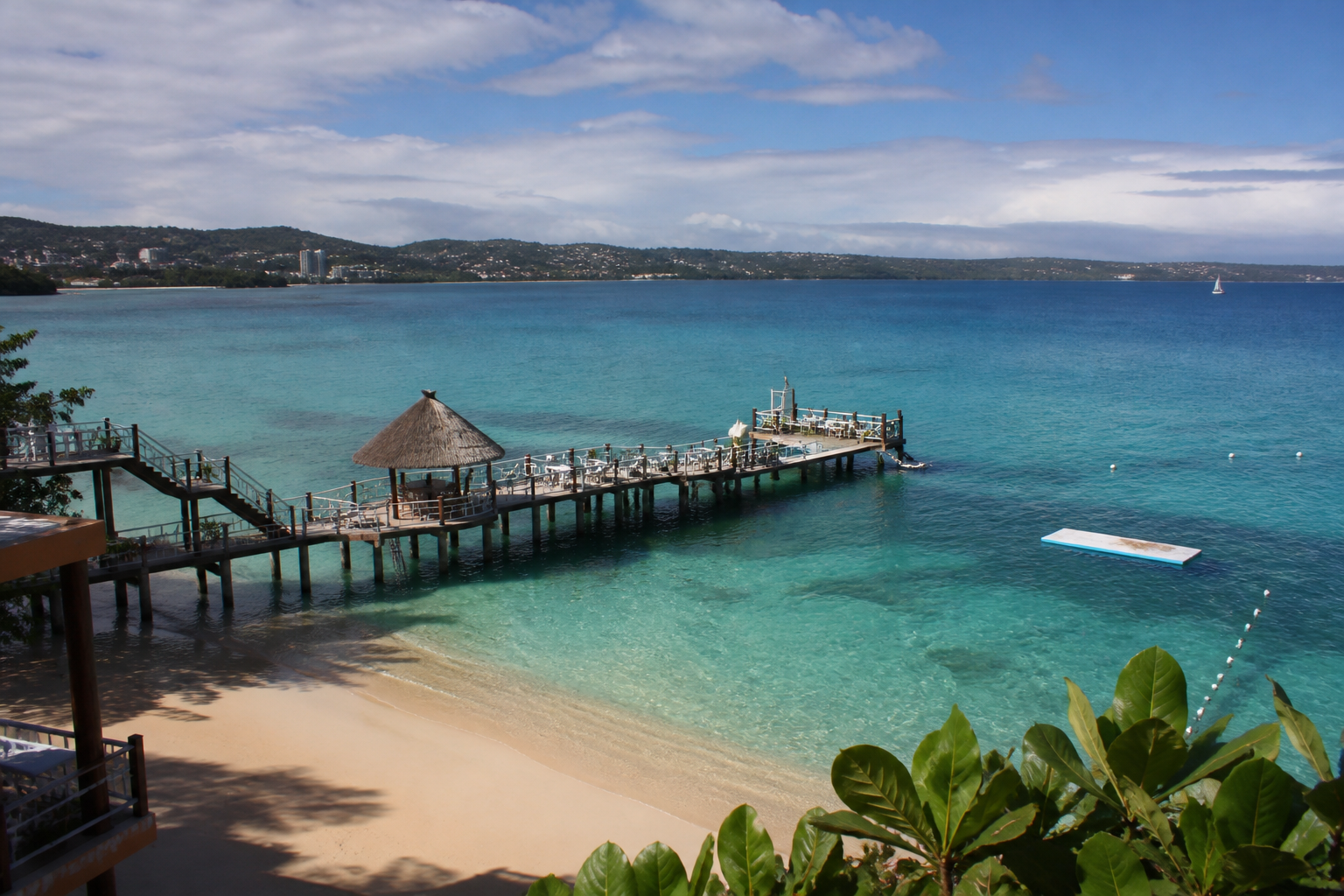
# Jamaica Beyond the Resort: My Favorite Places, Local Flavors, and Real Travel Tips
Jamaica has always had a big personality, but lately it feels as if the rest of the world is paying closer attention. Its recent recognition at the **World Travel Awards** reflects something I noticed on the ground: tourism is picking up again, while local guides, cooks, drivers, musicians, and small guesthouses are bringing their own energy back into the travel scene.
I love Jamaica for the obvious reasons—the music, beaches, jerk chicken, and warm water—but the island becomes much more memorable when you leave the hotel strip for a while.
## The Vibe & When to Go
Jamaica feels lively, informal, and wonderfully unhurried in places. One minute you might be listening to a sound system playing dancehall from a roadside shop; the next, you’re looking out over misty mountains or eating mango with salt and pepper from a market stall.
The island is warm throughout the year, with daytime temperatures generally around **80–88°F (27–31°C)** along the coast. The more popular dry season runs from **December to April**, bringing sunnier weather and higher prices. **May through November** can be hotter, greener, and more affordable, although short rain showers are common and hurricane-season forecasts deserve attention.
Jamaica is especially appealing right now if you want to support local businesses beyond the large all-inclusive resorts. Book a family-run guesthouse, hire a local guide, and eat at small restaurants when you can. You’ll usually have a more personal experience—and your money goes further into the community.
## Must-See Spots: My Top Picks
### 1. Kingston: Music, Food, and Everyday Jamaica
Kingston isn’t a traditional beach destination, and that’s exactly why I like it. It’s busy, creative, sometimes chaotic, and full of the island’s cultural pulse.
The **Bob Marley Museum** is the obvious first stop, but I also enjoyed wandering through **Devon House**, where the ice cream is a genuine highlight. Try unusual flavors such as soursop or grapenut if they’re available.
For a deeper look at Jamaica’s musical history, book a visit to **Trench Town Culture Yard** with a local guide. It feels more personal than simply reading museum displays, and the stories connect reggae to real neighborhoods, musicians, and daily life.
Kingston is also one of the best places to eat. Look for curry goat, brown stew chicken, patties, and freshly squeezed juices. The city is spread out, so don’t plan to walk between every attraction. Use a trusted taxi or rideshare for longer distances.
### 2. The Blue Mountains: Cool Air and Coffee Country
The Blue Mountains are a welcome change from the heat of the coast. The roads wind through banana plants, tiny villages, and steep green hills, and the air gets noticeably cooler as you climb.
I recommend booking a guided coffee tour rather than only stopping at a scenic viewpoint. You’ll learn how Jamaican Blue Mountain coffee is grown and roasted, and you’ll usually get a cup that tastes far better than the souvenir packets sold at the airport.
If you’re staying overnight, choose a small mountain lodge and wake up early for the views. Sunrise hikes can be misty rather than perfectly clear, but that soft cloud cover is part of the charm. Bring a light jacket, proper shoes, and cash—card machines and phone signals can be unreliable in the hills.
### 3. Port Antonio: My Pick for a Slower Coast
Port Antonio has a more relaxed feel than Montego Bay or Ocho Rios. The coastline is beautiful without feeling quite as built up, and the surrounding countryside is full of rivers, palms, and small farms.
**Frenchman’s Cove** is lovely, but go early if you want a quiet swim. The water is where a river meets the sea, so it can feel refreshingly cool. Nearby **Blue Lagoon** is another popular stop; ask locally about boat rides and prices before getting in.
I also enjoyed visiting **Reach Falls**, where a guide can lead you through the pools and forest. Wear shoes with a good grip—the rocks are slippery, and flip-flops are not ideal.
Port Antonio is a good choice for travelers who prefer a guesthouse, a veranda, and a long lunch over a packed resort schedule.
### 4. Negril: Beaches by Day, West End at Sunset
Negril’s **Seven Mile Beach** is famous for a reason. The sand is soft, the water is shallow, and the sunsets can be spectacular. The beach is not one uninterrupted private stretch, so you can choose between a resort, a small hotel, or a simple beach bar.
For a different side of Negril, spend an afternoon in the **West End**, where the cliffs are better for swimming, snorkeling, and sunset views. **Rick’s Café** is well known, but you don’t have to stay there all evening. Several nearby spots offer similar cliffside views with fewer crowds and lower drink prices.
If you visit the cliffs, watch your footing and don’t jump from anywhere unless locals confirm it is safe. Sea conditions and rock levels change.
## Practical Travel Advice
### Getting There and Visa Requirements
Most international visitors arrive through:
– **Sangster International Airport (MBJ)** in Montego Bay, best for Negril, Ocho Rios, and many resort areas
– **Norman Manley International Airport (KIN)** in Kingston, best for Kingston, the Blue Mountains, and the eastern coast
Visa rules depend on your passport. Citizens of the United States, Canada, the United Kingdom, Australia, and many European countries can generally visit for tourism without arranging a visa in advance, but the permitted stay varies.
Before flying, check Jamaica’s official immigration guidance or the Jamaican embassy in your country. You may need:
– A passport valid for the length of your stay or longer, depending on nationality
– A return or onward ticket
– Proof of accommodation
– Evidence that you can support yourself during the visit
– Jamaica’s online **C5 Immigration and Customs form**
Airfares are often lower outside the December-to-April high season. If your dates are flexible, compare both Kingston and Montego Bay instead of assuming one airport will be cheaper.
### Where to Stay
Choose your base according to the kind of trip you want:
– **Kingston:** Best for music, museums, restaurants, and city life
– **Montego Bay:** Convenient for first-time visitors and short resort stays
– **Negril:** Best for beaches, sunsets, and a casual social atmosphere
– **Ocho Rios:** Convenient for waterfalls, river adventures, and cruise-port attractions
– **Port Antonio:** Quieter, greener, and better for small hotels and guesthouses
– **Blue Mountains:** Peaceful mountain lodges, coffee tours, and hiking
I’d avoid booking your entire trip in one place unless you want a resort holiday. Even two bases—such as Kingston and Negril, or Montego Bay and Port Antonio—give you a much better sense of the island.
### Getting Around
Jamaica is not especially walkable outside individual towns and resort areas.
– **Licensed taxis:** Agree on the fare before setting off. Your hotel or guesthouse can usually call a trusted driver.
– **Route taxis:** These are inexpensive shared taxis that follow set routes. They’re useful, but ask locals about the correct vehicle and route before boarding.
– **Rideshare:** Uber operates in parts of Jamaica, especially around Kingston and Montego Bay, though availability can be uneven.
– **Knutsford Express:** A comfortable coach service connecting major towns, useful for longer journeys.
– **Rental cars:** Possible, but roads can be narrow, winding, and poorly lit. Jamaica drives on the left. I’d only rent a car if you’re confident driving in unfamiliar conditions.
For airport transfers, arrange a licensed driver in advance or use the official airport taxi desk. Random offers outside the terminal are rarely the best deal.
## Real Costs and Local Tips
Prices vary widely between an all-inclusive resort and a small local guesthouse, but these are reasonable estimates per person, excluding international flights:
### Budget travel: about **US$55–90 per day**
This could cover:
– A simple guesthouse or shared room
– Local breakfasts and inexpensive restaurants
– Route taxis or occasional shared transport
– One low-cost attraction
### Mid-range travel: about **US$140–250 per day**
This usually includes:
– A comfortable hotel or private guesthouse
– Restaurant meals and a few drinks
– Private transfers or guided outings
– Entrance fees for waterfalls, museums, or boat trips
Resort stays, private drivers, diving, and organized excursions can push the daily cost well above these figures.
Jamaica uses the **Jamaican dollar (JMD)**, although US dollars are widely accepted in tourist areas. You’ll usually get a better price in local currency, especially at small shops and roadside food stalls. Carry smaller notes because change can be difficult to find.
Tipping is customary. Around **10–15%** is a fair guide in restaurants if a service charge has not already been added. Tip hotel staff, drivers, and local guides according to the quality of service and the length of the job.
A few things that saved me money:
– **Ask for the price before ordering or boarding a taxi.** This avoids awkward surprises later.
– **Eat where local workers eat.** Lunch counters and small cookshops are usually tastier and cheaper than restaurants aimed only at visitors.
– **Bring cash in smaller denominations.** Vendors may not have change for large bills.
– **Don’t book every excursion through the resort.** Compare prices with licensed local guides, but confirm what transportation and entrance fees are included.
– **Leave space in your schedule.** Jamaica’s roads can make short distances take much longer than expected, and rushing between parishes takes the fun out of the trip.
Jamaica’s award recognition is encouraging, but the island’s real appeal is found in the ordinary moments: a roadside plate of jerk chicken, a mountain coffee farmer explaining the harvest, a driver recommending a swimming hole, or music drifting out of a shop in the evening. Give yourself time to notice those things, and Jamaica becomes more than a beach break.
KEYWORDS: Jamaica beach, Blue Mountains Jamaica