
# Asia-Pacific Travel Guide: Best Time to Visit, Fuel-Smart Routes, Visas & Budget
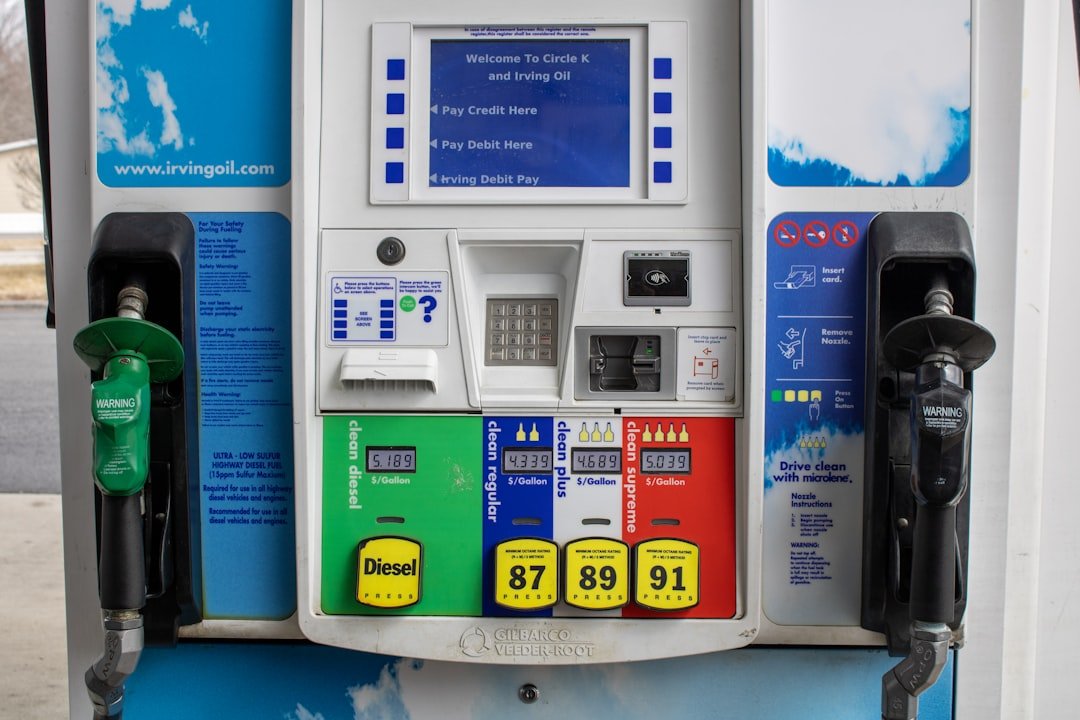
Rising fuel prices are reshaping travel across the Asia-Pacific region. Higher aviation and road-transport costs are encouraging travelers to choose fewer destinations, longer stays, regional rail and ferry routes, and strategically planned open-jaw itineraries instead of multiple short flights.
From Thailand and Singapore to Vietnam, Indonesia, Japan, and Australia, the Asia-Pacific remains one of the world’s most rewarding travel regions—but timing and route planning now matter more than ever. This complete guide explains when to go, where to visit, how to manage visas and flights, and how to control your daily spending.
## Why Visit the Asia-Pacific Now?
The Asia-Pacific is a vast region with several climate zones, so the best travel season depends on your chosen countries. In general, **November to March** is ideal for much of mainland Southeast Asia, while **April to October** can be excellent for Japan, South Korea, Australia, and parts of Indonesia.
### Seasonal Highlights
– **Thailand, Vietnam, Cambodia, and Laos:** November to February usually brings cooler, drier weather and comfortable conditions for sightseeing.
– **Malaysia, Singapore, and Indonesia:** These destinations are warm year-round. Dry-season conditions vary by coast, so check regional forecasts before booking.
– **Japan and South Korea:** Spring and autumn offer mild temperatures, colorful scenery, and excellent city sightseeing. Summer is popular but can be hot and humid.
– **Australia and New Zealand:** December to February is summer and ideal for beaches, road trips, and outdoor activities. March to May and September to November are often less crowded.
– **The Philippines:** December to April is generally favored for beach holidays, although local weather varies significantly by island.
### Festivals and Seasonal Events
The region’s festival calendar is a major reason to travel:
– **Lunar New Year:** Celebrated across China, Vietnam, Singapore, Malaysia, and other destinations, usually between late January and mid-February.
– **Songkran in Thailand:** Typically held in April, this famous water festival is celebrated nationwide.
– **Cherry blossom season in Japan and South Korea:** Usually occurs between March and April, depending on location and weather.
– **Bali arts and religious festivals:** Events take place throughout the year, with dates based on the Balinese calendar.
– **Diwali and other cultural celebrations:** Major cities across India, Singapore, Malaysia, and the wider region host colorful celebrations, usually between October and November.
Book accommodation and transport well in advance for major festivals. Prices can rise sharply, and popular routes may sell out.
## Top Places to Visit
### 1. Bangkok, Thailand
Bangkok is one of the best regional bases for a fuel-conscious Asia-Pacific itinerary because it has extensive air connections, affordable accommodation, and convenient onward transport.
**What to do:**
– Visit the Grand Palace and Wat Phra Kaew early in the morning.
– Explore Wat Arun and take a Chao Phraya River boat.
– Shop for food and souvenirs at Chatuchak Weekend Market.
– Enjoy street food in Chinatown, especially around Yaowarat Road.
– Use Bangkok as a starting point for rail journeys to Ayutthaya, Chiang Mai, or southern beach destinations.
**Fuel-smart tip:** Instead of flying between multiple Thai cities, combine Bangkok with Ayutthaya and Chiang Mai by train. For beach destinations, compare overnight trains and buses with domestic flights after including luggage fees.
### 2. Singapore
Singapore is compact, efficient, and easy to explore without renting a car. It is also a useful hub for connecting Southeast Asia through frequent regional flights.
**What to do:**
– Walk through Marina Bay and visit Gardens by the Bay.
– Explore Chinatown, Little India, and Kampong Glam.
– Eat at hawker centers such as Maxwell Food Centre or Lau Pa Sat.
– Spend an evening on Sentosa Island.
– Use Singapore as a short stopover between longer stays in Malaysia, Indonesia, Thailand, or Vietnam.
**Fuel-smart tip:** Stay near an MRT station and use public transport rather than taxis. A three- or four-night stopover can be more efficient than a separate round-trip visit.
### 3. Bali, Indonesia
Bali remains one of the region’s most popular destinations, offering beaches, temples, rice terraces, wellness retreats, and cultural experiences. To reduce transport costs and emissions, stay longer and explore one area at a time.
**What to do:**
– Visit Ubud’s rice terraces, temples, and art galleries.
– Explore beaches and sunset viewpoints around Uluwatu.
– Snorkel or dive near Nusa Penida or the Gili Islands.
– Visit traditional markets and local cooking schools.
– Add two or three nights in northern or eastern Bali for a quieter experience.
**Fuel-smart tip:** Avoid changing hotels every night. Base yourself in Ubud, southern Bali, or the east coast, then arrange shared transfers or day tours rather than repeated private-car journeys.
### 4. Tokyo and Kyoto, Japan
Japan is ideal for travelers who want to replace multiple domestic flights with fast, reliable rail travel. Tokyo offers modern culture and entertainment, while Kyoto provides temples, gardens, and traditional neighborhoods.
**What to do:**
– Explore Tokyo’s Asakusa, Shibuya, Ginza, and Ueno districts.
– Visit Kyoto’s Fushimi Inari Shrine, Kiyomizu-dera, and Arashiyama.
– Take a day trip to Nara, Osaka, or Kamakura.
– Try regional food at markets, izakayas, and department-store food halls.
– Consider a slower itinerary through Kanazawa, Takayama, or Hiroshima.
**Fuel-smart tip:** Compare the cost of individual rail tickets with regional passes before purchasing a nationwide rail pass. Passes are not automatically the cheapest option for every itinerary.
## Step-by-Step Travel Logistics
### 1. Visa Processing
Visa rules depend on your **passport nationality, destination, length of stay, and purpose of travel**. Because Asia-Pacific requirements change regularly, confirm details through the destination country’s official immigration website or embassy before booking non-refundable travel.
#### Common Visa Options
– **Visa-free entry:** Many countries allow short tourist visits without a visa for eligible passport holders.
– **e-Visa:** Applications are completed online before departure. You may need a passport scan, digital photograph, hotel details, proof of onward travel, and payment by card.
– **Electronic Travel Authorization:** Some destinations require an online travel authorization even when a traditional visa is not needed.
– **Visa-on-Arrival:** Available in selected countries and for selected nationalities. Requirements may include passport photos, cash or card payment, proof of accommodation, and an onward ticket.
– **Standard sticker visa:** Some travelers must apply through an embassy or visa center, submit biometrics, and provide financial or employment documents.
#### Typical Documentation
Prepare digital and printed copies of:
– Passport valid for at least six months beyond arrival
– Passport-size photograph
– Confirmed or proposed return/onward ticket
– Hotel reservation or local address
– Proof of sufficient funds
– Travel insurance, where required
– Completed application form
– Previous visas or residence permits, if relevant
– Vaccination or health documentation, if required by current regulations
#### Recommended Timeline
– **Visa-free or electronic authorization:** Apply or verify eligibility at least one to two weeks before departure.
– **e-Visa:** Apply approximately two to four weeks ahead.
– **Embassy or sticker visa:** Allow four to eight weeks, particularly during holidays and peak travel seasons.
– **Multi-country trips:** Check entry rules for every destination, including transit countries. Some airport transfers require a transit visa if you leave the secure area or change airports.
Do not rely on airline blogs or outdated social-media posts for immigration rules. Use official government sources and confirm your passport’s specific eligibility.
### 2. Flight Booking
Higher fuel costs can make short regional flights disproportionately expensive, especially when baggage, airport taxes, and seat fees are added.
#### Recommended Strategy
– Compare **round-trip, one-way, and open-jaw tickets**. Flying into Bangkok and home from Singapore, for example, may eliminate an expensive backtracking flight.
– Use major regional hubs such as **Singapore, Bangkok, Kuala Lumpur, Hong Kong, Tokyo, Seoul, and Sydney** to compare connections.
– For international travel, begin checking fares three to six months before departure.
– For peak periods—including Lunar New Year, Christmas, New Year, cherry blossom season, and school holidays—book six to nine months ahead.
– For regional flights, booking four to ten weeks in advance can often provide a reasonable balance between price and flexibility.
#### Airlines to Compare
Depending on the route, compare full-service and low-cost carriers such as:
– Singapore Airlines
– Thai Airways
– Malaysia Airlines
– Vietnam Airlines
– Japan Airlines
– ANA
– Korean Air
– Cathay Pacific
– Qantas
– AirAsia
– Scoot
– VietJet Air
– Jetstar
Always compare the **final price**, not just the advertised fare. Check baggage limits, airport location, payment fees, seat charges, and cancellation conditions.
#### Cost-Saving Tricks
– Travel midweek and avoid Friday evening and Sunday evening departures.
– Search nearby airports, but calculate the cost of reaching them.
– Pack light if using low-cost airlines.
– Set fare alerts through Google Flights, Skyscanner, or the airline’s website.
– Consider an overnight train or ferry where practical.
– Avoid booking separate tickets with extremely tight connections.
– If using separate tickets, leave a generous buffer or stay overnight between flights.
### 3. Hotel and Accommodation
Accommodation prices vary dramatically across the region. Longer stays can reduce both nightly rates and local transport expenses.
#### Best Areas to Stay
– **Bangkok:** Sukhumvit for transport and dining, Riverside for atmosphere, or Old Town for temples and historic sights.
– **Singapore:** Bugis, City Hall, Chinatown, and Little India offer convenient MRT access.
– **Bali:** Ubud for culture and wellness, Seminyak or Canggu for dining and nightlife, and Sanur for a quieter coastal base.
– **Tokyo:** Shinjuku, Ueno, Asakusa, or Tokyo Station for excellent rail connections.
– **Kyoto:** Downtown Kyoto or near Kyoto Station for easy access to major attractions.
#### Booking Advice
Compare Agoda, Booking.com, Expedia, Airbnb, and direct hotel websites. Check:
– Total price, including taxes and resort fees
– Cancellation terms
– Breakfast and airport-transfer costs
– Distance to a metro or train station
– Recent guest reviews
– Room size and bed configuration
– Whether the property has an elevator
– Check-in requirements and reception hours
For a multi-country trip affected by higher transport prices, consider spending **four to seven nights per base** rather than moving every two days. This reduces transfer costs and gives you more time to experience each destination.
### 4. Local Transport
Efficient local transport is one of the easiest ways to offset higher fuel prices.
#### Public Transport
– **Bangkok:** BTS Skytrain, MRT, airport rail, river boats, and metered taxis.
– **Singapore:** MRT and buses are clean, reliable, and easy to navigate.
– **Tokyo and Kyoto:** Railways, subways, and buses cover most tourist areas. Use an IC transit card where available.
– **Bali:** Ride-hailing, hotel transfers, shared shuttles, and organized tours are generally more practical than public transport.
– **Vietnam:** Local buses, trains, ride-hailing services, and domestic flights connect major destinations.
#### Ride-Hailing and Taxis
Grab is widely used in Southeast Asia. Uber availability varies by country and city, so check locally. Use official taxi stands at airports and confirm whether the meter is required. Avoid unlicensed drivers who approach you inside terminals.
#### Rail, Ferry, and Coach Travel
For medium-distance journeys, compare trains, coaches, and ferries against flights after including airport transfers and baggage fees. Overnight trains can save one night of accommodation, but choose reputable operators and book sleeping berths in advance.
## Estimated Budget & Essential Tips
### Typical Daily Budgets
Approximate costs per person, excluding international flights:
| Travel Style | Southeast Asia | Japan/Singapore/Australia |
|—|—:|—:|
| Budget | US$25–50 per day | US$50–100 per day |
| Mid-range | US$60–140 per day | US$120–250 per day |
| Premium | US$200+ per day | US$300+ per day |
These estimates include accommodation, meals, local transport, and basic sightseeing. Festivals, beach resorts, private drivers, and domestic flights can increase costs substantially.
### Connectivity: SIM Cards and eSIMs
A local SIM or eSIM is useful for maps, ride-hailing, translation, banking alerts, and airline updates.
– Purchase from an official airport kiosk, telecom shop, or reputable eSIM provider.
– Compare data validity, hotspot rules, and coverage outside major cities.
– Confirm that your phone is unlocked and compatible with local networks.
– Keep your primary SIM active if you need to receive banking or two-factor authentication messages.
– Download offline maps and translation packs before traveling between countries.
### Currency and Payments
– Carry a small amount of local cash for markets, taxis, temples, small cafés, and rural areas.
– Use a card with low foreign-transaction fees where possible.
– Withdraw cash from bank-operated ATMs and decline unnecessary dynamic currency conversion.
– Never exchange all your money at an airport unless necessary.
– Keep a backup card separately from your wallet.
– Track exchange rates using a reliable currency app, but confirm the final amount charged by your bank.
### Essential Fuel-Smart Travel Tips
– Choose one region rather than attempting to cover the entire Asia-Pacific in one trip.
– Build an itinerary around rail, ferry, or coach corridors.
– Stay longer in each destination to reduce transfers.
– Compare the full cost of flights, including baggage and airport transport.
– Travel during shoulder seasons for lower hotel and airfare prices.
– Book flexible fares when fuel surcharges or schedule changes may affect your route.
– Purchase comprehensive travel insurance covering medical care, cancellations, delays, and missed connections.
– Check entry, health, and transit requirements shortly before departure.
– Respect local customs, dress codes, environmental rules, and protected cultural sites.
With thoughtful planning, higher fuel costs do not have to end an Asia-Pacific adventure. A slower, better-connected itinerary can reduce expenses, minimize unnecessary flights, and provide a richer experience of the region’s cities, islands, food, and cultures.