
# Ghana in the Best Season: Complete Travel Guide, New e-Visa Process, Costs & Top Places to Visit
## Why Visit Ghana Now?
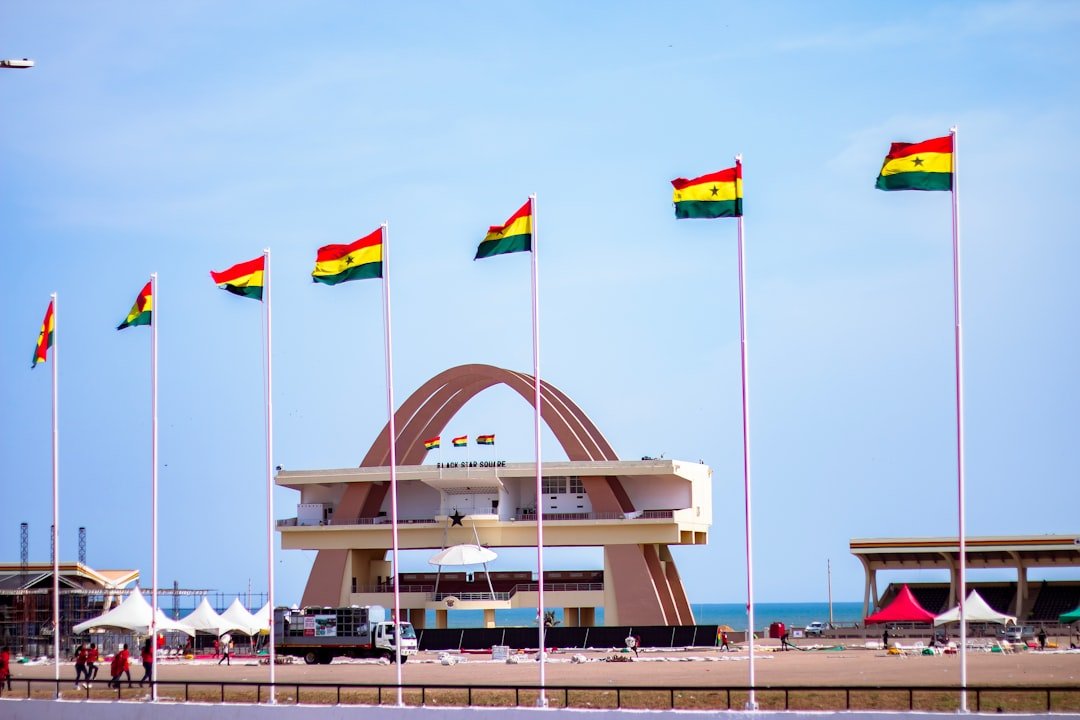
Ghana is one of West Africa’s most welcoming and rewarding destinations, combining Atlantic beaches, historic forts, lively cities, wildlife reserves, and a rich music and food culture. The country is also making international travel more convenient with the launch of a new **Ghana e-Visa portal**, allowing eligible travelers to begin the visa process online instead of relying exclusively on a consulate visit.
### Best Time to Visit Ghana
The most comfortable travel period is generally **November to March**, when rainfall is lower and conditions are favorable for sightseeing, beach trips, and wildlife viewing.
– **November to February:** Warm, mostly dry weather; excellent for exploring Accra, Cape Coast, and northern Ghana. The Harmattan can bring hazy skies and dusty conditions, particularly from December to February.
– **March to May:** Hotter weather with increasing humidity and occasional rain.
– **June to August:** The southern coast can be wet, but conditions are often suitable for city breaks and cultural travel. Northern Ghana may experience heavier seasonal rains.
– **September to October:** A good shoulder period, with fewer visitors and occasional sunshine between showers.
### Festivals and Seasonal Events
Plan ahead if you want to attend one of Ghana’s major cultural events:
– **Chale Wote Street Art Festival, Accra:** Usually held in August, featuring murals, live performances, installations, and creative workshops.
– **Homowo Festival, Accra:** Traditionally celebrated between August and September by the Ga people.
– **Hogbetsotso Festival, Anloga:** Usually held in November and known for colorful processions and traditional ceremonies.
– **December in Ghana:** Accra becomes especially lively with concerts, beach events, nightlife, and diaspora-focused celebrations often referred to as “Detty December.”
Festival dates can change annually, so confirm schedules with official tourism or event channels before booking flights and accommodation.
—
## Top Places to Visit in Ghana
### 1. Accra: Ghana’s Energetic Capital
Accra is the ideal starting point for first-time visitors. The city blends contemporary restaurants, creative neighborhoods, historical landmarks, and a lively nightlife scene.
**What to do:**
– Visit the **Kwame Nkrumah Memorial Park** and learn about Ghana’s independence history.
– Explore the **W.E.B. Du Bois Center** in Cantonments.
– Shop for crafts, textiles, and souvenirs at **Makola Market** or the **Arts Centre**.
– Spend time at **Labadi Beach** or one of the city’s private beach clubs.
– Enjoy live music, Ghanaian cuisine, and nightlife in **Osu**, **East Legon**, and **Labone**.
**Recommended stay:** Two to four nights.
### 2. Cape Coast and Elmina: History on the Atlantic Coast
Cape Coast and nearby Elmina are essential stops for travelers interested in Ghanaian history and the transatlantic slave trade. Both towns are home to UNESCO-listed or historically significant coastal forts.
**What to do:**
– Take a guided tour of **Cape Coast Castle**.
– Visit **Elmina Castle**, one of the oldest European-built structures in sub-Saharan Africa.
– Walk through Elmina’s fishing harbor and colorful streets.
– Add a visit to **Kakum National Park**, known for its elevated canopy walkway through rainforest.
– Allow time for a locally guided historical tour rather than visiting the castles independently.
Cape Coast is approximately three to four hours by road from Accra, depending on traffic and road conditions.
**Recommended stay:** Two nights.
### 3. Kumasi: Ashanti Heritage and Traditional Culture
Kumasi is the historic capital of the Ashanti Kingdom and one of the best places to experience Ghanaian craftsmanship, royal heritage, and inland culture.
**What to do:**
– Explore **Manhyia Palace Museum**.
– Visit **Kejetia Market**, one of West Africa’s largest markets.
– Shop for handwoven **Kente cloth** in nearby weaving communities.
– Visit the **Cultural Centre** for crafts and traditional art.
– Try Ashanti and wider Ghanaian specialties such as fufu, light soup, kelewele, and waakye.
Kumasi can be reached by road from Accra or by domestic flight, depending on your schedule and budget.
**Recommended stay:** Two to three nights.
### 4. Mole National Park and Northern Ghana
For wildlife and a dramatically different landscape, travel north to **Mole National Park**, Ghana’s largest protected area. The park is particularly known for elephants, antelope, warthogs, baboons, and a wide range of birdlife.
**What to do:**
– Join an early-morning or late-afternoon walking or vehicle safari.
– Stay at or near **Mole Motel** for convenient access to the park.
– Visit **Larabanga Mosque**, one of West Africa’s oldest mosques.
– Explore the nearby **Mognori Eco-Village** with a local guide.
– Allow extra travel time: northern Ghana is considerably farther from Accra than the coastal attractions.
The dry season, especially **December through March**, is usually the best period for wildlife viewing.
**Recommended stay:** Two to three nights.
—
## Step-by-Step Travel Logistics
### 1. Visa Processing
#### Ghana’s New e-Visa Portal
Ghana has introduced a new online **e-Visa portal** designed to streamline applications, document submission, payment, and application tracking. The system is intended to reduce paperwork and make the process more convenient for eligible international travelers.
Because visa eligibility, fees, permitted stay, and processing procedures vary by nationality, always begin with:
– The official **Ghana Immigration Service** website
– Ghana’s official e-Visa portal
– The nearest Ghanaian embassy or high commission
– Your airline’s current entry requirements
Avoid unofficial visa websites that charge inflated service fees or request unnecessary personal information.
#### Common Ghana Visa Categories
Depending on nationality and purpose of travel, travelers may need one of the following:
– **Tourist or visitor visa:** For holidays, visiting friends or relatives, and general tourism.
– **Business visa:** For meetings, conferences, commercial activities, or professional visits.
– **Transit visa:** For travelers passing through Ghana to another country.
– **Multiple-entry visa:** Useful for frequent business or regional travelers.
– **Residence, work, or student permit:** Required for longer stays, employment, study, or residence.
Some nationalities may be visa-exempt for short visits. ECOWAS citizens generally benefit from regional free-movement arrangements, but passport and entry requirements should still be confirmed before departure.
#### Visa on Arrival
Ghana’s visa-on-arrival arrangements are not necessarily available as a simple walk-up service for every nationality. In many cases, travelers must obtain **prior authorization or approval before boarding**. Do not assume that you can arrive at Kotoka International Airport and receive a visa without advance confirmation.
Ask the Ghanaian embassy or immigration authorities whether visa-on-arrival is available for your passport and whether pre-approval is required.
#### Typical Application Documents
Prepare clear, valid copies of:
– Passport valid for at least six months beyond the intended arrival date
– Passport photo meeting the portal’s specifications
– Confirmed or proposed flight itinerary
– Hotel booking or accommodation address in Ghana
– Proof of sufficient funds, when requested
– Invitation letter and host details, if visiting someone
– Business letter or company documentation for business travel
– Yellow fever vaccination certificate
– Additional supporting documents requested by the portal or embassy
#### Recommended Application Timeline
Apply at least **two to four weeks before departure**. Start earlier during December, major festivals, public holidays, and peak summer travel periods.
Before submitting:
1. Confirm whether your nationality is eligible for the e-Visa.
2. Check that your passport details exactly match your application.
3. Upload readable documents in the correct file format.
4. Save your application reference number and payment receipt.
5. Print the approval or authorization and keep a digital copy.
6. Recheck entry conditions shortly before flying.
A visa approval does not replace border-control requirements. Immigration officers may still ask about your accommodation, return or onward travel, and purpose of visit.
### 2. Flight Booking
Most international travelers arrive through **Kotoka International Airport (ACC)** in Accra.
Airlines serving Accra vary by season and route, but commonly available options may include:
– British Airways
– Brussels Airlines
– Emirates
– Qatar Airways
– Turkish Airlines
– KLM
– Ethiopian Airlines
– Kenya Airways
– Royal Air Maroc
– Africa World Airlines and other regional carriers for selected African routes
#### Flight Booking Tips
– Book approximately **six to twelve weeks ahead** for many international trips.
– Reserve earlier for December, Easter, major festivals, and school holidays.
– Compare nearby departure airports and one-stop routes through Addis Ababa, Casablanca, Doha, Istanbul, Nairobi, Amsterdam, Brussels, or London.
– Use flexible-date searches to compare departures one or two days before or after your preferred date.
– Check baggage rules carefully, particularly on regional flights.
– Keep proof of accommodation, onward travel, and visa approval accessible during check-in.
For trips combining Accra, Kumasi, and northern Ghana, compare the cost of domestic flights with private road transfers. Flying can save significant time, but schedules and baggage rules may change.
### 3. Hotels and Accommodation
#### Best Areas to Stay in Accra
– **Osu:** Restaurants, nightlife, cafés, shops, and a convenient central location.
– **Labone and Cantonments:** Quieter, more upscale, and popular with business and long-stay travelers.
– **Airport Residential Area:** Practical for early flights, international hotels, and business facilities.
– **East Legon:** Modern restaurants, shopping, nightlife, and serviced apartments.
– **Jamestown and central Accra:** Best for history and atmosphere, but check the exact property and neighborhood carefully before booking.
#### Accommodation Outside Accra
– **Cape Coast:** Choose a central guesthouse or a hotel near the castle and waterfront.
– **Elmina:** Ideal for travelers who want a more atmospheric coastal stay and easy access to Elmina Castle.
– **Kumasi:** Look around Adum, Nhyiaeso, or central districts with reliable transport access.
– **Mole National Park:** Staying inside or close to the park minimizes early-morning travel for safaris.
Use **Booking.com, Agoda, Google Hotels, or reputable local hotel websites** to compare prices and reviews. Confirm whether the rate includes breakfast, air conditioning, airport transfers, Wi-Fi, generator backup, and taxes.
During December, book several months in advance. For smaller guesthouses, contact the property directly after booking to reconfirm your reservation and arrival time.
### 4. Local Transport
Ghana does not have a nationwide metro system, and public transport is less structured than in many European or Asian destinations.
#### Accra and Kumasi
– **Uber and Bolt:** Widely useful in major cities, although availability can vary.
– **Taxis:** Common, but agree on the fare before entering unless the vehicle uses a meter.
– **Trotros:** Shared minibuses are inexpensive but can be crowded and difficult for first-time visitors.
– **Private drivers:** The most comfortable choice for sightseeing or intercity travel.
– **Domestic flights:** Useful for reducing travel time between Accra, Kumasi, Tamale, and other selected destinations.
#### Intercity Travel
Long-distance buses and shared vehicles connect major cities, but departure times can be flexible and journeys may take longer than expected. For Cape Coast, Elmina, and Kakum, many travelers prefer a private driver or organized tour.
For Mole National Park, arrange transport and accommodation in advance. Public transport connections are possible but often time-consuming and less convenient for visitors carrying luggage.
**Safety tip:** Avoid unmarked taxis late at night, keep valuables out of sight, and use ride-hailing apps whenever practical.
—
## Estimated Budget & Essential Tips
### Average Daily Travel Costs
Your budget will vary according to accommodation, transport, and activities.
#### Budget Traveler: Approximately US$35–70 per day
– Hostel or simple guesthouse
– Local meals and street food
– Trotros and occasional ride-hailing
– Low-cost cultural attractions
#### Mid-Range Traveler: Approximately US$90–180 per day
– Comfortable hotel or private guesthouse
– Restaurant meals
– Uber, Bolt, or occasional private transfers
– Guided excursions and entrance fees
#### Luxury Traveler: US$250 or more per day
– International hotels or luxury lodges
– Private driver
– Premium restaurants and curated tours
– Domestic flights and private safari arrangements
Major additional expenses may include visa fees, international flights, domestic airfare, private guides, national park fees, and castle or museum admissions.
### Currency and Payments
Ghana uses the **Ghanaian cedi (GHS)**.
– Carry some cedis for markets, smaller restaurants, transport, and rural areas.
– International hotels, upscale restaurants, and tour operators often accept major cards.
– Visa and Mastercard availability is better in major cities than in smaller towns.
– Use ATMs attached to established banks and avoid withdrawing large amounts in isolated areas.
– Exchange money through banks or reputable bureaux de change rather than informal street exchangers.
– Keep small notes available for tips, taxis, snacks, and local purchases.
Exchange rates fluctuate, so check the current rate shortly before departure rather than relying on an old conversion.
### SIM Cards and Internet Access
A local SIM or eSIM is strongly recommended for maps, ride-hailing, hotel communication, and mobile payments.
Common mobile networks include:
– MTN Ghana
– Telecel Ghana
– AT Ghana
Buy a physical SIM from an official network shop and bring your passport if registration is required. Confirm whether your phone is unlocked before traveling.
An eSIM may be convenient for short trips, but compare data allowances and network coverage, especially if you plan to visit northern Ghana or national parks. Download offline maps before leaving Accra.
### Health and Safety Essentials
– A **yellow fever vaccination certificate** is commonly required for travelers entering Ghana.
– Consult a travel clinic about malaria prevention and recommended vaccinations.
– Drink bottled or properly treated water.
– Use insect repellent and wear long sleeves in the evening.
– Wear comfortable footwear for castles, markets, hiking, and uneven streets.
– Keep copies of your passport, visa approval, insurance policy, and emergency contacts.
– Respect photography rules around people, military installations, airports, and government buildings.
– Avoid displaying large amounts of cash or expensive electronics.
– Travel insurance with medical evacuation coverage is advisable, particularly for trips involving remote areas.
Ghana is easiest to enjoy when you allow extra time for traffic, changing schedules, and informal travel arrangements. With your visa documents prepared, accommodation confirmed, and a flexible itinerary, the new e-Visa portal can make the first step of your Ghana journey considerably simpler.