
World Cup Travel Uncertainty: What Players and Fans Need to Know
With only 50 days remaining before the FIFA World Cup, excitement is building across the United States, Canada, and Mexico. However, immigration and border policies are creating uncertainty for footballers, team staff, media workers, and international supporters planning to attend matches.
Concerns include changing travel bans, visa processing delays, immigration enforcement by U.S. Immigration and Customs Enforcement (ICE), and the participation of travelers connected to Iran. Because the 2026 World Cup will be hosted across three countries, entry requirements may differ significantly depending on where a match is being played.
Key Details About World Cup Travel
- The 2026 FIFA World Cup will take place in the United States, Canada, and Mexico.
- Matches will be held in multiple cities, meaning fans may need to meet the entry requirements of more than one country.
- A ticket does not guarantee a visa, admission at the border, or permission to remain in a country.
- Travel restrictions and visa rules can change quickly, particularly for nationals of countries affected by security-related policies.
- Players, officials, journalists, and technical staff may require different immigration documents from ordinary spectators.
- Iranian travelers and people with certain nationalities, passports, or travel histories may face additional screening or restrictions when seeking entry to the United States.
Why Travel Bans Are Causing Concern
Travel bans and nationality-based entry restrictions can affect World Cup plans in several ways. A traveler may be unable to obtain a visa, may not qualify for visa-free travel, or may be subject to additional screening before a visa is issued. In some cases, a restriction may include limited exceptions for athletes, coaches, officials, or individuals traveling for major international sporting events.
These exceptions should never be assumed. They depend on the precise wording of the current government proclamation or regulation, the traveler’s nationality, the passport being used, and the purpose of travel. An exception for a registered player, for example, may not automatically extend to relatives, private supporters, contractors, or fans traveling with the same delegation.
Travelers should also remember that having a valid visa does not guarantee entry. U.S. Customs and Border Protection officers make the final admission decision at the port of entry. Visa applicants and visitors should be prepared to explain their itinerary, accommodation, return plans, and the purpose of their trip.
Iranian Players, Fans, and Delegations
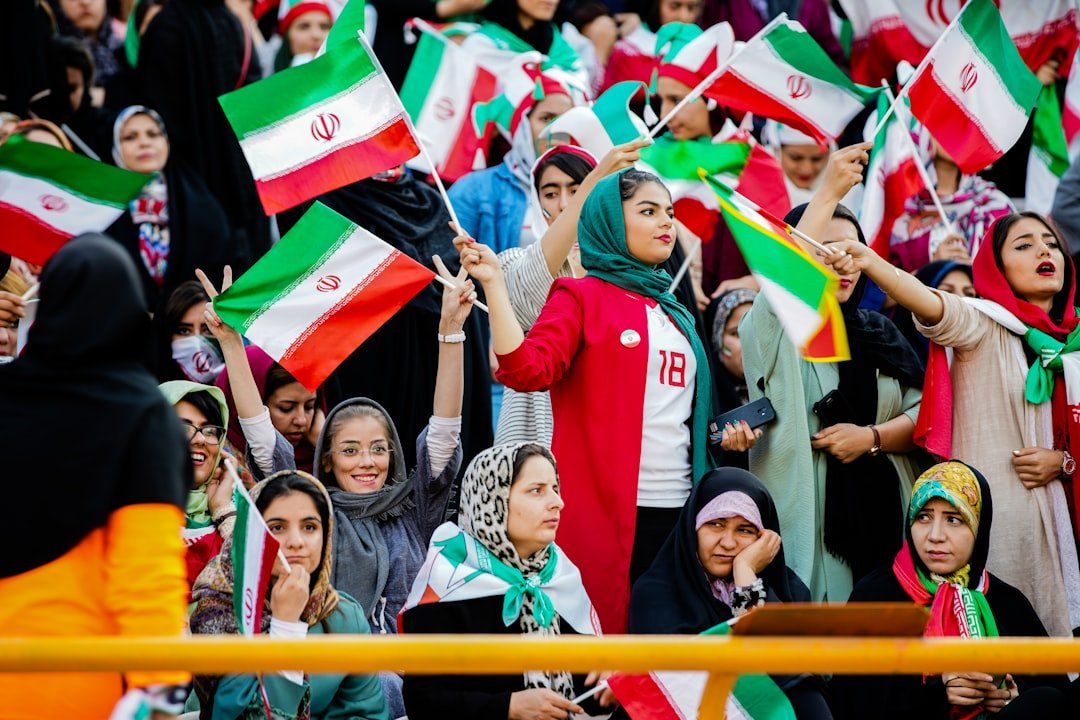
Iran’s involvement in the World Cup has intensified questions about how U.S. travel restrictions could affect the national team, support staff, media representatives, and Iranian supporters. The outcome may depend on whether special arrangements are created for officially accredited participants and how current entry restrictions are applied.
For Iranian nationals, the most important issue is not simply whether Iran qualifies or where its matches are scheduled. The key questions include:
- Whether the traveler is an officially accredited player, coach, team official, journalist, or spectator.
- Whether a special waiver or sporting-event exception is available.
- Which country is hosting the relevant match.
- Whether the traveler is applying with an Iranian passport or another nationality.
- Whether the traveler has previously held a U.S. visa or has dual nationality.
- Whether additional security screening or administrative processing may delay the application.
Fans should avoid relying on social media claims about exemptions. Official announcements from the U.S. Department of State, the relevant embassy or consulate, FIFA, and the host-country immigration authorities should be treated as the most reliable sources.
How ICE Enforcement May Affect Visitors
ICE is responsible for immigration enforcement inside the United States, while Customs and Border Protection manages inspection at airports and land borders. The presence of ICE in the news has raised concerns among some visitors, immigrant communities, and mixed-status families preparing for the tournament.
A foreign visitor who enters lawfully and follows the conditions of their visa generally has the right to attend matches and travel during the authorized period of stay. Problems can arise when a traveler overstays, works without authorization, provides inaccurate information, violates the terms of admission, or has unresolved immigration or criminal issues.
Visitors should keep copies of their passport identification page, visa, electronic I-94 admission record, hotel reservations, travel insurance details, and emergency contacts. Travelers should also know the date by which they must leave the United States. The expiration date of a visa is not necessarily the date a visitor is required to depart; the authorized stay is recorded at admission.
Practical Rights and Precautions
- Answer immigration questions truthfully and briefly.
- Do not carry false documents or misrepresent the purpose of your visit.
- Do not accept employment or paid activities unless your immigration status permits it.
- Keep important documents secure and accessible.
- If you have a previous removal order, criminal conviction, visa refusal, or immigration violation, seek advice from a qualified immigration lawyer before traveling.
- Families with different immigration statuses should prepare an emergency communication and document plan.
Visa and Entry Requirements for World Cup Fans
World Cup supporters traveling to the United States may need a B-2 visitor visa, or a combined B-1/B-2 visa, unless they are eligible to travel under the Visa Waiver Program. Travelers using the Visa Waiver Program must obtain approval through ESTA before boarding a flight or seeking admission at a U.S. port of entry.
ESTA approval is not a visa and does not guarantee admission. Eligibility can also be affected by nationality, dual citizenship, previous travel to certain countries, immigration history, or prior visa refusals. Travelers who are not eligible for the Visa Waiver Program should apply for a visitor visa as early as possible.
Fans should be cautious about describing their trip as a business visit if they are primarily attending matches. A typical supporter’s purpose is tourism and sporting-event attendance. Providing a clear, consistent itinerary helps demonstrate that the visit is temporary.
Documents Fans Should Prepare
- A passport valid for the required period under the destination country’s rules.
- A valid visa or approved travel authorization, where required.
- Match tickets or tournament confirmation, if available.
- Hotel bookings and details of each destination.
- Evidence of funds for accommodation, food, transportation, and other expenses.
- A return or onward ticket and evidence of commitments outside the host country.
- Travel insurance covering medical treatment and trip disruption.
- Contact details for the nearest embassy or consulate.
Traveling Between the United States, Canada, and Mexico
Fans following their team across North America must treat the United States, Canada, and Mexico as separate immigration jurisdictions. A visa or entry permission for one country does not provide automatic entry to the others.
Travelers may need to meet different requirements for flights, land crossings, and connecting itineraries. Canada has its own visa and electronic travel authorization system, while Mexico applies separate passport and visitor rules. Check the requirements for every country on your route, including countries where you are only transiting through an airport.
Before booking a multi-city World Cup itinerary, confirm:
- Whether you require a Canadian visitor visa or electronic travel authorization.
- Whether you need a Mexican tourist authorization or other entry document.
- Whether your U.S. visa permits the planned number of entries.
- Whether your passport meets the validity and blank-page requirements of each country.
- Whether a transit visa is required for any airport connection.
- Whether you have enough time between matches, border crossings, and flight connections.
Special Immigration Rules for Players and Officials
Professional players, coaches, referees, medical personnel, broadcasters, and tournament staff may not be able to enter as ordinary tourists. Their activities can involve employment, competition, media work, or services for a foreign organization. The correct visa category may depend on the person’s role, the contract, the employer, and the length of stay.
International teams and event organizers typically coordinate with immigration authorities well in advance. Accredited participants should follow instructions from their national football association, FIFA, employer, or designated immigration counsel rather than applying independently under a visitor category.
Traveling relatives and personal guests may have separate requirements. Accreditation alone may not provide immigration status, and a family member’s entry permission may not be covered by an athlete’s exemption.
Tips for Travelers Planning a World Cup Trip
1. Start the visa process immediately
Visa appointment availability and administrative processing times can vary by embassy and nationality. Do not wait until match dates are confirmed to begin researching requirements. Applicants should avoid purchasing nonrefundable flights before understanding the likely processing timeline.
2. Use official government websites
Check the U.S. Department of State, U.S. Customs and Border Protection, the Canadian government, Mexico’s immigration authorities, and the embassy responsible for your place of residence. Rules published by travel agents or unofficial websites may be outdated.
3. Build a flexible itinerary
Match schedules, flight prices, visa decisions, and border procedures can change. Choose refundable or changeable bookings where possible, and allow extra time for airport screening and international connections.
4. Keep your travel story consistent
Your visa application, hotel reservations, flight plans, and answers at the border should all reflect the same temporary travel purpose. Be ready to explain which matches you plan to attend, where you will stay, and when you intend to leave.
5. Check your passport and travel history
Review passport validity, previous visas, entry stamps, dual nationality, and travel to countries that may affect Visa Waiver Program eligibility. If you have changed your name or replaced a passport, carry supporting documentation when appropriate.
6. Obtain professional advice when necessary
Consult a licensed immigration attorney or accredited visa professional if you are affected by a travel ban, have dual nationality, have a prior immigration violation, plan to work during the tournament, or have a criminal record. A general travel agency may not be qualified to assess complex immigration issues.
What Travelers Should Watch in the Coming Weeks
As the tournament approaches, fans should monitor announcements about special World Cup visa channels, accredited participant exemptions, consular appointment capacity, airport procedures, and any changes to nationality-based restrictions. Official guidance may clarify how travel bans apply to players, team delegations, media personnel, and ticket holders.
The safest approach is to plan early, verify every requirement independently, and avoid assuming that a match ticket or tournament registration overrides immigration law. With careful preparation, many travelers can still enjoy the World Cup while reducing the risk of denied boarding, visa delays, or problems at the border.
Final Checklist Before Departure
- Confirm the entry requirements for every country on your itinerary.
- Apply for the correct visa or travel authorization.
- Check the authorized length of stay after admission.
- Carry proof of accommodation, funds, onward travel, and match plans.
- Review current travel restrictions shortly before departure.
- Save embassy, airline, insurer, and emergency contacts offline.
- Consider legal advice if your nationality, immigration history, or professional role creates additional risk.
Immigration policies can change without notice. This article provides general travel information and is not a substitute for individualized legal advice or confirmation from official government authorities.