
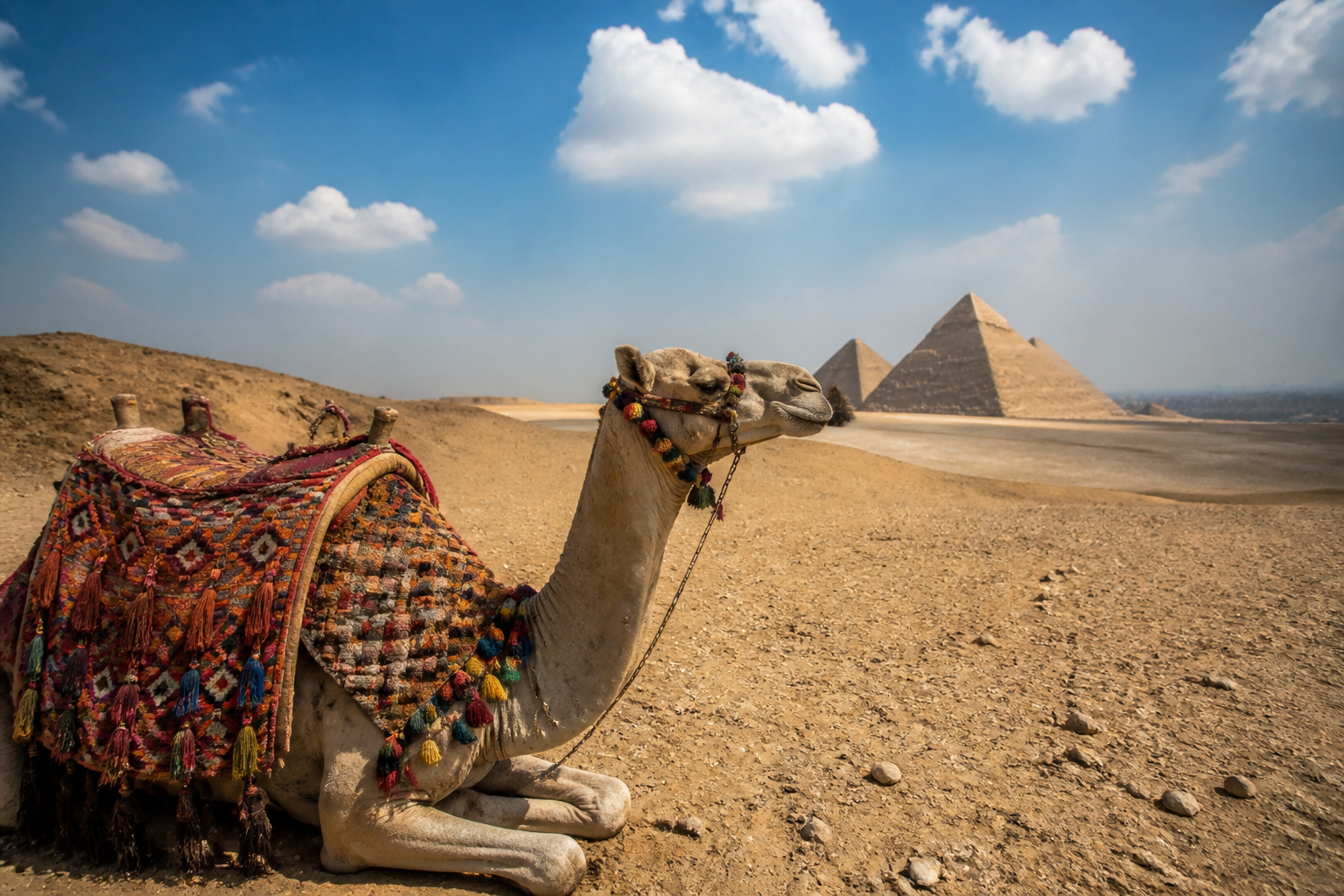
# Egypt at IFTM Top Resa 2026: A Friendly Guide to Paris, Travel Trade, and a Taste of Egypt
## The Vibe & When to Go
Paris in early autumn has a particular charm. The mornings can feel cool, the light turns soft over the Seine, and cafés fill with people lingering over coffee instead of rushing through breakfast. It is also a comfortable time for walking, with fewer summer crowds and temperatures that are usually pleasant enough for long days outside.
IFTM Top Resa 2026 will bring tourism professionals, destinations, airlines, hotels, and travel companies together in Paris. Egypt’s participation, supported by the **Egyptian State Information Service (الهيئة العامة للاستعلامات)**, is an important chance to present the country beyond the usual pyramid photographs: Red Sea diving, Nile cruises, family holidays, desert landscapes, wellness resorts, and the everyday warmth of Egyptian hospitality.
The exact exhibition dates, Egyptian pavilion details, and official meeting schedule should be checked through the **IFTM Top Resa website** and Egypt’s official tourism or government channels before booking. Trade fairs can change halls, opening hours, and registration rules from one edition to the next.
For visitors attending the show, Paris is best approached as two trips in one: focused business meetings during the day, followed by small discoveries in the evening. A quiet dinner in a neighborhood restaurant or a walk beside the Canal Saint-Martin can tell you as much about the city as a packed sightseeing schedule.
## Must-See Spots: My Top Picks
### 1. IFTM Top Resa and the Egypt Stand
The exhibition itself is the main reason for the trip, so give yourself time to explore rather than racing from appointment to appointment. Paris trade fairs are busy, and a conversation that begins over coffee can easily turn into a useful partnership.
At the Egypt stand, look beyond the headline destinations. Ask about smaller Red Sea resorts, Nile itineraries, cultural routes through Upper Egypt, and travel options for different budgets. If you are a buyer or journalist, bring plenty of business cards and keep a note on your phone for follow-up details. After a long day, names and promises blur together surprisingly quickly.
Wear comfortable shoes. This is not the place for a brand-new pair, no matter how smart they look.
### 2. The Seine at Sunset
After the exhibition, I like to escape the busy roads and head toward the Seine. A simple walk from the Île de la Cité toward the Louvre or the Musée d’Orsay gives you grand views without requiring another ticket.
Instead of joining the first boat tour you see, compare departure times and prices online. A short evening cruise can be lovely, but sitting by the river with a takeaway crêpe is just as memorable and costs much less.
The area around Pont des Arts can be crowded, so cross to a quieter stretch near the Quai de Seine if you want to sit and watch the city move.
### 3. Montmartre Before the Crowds
Montmartre is touristy, but I still enjoy it when I arrive early. The steps around Sacré-Cœur are peaceful in the morning, and the back streets feel more like a neighborhood before the tour groups appear.
Walk beyond Place du Tertre, where artists gather, and explore streets such as Rue des Abbesses and Rue des Trois Frères. You will find bakeries, small food shops, and cafés where locals stop for a quick espresso.
Keep your phone and wallet secure in crowded places, especially around the funicular and the basilica. Paris is generally easy to explore, but busy tourist areas attract pickpockets.
### 4. The Canal Saint-Martin and Le Marais
For a less formal evening, the Canal Saint-Martin is one of my favorite areas. People gather beside the water with snacks and drinks, and the mood is relaxed without feeling too polished.
Le Marais is a better choice if you want galleries, historic streets, falafel, bakeries, and stylish little shops all within walking distance. I usually avoid eating directly on the busiest streets and look for a smaller place one or two blocks away. The food is often better, and the bill is usually kinder.
If you have an extra morning, visit one museum rather than trying to squeeze in five. The Musée de l’Orangerie is manageable in a short visit, while the Louvre needs a full plan and plenty of patience.
## Practical Travel Advice
### Getting There and Visa
Paris has two main international airports:
– **Charles de Gaulle (CDG):** the largest airport, with strong connections into central Paris by RER train and airport buses.
– **Orly (ORY):** often convenient for European and some international routes, with metro and tram connections toward the city.
Travelers holding Egyptian passports generally need a **Schengen visa** to visit France. Apply through the official French visa process in your country of residence and allow enough time for appointments, document checks, and processing. Your passport normally needs to meet Schengen validity rules, and you may be asked for proof of accommodation, travel insurance, funds, return travel, and the purpose of your visit.
For IFTM Top Resa, carry your exhibition registration or invitation details with your visa documents. A trade-fair visit does not automatically replace a visa or guarantee entry.
For flights, compare Cairo–Paris options several weeks ahead, especially if the exhibition dates fall during a busy business-travel period. A ticket with sensible arrival and departure times can be more valuable than saving a small amount. Arriving late at night may mean paying for a taxi, while an afternoon arrival gives you time to use public transport and settle in.
### Where to Stay
Choose your area based on how you want the trip to feel:
– **Near Porte de Versailles:** the most practical option for the exhibition. You may pay more, but avoiding a long commute after a full day of meetings is a real comfort.
– **Montparnasse:** good for transport links, classic brasseries, and a slightly calmer atmosphere. It is useful if you plan to combine the fair with sightseeing.
– **Saint-Germain-des-Prés:** charming and central, with beautiful streets and excellent cafés. Accommodation is usually expensive.
– **Le Marais or Bastille:** lively in the evenings, with plenty of restaurants and easy access to central attractions.
– **Canal Saint-Martin or République:** a good choice for travelers who want a local feel and a wider range of mid-range hotels and apartments.
Book a place close to a metro station rather than choosing a hotel only by its map distance. A short ride on a direct line is often easier than a seemingly close hotel requiring two changes.
### Getting Around
Paris is one of those cities where walking often beats taking a car. For longer distances, the metro is quick and useful, though stations can involve stairs and long corridors.
Use the official **Bonjour RATP** app for routes, service updates, and ticket information. Metro and bus fares change, so check current prices before your trip rather than relying on old travel posts.
For taxis and rides, **G7** is a familiar local taxi option, while services such as **Uber** may also operate. At the airports, use official taxi ranks and avoid anyone approaching you inside the terminal offering a “special price.”
If you are staying near the exhibition center, check the easiest route before the first morning. Paris traffic can be slow, and arriving stressed is a poor way to start a day of meetings.
## Real Costs and Local Tips
Paris is not cheap, but you can keep the daily total under control with a little planning. These figures exclude flights, shopping, and exhibition-related expenses.
### Approximate Daily Budgets
**Budget traveler: €65–€100 per day**
– Hostel or basic room: €30–€55
– Simple breakfast from a bakery: €5–€8
– Casual lunch: €10–€15
– Affordable dinner: €15–€25
– Public transport and a low-cost activity: €5–€15
**Mid-range traveler: €140–€230 per day**
– Hotel room: €90–€160
– Breakfast and coffee: €12–€20
– Restaurant lunch: €18–€30
– Dinner with a drink: €30–€55
– Transport, museum tickets, and small extras: €15–€30
Prices may be higher during major events, so book accommodation early if the 2026 exhibition dates are confirmed.
The local currency is the **euro (€)**. Cards are widely accepted, though I still carry a small amount of cash for bakeries, markets, and small cafés. In restaurants, service is generally included. You can leave a little extra for excellent service, but a large American-style tip is not expected.
### A Few Ways to Save Money and Avoid Hassles
– **Eat lunch like a local.** Look for a formule or menu du jour. It often includes a starter, main course, or dessert for less than ordering everything separately.
– **Buy water at a supermarket.** Small bottles near major attractions can cost several times more than those in ordinary shops.
– **Reserve popular museums online.** This can save time and sometimes helps you avoid queues, but check the official museum website instead of paying inflated third-party booking fees.
– **Watch for unofficial taxis and “free” help.** Use marked taxi ranks, official apps, and secure your bag in crowded metro stations.
– **Choose a Navigo or multi-ride transport option carefully.** The best ticket depends on how many days you are staying and which zones you need. Check the current RATP options before buying.
– **Book business meetings with breathing room.** Paris looks compact on a map, but crossing the city during rush hour can easily take forty minutes or more.
Egypt’s presence at IFTM Top Resa 2026 should be more than a formal showcase. It is an opportunity to remind travelers and industry professionals that Egypt offers many different journeys: ancient sites and contemporary cities, quiet desert nights and lively coastal resorts, Nile views and underwater adventures. Pair the exhibition with a few unhurried Paris walks, and the trip becomes much more enjoyable than a schedule filled from morning to midnight.
KEYWORDS: Paris travel, Egypt tourism