
# Philadelphia Beyond the Eagles: A Friendly Guide to Food, History, and Everyday City Life
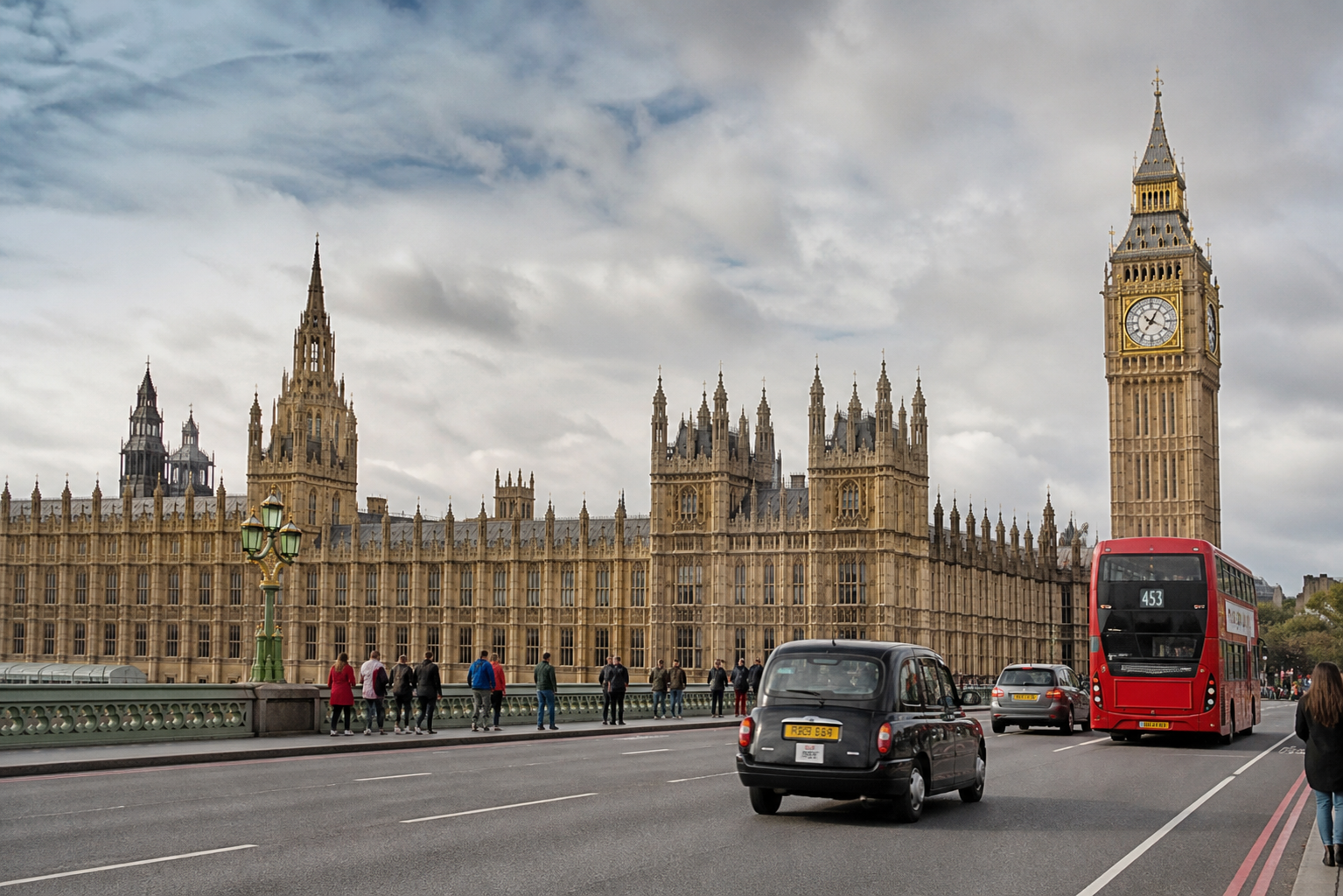
When the Philadelphia Eagles head to London, the team brings a little piece of the city with them: the green jerseys, the loud fans, the stubborn pride, and the unmistakable sense that Philly is never far from a good argument or a great sandwich.
But Philadelphia is much more than a sports town. I love it because the city feels lived-in rather than polished for visitors. You can stand where American history was made in the morning, eat an excellent meal in Chinatown at lunch, and spend the evening in a neighborhood bar where everyone has an opinion about the Eagles.
## The Vibe & When to Go
Philadelphia is energetic, scruffy around the edges, historic, creative, and surprisingly easy to explore on foot. The city has a strong neighborhood personality: Old City feels historic and cobbled, Rittenhouse is polished and busy, Fishtown is lively and music-focused, and South Philly is full of family-run restaurants and sports energy.
**Fall is my favorite time to visit.** October and November usually bring cool, comfortable days, colorful trees, and plenty of football excitement. Pack layers, though. A sunny afternoon can turn chilly once the sun drops, with temperatures often ranging from the mid-50s to low 70s Fahrenheit.
Spring is also pleasant, especially from April through May. Summers can be hot and humid, while winter is manageable but unpredictable, with cold rain and occasional snow.
If the Eagles are playing at home, book your hotel early. Game weekends can push up room prices, especially near Center City and the stadium district.
## Must-See Spots: My Top Picks
### 1. Independence Hall and the Historic District
Start at Independence Hall and the Liberty Bell, but give yourself time to wander beyond the famous stops. The surrounding streets are filled with brick buildings, small museums, cafés, and quiet corners that feel more atmospheric than the main tourist route.
I like walking through Elfreth’s Alley, one of the oldest residential streets in the country. It takes only a few minutes to see, but the narrow lane and tiny historic homes make it feel wonderfully removed from the modern city.
**My tip:** Reserve an Independence Hall tour ahead of time, especially during spring, summer, and holiday weekends. Go early in the morning before school groups arrive.
### 2. Reading Terminal Market
Reading Terminal Market is one of the places I send almost everyone. It can be crowded, loud, and a little overwhelming, but that is part of its charm. You will find Amish baked goods, Pennsylvania Dutch specialties, roast pork, fresh produce, ice cream, cheesesteaks, and enough pastries to ruin your plans for lunch.
For a classic Philadelphia bite, try a roast pork sandwich with sharp provolone and broccoli rabe. If you prefer a cheesesteak, ask locals which counter they like rather than treating the market as the final authority. Philly residents can debate sandwiches with impressive seriousness.
**My tip:** Visit before noon for the best selection and a little more breathing room. Take cash just in case, although many vendors accept cards.
### 3. The Philadelphia Museum of Art and the Schuylkill River Trail
Yes, you can run up the famous Art Museum steps, but the best part is what comes after. Walk through the museum grounds toward the Schuylkill River and follow the trail for city views, rowers on the water, and a calmer side of Philadelphia.
The museum itself deserves several hours. I especially enjoy taking a slower route rather than trying to see every gallery. Afterward, the river trail is a good place to reset, particularly around sunset.
**My tip:** The steps are busiest in the middle of the day. Go early for photos, then continue toward the river instead of heading straight back downtown.
### 4. South Philadelphia and the Sports Complex
For Eagles fans, the Lincoln Financial Field area is the obvious pilgrimage. The stadium sits alongside Citizens Bank Park and the Wells Fargo Center, so a game weekend can feel like the whole city has gathered in one place.
Even without a game, South Philly is worth exploring. Walk down Passyunk Avenue for restaurants, bakeries, bars, and the famous “Rocky” cheesesteak rivalry between Pat’s and Geno’s. I personally prefer exploring the smaller neighborhood restaurants nearby rather than waiting in a long line just for a photo.
**My tip:** Use the Broad Street Line to reach the stadiums. Driving and parking are possible, but traffic after a game can be exhausting.
## Practical Travel Advice
### Getting There and Visa Requirements
Philadelphia International Airport is about 15 minutes from Center City by car and is connected by SEPTA’s Airport Regional Rail Line. The airport has direct flights from many major U.S. cities and some international destinations. If you cannot find a good direct flight, connecting through New York, Washington, D.C., Chicago, or Atlanta is usually straightforward.
For visitors entering the United States:
– Travelers from Visa Waiver Program countries generally need an approved **ESTA** and a passport valid for the trip.
– ESTA normally allows tourism or business visits of up to 90 days.
– Travelers from countries outside the Visa Waiver Program usually need a visitor visa.
– Check the official U.S. government travel site before booking, since entry rules can change.
– U.S. citizens and permanent residents do not need a visa for domestic travel to Philadelphia.
If you are flying from London or elsewhere in the U.K., compare flights into Philadelphia with flights into Newark or New York. Philadelphia is usually the easiest option once you add the train or car journey from another airport.
### Where to Stay
**Center City:** Best for first-time visitors. You can walk to City Hall, Rittenhouse Square, Reading Terminal Market, and many restaurants. Hotels range from large chains to smaller boutique properties.
**Old City:** Good for history lovers and people who want charming streets, galleries, and evening bars. It can feel quiet in some areas after the museums close.
**Rittenhouse Square:** A more polished choice with excellent restaurants, cafés, and shopping. It is convenient but often more expensive.
**Fishtown and Northern Liberties:** Choose these neighborhoods for music venues, breweries, late-night food, and a younger atmosphere. They are a little farther from the main historic sights but have plenty of personality.
**South Philly:** A good fit for sports fans and travelers who care more about local restaurants than hotel lobbies. Accommodation is more limited, so book early.
### Getting Around
Philadelphia is one of the easier large American cities to explore without a car.
– Walk between many Center City attractions.
– Use SEPTA buses, trolleys, the Market-Frankford Line, and Broad Street Line.
– Take the Airport Line from PHL to Center City.
– Uber and Lyft are widely available for late nights or trips outside the central neighborhoods.
– Indego bike-share stations are useful in warmer weather.
– Avoid renting a car unless you plan to visit places outside the city. Parking is expensive, and narrow streets can be stressful.
The SEPTA app is helpful for schedules and fare information. Give yourself extra time on game days, when trains and buses can be packed.
## Real Costs and Local Tips
Philadelphia can be affordable by major U.S. city standards, though hotel prices jump during conventions, festivals, and Eagles home games.
### Typical Daily Budgets
**Budget traveler: $70–$110 per person, excluding accommodation**
– Hostel or shared room
– SEPTA transportation
– Market meals, casual restaurants, and takeaway food
– A mix of free sights and one paid attraction
**Mid-range traveler: $160–$280 per person, excluding flights**
– Comfortable hotel shared by two people
– Restaurant meals
– Public transportation plus a few rideshares
– Two or three paid attractions
The local currency is the **U.S. dollar**. Tipping is customary:
– Restaurants: 18–22% for good service
– Bars: around $1–2 per drink, or 18–20% on a tab
– Rideshares: around 15–20%
– Hotel housekeeping: a few dollars per night is appreciated
### A Few Ways to Save Money
– **Use the free attractions first.** The Liberty Bell, Independence Hall’s surrounding area, the Schuylkill River Trail, and many neighborhood walks cost little or nothing.
– **Eat at Reading Terminal Market for lunch.** Portions are often generous, and you can try several local specialties without paying formal restaurant prices.
– **Do not stay beside the stadiums unless you have a game-related reason.** Hotels in Center City usually give you more restaurants, nightlife, and sightseeing options.
– **Check museum discount days and evening hours.** Some institutions offer lower prices or pay-what-you-wish periods.
– **Skip the rental car.** Between SEPTA, walking, and rideshares, most visitors spend less and see more without one.
– **Ask locals about cheesesteaks.** The most famous counters are fun to visit, but some of the best sandwiches are found in small neighborhood shops without the crowds.
Philadelphia may get introduced through the Eagles, especially when the team takes its energy to London, but the city stays with you for other reasons: the food, the old brick streets, the river walks, the noisy sports bars, and the people who will happily tell you exactly where you went wrong ordering a cheesesteak. Go curious, leave room for unplanned stops, and let the neighborhoods shape your trip.
KEYWORDS: Philadelphia skyline, Philadelphia streets