
# Dumfries and Galloway: Scotland’s Quiet Corner That Deserves the Attention
## The vibe and when to go
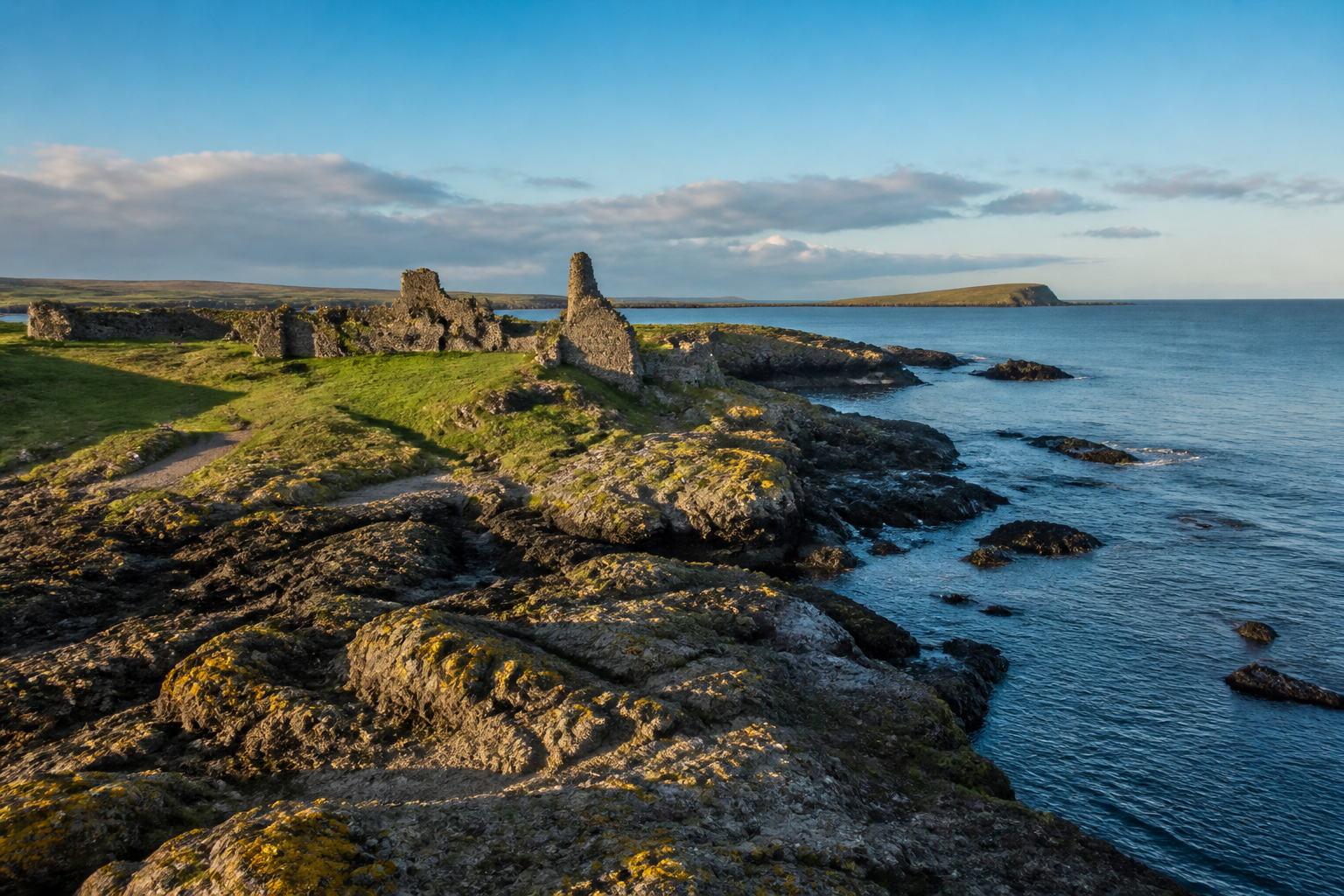
Dumfries and Galloway feels like Scotland with the volume turned down. There are no packed souvenir streets or tour buses fighting for space—just long roads, stone villages, forest trails, windswept beaches, and the occasional sheep staring at you as if you’ve taken a wrong turn.
The BBC’s recent recognition of the region as a global travel destination has brought more attention here, but it still feels wonderfully unhurried. That is the appeal. You can spend the morning walking through a forest, eat seafood by the coast in the afternoon, and finish the day beneath some of the darkest skies in Europe.
The weather changes quickly, especially in spring and autumn. I’ve had bright sunshine, sideways rain, and blue skies within the same afternoon, so a waterproof jacket is not optional. Summer brings the longest days and the best chance of dry weather, but autumn is beautiful for forest walks and quieter roads. Winter can be chilly and damp, though the low crowds and dramatic skies have their own charm.
If you like space, wildlife, small galleries, old ruins, and journeys where the road is part of the experience, this is a very good time to visit.
## Must-see spots: my top picks
### 1. Galloway Forest Park and the Dark Sky Park
This is the place that stayed with me longest. The forest is huge, with lochs, hills, winding trails, and viewpoints that make you want to pull the car over every few miles.
During the day, try a walk around Clatteringshaws Loch or head towards Kirroughtree for mountain-bike routes and forest trails. You don’t need to be an experienced hiker to enjoy it; there are plenty of shorter paths with beautiful views.
Come back after dark if the forecast is clear. Galloway Forest Park was the UK’s first Dark Sky Park, and on a good night the stars are astonishing. Give your eyes time to adjust, turn off your phone, and bring a blanket or thermos. The best viewing spots are away from village lights, but check road conditions before heading deep into the forest.
### 2. Caerlaverock Castle
Caerlaverock Castle looks almost storybook-like, with its unusual triangular shape and moat. It is close to Dumfries, making it easy to combine with other sights in one day.
I enjoyed wandering around the ruins more than I expected. The setting is quiet, and you can imagine how isolated the castle must have felt centuries ago. The nearby wetlands are also excellent for birdwatching, especially during migration seasons.
Wear shoes you don’t mind getting muddy. The paths around the reserve can be wet, and the wind off the Solway Firth makes the area feel colder than Dumfries town.
### 3. Kirkcudbright and the Solway coast
Kirkcudbright has a gentle, creative atmosphere, with colourful buildings, independent galleries, and a strong connection to artists. It is small enough to explore on foot without a plan, which is exactly how I’d suggest doing it.
After looking around the town, drive towards the coast and stop at places such as Ross Island or nearby beaches. The Solway coastline is not about dramatic resort development; it is about wide views, seabirds, sea air, and quiet walks.
Pack a picnic if the weather behaves. Cafés are available, but opening hours can be limited outside the main season. A flask and a few supplies from a local shop can save you from driving miles when you suddenly realise you’re hungry.
### 4. Mull of Galloway Lighthouse
The Mull of Galloway is Scotland’s southernmost point, and getting there feels like a proper little expedition. The lighthouse stands above steep cliffs, with views across the Irish Sea towards Ireland and, on a clear day, the Isle of Man.
The RSPB reserve nearby is a highlight for bird lovers. Gannets, razorbills, guillemots, and puffins may be seen during the nesting season, although wildlife never follows a timetable for visitors.
The road becomes narrower as you approach, so take your time and be patient with oncoming traffic. This is not a quick stop on a packed itinerary—allow several hours to enjoy the lighthouse, reserve, views, and the drive itself.
## Practical travel advice
### Getting there and visa requirements
Dumfries and Galloway does not have a major international airport. Most overseas visitors arrive through:
– **Glasgow Airport**, usually the most convenient option for the western part of the region
– **Edinburgh Airport**, useful if you are combining the trip with Edinburgh or eastern Scotland
– **Newcastle Airport**, sometimes handy for visitors coming from northern England
From Glasgow, trains run to Dumfries, though you will need a car or local taxi to reach many coastal and rural areas. Driving from Glasgow takes roughly 1.5 to 2 hours, depending on where you are staying.
The United Kingdom has its own immigration rules. Visitors from many visa-exempt countries now need a **UK Electronic Travel Authorisation (ETA)** before travelling. Some nationalities need a visa instead, while Irish citizens generally have different arrangements under the Common Travel Area. Check the latest requirements on the official UK government website before booking flights, as rules and fees can change.
For flights, compare Glasgow and Edinburgh rather than assuming one will be cheaper. A slightly more expensive flight into Glasgow may save you hours of driving.
### Where to stay
**Dumfries** is the easiest base for first-time visitors. You’ll find more accommodation, restaurants, supermarkets, and transport connections. It works well for Caerlaverock Castle, the Robert Burns sites, and day trips into the forest.
**Kirkcudbright** suits travellers who want galleries, cafés, and a slower coastal feel. It is a lovely choice for a few restful nights, though evening dining options are more limited than in Dumfries.
**Gatehouse of Fleet** and **Castle Douglas** are good for food lovers and walkers. They put you within reach of Galloway Forest Park and several coastal routes.
**Stranraer and Portpatrick** are practical choices for the western coast and Mull of Galloway. Portpatrick has a prettier seaside setting, while Stranraer is more useful for shops and transport.
For the most remote experience, look for cottages or farm stays outside the main towns. Just check whether the property has reliable heating, mobile signal, and nearby food shops before booking.
### Getting around
A car is the easiest way to see Dumfries and Galloway properly. Distances can look short on a map, but rural roads are often narrow and slow. Allow extra time, especially if you are driving along the coast.
Dumfries itself is walkable, and local buses connect some of the larger towns and villages. Services become less frequent in rural areas and may not run late in the evening.
Uber is not something I would rely on here. Local taxis are a better option, especially if you book ahead. In small villages, it is common for drivers to have limited availability, so ask your accommodation to arrange one.
If you are cycling, plan carefully. The scenery is excellent, but hills, wind, and long stretches without shops can make a casual-looking route more demanding than expected.
## Real costs and local tips
The currency is the **pound sterling (£)**. Prices vary by season, but these are reasonable daily estimates per person:
### Budget travel: around £65–£95 per day
– Hostel or simple guesthouse: £30–£50
– Groceries, bakery lunches, and takeaway meals: £15–£25
– Local buses or shared fuel: £5–£15
– Free walks, beaches, and outdoor sights: mostly free
### Mid-range travel: around £130–£210 per day
– Comfortable hotel or private guesthouse: £80–£140
– Breakfast, café lunch, and dinner: £40–£60
– Car hire and fuel shared between two people: roughly £20–£40 each
– Paid attractions and parking: £5–£20
Tipping is not compulsory, but leaving around 10% in a restaurant is normal when service is good. Check the bill first, as some places add a service charge. You do not need to tip for every coffee or pint.
A few things that saved me money:
– **Book accommodation early for summer weekends.** Rural places have limited rooms, and prices rise quickly when they fill up.
– **Carry snacks and water.** Shops can be far apart, particularly around the forest and the western coast.
– **Use local petrol stations when you see them.** Do not assume there will be another one soon.
– **Check opening days before visiting small attractions.** Seasonal hours are common, especially from late autumn through early spring.
– **Choose viewpoints and walks over expensive organised tours.** Much of the best scenery here costs nothing beyond fuel and a decent pair of shoes.
Dumfries and Galloway may now be appearing on international travel lists, but it has not lost its relaxed character. Come for the scenery, stay for the quiet roads, generous landscapes, and the feeling that you have found a part of Scotland that is still being discovered at its own pace.
KEYWORDS: Dumfries Scotland, Galloway Scotland