
# Australia Beyond the Postcard: Great Cities, Wild Coastlines, and Honest Travel Tips
Australia is aiming to grow tourism while competing with some very polished destinations around the world. After spending time here, I can understand the appeal—and also the challenge. Australia is not a quick, easy weekend destination for most travelers. Flights are long, distances are huge, and prices can make you wince. But once you slow down, the country gives you something few places can match: lively cities, beaches that feel almost unreal, ancient landscapes, and a strong sense of space.
The best trips I’ve had here weren’t about ticking off every famous sight. They were about choosing one region and giving it enough time to breathe.
## The Vibe & When to Go
Australia feels relaxed on the surface, but it has plenty of energy underneath. Sydney is bright and outdoorsy, Melbourne is creative and a little moody, Brisbane feels sunny and easygoing, and the smaller coastal towns often run on coffee, surf reports, and an unhurried breakfast.
The seasons are opposite to those in the Northern Hemisphere:
– **December to February:** Summer. Great for beaches and coastal road trips, though Sydney and Melbourne can be expensive and busy. Northern Australia is generally hot, humid, and wetter.
– **March to May:** Autumn. One of my favorite times to visit, especially in the southern cities. Temperatures are comfortable and crowds begin to thin.
– **June to August:** Winter. Mild in Sydney, Brisbane, and Perth, but genuinely cold in Melbourne and the mountains. This is a good season for the tropical north.
– **September to November:** Spring. Warm days, wildflowers in parts of the country, and excellent conditions for walking and sightseeing.
Australia is especially appealing right now for travelers who want more than a city break. The national tourism push is focused on attracting more visitors and encouraging them to explore beyond the usual Sydney-and-Great-Barrier-Reef route. That means regional food trails, Indigenous-led experiences, nature tourism, and lesser-known coastal areas are getting more attention.
My advice is simple: pick a region rather than trying to “do Australia.” Sydney to Cairns looks manageable on a map, but it is a long journey, and rushing it can turn a memorable holiday into a string of airport transfers.
## Must-See Spots: My Top Picks
### 1. Sydney Harbour, But Take the Long Way Around
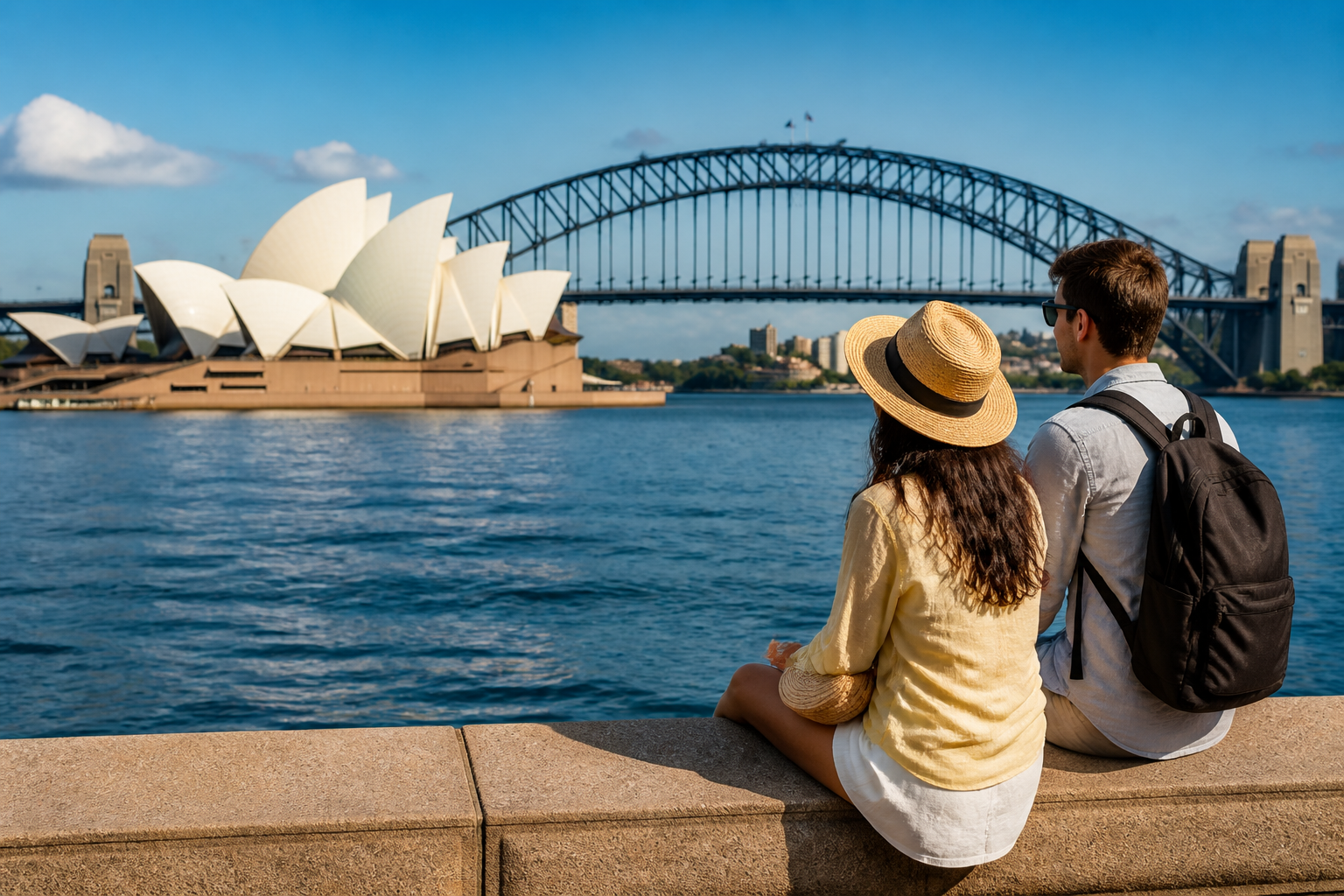
Yes, the Opera House and Harbour Bridge deserve their fame. I still get a little thrill seeing them from the ferry, especially late in the afternoon when the water turns silver.
For a better day, don’t stop at the waterfront photo. Walk from **Circular Quay through The Rocks**, continue toward **Barangaroo**, and then take the ferry to **Manly**. The harbor views from the boat are far more enjoyable than sitting in traffic, and Manly gives you an easy mix of beach, casual restaurants, and coastal walking.
If you have time, walk part of the **Manly to Spit Bridge trail**. You don’t need to complete the entire route to enjoy it. Even a short section brings quiet coves and bushland surprisingly close to the city.
**Small tip:** Visit the Opera House early in the morning, then save the harbor ferry for late afternoon. You’ll avoid some crowds and get much better light.
### 2. Melbourne’s Laneways, Markets, and Long Lunches
Melbourne is the Australian city I return to when I want good coffee, independent shops, galleries, and restaurants that don’t take themselves too seriously. The city center’s laneways are fun to wander, but I prefer spending time around **Fitzroy, Collingwood, and Carlton**.
Start with a coffee, browse small design stores, and leave room for a long lunch. **Queen Victoria Market** is useful for picnic supplies and inexpensive snacks, while **South Melbourne Market** feels a little more local and is excellent for fresh food.
One of my favorite Melbourne pleasures is taking a tram without a strict plan. Get off when a street looks interesting. The city rewards wandering, especially when the weather changes three times before dinner.
**Small tip:** Melbourne’s free tram zone covers much of the central city, but check the boundaries before traveling farther out. Inspectors do issue fines.
### 3. The Great Ocean Road—With Fewer Stops, More Time
The Great Ocean Road is often sold as a day trip from Melbourne. It can be done that way, but I found it much better as a two- or three-day journey. The famous **Twelve Apostles** are beautiful, especially in rough weather, but the smaller stops are often more memorable.
I liked walking around **Lorne**, watching surfers near **Apollo Bay**, and stopping at quiet beaches and forest trails along the way. The road is winding, so don’t underestimate driving times. It’s also worth checking conditions before setting out, since storms and roadworks can change plans.
If you’re driving, stay at least one night along the route. You’ll see the coast in softer morning light and avoid arriving with every tour bus in the region.
**Small tip:** The Twelve Apostles viewing area can be crowded in the middle of the day. Go early or near sunset, but don’t walk too close to cliff edges for a photograph.
### 4. The Tropical North: Cairns, Reef, and Rainforest
Cairns is a practical base for exploring the **Great Barrier Reef** and the **Wet Tropics rainforest**, but the town itself is more relaxed than glamorous. I enjoyed using it as a place to recover after day trips rather than treating it as the main attraction.
For reef trips, compare operators carefully. Smaller boats usually offer a more personal experience, while large vessels may be steadier for travelers prone to seasickness. If snorkeling is your priority, ask how much time you’ll spend in the water rather than choosing based only on price.
A day in **Kuranda** or the **Daintree region** adds a completely different landscape. The rainforest is humid, lush, and full of sudden bird calls. For Indigenous cultural experiences, look for tours led by Traditional Owners; they offer context that a standard sightseeing bus cannot provide.
**Small tip:** The tropical north has distinct wet and dry seasons, but weather can be unpredictable. Check marine conditions before booking a reef day, and bring reef-safe sunscreen, a hat, and a light rain jacket.
## Practical Travel Advice
### Getting There & Visa
Most international visitors arrive through **Sydney, Melbourne, Brisbane, Perth, or Cairns**. From North America, direct flights are available to several major cities. From Europe, many travelers connect through Singapore, Doha, Dubai, or Hong Kong. From Asia, flight options are usually more frequent and often cheaper.
Australia requires most visitors to arrange permission before travel. Depending on your passport, that may be:
– An **eVisitor visa**
– An **Electronic Travel Authority**
– A regular **Visitor visa**
New Zealand citizens generally have different entry arrangements. Apply through the official Australian government website, not a random agency charging extra fees. Your passport must also meet the validity rules for your visa, and biosecurity is taken seriously. Declare food, seeds, plant material, and animal products rather than hoping nobody notices.
For flights, compare arrival cities instead of assuming Sydney is cheapest. An open-jaw ticket—flying into Melbourne and home from Sydney, for example—can save both money and backtracking.
### Where to Stay
– **Sydney:** Stay in Surry Hills or Darlinghurst for restaurants and nightlife, The Rocks or Circular Quay for harbor views, or Manly for a beach-focused trip.
– **Melbourne:** Fitzroy and Collingwood suit creative travelers; Southbank is convenient but more polished; Carlton is a good choice for food and a quieter evening atmosphere.
– **Brisbane:** Fortitude Valley is lively, South Bank is convenient for museums and river walks, and West End has a more relaxed neighborhood feel.
– **Cairns:** The city center works well for tours and restaurants. Palm Cove is quieter and more resort-like, but you’ll pay more and need extra transport.
– **Perth:** Stay around Northbridge for food and nightlife, or choose Fremantle for a slower harbor-town feel.
I usually book somewhere with laundry access. Australia’s weather changes quickly, and being able to wash clothes is much more useful than having a fancy lobby.
### Getting Around
Australia’s big cities are fairly easy without a car. Sydney has trains, buses, ferries, and light rail; Melbourne’s trams are especially useful; Brisbane and Perth have solid public transport networks.
For local rides, **Uber** is widely available, and **DiDi** operates in some cities. Taxis are still easy to find at airports and major stations, though rideshare prices can jump during concerts, rain, and sporting events.
A car becomes useful outside the cities, especially for regional beaches, national parks, and wine country. Keep in mind:
– Australians drive on the **left**.
– Distances between towns can be much longer than they look.
– Wildlife is most active around dawn and dusk, so take extra care on rural roads.
– Fuel stations can be far apart in remote areas.
Domestic flights are sensible for long distances, but overnight buses and trains can sometimes save money. Don’t assume rail is always the cheapest option.
## Real Costs & Local Tips
Australia uses the **Australian dollar (AUD)**. Prices vary a lot by city and season, but these are realistic daily estimates for one person:
### Budget travel: **AUD 90–150 per day**
This usually covers:
– Dorm bed or basic room: AUD 35–70
– Groceries and inexpensive takeaway meals: AUD 25–45
– Public transport: AUD 8–20
– One low-cost activity or free sightseeing
Camping, hostel kitchens, and supermarket meals make a noticeable difference.
### Mid-range travel: **AUD 220–380 per day**
This generally includes:
– Comfortable hotel or private guesthouse: AUD 140–240
– Cafés and casual restaurants: AUD 50–90
– Local transport, occasional rideshare, and entry fees
– One paid tour or attraction every few days
Sydney, Melbourne, and popular coastal areas can push those figures higher, especially during school holidays.
Tipping is not compulsory in Australia. At a café, you can simply pay the bill. In restaurants, rounding up or leaving around 5–10% is appreciated for excellent service, but nobody expects the North American system of automatic tipping. Some venues add weekend or public-holiday surcharges, so glance at the menu before ordering.
A few ways I save money and avoid tourist traps:
– **Use supermarkets for breakfast and lunch.** Bakery sandwiches, fruit, yogurt, and ready-made salads are far cheaper than eating every meal out.
– **Book popular tours directly with established operators.** Comparison sites can be useful, but check cancellation policies and recent reviews before paying.
– **Travel outside school holidays.** Accommodation prices rise sharply around Christmas, Easter, and major sporting events.
– **Use city transport cards or contactless payment.** They’re often cheaper and easier than buying single tickets.
– **Look for free museum days and public gardens.** Australian cities are generous with free walks, beaches, galleries, and markets.
– **Don’t pay for every viewpoint.** In places like Sydney and Melbourne, some of the best views are from public ferries, bridges, parks, and ordinary neighborhood streets.
Australia’s tourism plan may be chasing bigger visitor numbers, but the country’s best experiences still feel personal when you leave room for them. Take the ferry instead of the taxi. Stay an extra night in a small coastal town. Eat where locals are having an early dinner. The famous places are famous for a reason, but the quiet in-between moments are what made me want to come back.
KEYWORDS: Australia coastline Sydney harbour